Mastering Lighting Scenes: Create Perfect Ambiance
“`html
Lighting can make or break the atmosphere of any space. Whether you’re aiming to create a cozy nook in your living room, an inspiring workspace, or the perfect ambiance for a dinner party, knowing how to create lighting scenes is essential. Lighting not only serves a functional purpose but also plays a pivotal role in influencing moods and setting the tone. In this article, we’ll explore the key elements that contribute to effective lighting design, offer practical insights, and highlight the latest trends and technologies.
1. Understanding the Basics of Lighting
Before diving into the intricate world of lighting design, it’s crucial to grasp the fundamentals. There are three primary types of lighting: ambient, task, and accent. Ambient lighting provides the overall illumination in a space, making it comfortable for daily activities. Task lighting is focused on specific areas where activities like reading or cooking occur, while accent lighting adds depth and interest, highlighting artwork or architectural features.
Each type plays a distinct role, and a well-balanced lighting scene incorporates all three. For instance, consider a dining room where ambient lighting sets a warm tone, task lighting illuminates the table for dining, and accent lighting showcases a beautiful piece of art on the wall. This combination creates a multi-dimensional experience that enhances the overall aesthetic.
2. The Power of Color Temperature
Color temperature is a fundamental aspect of lighting that affects the mood and perception of a space. Measured in Kelvins (K), color temperature can range from warm (around 2700K) to cool (up to 6500K). Warm light creates a cozy and inviting atmosphere, perfect for living areas and bedrooms, while cool light is often associated with productivity, making it suitable for workspaces.
When attempting to create lighting scenes, consider the emotional response you want to evoke. For example, using warmer tones in a bedroom can promote relaxation and comfort, while cooler tones in an office can enhance focus and alertness. Experimenting with different color temperatures can dramatically alter the feeling of a room.
3. Layering Your Lighting
Layering is a key strategy in lighting design that involves combining different types of lighting to create depth and interest. By utilizing various sources of light, you can transform a space from flat to dynamic. Start by establishing your ambient lighting, then add task and accent layers as needed.
For instance, in a living room, you might use overhead fixtures for ambient light, table lamps for task light, and wall sconces for accent light. This layered approach not only provides ample illumination but also allows for adaptability—switching up the mood with different combinations throughout the day or for special occasions.
4. Utilizing Smart Lighting Technology
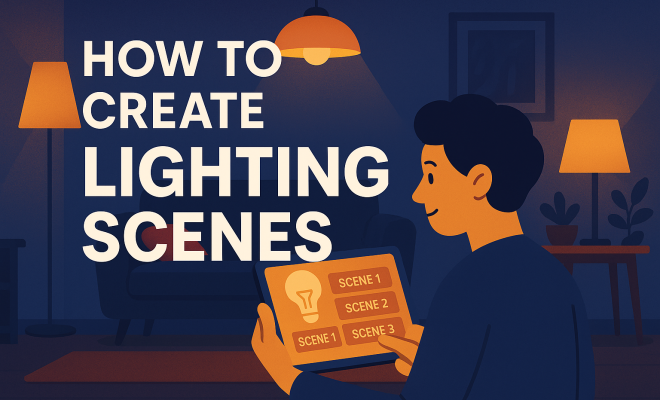
Advancements in technology have revolutionized the way we create lighting scenes. Smart lighting systems allow you to control brightness, color, and even timing through your smartphone or voice commands. These systems often integrate with home automation solutions, enabling seamless control of your entire lighting setup.
Imagine setting up a cozy movie night scene with one command—dimmed lights, warm tones, and all the right spots illuminated. The flexibility of smart lighting makes it easier to experiment with different scenes and adjust them to suit your activities or mood without the hassle of manual adjustments. Moreover, many smart bulbs offer customizable settings, allowing you to switch out colors and brightness levels effortlessly.
5. Designing for Specific Activities
When learning how to create lighting scenes, consider the specific activities that will take place in a space. Different functions require different lighting setups. For example, a kitchen may benefit from bright, focused task lighting for cooking and food prep, while a bedroom should have softer, warmer lighting conducive to relaxation.
To optimize your lighting for various activities, think about the placement of your light sources. Installing under-cabinet lighting in kitchens, adjustable lamps in workspaces, or dimmable fixtures in living areas can dramatically enhance functionality. You can even create presets for each activity, ensuring that the lighting adapts seamlessly to your needs. (See: Lighting design overview on Wikipedia.)
6. Incorporating Natural Light
Natural light should not be overlooked when discussing how to create lighting scenes. Incorporating windows and skylights can significantly impact the overall atmosphere of a room. Natural light not only promotes well-being but also reduces reliance on artificial lighting during the day.
To maximize the benefits of natural lighting, consider using sheer curtains or blinds that can filter light without blocking it entirely. Additionally, mirror placement can amplify natural light by reflecting it throughout the space. During the design process, pay attention to how the position of windows changes the light in your space throughout the day and adjust your artificial lighting accordingly.
7. Choosing the Right Fixtures
The fixtures you choose can greatly influence both the function and style of a lighting scene. From chandeliers and pendants to floor lamps and sconces, the right fixtures can enhance your decor while providing necessary illumination. Consider not just the light output but also the aesthetic impact of each fixture.
When selecting fixtures, think about how they can complement your existing style. A modern pendant light can add a chic touch to a contemporary kitchen, while vintage sconces can lend warmth to a traditional dining room. Moreover, the design of the fixtures can affect how light is distributed in a space, so choose wisely to achieve your desired effect.
8. Experiment and Adjust
Finally, remember that creating the perfect lighting scene is often a process of experimentation. Don’t be afraid to try different combinations of fixtures, bulbs, and settings until you find what works best for your space. Lighting can be altered to suit your personal preferences, so take the time to adjust based on how you use the space.
Consider using dimmers to allow for flexibility based on different times of day or events. One night you may want a vibrant, energetic atmosphere for a gathering, while another night you might prefer a more subdued, intimate setting. By being open to adjustments and changes, you can create a space that feels uniquely yours, reflecting your personality and lifestyle.
9. Lighting for Different Styles of Home
Different home styles call for distinct approaches to lighting design. For example, a minimalist home often benefits from sleek, understated fixtures that enhance the spaciousness without overwhelming the simplicity of the design. Conversely, a more traditional home might embrace ornate chandeliers and vintage lamps that complement its rich textures and colors.
In a rustic-style home, warm-toned, natural materials like wood and wrought iron can enhance the warmth of the space. Using pendant lights made from these materials can be a great way to tie in with the overall decor. On the other hand, modern homes often utilize clean lines and geometric shapes in their lighting fixtures, which can add a contemporary flair without cluttering the aesthetic.
Understanding how your home’s style influences lighting not only helps you choose the right fixtures but also guides you in creating cohesive lighting scenes that enhance your overall design. For example, if you live in a coastal-themed home, you might want to use soft, airy lights that create a breezy, relaxed vibe, mimicking the feel of being at the beach.
10. Utilizing Lighting Design Software
With the rise of technology, various lighting design software tools have become available to assist homeowners and designers in planning their lighting scenes. Programs like SketchUp or AutoCAD allow you to visualize your space in three dimensions and experiment with different lighting placements and intensities.
Using such software can help you see how light interacts with your furniture and walls, enabling you to make informed decisions before actual installation. Some tools even allow for realistic rendering of how different light sources will appear in your space, giving you a clearer picture of your end goal.
For those who may not be design professionals, simpler apps are available that focus on lighting planning specifically, with user-friendly interfaces. These tools can help you plot out how to best utilize your light fixtures, color temperatures, and layering techniques to achieve your desired atmosphere.
11. Common Mistakes in Lighting Design
As you venture into create lighting scenes, it’s essential to be aware of common pitfalls that can detract from your design efforts. One frequent mistake is relying solely on overhead lighting without incorporating task or accent options. This can lead to a flat and uninspiring atmosphere. (See: CDC on the importance of lighting.)
Another mistake is neglecting the scale of fixtures. If your space is large and you choose small, delicate lights, they may be dwarfed and ineffective. The opposite is true as well; oversized fixtures in a small room can create a sense of clutter. Always consider the proportions of your space when selecting lighting fixtures.
Additionally, placing lights in the wrong spots can hinder their effectiveness. For example, task lighting should be positioned where it enhances usability, such as over a desk or kitchen counter, rather than just illuminating the room. Lastly, many people forget to think about dimming options, which can dramatically alter the mood and functionality of a space.
12. FAQs About Creating Lighting Scenes
What is the best way to choose a lighting scheme for my home?
Start by assessing the purpose of each room and how you want to feel in that space. Experiment with different types of lighting and fixtures, and consider using dimmers or smart systems to adjust the mood as needed.
Can I mix different types of light bulbs?
Yes, mixing different types of light bulbs can be effective, but it’s essential to maintain a cohesive look. Using bulbs with similar color temperatures and brightness levels can create a harmonious atmosphere.
How does lighting affect my mood?
Lighting can significantly impact your mood; warm lights tend to create a cozy and relaxed feeling, while cooler lights can energize and enhance focus. Understanding this can help you tailor your lighting to your lifestyle and activities.
Is natural light enough during the day?
Natural light is usually sufficient during the day, but additional lighting may be needed for tasks that require focus, such as reading or working. Consider how the natural light in your space shifts throughout the day when planning your lighting.
Are there specific fixtures that work best for certain styles?
Yes, the style of your fixtures can enhance your home’s decor. For example, sleek and modern fixtures work well in contemporary spaces, while rustic or vintage fixtures complement more traditional or country styles.
13. Advanced Lighting Techniques
Once you’re comfortable with the basics of creating lighting scenes, it’s time to explore some advanced techniques that can elevate your design. One such technique is the use of layering with colored light. By incorporating colored bulbs or filters, you can create dynamic scenes that change the vibe of a room instantly. For example, using soft blue lights in a relaxation area promotes calmness, while vibrant reds or oranges can energize a party atmosphere.
Another advanced technique is the concept of “light zoning.” This approach divides a room into different zones, each with its own lighting requirement. For instance, in an open-concept living space, you might have a cozy reading nook with warm, soft lighting, a bright kitchen area with focused task lighting, and an entertainment area with adjustable color lights for different moods. This zoning not only enhances functionality but also creates an engaging visual experience.
14. Lighting Trends to Watch
The world of lighting design is ever-evolving, with trends constantly emerging. One major trend is the rise of sustainability in lighting choices. Many homeowners are now opting for energy-efficient LED bulbs and fixtures made from recycled materials. This not only reduces environmental impact but also lowers energy costs over time.
Another trend gaining traction is the use of statement lighting. Bold, oversized fixtures are becoming popular as focal points in rooms, drawing the eye and serving as conversation starters. Whether it’s a striking chandelier in a dining room or an artistic pendant in a kitchen, these fixtures add personality and flair. (See: New York Times lighting design tips.)
Smart homes are also influencing lighting trends. Homeowners increasingly want lighting that integrates with their daily routines, from automated schedules to responsive lighting systems that adjust based on time of day or occupancy.
15. Creating Mood with Dimming Controls
Dimming controls are a powerful tool when it comes to creating the right lighting scene. By adjusting the brightness of your lights, you can change the entire atmosphere of a room. A dimmed light can create an intimate environment, perfect for a dinner party or a quiet evening at home, while brighter settings can invigorate a space, making it ideal for social gatherings or productive work sessions.
Many modern dimmers allow for fine-tuning, enabling you to find the perfect level of brightness for any situation. Some advanced systems even allow you to set different dimming levels according to the time of day. For example, you might prefer a bright, energizing setting in the morning while opting for softer, warmer tones in the evening.
16. Expert Insights on Lighting Design
To gain deeper insights into the world of lighting design, it’s invaluable to consider the perspectives of experts in the field. Interior designers frequently emphasize the importance of understanding the interplay between light and space. According to renowned lighting designer Jennifer Kiker, “Each space has its own personality, and lighting should enhance that, not overshadow it.” This highlights the need for a balanced approach where lighting complements architectural elements rather than competes with them.
Architectural lighting designer David J. Lyle advocates for using light to draw attention to a room’s focal points. Whether it’s a beautiful piece of art or a unique architectural feature, he suggests using accent lighting strategically to enhance these elements, which can elevate the overall aesthetic and draw viewers’ eyes where you want them.
17. Practical Steps to Create Your Own Lighting Scenes
Creating your own lighting scenes can be a rewarding experience. Here’s a simple step-by-step guide to help you get started:
- Assess Your Space: Identify the purpose of each room and how you want it to feel.
- Choose Your Fixtures: Select lighting fixtures that align with your style and needs.
- Layer Your Lighting: Combine ambient, task, and accent lighting for depth.
- Experiment with Color Temperature: Test different bulbs to see how they impact the mood.
- Incorporate Smart Technology: Consider smart bulbs or systems for flexibility.
- Adjust and Fine-tune: Don’t hesitate to change settings based on your activities or time of day.
18. Lighting Safety Tips
While focusing on aesthetics and functionality, it’s also essential to consider safety when creating lighting scenes. Here are some tips to keep in mind:
- Use Proper Wattage: Always check the wattage of your bulbs and ensure they are compatible with your fixtures to prevent overheating.
- Install on a Stable Surface: Ensure that all fixtures are mounted securely to avoid accidents.
- Check for Overheating: Regularly inspect bulbs and fixtures for signs of overheating, which can be a fire hazard.
- Use GFCI Outlets: In moisture-prone areas like kitchens and bathrooms, ground fault circuit interrupter (GFCI) outlets can prevent electrical shock.
Creating Effective Lighting Scenes: A Personal Touch
Creating effective lighting scenes is an art that combines functionality, aesthetics, and mood enhancement. By understanding the fundamentals, experimenting with various techniques, and incorporating technology, you can design spaces that are not only beautiful but also tailored to your needs. So, roll up your sleeves and start transforming your home with the power of light!
“`
Trending Now
Frequently Asked Questions
What are the different types of lighting for scenes?
There are three primary types of lighting: ambient, task, and accent. Ambient lighting provides overall illumination, task lighting focuses on specific areas for activities, and accent lighting highlights features like artwork. A well-designed lighting scene balances all three to create a harmonious atmosphere.
How does color temperature affect lighting scenes?
Color temperature, measured in Kelvins, influences the mood of a space. Warm light (around 2700K) creates a cozy atmosphere, ideal for living areas, while cool light (up to 6500K) enhances productivity, making it suitable for workspaces. Choose the appropriate color temperature based on the emotional response you wish to evoke.
What role does lighting play in setting the mood?
Lighting is crucial in influencing moods and setting the tone of a space. By combining different types of lighting and adjusting color temperatures, you can create inviting, inspiring, or functional environments, enhancing the overall experience of any area.
How can I create a cozy lighting scene in my living room?
To create a cozy lighting scene, use warm ambient lighting, incorporate soft task lighting for activities like reading, and add accent lighting to highlight decor. This combination fosters a welcoming atmosphere, perfect for relaxation or social gatherings.
What are the latest trends in lighting design?
Current trends in lighting design include smart lighting technology, which allows for customizable scenes and energy efficiency, as well as a focus on sustainable materials. Additionally, layered lighting approaches that combine various types of lighting are increasingly popular for creating dynamic and versatile spaces.
What’s your take on this? Share your thoughts in the comments below — we read every one.