2026 Gas Prices Threaten Trump Tax Refunds
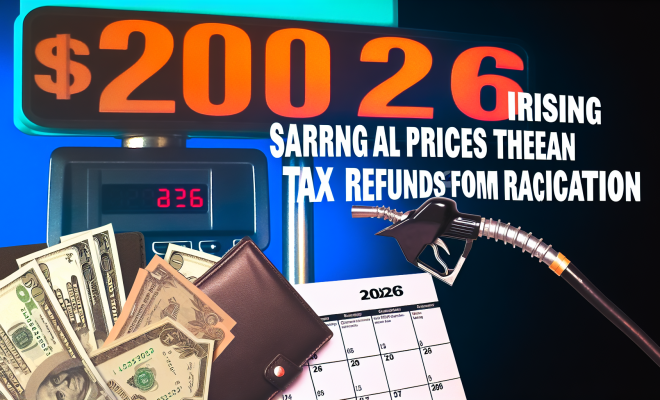
As 2026 unfolds, American consumers are facing a dual challenge: rising gasoline prices driven by geopolitical tensions, particularly the ongoing conflict in Iran, and the promise of tax refunds from the Trump administration’s One Big Beautiful Bill Act. Economists warn that the anticipated tax savings may be completely offset by escalating fuel costs, putting additional strain on household budgets already feeling the pinch of inflation.
Geopolitical Tensions and Fuel Costs
The war in Iran has created an unstable environment for oil production and distribution, leading to increased prices at the pump across the United States. According to recent reports, the average price of gasoline has surged, significantly impacting consumer spending patterns. In 2026, prices have reportedly reached levels that many experts had not anticipated, contributing to a growing concern regarding the sustainability of household finances.
The Impact on Household Budgets
With gasoline prices climbing, many families are finding that their savings from tax refunds—expected as part of the One Big Beautiful Bill Act—are being rapidly consumed by the cost of fuel. This situation highlights a broader issue: how external factors, such as international conflicts, can have a direct and immediate effect on domestic economic conditions.
- Expected Refunds: Under the One Big Beautiful Bill Act, many taxpayers were looking forward to receiving substantial tax refunds, which were initially projected to provide much-needed relief in a time of rising living costs.
- Escalating Fuel Prices: With gasoline prices soaring, the potential benefits of these tax refunds are being negated, effectively erasing the financial cushion that many families were counting on.
- Consumer Confidence: As fuel prices rise, consumer confidence may wane, leading to decreased spending in other areas, further impacting the economy.
Understanding the Economic Dynamics
Economists have been quick to point out that the relationship between fuel prices and overall consumer spending is complex. Higher gasoline prices can lead to increased transportation costs, which in turn can affect the prices of goods and services across various sectors. For instance, if consumers have to spend significantly more on fuel, they may have less disposable income for other necessities, such as groceries or healthcare.
The Ripple Effect on Inflation
The current economic landscape is already marked by high inflation rates, a situation exacerbated by rising energy costs. Inflation can erode purchasing power, making it difficult for consumers to maintain their standard of living. The following factors contribute to the inflationary pressures:
- Supply Chain Disruptions: The war in Iran has also affected global oil supply chains, leading to shortages and further price hikes.
- Increased Transportation Costs: As fuel prices rise, shipping and delivery costs increase, contributing to higher prices for goods.
- Consumer Behavior: As consumers adjust their spending habits due to increased fuel costs, businesses may need to rethink their pricing strategies, potentially leading to further inflation.
Potential Policy Responses
The situation raises questions about the effectiveness of the One Big Beautiful Bill Act and whether additional policy measures may be necessary to support American families in the face of rising fuel prices. Policymakers may need to consider options such as:
- Subsidies for Fuel Costs: Implementing temporary subsidies to help offset the cost of gasoline could provide immediate relief to consumers.
- Investment in Renewable Energy: Increasing investment in alternative energy sources could help reduce dependence on foreign oil and stabilize prices in the long run.
- Tax Relief Measures: Revisiting the tax legislation to provide additional relief for low- and middle-income families facing higher fuel prices may be necessary.
Conclusion
The economic pressures stemming from geopolitical tensions, particularly the conflict in Iran, are having a profound impact on American households. As gasoline prices continue to rise, the anticipated benefits of the Trump One Big Beautiful Bill Act could be diminished, leaving many families to grapple with the reality of their financial situations. The interplay between fuel costs, inflation, and consumer spending presents a significant challenge for the economy in 2026, prompting the need for thoughtful policy responses and strategic planning to navigate these turbulent waters.