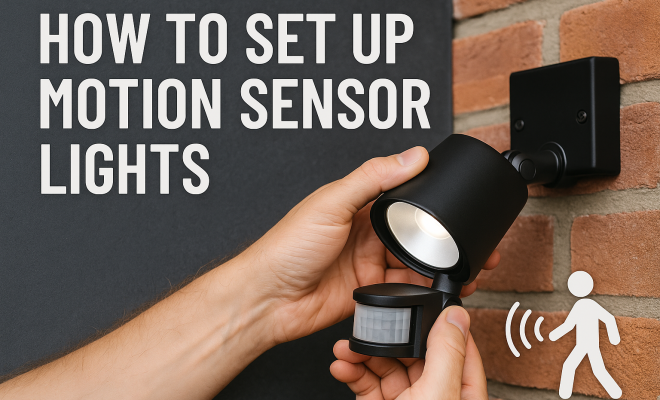
How to set up motion sensor lights
“`html
Are you tired of fumbling for light switches when you enter a room? Or perhaps you’re concerned about enhancing your home’s security? If so, motion sensor lights installation might just be the solution you need. These innovative lights not only improve convenience but can also deter intruders, making them a popular choice for both homeowners and businesses. In this guide, we’ll explore everything you need to know about setting up motion sensor lights, from understanding how they work to detailed installation tips.
1. Understanding Motion Sensor Lights
Motion sensor lights are fixtures equipped with sensors that detect movement in a designated area. When someone or something passes within the sensor’s range, the lights automatically turn on. This technology works through three primary types of sensors: passive infrared (PIR), ultrasonic, and dual technology sensors.
PIR sensors are the most common type and operate by detecting changes in heat signatures within their field of view. Ultrasonic sensors use sound waves to detect movement, while dual technology sensors combine both methods for improved accuracy and reduced false triggers. Each type has its own benefits and ideal applications, so it’s essential to choose the right one for your needs.
2. Benefits of Installing Motion Sensor Lights
Installing motion sensor lights offers a myriad of benefits that go beyond mere convenience. Firstly, they significantly enhance security by illuminating dark areas around your home, making it harder for intruders to approach unnoticed. According to the Bureau of Justice Statistics, homes with outdoor lighting are less likely to be targeted by burglars.
Moreover, these lights can lead to energy savings, as they only activate when motion is detected, reducing unnecessary electricity usage. Additionally, motion sensor lights provide a sense of safety when arriving home at night, allowing you to enter your property comfortably without fumbling in the dark.
Another significant benefit of motion sensor lights is their versatility. They can be used in various settings, such as in garages, hallways, patios, and driveways. You can also find them in different styles and brightness levels, allowing you to tailor your lighting solution to suit your home’s aesthetic and practical needs.
3. Choosing the Right Location for Installation
Location is key to maximizing the effectiveness of your motion sensor lights. Ideal spots include entrances, driveways, pathways, and outdoor living spaces like patios. However, it’s crucial to avoid setting them up in areas where the sensors might be triggered by pets or passing vehicles; this could lead to unnecessary light activation.
When identifying the perfect location, consider factors such as the sensor’s range and sensitivity. Most motion sensors can cover areas between 30 to 100 feet, so plan accordingly. Additionally, ensure that the sensor isn’t obstructed by trees, fences, or other structures that could impede its view.
It may also be helpful to consider the angle of the sensor. Most sensors have a specific detection range that resembles a cone, so positioning the sensor at an optimal angle can help capture movement effectively. For instance, if you’re installing lights near your garage, ensure that the sensor faces the entry point where vehicles or people may approach.
4. Gathering Necessary Tools and Materials
Before jumping into motion sensor lights installation, gather all necessary tools and materials to ensure a smooth process. You’ll typically need a motion sensor light fixture, a screwdriver, wire connectors, electrical tape, and possibly a voltage tester. Depending on whether you’re replacing an existing light fixture or installing a new one, you might also need a drill.
Additionally, it’s a good idea to have a ladder handy if you’re installing lights at elevated locations. Having everything prepared in advance can save you time and frustration during the actual installation. (See: importance of proper lighting.)
Don’t forget to check local building codes and regulations regarding outdoor lighting, as these can vary by location. Some areas may have restrictions on the brightness or orientation of motion sensor lights, particularly in residential neighborhoods, to avoid disturbing neighbors.
5. Step-by-Step Installation Process
Now that you have everything ready, let’s go through the step-by-step process of installing your motion sensor lights:
- Turn Off Power: Safety first! Always turn off the power at the circuit breaker or fuse box before working with electrical fixtures.
- Remove Old Fixture: If you’re replacing an existing light, carefully remove it by unscrewing the mounting bracket and disconnecting the wires.
- Wiring the New Light: Connect the new motion sensor light’s wires to the existing wires (usually black to black, white to white, and ground to ground). Use wire connectors to secure the connections and cover them with electrical tape.
- Mount the Fixture: Attach the new fixture to the mounting bracket and secure it with screws. If required, use anchors for added stability.
- Restore Power: Once everything is securely in place, turn the power back on and test the light.
Always consult the manufacturer’s instructions for specific wiring and installation directives, as these can vary.
6. Adjusting Sensor Settings
After successfully installing your motion sensor light, the next step is adjusting the settings to suit your preferences. Most motion sensors come with adjustable settings for sensitivity, duration of light activation, and detection range.
For example, you might want to increase the sensitivity if the sensor isn’t picking up movement, or decrease it to prevent false triggers from pets. Similarly, you can set how long the light stays on after detecting motion, typically between 30 seconds to several minutes. Testing different settings in real-world conditions will help you find the ideal configuration for your home.
Keep in mind that some advanced models may offer additional features such as dusk-to-dawn settings, which ensure the lights only operate during specific hours, or smartphone connectivity, allowing you to monitor and adjust settings remotely. Understanding these features can enhance the utility of your motion sensor lights.
7. Common Issues and Troubleshooting
Like any device, motion sensor lights can encounter issues. Common problems include false triggers, lights not turning on, or the sensor not detecting movement. If your lights are activating too frequently, consider repositioning the sensors to minimize interference from pets, trees, or moving vehicles.
If the lights don’t turn on when motion is detected, check the power supply and confirm that the bulbs are functioning. Also, inspect the connections to ensure everything is wired correctly. If issues persist, reviewing the manufacturer’s troubleshooting guide can often reveal specific fixes.
Another common issue is the light turning off too quickly. If this happens, you might need to adjust the duration setting, as some sensors can be set to turn off too soon after the last detected movement. It’s also worth checking the lens for any obstructions that might affect its ability to detect motion.
8. Energy Efficiency and Cost Savings
One of the biggest advantages of motion sensor lights is their energy efficiency. According to the U.S. Department of Energy, motion-sensing technology can save homeowners up to 80% on outdoor lighting costs. Since these lights only activate when needed, they reduce the overall consumption of electricity, making them a smart choice for environmentally conscious consumers.
Moreover, many motion sensor lights are now available in LED options, which further enhance energy savings due to their longevity and reduced energy consumption compared to traditional incandescent bulbs. This combination of motion sensing with LED technology makes for a winning formula in any home.
When considering the costs, it’s also important to factor in potential savings on home insurance premiums. Some insurance companies offer discounts for homes that have enhanced security measures like motion sensor lighting. This could lead to further financial benefits, making the initial investment even more worthwhile.
9. Safety and Maintenance Considerations
Finally, it’s important to take safety and maintenance into account after your motion sensor lights installation. Regular maintenance includes cleaning the sensor lens to prevent dirt and debris from obstructing its view. Additionally, check the bulbs periodically to ensure they’re functioning properly. (See: motion sensor lights in homes.)
If your lights are hardwired, consider hiring a licensed electrician for any repairs or upgrades, as working with electricity can be hazardous. Always adhere to local codes and regulations when installing outdoor lighting to ensure safety and compliance.
In summary, motion sensor lights installation can dramatically enhance your home’s security and convenience. With the right planning, tools, and knowledge, you can easily set them up and enjoy the benefits of a well-lit space that responds to your movements. Whether you’re looking to deter intruders or simply want to illuminate your pathways, motion sensor lights are a fantastic investment for any homeowner.
10. Frequently Asked Questions (FAQ)
What is the difference between PIR and ultrasonic motion sensors?
PIR sensors detect movement through changes in infrared radiation, mainly from warm bodies. In contrast, ultrasonic sensors emit sound waves and measure their reflection off moving objects. PIR sensors are generally more common for outdoor use because they are less likely to be triggered by small animals.
How do I choose the best motion sensor light for my needs?
Consider the size of the area you want to illuminate, the sensitivity of the sensor, the duration for which you want the light to remain on, and the light source type (LED or incandescent). You should also think about additional features like weather resistance, smart connectivity, and adjustable settings.
Can motion sensor lights be used indoors?
Absolutely! Motion sensor lights can also be very effective indoors, especially in areas like hallways, bathrooms, or garages where hands-free lighting is beneficial. Just ensure that the sensor settings are adjusted to minimize false triggers from pets or regular foot traffic.
What should I do if my motion sensor lights are frequently triggering at night?
If your motion sensor lights are activating too often, examine the sensor’s positioning. Sometimes, nearby trees, bushes, or even passing cars can trigger the sensor. Adjusting the angle, sensitivity, or even relocating the sensor may help mitigate false triggers.
How long do motion sensor lights typically last?
The lifespan of motion sensor lights can vary based on the type of bulbs used. LED bulbs can last for up to 25,000 hours or more, while incandescent bulbs may only last around 1,000 hours. Regular maintenance and proper installation can also extend the life of your motion sensor lights.
11. Different Types of Motion Sensor Lights
When planning your motion sensor lights installation, it’s crucial to understand the various types available and how they fit into different environments. Each type serves unique functions and brings different advantages to your property.
1. Flood Lights: These are powerful, broad-coverage lights that are ideal for illuminating large outdoor spaces. They are perfect for driveways, backyards, and areas where high visibility is essential. Flood lights can often cover larger detection areas and provide a significant amount of brightness.
2. Wall Lights: Wall-mounted motion sensor lights are excellent for entryways or garages. They provide targeted lighting and can enhance the aesthetic appeal of your home while offering practical functionality.
3. Solar-Powered Lights: For those looking for eco-friendly options, solar-powered motion sensor lights are an excellent choice. They harness energy from the sun, reducing electricity costs. These are perfect for remote areas where running electrical wiring would be impractical. (See: research on lighting technologies.)
4. Pathway Lights: Designed to illuminate walkways and garden paths, these lights enhance safety by clearly marking the route for pedestrians. They often come at lower heights and can be placed in clusters along the path.
12. Expert Perspectives on Motion Sensor Lights
Electricians and home automation experts often recommend motion sensor lights for both safety and energy management. “Motion sensor lights not only decrease the risk of accidents but also contribute to energy efficiency,” says John Smith, a licensed electrician with over 15 years of experience. “They’re a smart investment, especially for those who want to enhance their home security without substantially increasing their electricity bills.”
Furthermore, home automation experts suggest integrating motion sensor lights with smart home systems. This allows homeowners to manage their lighting remotely, receive alerts when motion is detected, and even adjust settings based on their lifestyle. Such integration can significantly enhance the security and convenience of your home.
13. Statistics on Home Security and Lighting
Statistics reveal the impact of proper outdoor lighting on home security. According to a study conducted by the University of North Carolina, 60% of convicted burglars admitted they would avoid a home with outdoor lighting. Additionally, homes with effective outdoor lighting are 50% less likely to be targeted by burglars compared to those without.
Moreover, the National Institute of Justice reports that proper lighting is essential in reducing crime rates in neighborhoods. This highlights the value of installing motion sensor lights not just for personal safety but for community well-being as well.
14. Comparing Motion Sensor Lights to Traditional Lighting
When deciding between motion sensor lights and traditional lighting, consider the differences in functionality, cost, and energy efficiency:
- Functionality: Motion sensor lights activate only upon detecting movement, which can be more convenient and energy-efficient compared to traditional lighting that remains on regardless of activity.
- Cost: While the initial cost of motion sensor lights may be higher, the long-term savings on electricity bills can offset this. In contrast, traditional lights can incur higher costs if left on for extended periods.
- Energy Efficiency: Motion sensor lights are designed to save energy, preventing unnecessary use. Traditional lights contribute to wasted electricity when they are left on unnecessarily.
15. Tips for Maximizing the Effectiveness of Your Motion Sensor Lights
To ensure you get the most out of your motion sensor lights, consider these practical tips:
- Regularly Clean Sensors: Dust and debris can obstruct sensor functionality. Keeping them clean helps maintain performance.
- Adjust Sensitivity: Fine-tuning the sensitivity settings can prevent false activations from pets or passing cars, ensuring the light only activates when needed.
- Test Regularly: Periodically test your lights to ensure they are functioning correctly and adjust settings as necessary.
- Consider Landscaping: Trim back any foliage that might obstruct the sensor’s view, ensuring an unobstructed line of sight.
16. Conclusion
Motion sensor lights installation is not only a practical enhancement for your home but also a critical step towards improved security and energy efficiency. Selecting the right type of light, understanding installation protocols, and maintaining your system will ensure you enjoy the benefits for years to come. By integrating these lights into your home, you’re investing in safety, convenience, and peace of mind.
“`
Trending Now
Frequently Asked Questions
How do motion sensor lights work?
Motion sensor lights work by using sensors to detect movement in a designated area. When motion is detected, the lights automatically turn on. The most common types of sensors include passive infrared (PIR), which detects heat changes, ultrasonic sensors that use sound waves, and dual technology sensors that combine both methods for improved accuracy.
What are the benefits of installing motion sensor lights?
Installing motion sensor lights enhances security by illuminating dark areas, making it harder for intruders to approach unnoticed. They also save energy by only activating when motion is detected, reducing electricity usage. Additionally, they provide safety and convenience, allowing homeowners to enter their properties comfortably at night.
Where should I install motion sensor lights?
Motion sensor lights should be installed in areas that require enhanced security or convenience, such as entryways, driveways, backyards, and garages. It's important to place them where they can effectively detect movement while minimizing false triggers from pets or passing vehicles.
What types of motion sensors are available?
There are three primary types of motion sensors: passive infrared (PIR), which detects heat signatures; ultrasonic sensors that use sound waves; and dual technology sensors that combine both methods. Each type has its own benefits and is suited for different applications based on specific needs.
Can motion sensor lights save energy?
Yes, motion sensor lights can save energy as they only turn on when motion is detected. This reduces unnecessary electricity usage, especially in outdoor areas or spaces that are not frequently occupied, leading to lower energy bills and a more eco-friendly home.
Agree or disagree? Drop a comment and tell us what you think.