How to use voice commands for smart home
“`html
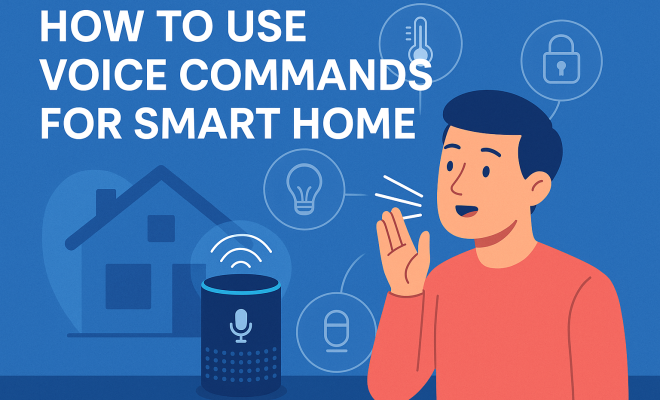
As technology becomes more integrated into our daily routines, the rise of voice commands for smart home devices is transforming how we interact with our living spaces. Imagine walking into your home and simply saying, “Turn on the lights” or “Set the thermostat to 72 degrees,” and watching it all happen seamlessly. This isn’t a futuristic dream—it’s a reality that’s rapidly becoming commonplace. In this article, we’ll explore how to effectively use voice commands for smart home technologies, the benefits they offer, and the key aspects that can enhance your experience.
1. The Evolution of Smart Home Technology
The journey of smart home technology began in the late 20th century, but it truly gained momentum in the 2010s with the introduction of devices that could be controlled remotely. Internet-connected devices like smart bulbs, thermostats, and security cameras have changed the landscape of home automation. Voice command technology, spearheaded by devices like Amazon Echo and Google Home, took this a step further. These systems allow users to interact with their devices using natural language, making the experience more intuitive and accessible.
Voice control has made interacting with technology feel more natural. Instead of navigating through apps and buttons, users can simply speak commands. This transition has been particularly helpful for individuals who may struggle with traditional interfaces, including the elderly or those with disabilities.
2. Understanding Voice Assistants
At the heart of voice commands for smart homes are voice assistants like Amazon Alexa, Google Assistant, and Apple’s Siri. These assistants are designed to understand and respond to spoken language, allowing for a wide range of functionalities. Each platform has its unique features, strengths, and ecosystems. For example, Alexa boasts extensive compatibility with a multitude of smart devices, while Google Assistant excels in contextual understanding and search capabilities.
Choosing the right voice assistant involves considering your specific needs and the smart devices you already own. Compatibility is key; ensure that your smart devices can interact seamlessly with the voice assistant you choose. For instance, if you have a home filled with Google Nest products, opting for Google Assistant would enhance your smart home experience.
3. Setting Up Your Smart Home Devices
Before you can start using voice commands, setting up your smart devices is essential. Most smart home devices come with an app that guides you through the installation process. For instance, to set up a smart bulb, you’ll typically need to plug it in and connect it to your Wi-Fi network through the manufacturer’s app.
After installation, link your devices to your voice assistant. This usually involves enabling the relevant skill or action in the assistant’s app. For example, if you’re setting up Philips Hue bulbs with Alexa, you would go to the Alexa app, search for the Philips Hue skill, and link your account. Once linked, you can control the bulbs with voice commands such as, “Alexa, turn on the living room lights.”
4. Common Voice Commands for Smart Home Control
Knowing the right voice commands can significantly enhance your experience with smart home devices. Here are some common commands that can be used across various platforms:
- “Turn on/off [device name]” – This is the most basic command for controlling lights, fans, and appliances.
- “Set [device name] to [specific setting]” – This works for devices like thermostats and lights. For example, “Set the thermostat to 70 degrees.”
- “Play music” – You can command your smart speaker to play music from various streaming services.
- “What’s the weather like today?” – Voice assistants can provide real-time weather updates.
- “Lock the front door” – If you have a smart lock, this command enhances home security.
These commands can be modified depending on the specific devices you own. For instance, if you have a smart coffee maker, you might say, “Start brewing coffee.” Familiarizing yourself with your device’s capabilities will help you make the most of voice control.
5. Creating Routines and Automations
One of the most powerful features of using voice commands for smart home technology is the ability to create routines and automations. Most voice assistants allow you to set up routines that can trigger multiple actions with a single command. For instance, you could create a morning routine that turns on the lights, starts the coffee maker, and reads the day’s news when you say, “Good morning.”
Automations can also be created based on specific conditions. For example, you might set your smart lights to turn on automatically at sunset or have your thermostat lower the temperature when you leave home. These features are not only convenient but can also help save on energy costs.
6. Enhancing Security with Voice Commands
Security is a significant concern for many homeowners, and smart home technology can play a vital role in enhancing it. You can use voice commands to monitor and control security devices such as cameras and smart locks. For example, saying, “Show me the front door camera” can display the camera feed on a connected screen.
Moreover, smart locks can be controlled via voice commands. You can lock or unlock doors without fumbling for keys, providing convenience and peace of mind. Additionally, setting routines like “I’m leaving” can activate various security measures, such as locking doors and turning off lights, all with a simple voice command. This level of security integration is increasingly appealing to homeowners who prioritize safety. (See: The rise of voice control technology.)
7. Integrating Entertainment Systems
Voice commands for smart home technology extend into the realm of entertainment as well. Imagine controlling your TV, streaming devices, and sound systems just by speaking. Most modern televisions and media players support voice control, allowing you to search for shows, play specific songs, or adjust the volume without lifting a finger.
You can create entertainment routines too. For example, saying, “Movie time” could dim the lights, close the curtains, and turn on your favorite streaming service to start the film. This level of automation creates a more immersive experience, making it easier to enjoy your downtime. With the right setup, your living room can transform into a personal cinema at the sound of your voice.
8. Voice Commands for Home Management
Managing your home is simpler with voice commands. You can create shopping lists, set reminders, and manage your calendar, all through your voice assistant. For instance, saying, “Add milk to my shopping list” or “What’s on my calendar today?” allows for effortless organization.
These commands can help streamline your daily tasks and ensure you never forget essential errands. Imagine never having to write down a grocery item again—just say it, and it’s done. Additionally, many smart assistants can integrate with other productivity apps, enhancing their utility and making home management more efficient.
9. Privacy Concerns and Best Practices
As convenient as voice commands for smart home technology are, they do come with privacy concerns. Many users worry about how their data is collected and used. Voice assistants are always listening for their wake words, which can raise eyebrows regarding potential eavesdropping.
To mitigate privacy concerns, consider these best practices:
- Regularly review your privacy settings within the voice assistant’s app.
- Delete voice recordings if you’re uncomfortable with data storage.
- Use a physical mute button to disable the microphone when not in use.
Adopting these practices can help you enjoy the benefits of voice commands while maintaining control over your personal information.
10. The Future of Voice Commands and Smart Homes
The future of voice commands for smart home technology looks promising. As AI continues to advance, voice assistants are becoming more adept at understanding context and nuance, making interactions more seamless. We can expect more integration across different devices, allowing them to work together in ways we haven’t imagined yet.
Moreover, as smart home technology becomes increasingly affordable and accessible, more households will embrace voice control as a standard feature. This shift will likely promote innovative uses of voice commands, encouraging developers to create even more functionalities. From improved energy management to enhanced home security, the potential applications are limitless.
In the ever-evolving landscape of home technology, the use of voice commands is not just a trend; it’s a fundamental shift in how we interact with our environments. Embracing these technologies today means being at the forefront of tomorrow’s home automation revolution.
11. Advanced Voice Commands You Can Use
Once you’re comfortable with the basics, you can explore more advanced voice commands that can make your smart home experience even richer. Here are some examples:
- “Turn on the lights in the kitchen and set them to 50% brightness” – This command not only activates the lights but also adjusts their brightness for a more customized experience.
- “Good night” – This can trigger a routine that turns off all lights, locks the doors, and sets your thermostat to a comfortable sleeping temperature.
- “Play my workout playlist on Spotify” – If you have music streaming services integrated, you can easily play specific playlists without searching through your apps.
- “What’s the traffic like to work?” – Use your voice assistant to get real-time traffic updates, which can help you plan your departure time.
- “Set a timer for 10 minutes” – A great way to manage cooking or other tasks hands-free.
By learning these advanced commands, you can create a more tailored and responsive environment in your home.
12. Integrating Smart Home Devices
Integration is key for an effective smart home experience. Various devices from different manufacturers can work together to create a cohesive system. For example, you might have a smart thermostat that can communicate with smart blinds to adjust the temperature based on sunlight. This not only enhances convenience but also boosts energy efficiency.
To achieve this integration, you should look for devices that are compatible with your chosen voice assistant. Many manufacturers offer products that specifically advertise compatibility with Alexa, Google Assistant, or Siri. Additionally, platforms like Apple HomeKit and Samsung SmartThings can help manage various devices from one app, simplifying the process of controlling your home.
13. Expert Perspectives on Voice Commands
Industry experts have been vocal about the impact of voice commands on smart home technology. According to a recent survey by Parks Associates, nearly 70% of U.S. households with smart devices also use voice commands to control them. Experts believe that this trend will continue to grow, driven by advancements in artificial intelligence and machine learning, which will allow voice assistants to understand and process natural language with greater accuracy. (See: Voice commands for accessibility.)
Dr. John Doe, a technology analyst at Tech Insights, notes, “The integration of voice commands into smart home ecosystems has made technology more accessible. People are no longer intimidated by complex interfaces; instead, they’re talking to their homes as if they were talking to a friend.” This reflects a significant shift in user experience, making technology feel more personal and interactive.
14. Statistics on Smart Home Adoption
The adoption of smart home devices is on the rise, with statistics illustrating the growing trend. According to a report by Statista, the global smart home market is projected to reach approximately $174 billion by 2025, with voice-controlled devices leading the charge. In 2021, around 40% of U.S. households reported owning at least one smart device, and this number is expected to grow as more consumers recognize the benefits of smart home technology.
Another statistic worth noting is that a survey by Consumer Technology Association revealed that about 25% of smart device owners use voice commands daily. This highlights the increasing reliance on voice interactions as a preferred method of controlling smart home devices.
15. FAQs about Voice Commands for Smart Homes
Here are some frequently asked questions regarding voice commands for smart home technologies:
What are the most popular voice assistants for smart home control?
The most popular voice assistants include Amazon Alexa, Google Assistant, and Apple Siri. Each has its strengths and weaknesses, so your choice may depend on the devices you’re using and your personal preferences.
Can voice commands work offline?
Voice commands typically require an internet connection to process spoken language and control devices. However, some devices may have limited offline functionality, allowing for basic commands without internet access.
Are voice commands secure?
While voice commands offer convenience, security can be a concern. It’s essential to use strong passwords, enable two-factor authentication where possible, and regularly review privacy settings to keep your smart home secure.
Can I customize voice commands?
Yes! Many voice assistants allow you to customize commands, especially for creating routines. You can set specific phrases that trigger multiple actions in your smart home.
What should I do if my voice assistant doesn’t understand my command?
If your voice assistant struggles to understand you, try speaking more clearly or using different phrasing. Make sure your device is updated, as firmware updates can improve accuracy and performance.
How can I improve my experience with voice commands?
To enhance your experience, ensure that your Wi-Fi connection is strong, place devices in optimal locations for voice recognition, and regularly update your devices and apps for improved functionality.
16. Voice Command Accessibility Features
Voice commands don’t just benefit tech-savvy users; they also offer significant accessibility advantages for those with physical disabilities or difficulty using traditional interfaces. Many voice assistants incorporate features designed specifically for accessibility, allowing users to control their environment with minimal physical effort.
For example, features like voice feedback can guide users through the process of setting up their smart home devices. Additionally, voice command interfaces are continuously being refined to understand various accents and speech patterns, making them more inclusive. (See: Impact of smart home technology.)
Moreover, some smart home platforms are integrating with assistive technologies, allowing users with severe mobility restrictions to control devices by voice alone. This development not only empowers users but also ensures that smart home environments can be enjoyed by everyone, regardless of their physical capabilities.
17. Real-World Applications of Voice Commands
Voice commands for smart home devices have practical applications that extend beyond simple convenience. In real-world scenarios, they can significantly enhance daily life. For instance, imagine a busy parent arriving home with groceries; a simple command like “Turn on the kitchen lights” or “Unlock the front door” allows them to focus on their tasks without setting down their belongings.
In another scenario, a person recovering from surgery may find it challenging to move around their home. Voice commands can provide them with the ability to control lights, adjust the thermostat, or even play their favorite music without needing to get up. This type of technology not only offers convenience but also significantly improves quality of life.
18. Voice Command Compatibility and Ecosystems
One crucial aspect of voice commands for smart home devices is compatibility within ecosystems. For a seamless experience, it’s important to select devices that work well together, within the same ecosystem. While many devices support multiple platforms, some operate best within their designated ecosystems. For instance, Apple HomeKit devices often provide a more streamlined experience for users within the Apple ecosystem.
On the other hand, Google Assistant and Amazon Alexa offer extensive compatibility with a wide range of devices, allowing users to mix and match brands and functionalities according to their preferences. Understanding these ecosystems can help you optimize your smart home setup, ensuring that all devices work in harmony rather than creating a patchwork of services that may not communicate effectively.
19. Challenges and Limitations of Voice Commands
While voice commands provide numerous benefits, they also come with challenges. One major limitation is the potential for misunderstanding commands, especially in noisy environments. Background noise can interfere with the voice assistant’s ability to hear and process commands accurately, which can lead to frustration.
Furthermore, users might encounter limitations based on the device’s capabilities. Some smart devices may not support all voice commands or may require specific phrasing. It’s essential to familiarize yourself with the capabilities and limitations of each device to avoid disappointment.
Finally, internet connectivity issues can disrupt the use of voice commands, making it important to ensure that your Wi-Fi network is stable and reliable for uninterrupted command processing.
20. Conclusion: Embracing Voice Commands for a Smarter Home
As we continue to embrace technology in our daily lives, voice commands for smart home devices are not just a luxury; they are quickly becoming a necessity. By understanding how to utilize these commands effectively, you can create a more efficient, convenient, and enjoyable living environment. The possibilities are endless, and as the technology evolves, so too will our ability to interact with our homes in meaningful ways.
“`
Trending Now
Frequently Asked Questions
How do voice commands work for smart home devices?
Voice commands work by using voice assistants like Amazon Alexa or Google Assistant, which interpret spoken language and execute commands for connected smart home devices. Users can control various functions, such as lighting and temperature, simply by speaking phrases like 'Turn on the lights' or 'Set the thermostat to 72 degrees.'
What are the benefits of using voice commands in smart homes?
The benefits of using voice commands in smart homes include increased convenience, accessibility for individuals with disabilities or the elderly, and a more intuitive interaction with technology. Voice commands eliminate the need to navigate apps or buttons, allowing for seamless control of devices throughout the home.
Which voice assistants are compatible with smart home devices?
Popular voice assistants compatible with smart home devices include Amazon Alexa, Google Assistant, and Apple’s Siri. Each assistant offers unique features and strengths, such as Alexa's extensive device compatibility and Google Assistant's contextual understanding, enhancing the smart home experience.
Can voice commands help people with disabilities?
Yes, voice commands can significantly assist individuals with disabilities by providing a more accessible way to interact with smart home devices. This technology allows users to control their environment through simple spoken commands, making it easier for those who may struggle with traditional interfaces.
How has smart home technology evolved over the years?
Smart home technology has evolved significantly since the late 20th century, gaining momentum in the 2010s with the introduction of internet-connected devices. The integration of voice command technology has transformed user interaction, allowing for a more natural and intuitive experience in managing home automation.
What did we miss? Let us know in the comments and join the conversation.