How to produce music
“`html
1. The Evolution of Music Production: Understanding the Past
Music production has come a long way since the days of analog recordings. From the invention of the phonograph in the late 19th century to the digital audio workstations (DAWs) we use today, the landscape of music production has undergone revolutionary changes. Early recording methods relied heavily on physical mediums and required extensive manual labor. Artists and producers today have access to technology that allows for the manipulation and layering of sound in ways that were once unimaginable.
The introduction of magnetic tape in the 1940s marked a crucial turning point in production techniques. It laid the groundwork for multitrack recording, enabling producers to record separate audio sources and combine them into a single track. This innovation led to the birth of modern music production, allowing for greater creativity and flexibility. In the digital age, software such as Pro Tools, Logic Pro, and Ableton Live have made music production more accessible, democratizing the art form and empowering aspiring musicians worldwide.
Let’s look a bit deeper into the impact of technology on music production. With the introduction of MIDI in the 1980s, producers gained a powerful tool to communicate with synthesizers and other electronic instruments. This allowed for the integration of various sounds and instruments, leading to the birth of genres like electronic dance music (EDM). As we moved into the 1990s, the rise of the internet created new platforms for music sharing and distribution, further changing the landscape of music production. The ability to collaborate remotely has opened up opportunities for musicians to work together without being in the same room, leading to a richer, more diverse range of music being produced.
2. Essential Gear for Music Production: What You Need to Get Started
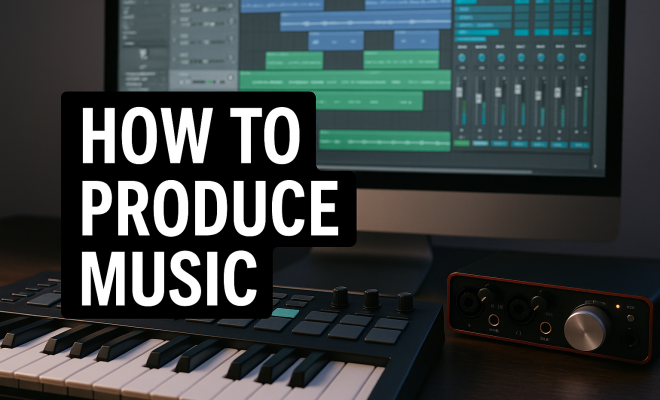
If you’re serious about diving into music production, having the right gear is essential. At a minimum, you’ll need a computer capable of running music production software, a DAW, and audio interface for high-quality sound input and output. Many beginners start with a laptop due to its portability.
Investing in a good pair of studio monitors is also recommended. Unlike regular speakers, studio monitors provide a flat frequency response, ensuring that your mixes translate well across different listening environments. Additionally, consider headphones that offer good isolation and clarity for when you’re working in noisy environments.
Finally, MIDI controllers have become indispensable tools for music producers. They allow you to play and program music with ease, providing tactile control over your software instruments and effects. Whether you choose a simple keyboard controller or a more complex pad controller, this gear will enhance your creative workflow.
Besides the basics, think about adding some additional gear to elevate your music production game. A versatile microphone is crucial if you’re planning to record vocals or instruments. Consider a condenser microphone for its sensitivity and ability to capture finer details in sound. For those looking to add warmth and character to their recordings, an audio interface with built-in preamps can make a significant difference.
Don’t overlook the importance of acoustic treatment in your workspace. Soundproofing your room can significantly improve your listening environment, allowing you to make more accurate mixing decisions. Bass traps, diffusers, and absorbing panels can effectively manage the sound in your studio, making a big difference in the quality of your productions.
3. Choosing Your DAW: Navigating the Options
The DAW you choose can significantly impact your music production experience. There are numerous options available, each with its strengths and weaknesses. For beginners, software like GarageBand offers an intuitive interface with plenty of built-in sounds and loops, making it easy to start creating music right away.
As you advance, you might consider more professional-grade DAWs like Ableton Live, which is favored by electronic music producers for its session view and real-time capabilities. Logic Pro is another popular choice, especially among Mac users, offering a robust library of sounds and plugins. Ultimately, the best DAW is the one that feels most comfortable to you, so take the time to explore different options before making a decision.
It’s also worth considering how specific DAWs cater to various genres and production styles. For instance, FL Studio is widely used in hip-hop and electronic music, thanks to its step sequencer and automation features. Cubase is known for its MIDI capabilities and is a favorite among composers for film and television. Examining these nuances can help you choose a DAW that aligns best with your musical aspirations.
4. Understanding Sound Design: Crafting Unique Audio Experiences
Sound design is a critical component of music production. It involves the creation and manipulation of audio elements to achieve a desired aesthetic or effect. This can include synthesizing new sounds from scratch, sampling existing recordings, or applying effects to manipulate audio.
Synthesizers are powerful tools in sound design, allowing you to create a wide range of sounds, from basslines to atmospheric pads. Understanding synthesis methods like subtractive, additive, and FM synthesis can help you create unique tones that set your music apart. Additionally, exploring sampling techniques can provide endless possibilities for incorporating different textures and sounds into your productions. (See: Overview of music production.)
Let’s not forget about the growing trend of field recording in sound design. Many producers now incorporate real-world sounds to create a more organic feel in their music. This could range from the sounds of nature to urban noises. By blending these field recordings with synthesized sounds, you can form a unique sonic palette that distinguishes your tracks.
Experimentation is key in sound design. Don’t hesitate to tweak parameters on your synthesizers or manipulate samples in unexpected ways. The beauty of modern production is the freedom to explore and push boundaries, so take advantage of it! Check out famous sound designers like Richard Devine or Amon Tobin for inspiration; they often share their creative processes and techniques that can ignite your own ideas.
5. Composition and Arrangement: Building Your Musical Ideas
Once you’ve laid down your foundational sounds, the next step in music production is composition and arrangement. This involves structuring your musical ideas into a cohesive piece. A common approach is to start with a core idea, such as a chord progression or a melody, and build around it.
Arranging your music involves deciding the order of sections, such as verses, choruses, and bridges. A well-arranged track will maintain listener interest by introducing variations and dynamics throughout. Consider how transitions between sections can create emotional peaks and valleys, ultimately leading to a more engaging listening experience.
Let’s take a moment to analyze successful tracks. Many hit songs follow a predictable structure (like the popular verse-chorus-verse format), but they still manage to surprise the listener. For example, look at how artists like Billie Eilish often employ unconventional song structures, which can create a sense of intrigue. This element of surprise can keep listeners engaged and make your music memorable.
Additionally, incorporating different musical elements can enhance your arrangements. Think about introducing counter-melodies or harmonies that complement your main hooks. Layering different musical lines can add depth and texture to your compositions, giving them a more professional feel.
6. The Art of Mixing: Making Your Track Shine
Mixing is the process of balancing all the individual elements of your track. It’s where your music comes to life, ensuring that every instrument and vocal sits well in the mix. A good mix will have clarity, depth, and cohesion, allowing the listener to enjoy all the details of your production.
Key aspects of mixing include EQing, compression, and reverb. EQ is used to carve out space for each sound, ensuring they don’t clash in frequency ranges. Compression helps control dynamics, providing a more polished sound. Reverb can create a sense of space, making elements feel more integrated within the overall mix. As with all skills in music production, mixing takes practice, so don’t hesitate to experiment and learn from both successes and mistakes.
Consider the use of reference tracks during the mixing process. Listening to professionally mixed songs in the same genre can provide valuable insight and guidance. Compare your mix to these references and make adjustments accordingly. It’s a great way to train your ears and develop your mixing skills over time.
Another effective practice is to take breaks during mixing. Ears can fatigue quickly, leading to poor decisions. Stepping away for a bit allows your ears to reset, providing you with a fresher perspective when you return.
7. Mastering Your Track: The Final Step to Professional Quality
Mastering is the final step in the music production process, where the mixed track is prepared for distribution. This step ensures that your music sounds its best across all playback systems. A well-mastered track will have a consistent volume level and tonal balance, making it ready for streaming or physical release.
During mastering, you’ll typically work with a stereo mix of your track, applying final EQ adjustments, compression, and limiting to achieve the desired loudness. While some producers choose to master their music themselves, many opt to hire a professional mastering engineer to ensure the highest quality. It’s worth investing in this step, as a polished final product can significantly impact how your music is received by listeners and industry professionals.
When mastering, it’s crucial to consider the playback mediums your track will be heard on. Streaming services like Spotify and Apple Music have specific loudness targets and compression styles. Tailoring your mastering process to suit these platforms can make a big difference in how your music is perceived in the streaming landscape.
Additionally, it’s important to listen to your mastered track on various playback systems, such as headphones, car speakers, and home audio systems. This can help you identify any issues that may need addressing before your final release. (See: Impact of technology on music production.)
8. Staying Relevant in a Changing Industry: Trends You Should Know
The music industry is constantly evolving, with new trends and technologies emerging regularly. Staying informed about these changes is crucial for any music producer looking to make a mark. For example, the rise of streaming platforms has shifted how music is consumed, leading producers to focus more on singles and shorter projects rather than traditional albums.
Additionally, the advent of AI in music production is something worth paying attention to. Tools powered by artificial intelligence can assist in composition, sound design, and even mixing, offering new creative possibilities. Embracing these advancements while maintaining your unique voice can help you stay relevant in an ever-competitive landscape.
Social media and platforms like TikTok have changed how music is marketed and consumed. Viral trends can propel songs to fame overnight, making it essential for producers to engage with audiences on these platforms. Understanding how to create music that resonates with current trends can enhance your visibility in the industry.
Also, consider the impact of live performances and virtual concerts. The pandemic highlighted the importance of connecting with audiences through live streams and online events. Having the ability to perform and promote your music digitally can be a game-changer in today’s music industry landscape.
9. Frequently Asked Questions About Music Production
What skills do I need to be a successful music producer?
Successful music producers generally need a strong understanding of music theory, sound design, and mixing techniques. Additionally, creativity, patience, and effective collaboration skills are essential to work well with artists and other producers.
Can I produce music with just a laptop?
Absolutely! Many successful producers create music solely on their laptops. With the right DAW and plugins, you can achieve professional-quality productions without the need for extensive hardware.
Do I need to learn music theory to produce music?
While it’s not strictly necessary, having a grasp of music theory can greatly enhance your ability to compose and arrange music. It can help you understand chord progressions, melodies, and harmonies, making your productions more sophisticated.
How important is networking in music production?
Networking plays a significant role in the music industry. Building relationships with other musicians, producers, and industry professionals can lead to collaboration opportunities, gigs, and exposure for your work.
What are the best resources for learning music production?
There are many resources available, ranging from online courses on platforms like Coursera and Udemy to YouTube tutorials. Additionally, forums like Gearslutz and Reddit can provide valuable insights and tips from fellow producers.
Is it worth investing in professional mixing and mastering?
Yes, investing in professional mixing and mastering can significantly elevate the quality of your music. A polished final product can make a difference in how it’s received by listeners and industry professionals.
10. Music Production and the Role of Collaboration: Amplifying Creativity
Collaboration is a vital aspect of music production that often leads to innovative outcomes. Working with other musicians, producers, or even visual artists can infuse fresh ideas into your projects. Whether it’s co-writing a song, sharing production duties, or brainstorming creative concepts, collaboration can expand your artistic horizons.
Consider the dynamics of famous collaborations in the music industry. Tracks like “Uptown Funk” by Mark Ronson featuring Bruno Mars showcase how blending different artistic styles can produce chart-topping hits. Both artists brought their unique strengths to the table, resulting in a song that’s not only catchy but also rich in musicality.
Collaborating doesn’t always mean working in the same physical space. With cloud-based DAWs and file-sharing services, producers can collaborate remotely. This has opened doors for artists worldwide to work together, regardless of geographical constraints. A simple email can turn into a global partnership that brings diverse influences to your sound. (See: Technology changing music creation.)
Moreover, the concept of feedback is crucial when collaborating. Getting input from others can help refine your ideas and push your music in new directions. However, it’s important to choose collaborators who share your vision and values, as differing opinions can sometimes lead to creative clashes.
11. The Financial Side of Music Production: Budgeting and Funding Your Projects
Understanding the financial aspects of music production is crucial for anyone serious about their craft. Producing music can range from low-budget home setups to high-end studio sessions, and knowing how to budget effectively can make or break your projects.
Start by identifying your essential gear and software. While it might be tempting to go for the top-of-the-line equipment, consider what you genuinely need. Many successful producers have created chart-topping hits with minimal setups. Focus on acquiring quality gear that fits your production style, and look for used equipment to save money.
Another aspect to consider is funding your projects. Crowdfunding platforms like Kickstarter or Patreon can be excellent options for artists needing financial support. Engaging with your fan base and providing them with exclusive content or experiences in return can foster a sense of community while also providing the financial backing necessary to fund your music production.
Additionally, consider applying for grants or submitting your work to competitions. Many organizations support emerging artists, and winning a grant or competition can provide not only financial support but also valuable exposure.
12. Future Trends in Music Production: What Lies Ahead
The future of music production is exciting, with numerous trends on the horizon. One noteworthy trend is the rise of virtual reality (VR) and augmented reality (AR) in the music space. VR can offer immersive experiences for listeners, allowing them to engage with music in ways that were previously unimaginable. Imagine hosting a virtual concert where fans can interact with you and your music in a fully immersive environment.
Another trend is the increased focus on sustainability within music production. As awareness of environmental issues grows, many producers are beginning to seek out sustainable practices. This can include using eco-friendly materials for physical releases, minimizing waste in studio setups, or even using renewable energy sources to power music production facilities.
On a more technical level, advancements in AI are likely to continue reshaping the landscape of music production. AI tools, which can analyze data and provide insights, help producers make informed decisions about their music. This technology could revolutionize aspects of production, from composition to mixing, allowing artists to focus more on their creativity.
Lastly, the integration of blockchain technology in music distribution may change how artists monetize their work. By using blockchain for royalty tracking and distribution, artists could gain more control over their income and ensure transparency in how their music is consumed. This could empower independent musicians by providing fairer compensation.
“`
Trending Now
Frequently Asked Questions
What are the basics of music production?
Music production involves recording, manipulating, and mixing sounds to create a finished track. It includes understanding the history of music production, essential gear, and software like DAWs, which allow for creativity and flexibility in the recording process.
What equipment do I need for music production?
To get started in music production, you'll need essential gear such as a digital audio workstation (DAW), a good microphone, audio interface, headphones, and studio monitors. This equipment will help you effectively record and produce high-quality music.
How has technology changed music production?
Technology has revolutionized music production from analog methods to digital techniques. Innovations like multitrack recording, MIDI, and software tools have made music production more accessible, allowing for greater creativity and collaboration among artists.
What is a digital audio workstation (DAW)?
A digital audio workstation (DAW) is software used for recording, editing, and producing audio files. Popular DAWs like Pro Tools, Logic Pro, and Ableton Live provide musicians with tools to manipulate sound, layer tracks, and create professional-quality music.
How can I collaborate with other musicians remotely?
With the rise of the internet, musicians can now collaborate remotely using various online platforms and DAWs. This allows artists to share audio files, work on projects together, and produce music without being in the same physical location.
Agree or disagree? Drop a comment and tell us what you think.