Weight Bias in Healthcare: A Crisis for Mental Health
“`html
The conversation surrounding weight and health has often leaned toward the assumption that a person’s weight is a direct indicator of their overall health and lifestyle choices. But what if this assumption is not only simplistic but also harmful? A recent study highlights a troubling aspect of healthcare: weight bias in healthcare settings is not just a matter of judgment; it can significantly impact patients’ mental health and eating behaviors.
The Impact of Weight Bias on Patient Care
Weight bias in healthcare refers to the negative attitudes and stereotypes that healthcare providers may hold against patients based on their weight. This bias can manifest in various ways, from subtle comments to more overt forms of discrimination. The study found that patients often experience these biases in several settings, affecting their willingness to seek care, the quality of care they receive, and their overall health outcomes.
For example, a patient with obesity may feel judged or dismissed during a routine check-up, leading them to avoid future medical appointments. This avoidance can delay important diagnoses or treatments, resulting in worsened health conditions that might have been managed or prevented with timely intervention. The implications are significant: when medical professionals allow weight bias to influence their judgment, they inadvertently contribute to a cycle of poor health outcomes.
The Emotional Toll of Weight Stigma
Beyond physical health, weight bias carries a heavy emotional burden. The study emphasizes how patients frequently internalize the stigma associated with their weight, leading to issues such as anxiety, depression, and low self-esteem. When a person is continually confronted with negative stereotypes, it can create a mental barrier that impacts not only their psychological well-being but also their relationships and daily life.
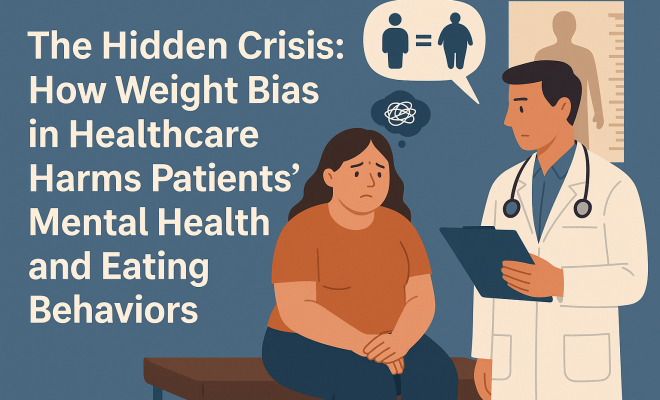
Consider the case of Sarah, a 32-year-old woman struggling with her weight. Every time she visits a healthcare provider, she feels the weight of judgment—both from the staff and from the surroundings. Instead of receiving support or understanding, she senses disdain for her body size. As a result, Sarah hesitates to discuss her health concerns, believing they’ll be dismissed as a consequence of her weight. This emotional turmoil only exacerbates her feelings of isolation, creating a vicious cycle that leaves her feeling more hopeless.
The Link Between Weight Bias and Eating Behaviors
Interestingly, the study found a direct correlation between weight bias and unhealthy eating behaviors. Patients who experience stigma related to their weight are more likely to engage in disordered eating patterns, such as binge eating or restrictive diets. This is counterintuitive: the very stigma believed to motivate healthier behaviors may, in fact, lead to detrimental choices.
When individuals feel shamed about their bodies, they may respond by turning to food for comfort or, conversely, by imposing overly restrictive diets that are unsustainable. For instance, someone feeling rejected may indulge in high-calorie foods as a source of solace, while another individual may become overly obsessed with calorie counting, leading to an unhealthy relationship with food.
Challenging the Myths of Weight and Health
One of the most troubling aspects of weight bias in healthcare is the perpetuation of myths surrounding weight and health. Many people hold the assumption that higher body weight equates to poor health outcomes, yet research shows that health can exist across a spectrum of body sizes. The study encourages a reevaluation of these long-held beliefs, prompting healthcare professionals to adopt a more holistic view of health that considers more than just weight.
For instance, a person may have a larger body size yet maintain normal cholesterol levels, be physically active, and have a healthy blood pressure. Studies indicate that focusing solely on weight can lead to overlooking critical health markers. By challenging these myths, healthcare systems can create more inclusive and supportive environments for all patients, regardless of their size.
Creating Weight-Inclusive Healthcare Spaces
So, what steps can be taken to combat weight bias in healthcare? First and foremost, it’s crucial to foster awareness and education among healthcare providers. Training programs that address implicit biases and promote empathy can make a significant difference in patient interactions. Educating staff about the complexities surrounding weight can help reduce stigma and cultivate a more supportive atmosphere. (See: CDC on obesity and health.)
Additionally, healthcare facilities should aim to create environments that are physically accommodating to all sizes. This includes providing appropriately sized medical equipment and ensuring that waiting areas and exam rooms reflect a commitment to inclusivity. Furthermore, adopting a weight-neutral approach in treatment plans can encourage patients to focus on overall wellness rather than numbers on a scale.
The Role of Advocacy and Community Support
Advocacy plays a crucial role in addressing weight bias in healthcare. Organizations that focus on body positivity and health at every size (HAES) are instrumental in challenging societal norms and pushing for systemic changes in how weight is perceived in the medical field. Community support groups can also provide valuable resources for those affected by weight stigma, offering a space for shared experiences and strategies to navigate healthcare systems.
Moreover, encouraging open discussions about weight bias can empower individuals to advocate for themselves during medical appointments. Patients who understand their rights and feel confident in their bodies are more likely to speak up against bias they may encounter, shifting the dynamics of these interactions.
The Importance of Self-Compassion
Practicing self-compassion is another vital component in combating the negative effects of weight bias. Those affected by stigma often engage in negative self-talk and harsh judgments regarding their bodies. This mindset can have detrimental effects on mental health, leading to increased anxiety and depression.
Emphasizing self-love and acceptance can help mitigate some of this damage. Strategies may include mindfulness practices, positive affirmations, and surrounding oneself with supportive communities. By focusing on self-compassion, individuals can learn to embrace their uniqueness and build resilience against societal pressures and biases.
Addressing Weight Bias in Research and Policy
To truly eradicate weight bias in healthcare, it’s imperative that research continues to explore its prevalence and impact. Policymakers must also take action by implementing guidelines that promote equitable care for all body types. This may involve revising treatment protocols to prioritize individual health over weight metrics, creating standards for weight-inclusive education in medical schools, and developing policies that hold healthcare providers accountable for biased practices.
Studies like the one discussed here are crucial in illustrating the real-life implications of weight bias, providing a foundation for future research and policy changes. By gathering data on how weight bias affects patient outcomes, advocates can push for systemic changes within healthcare institutions.
Real-World Examples of Weight Bias in Healthcare
Real-world examples can illustrate the serious nature of weight bias in healthcare. One notable case involved a woman named Kelly, who went to the emergency room for severe abdominal pain. Instead of receiving immediate care, she was told by the attending physician that her pain was likely due to her weight, and he suggested she lose a significant amount before returning for further evaluation. This not only delayed her diagnosis but resulted in a serious condition being left untreated.
In another instance, research highlighted a study where medical students were more likely to associate obesity with negative personality traits. This perception can affect how they treat patients, leading to dismissive and biased attitudes even if patients present legitimate health concerns. These examples underscore the necessity for training and awareness in the healthcare field to change the narrative and improve patient care.
Statistics on Weight Bias in Healthcare
Statistics provide a sobering look at the prevalence of weight bias in healthcare. Research shows that up to 70% of healthcare providers admit to having negative feelings about patients with obesity. Additionally, a study found that 43% of individuals with obesity reported feeling stigmatized by their healthcare providers. This is a staggering figure indicating how widespread weight bias truly is.
Furthermore, the National Institutes of Health notes that bias can lead to patients with obesity receiving less preventative care, fewer medications, and fewer referrals to specialists, which can drastically affect their overall health outcomes. These numbers highlight the urgent need for systemic change within healthcare systems to address this ongoing issue. (See: NIMH statistics on mental health.)
Frequently Asked Questions (FAQ) about Weight Bias in Healthcare
What is weight bias?
Weight bias refers to negative attitudes, beliefs, and stereotypes directed towards individuals based on their weight or body size. It can manifest in various settings, including healthcare, where patients may face stigma from providers and staff.
How does weight bias affect healthcare outcomes?
Weight bias can lead to poorer healthcare outcomes as patients may avoid seeking care due to fear of judgment or discrimination. This avoidance can delay necessary treatments and exacerbate existing health conditions.
Can weight bias be addressed in healthcare settings?
Yes, addressing weight bias requires comprehensive education for healthcare providers, implementing policies that promote inclusivity, and fostering an environment that prioritizes patient-centered care over weight metrics.
Are there any laws against weight discrimination in healthcare?
Currently, there are limited protections against weight discrimination in healthcare. Some states have laws that prohibit discrimination based on weight in various settings, but these are not universal. Advocacy for more comprehensive legal protections is ongoing.
How can patients advocate for themselves against weight bias?
Patients can advocate for themselves by being informed about their health rights, seeking out supportive healthcare providers, and speaking up when they experience bias or discrimination. Joining support groups can also empower patients to navigate their healthcare experiences more effectively.
What role does the media play in perpetuating weight bias?
The media often perpetuates stereotypes about weight through advertising, television, and social media, which can influence public perception and attitudes towards individuals of different body sizes. Challenging these narratives is essential for reducing weight bias.
New Perspectives on Weight Bias
To further understand the complexities of weight bias in healthcare, it’s essential to explore new perspectives and emerging research. Some studies point to the role of socioeconomic factors in weight bias. For instance, individuals from lower socioeconomic backgrounds often face additional scrutiny and stigma regarding their weight. This intersects with issues of access to healthcare, nutrition education, and lifestyle resources, creating compounded barriers to equitable healthcare.
For example, a 2020 report by the American Psychological Association found that individuals with lower income levels may rely more on processed foods due to cost and availability, which can lead to weight gain. When healthcare professionals address these patients, their biases may lead to incorrect assumptions about the patient’s willpower or lifestyle choices, further perpetuating the cycle of discrimination.
Strategies for Healthcare Professionals to Mitigate Bias
Healthcare professionals play a crucial role in mitigating weight bias. Implementing structured interviews that focus on health behaviors rather than weight can encourage a more holistic approach to patient care. By employing open-ended questions that invite patients to share their health journeys, providers can build rapport and trust.
Additionally, integrating motivational interviewing techniques can help providers navigate sensitive conversations about weight and health. This approach encourages patients to explore their own motivations for health-related changes, rather than prescribing a one-size-fits-all solution based solely on weight. Training in these techniques can foster better communication and ultimately improve patient outcomes. (See: AP News on healthcare bias.)
Broader Impacts of Weight Bias on Public Health
The implications of weight bias extend beyond individual patient encounters; they can affect public health initiatives as well. When healthcare providers hold biases, it can skew the effectiveness of public health campaigns aimed at obesity prevention and health promotion. For instance, campaigns that focus solely on weight loss rather than healthful living can alienate individuals who already feel stigmatized, leading to disengagement from useful health resources.
A public health approach that emphasizes inclusive messaging and celebrates diverse body types can help mitigate the negative impacts of weight stigma. For example, campaigns that promote active living, balanced nutrition, and mental health support—regardless of body size—can encourage broader participation and improve overall community health.
Looking Ahead: The Future of Weight Bias in Healthcare
The future of addressing weight bias in healthcare looks optimistic yet challenging. As awareness grows, more healthcare organizations are recognizing the need for comprehensive training and policy changes. This movement towards inclusivity in healthcare is gaining momentum, particularly as patient advocacy groups continue to push for systemic reform.
In the coming years, there will likely be a greater emphasis on research aimed at understanding the nuances of weight bias and its effects on health. This research will be critical for developing evidence-based practices and guidelines that prioritize patient well-being over societal biases related to weight.
As technology advances, utilizing telehealth services may also provide an avenue to reduce bias. Virtual consultations can create a more neutral environment, allowing patients to engage with healthcare providers without the immediate judgment of physical appearance. While this does not eliminate bias, it may help diminish its impact in certain situations.
Conclusion: A Call to Action
Weight bias in healthcare is a critical issue that not only affects individuals’ physical health but also their emotional and mental well-being. The insights from recent studies should serve as a wake-up call for healthcare providers, policymakers, and individuals alike. By challenging misconceptions about weight, advocating for inclusive practices, and promoting self-compassion, we can foster a more equitable healthcare environment for everyone.
As you reflect on your own experiences or observations, consider how you can contribute to this important conversation. Whether it’s speaking out against bias, supporting advocacy efforts, or simply being a champion of body positivity, every action counts in the fight against weight bias in healthcare.
“`
Trending Now
Frequently Asked Questions
How does weight bias in healthcare affect patients?
Weight bias in healthcare leads to negative attitudes and stereotypes from providers, impacting patients' willingness to seek care, the quality of treatment received, and overall health outcomes. This bias can result in delayed diagnoses and treatments, exacerbating health issues.
What are the emotional effects of weight stigma?
Weight stigma can cause significant emotional distress, including anxiety, depression, and low self-esteem. Patients often internalize negative stereotypes, which can hinder their psychological well-being and affect their daily lives and relationships.
Why is weight bias a problem in medical settings?
Weight bias in medical settings is problematic because it leads to discrimination, which can discourage patients from seeking necessary care. This bias can perpetuate a cycle of poor health outcomes and prevent effective treatment for conditions that are often overlooked.
How can weight bias impact mental health?
Weight bias can severely impact mental health by fostering feelings of shame and inadequacy. Patients may experience heightened anxiety and depression as a result of being judged based on their weight, which can complicate their overall health and wellness.
What can be done to reduce weight bias in healthcare?
To reduce weight bias in healthcare, providers can undergo training to recognize their biases, adopt a more holistic view of health that goes beyond weight, and foster a supportive environment that encourages open communication and understanding with all patients.
Have you experienced this yourself? We’d love to hear your story in the comments.