The Troubling Truth: Is AI Worsening Mental Health in the UK?
“`html
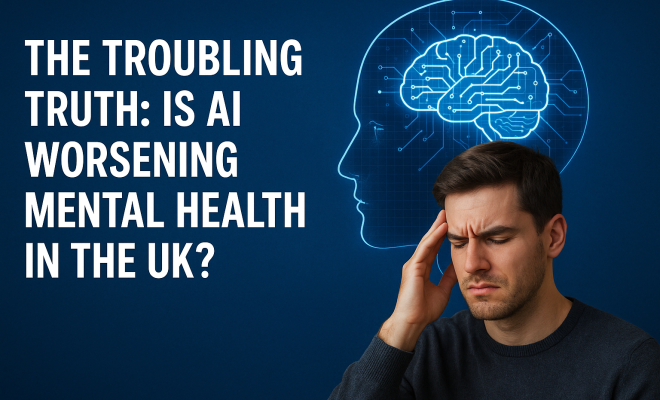
As technology rapidly evolves, the discussion around its implications for mental health has taken center stage. Particularly in the UK, AI mental health impact is a growing concern among experts, policymakers, and the general public alike. The recent piece from The BMJ highlights a critical question: will artificial intelligence tools ultimately do more harm than good to our mental well-being?
The Rise of AI in Mental Health Support
In recent years, AI has been integrated into various aspects of mental health care, from chatbots offering therapy-like conversations to algorithms that analyze user data for personalized mental health recommendations. Companies have touted these technologies as ways to make mental health support more accessible and cost-effective. However, as adoption rates climb, so do concerns about the implications of relying on machines for emotional guidance.
The rise of AI has certainly made mental health resources more available. Apps like Woebot and Wysa promise users instant access to support, often emphasizing their user-friendly interfaces. With the UK experiencing a surge in mental health issues—particularly among younger populations—the appeal of such technologies is undeniable. Yet, while these tools may provide a quick fix, what are the long-term effects on users’ coping mechanisms and emotional resilience?
Altering Our Emotional Responses
One of the principal concerns surrounding AI in mental health is its potential to alter how we experience and respond to our emotions. As noted in The BMJ’s article, overreliance on AI could foster a more passive relationship with our feelings. Instead of engaging directly with challenging emotions, individuals may turn to AI as a substitute for genuine human interaction. This shift could lead to a decrease in emotional intelligence, making it harder for individuals to navigate their feelings without a digital buffer.
Consider how children and young adults, who are still developing their emotional frameworks, might be particularly vulnerable. If they learn to manage their emotions through AI interactions rather than genuine human contact, they may struggle with real-life situations that require deep emotional engagement. This could lead to a generation that finds it increasingly difficult to cope with the complexities of life.
The Skills We Risk Losing
As we become more accustomed to seeking help from AI, we risk losing essential skills such as sustained attention and persistence in problem-solving. These cognitive abilities are crucial not only for personal growth but also for healthy interpersonal relationships. When individuals consistently rely on AI tools, they may find themselves less equipped to tackle problems that require patience and critical thinking.
A 2021 study published in The Lancet found that children who frequently engaged with screens were less likely to exhibit strong problem-solving skills. This suggests that the reliance on digital mediums—like AI for mental health—might stifle the same skills needed for effective emotional regulation and resilience. The potential long-term impacts on societal well-being could be staggering.
AI and the Quest for Authentic Connection
At the heart of mental health support is the need for authentic connection. While AI can simulate conversation, it lacks the empathy and understanding that come from human interactions. Studies have shown that genuine human connection is vital for emotional healing and well-being. When users opt for AI solutions over human therapists, they miss out on the nuanced understanding and support that only a human can offer.
This raises a significant question: how can we ensure that AI tools complement rather than replace meaningful human interactions? The challenge lies in balancing the convenience of AI with the irreplaceable value of human empathy. Mental health professionals argue for a hybrid approach—utilizing AI for initial assessments or supplementary resources while emphasizing the importance of traditional therapeutic relationships.
The Importance of Emotional Intelligence
Emotional intelligence (EI) is a vital skill that enables individuals to navigate their feelings and the emotions of others. It plays a crucial role in mental health, determining how well one can manage stress, make decisions, and maintain healthy relationships. The emergence of AI tools in mental health support raises concerns about diminishing emotional intelligence among users. (See: WHO on mental health response.)
As people increasingly turn to AI for emotional guidance, they may inadvertently reduce their ability to understand and manage their emotions. A 2019 study conducted by psychologists at the University of Exeter found that reliance on digital forms of communication can often lead to poorer emotional intelligence. The concern is that as AI takes on more of the burdens of emotional labor, users may struggle to develop and refine their own EI skills.
The Role of Education and Awareness
Given the potential drawbacks of AI in mental health, there’s an urgent need for education and awareness around its limitations. Schools, families, and mental health organizations must work together to teach young people about emotional regulation, resilience, and the role of technology in their lives. Understanding the benefits and limitations of AI can help foster a more balanced approach to mental health management.
Educational campaigns could emphasize the importance of human connection while also providing practical advice on how to use AI responsibly. Workshops, seminars, and open discussions can create a dialogue about mental health and technology, giving individuals the tools they need to navigate their emotional landscapes.
Creating Boundaries with Technology
As with any tool, establishing boundaries is essential for maintaining a healthy relationship with AI in mental health contexts. This might involve setting specific times to engage with mental health apps or committing to daily practices that foster genuine human connections. Understanding when to turn to AI and when to seek support from friends, family, or professionals is key.
Practicing mindfulness can serve as a useful technique for creating these boundaries. By remaining aware of one’s emotional state and recognizing when reliance on technology becomes excessive, individuals can take proactive steps to engage more meaningfully with their feelings and relationships. Techniques like journaling, meditation, or simply spending time in nature can all serve as valuable supplements to AI tools.
The Future of AI and Mental Health
The future of AI in mental health remains uncertain. While the technology has the potential to enhance accessibility and provide immediate support, it also poses risks that could undermine emotional well-being. It’s incumbent upon society—developers, mental health professionals, and users alike—to engage in critical discussions about how to harness AI’s capabilities responsibly.
As discussions around mental health continue to evolve, the collective focus should remain on the individual’s emotional experience. For AI to be a genuine asset in mental health, it must be framed within the context of human connection and emotional intelligence. Practitioners and developers have a responsibility to ensure that AI serves as a tool for empowerment rather than a crutch that fosters dependency.
AI Mental Health Impact: Statistics and Trends
Recent statistics reveal a growing trend in the use of AI tools for mental health support in the UK. According to a survey by the Mental Health Foundation, approximately 30% of adults in the UK have used a mental health app, with usage significantly higher among younger demographics. This indicates a shift towards digital solutions, yet also highlights the importance of understanding the implications of this trend.
Furthermore, a report by the Office for National Statistics noted that mental health issues among young people have risen sharply, with 1 in 6 experiencing a mental health problem. This rise correlates with increased screen time and reliance on digital tools for support. As we analyze these trends, it’s clear that while AI has the power to provide immediate help, it also demands careful consideration regarding its long-term impact on mental health.
Expert Perspectives on AI and Mental Health
Experts in psychology and technology provide valuable insights into the implications of AI in mental health. Dr. Sarah Jones, a clinical psychologist, emphasizes the need for a balanced approach. “AI can certainly augment mental health services, but it must not replace the crucial human element,” she states. Her perspective reflects a growing consensus among professionals that while AI tools can offer preliminary support, they should always be coupled with human oversight.
Dr. Michael Roberts, a mental health researcher, posits that understanding the user’s relationship with AI is vital. “We need to understand if these tools are truly empowering or if they create dependencies that hinder development of personal coping strategies,” he explains. This highlights the importance of continuous research into the psychological effects of AI-assisted therapy.
Comparing AI Solutions with Traditional Therapy
When comparing AI solutions with traditional therapy, several key differences emerge. Traditional therapy, often involving face-to-face interactions with licensed professionals, provides a space for patients to express complex emotions and receive tailored feedback. In contrast, AI tools can provide convenience and anonymity but often lack the nuance and understanding that human therapists can offer.
For instance, a study published in The Journal of Mental Health found that patients who engaged in traditional therapy reported higher levels of satisfaction and effectiveness in managing anxiety compared to those who used AI tools. While AI can serve as a complementary resource, it’s essential to recognize that it cannot replicate the deep emotional connection fostered in human interactions.
FAQ: Understanding AI Mental Health Impact UK
What are the main benefits of AI in mental health?
AI tools can provide immediate access to mental health resources, help reduce the stigma associated with seeking help, and offer personalized recommendations based on user data. They can also complement traditional therapy by assisting with routine check-ins or self-assessment.
Are there risks associated with using AI for mental health support?
Yes, there are several risks. Overreliance on AI can diminish emotional intelligence and coping skills, lead to dependence on technology for emotional support, and create barriers to accessing traditional therapy. It’s crucial to maintain a balance between AI and human interactions.
How can users ensure that they are using AI tools responsibly?
Users should set boundaries around their usage, remain mindful of their emotional states, and engage in regular human interactions. Augmenting AI use with traditional therapeutic practices can also help maintain emotional intelligence and resilience.
Is AI capable of replacing human therapists in the future?
While AI can provide valuable assistance and support, it is unlikely to fully replace human therapists. The emotional insights and empathy offered by human professionals are irreplaceable, and many experts advocate for a hybrid approach that combines both AI and traditional therapy methods.
Insights from Recent Research on AI Mental Health Impact
Research is evolving rapidly, especially as AI tools become more commonplace. A study conducted by the University College London found that 55% of participants felt more comfortable discussing their mental health with an AI tool than a human therapist. This points to a significant shift in how younger generations perceive and engage with mental health resources.
However, the same study also revealed that 67% of these participants believed that AI could not fully understand their emotional complexities. This disparity highlights the critical need for a balance—while AI can serve as an entry point for individuals seeking help, the nuances of human emotion require a depth of understanding that AI cannot provide.
Addressing Privacy Concerns
One notable issue that often arises with AI mental health tools is the concern over privacy and data security. Many users are hesitant to share sensitive information with AI applications, fearing that their data might be mishandled or misused. A survey by the Information Commissioner’s Office (ICO) noted that 45% of individuals felt uncomfortable disclosing personal information to mental health apps, primarily due to concerns about data security.
In response, developers must prioritize transparency in their data handling practices. Clear communication about how data is used, stored, and protected can help alleviate some of these concerns. Furthermore, incorporating robust security measures is essential for fostering trust between users and AI mental health tools.
The Role of Policymakers in AI Mental Health Regulation
As AI technologies continue to permeate mental health support, there’s an increasing need for regulatory frameworks. Policymakers in the UK are beginning to recognize the importance of establishing guidelines that govern the use of AI in healthcare. The National Health Service (NHS) has initiated discussions around the ethical implications of AI, focusing on the need for regulations that protect users while promoting innovation.
Regulatory bodies should ensure that AI applications adhere to rigorous standards for efficacy and safety. Independent audits of AI tools can help guarantee that they provide reliable support and do not inadvertently harm users. These efforts will be crucial in shaping the future landscape of AI in mental health, ensuring it complements traditional practices rather than undermining them.
The Path Forward: Integrating AI Responsibly
The integration of AI into mental health care presents both opportunities and challenges. A collaborative approach that involves mental health professionals, technologists, and users will be essential for fostering an environment where AI can be used ethically and effectively. Training healthcare providers to understand and utilize AI tools can help bridge the gap between technology and human-centered care.
Additionally, ongoing research into the long-term effects of AI on mental health will be vital. By continuously evaluating the impact of these tools, stakeholders can adapt and refine practices to align with the evolving needs of users. Ultimately, the goal should be to create a supportive ecosystem that empowers individuals to take charge of their mental health while maintaining a strong emphasis on human connection.
Conclusion: Balancing Technology and Human Connection
The discourse surrounding the AI mental health impact in the UK highlights an essential tension between technological advancement and emotional well-being. As we plunge deeper into the digital age, the challenge lies in harnessing the benefits of AI while safeguarding against its potential downsides. It’s crucial to remember that while AI can offer support, it cannot replace the need for human connection, empathy, or emotional resilience.
Ultimately, the goal should be to create an environment where technology complements our emotional lives, empowering us to face challenges with strength and authenticity rather than fostering passivity. As we navigate this complex landscape, a thoughtful approach to AI in mental health may hold the key to a healthier, more connected future.
“`
Trending Now
Frequently Asked Questions
Is AI negatively impacting mental health in the UK?
Yes, there are growing concerns that AI may negatively impact mental health in the UK by fostering a reliance on technology for emotional support, potentially diminishing emotional intelligence and coping mechanisms.
How is AI being used in mental health support?
AI is used in mental health support through various applications, such as chatbots that provide therapy-like conversations and algorithms that offer personalized mental health recommendations, making resources more accessible.
What are the risks of using AI for emotional guidance?
The risks include fostering a passive relationship with emotions, reducing emotional intelligence, and making it harder for individuals to manage feelings independently without relying on technology.
Can AI tools replace human interaction in mental health care?
While AI tools can offer immediate support, they cannot fully replace human interaction, which is crucial for genuine emotional engagement and developing coping strategies.
Are AI mental health apps effective for young people?
AI mental health apps may provide quick support for young people, but concerns exist about the long-term effects on their emotional resilience and ability to cope without digital assistance.
What’s your take on this? Share your thoughts in the comments below — we read every one.