Teens & AI: Navigating Mental Health Advice in 2024
“`html
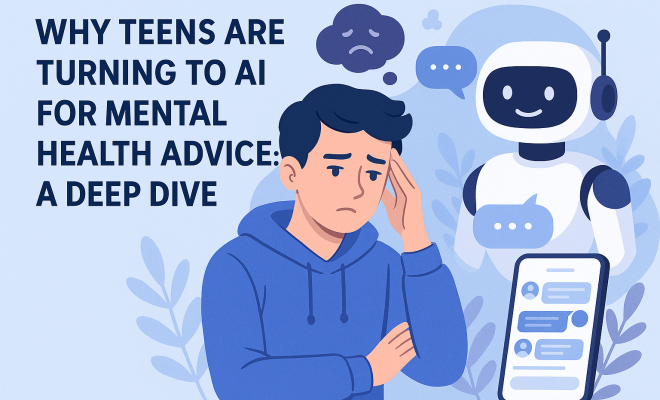
As the digital landscape continues to evolve, so do the ways in which we seek help—particularly regarding mental health. A stunning trend has emerged: an increasing number of teens and young adults are turning to AI chatbots for mental health advice. This phenomenon has ignited conversations about the implications of relying on artificial intelligence for guidance on sensitive issues such as anxiety, depression, and even suicidal thoughts. With this change comes a pressing need to understand the motivations behind these choices and the potential risks involved.
The Rise of AI in Mental Health Support
In recent years, mental health awareness has grown tremendously, leading to a greater demand for accessible support. Traditional therapy options may not always be feasible due to factors such as cost, stigma, or lack of availability, especially among younger demographics. Consequently, many young people are exploring alternative avenues for assistance, with AI chatbots emerging as a notable option. These chatbots provide anonymity and immediate responses, making them appealing to users hesitant to reach out to a human therapist.
Understanding the Appeal of AI Chatbots
One of the primary reasons teens are gravitating towards AI chatbots for mental health advice is their accessibility. Chatbots are available 24/7, allowing users to engage whenever they feel the need—be it during the day or late at night. This immediacy can be particularly important for someone experiencing a mental health crisis.
Moreover, the perceived anonymity of chatting with a bot can alleviate fears of judgment or stigma. For many young people, discussing personal feelings can be daunting, and the idea of opening up to a stranger—be it a therapist or a friend—can be overwhelming. AI chatbots eliminate that barrier, providing a safe space for users to express their thoughts and feelings.
How AI Chatbots Work
AI chatbots designed for mental health support typically utilize machine learning algorithms and natural language processing to interact with users. They analyze user input and generate responses based on a combination of pre-programmed scripts and learned data. Some chatbots are even equipped with empathetic responses designed to simulate human-like interactions.
While these AI systems can provide valuable information and coping strategies, it’s crucial to understand their limitations. Currently, chatbots cannot replace professional therapy. They lack the emotional intelligence and nuanced understanding that trained mental health professionals bring to the table. Instead, they serve as a starting point for users seeking support.
The Risks Involved
Despite the convenience and appeal of AI chatbots, there are significant risks associated with relying on them for mental health advice. For one, the accuracy of the information provided can vary, and the responses may not always be appropriate for the user’s specific situation. This is particularly concerning when dealing with issues like suicidal thoughts or severe anxiety, where incorrect responses can lead to harmful outcomes.
Moreover, the algorithms behind these chatbots are not infallible. They can perpetuate biases present in the training data, leading to unintentional harm. Users might receive inadequate advice or information that is not applicable to their cultural or personal context.
Parental Concerns
For parents, the thought of their children seeking AI chatbots mental health advice can be alarming. Many parents worry that their children may not be receiving adequate support or guidance when communicating with a machine rather than a trained professional. There’s a fear that teens might miss important emotional nuances that only a human can provide or that they may overlook a more comprehensive support system available to them.
It’s essential for parents to engage in open conversations with their children regarding mental health and the tools they’re utilizing to navigate their feelings. Understanding why teens are turning to chatbots can provide valuable insights into their emotional wellbeing and highlight areas where additional support may be necessary.
The Role of Educators
Educators are also in a unique position to influence how young people approach mental health. Schools can play a pivotal role in educating students about the use of AI tools and the importance of seeking professional help. Providing workshops or sessions on mental health literacy can empower students to recognize when they need assistance and how to access appropriate resources. (See: CDC Mental Health Resources.)
Additionally, educators can facilitate discussions that demystify mental health issues, helping to reduce stigma and promote a culture where seeking help is encouraged. By collaborating with mental health professionals, schools can create a more supportive environment for students.
AI Chatbots in the Context of Professional Help
While AI chatbots may not replace traditional therapy, they can complement professional help in various ways. Some mental health professionals are integrating chatbot technology into their practices, using them as tools to provide preliminary guidance or support between sessions. This approach can enhance the therapeutic relationship by allowing clients to express their feelings in real time when they might not have immediate access to their therapist.
Furthermore, chatbots can help individuals track their moods and thoughts, providing valuable data for therapists to analyze and discuss during sessions. When used judiciously, AI chatbots can serve as an additional resource rather than a replacement.
Success Stories and Positive Outcomes
Despite the concerns surrounding AI chatbots, there are some encouraging success stories. Many users report feeling more comfortable discussing their mental health challenges with a chatbot than with a person. This comfort can lead to increased self-awareness and a willingness to seek further help when needed.
One notable example is Woebot, a chatbot designed to support users with mental health issues. Research has shown that users who interacted with Woebot reported lower levels of distress and improved mental health outcomes. Such evidence showcases the potential of AI bots to serve as supplemental aids in mental health care.
Moving Forward: Best Practices for Users
As AI chatbots become more integrated into the mental health landscape, users should approach them with caution and awareness. Here are some best practices to consider:
- Use as a supplement: View AI chatbots as a supplementary tool rather than a primary source of support.
- Seek professional help: If you’re experiencing severe mental health challenges, prioritize seeking help from a qualified professional.
- Stay informed: Educate yourself about the limitations and risks associated with AI chatbots.
- Communicate: Openly discuss your mental health journey with trusted friends and family members.
The Future of Mental Health Support
The intersection of technology and mental health is still relatively new, and ongoing research will help shape the future of AI chatbots in this space. As AI technology continues to advance, it’s likely that these tools will become more sophisticated and better equipped to meet the needs of users.
However, it’s crucial to maintain a focus on safety and efficacy. As we explore the potential of AI chatbots for mental health advice, developers must prioritize ethical considerations and work to minimize biases in their algorithms. The goal should always be to enhance, not replace, the critical human element in mental health care.
Common Misconceptions About AI Chatbots
Despite their growing popularity, several misconceptions about AI chatbots for mental health exist. Here are a few that are important to address:
- Chatbots are a replacement for therapy: Many users mistakenly believe that chatbots can substitute for professional mental health support. While they can offer guidance, they cannot provide the depth of interaction that a trained therapist offers.
- All chatbots are the same: There is a wide variety of chatbots, each with different capabilities and approaches. Some focus on cognitive behavioral therapy principles, while others may offer general advice or mindfulness techniques.
- Chatbots can read minds: Some users think these bots can understand their feelings without context. In reality, they rely on user input and may misinterpret emotions based on limited information.
The Ethical Implications of AI Chatbots
The rise of AI chatbots also carries ethical implications that need attention. As these tools become more common, developers face the responsibility of ensuring that they provide safe, reliable, and unbiased support. Transparency in how chatbots work and the data they collect is crucial. Users should understand the limitations and potential biases embedded in the AI’s programming.
Additionally, there are concerns about data privacy. Users share sensitive information, which raises questions about how this data is stored and used. Developers need to implement robust security measures to protect user privacy and comply with regulations.
Statistics and Research on AI Chatbots in Mental Health
Recent studies have highlighted the effectiveness of AI chatbots in providing mental health support. According to a report by the World Health Organization, nearly 1 in 5 young people experience mental health issues, yet many do not receive the help they need. AI chatbots can bridge this gap by providing accessible resources.
Research published in the journal JMIR Mental Health showed that users of AI-driven mental health applications reported a 20% reduction in symptoms of anxiety and depression over a three-month period. Another study found that 70% of participants felt that using a chatbot made them more comfortable discussing their mental health challenges. (See: NIMH Statistics on Mental Illness.)
Comparing AI Chatbots to Traditional Therapy
When considering mental health support options, it’s essential to compare AI chatbots with traditional therapy methods. Each has its strengths and weaknesses:
| Aspect | AI Chatbots | Traditional Therapy |
|---|---|---|
| Accessibility | Available 24/7, accessible from anywhere | Dependent on appointment schedules and location |
| Cost | Often free or low-cost | Can be expensive, depending on insurance coverage |
| Personalization | Limited personalization based on programmed responses | Highly personalized based on individual needs and history |
| Emotional Intelligence | Lacks true empathy and understanding | Provides nuanced emotional support and therapeutic techniques |
| Privacy | Can offer anonymity, but privacy concerns exist | Confidentiality is a standard practice |
Frequently Asked Questions (FAQ)
1. Can AI chatbots really help with serious mental health issues?
AI chatbots can provide support and coping strategies for a variety of mental health challenges but are not equipped to handle serious issues like severe depression or suicidal thoughts. It’s crucial to seek professional help in these cases.
2. How do I choose the right chatbot for my needs?
Research different options available, read user reviews, and consider what type of support you’re looking for. Some chatbots specialize in specific areas, such as anxiety or mood tracking, while others offer broader support.
3. Are my conversations with chatbots confidential?
While many chatbots emphasize user privacy, it’s essential to read the privacy policy and understand how your data will be used and stored. Some may collect data for training purposes.
4. Can I rely on AI chatbots for long-term support?
AI chatbots can be helpful for immediate support or as a supplement to ongoing therapy, but they shouldn’t be your only source of mental health care. Building a relationship with a qualified therapist is vital for long-term mental wellness.
5. What should I do if a chatbot gives me bad advice?
If you receive advice from a chatbot that feels wrong or unhelpful, don’t hesitate to seek guidance from a mental health professional. Always trust your instincts when it comes to your well-being.
The Role of Community and Support Networks
Another critical aspect of mental health support is the role of community and peer networks. Friends, family, and support groups can provide valuable emotional support and understanding. Engaging with others who have similar experiences can help reduce feelings of isolation and foster a sense of belonging.
Combining the resources of AI chatbots with the human connection found in community support creates a more holistic approach to mental health care. It allows users to explore their feelings through technology while still having access to the emotional depth of human relationships.
Integrating AI Chatbots with Existing Resources
To maximize the benefits of AI chatbots, it’s essential to integrate them with existing mental health resources and services. For instance, schools, community centers, and healthcare providers can work together to ensure that individuals have access to both AI support and human professionals. This synergy can create a more comprehensive mental health framework, addressing diverse needs effectively.
Additionally, AI chatbots can serve as a bridge to traditional therapy by guiding users toward local resources and services. For instance, if a chatbot detects that a user is experiencing severe symptoms, it can suggest nearby therapists, hotlines, or community support groups. This can empower users by providing actionable steps for seeking additional help.
The Importance of Continuing Research
The field of AI in mental health is rapidly evolving, and ongoing research will only enhance the understanding of how these chatbots can be effectively utilized. Researchers are continuously evaluating their impact on mental health outcomes, user satisfaction, and the potential for ethical dilemmas. This research is crucial for improving the technology and ensuring it aligns with best practices in mental health care. (See: AP News on AI and Mental Health.)
Future studies might explore specific demographics and their interactions with AI chatbots or investigate the long-term effects of using these technologies as a mental health resource. By collecting data and user feedback, developers can refine existing chatbots and create new ones tailored to the needs of various populations.
Expanding the Chatbot Experience with Human Interaction
Another innovative approach is blending chatbot services with human interaction. Some platforms are exploring hybrid models that allow users to transition from chatting with an AI to connecting with a trained therapist seamlessly. This model provides the anonymity and comfort of AI support while ensuring that users can eventually access professional advice when needed.
This approach addresses some of the limitations of AI chatbots, such as the lack of emotional nuance and real-time crisis intervention. For example, if a user confides in a chatbot about feeling suicidal, a hybrid system could automatically escalate this concern to a human therapist who can intervene appropriately. This model has the potential to save lives by providing immediate, appropriate support.
Building Trust in AI Chatbots
Building trust in AI chatbots is essential for their effectiveness. Users must feel confident that these tools can provide relevant, sensitive, and safe advice. Developers can foster this trust by emphasizing transparency. Clear communication about how the chatbot works, its limitations, and how user data is handled can help users feel more comfortable seeking advice.
Providing testimonials and research backing the effectiveness of a chatbot can also enhance trust. Users who see real-world success stories are more likely to engage with these tools, viewing them as credible resources. Furthermore, involving mental health professionals in the design and development process can help create a more effective and trustworthy product.
The Shift Towards Preventative Mental Health
The emergence of AI chatbots in mental health care also signals a shift toward preventative approaches. By providing users with immediate access to coping strategies, mindfulness exercises, and stress-relief techniques, chatbots can encourage proactive mental health management.
This shift is particularly important for younger demographics who may be more comfortable using technology than traditional support methods. Encouraging healthy mental health practices early on can lead to better outcomes in the long run. Users can learn valuable skills for managing their mental health before issues escalate, potentially decreasing the overall demand for more intensive interventions later.
Ultimately, the shift toward AI chatbots represents a broader cultural change in how we view mental health and seek support. As we navigate this evolving landscape, it’s vital to stay informed, engage in open discussions, and advocate for responsible use of technology in mental health care.
“`
Trending Now
- Why Google’s AI Search Shift Could Devastate Your Website Traffic
- How Google Sponsored Shops Are Revolutionizing…
- this guide on why the 48-hour economy is igniting conversations and trends right now
- this guide on how apple and google are shaping the future of web monitoring
- Record-Breaking Searches for ‘Bitcoin to Zero’ — Is a Crash Imminent?
Frequently Asked Questions
Why are teens using AI for mental health advice?
Teens are turning to AI for mental health advice due to its accessibility, anonymity, and immediate responses. AI chatbots are available 24/7, making them a convenient option for those who may feel uncomfortable seeking help from traditional therapists.
What are the benefits of AI chatbots for mental health?
AI chatbots offer benefits such as anonymity, immediate support, and the ability to engage at any time. They help reduce the stigma associated with seeking help and provide a safe space for teens to express their feelings without fear of judgment.
Are AI chatbots effective for mental health support?
While AI chatbots can provide immediate assistance and support, they are not a replacement for professional therapy. Their effectiveness varies by individual needs, and they should be used as a supplementary resource alongside traditional mental health care.
What risks are associated with using AI for mental health?
The main risks of using AI for mental health include the potential for misdiagnosis, lack of personalized care, and over-reliance on technology for serious issues. It's essential for users to recognize when professional help is needed.
How do AI chatbots for mental health work?
AI chatbots for mental health operate using algorithms that respond to user inputs. They are designed to provide information, coping strategies, and emotional support based on the user's queries, often utilizing natural language processing to understand and engage in conversation.
What did we miss? Let us know in the comments and join the conversation.