Florida’s Housing Market Crisis: The Worst in the U.S. by 2026
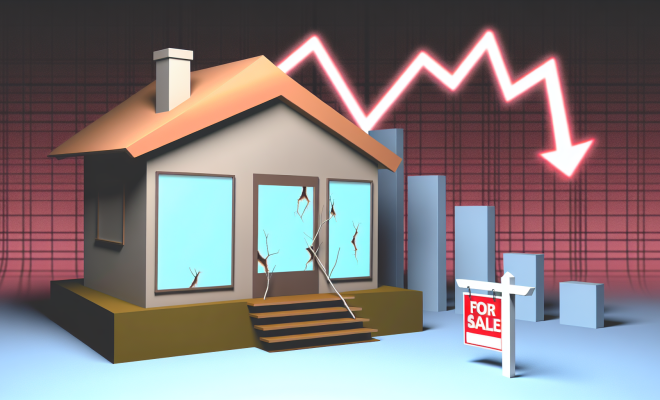
The state of Florida, once synonymous with sunny beaches and booming real estate, has now found itself at the bottom of the housing market rankings in the United States. As we approach 2026, major cities in Florida are grappling with a severe housing crisis that has led to significant declines in property values and a glut of new home inventory. With supply dramatically outpacing demand, Florida’s housing market is facing challenges that are leaving both buyers and property owners feeling trapped.
Excessive New Home Inventory
One of the primary contributors to Florida’s deteriorating housing market is the relentless pace of new construction. Builders have been actively developing housing in response to previous demand, but the current situation has resulted in an overabundance of new homes. This excessive inventory is devaluing existing properties, causing prices to drop significantly.
Many prospective buyers are drawn to the prospect of brand-new homes, often enticed by low Homeowners Association (HOA) fees and various incentives. However, the influx of new homes has led to a saturation of the market, ultimately driving down property values across the board.
Price Declines: A Bitter Reality
Reports indicate that home prices in Florida could drop by as much as 10-15% in the coming years. This decline is troubling for recent purchasers who may find themselves underwater on their mortgages as their property’s value decreases below the amount they owe. The lack of a coherent strategy to halt construction only exacerbates the issue, leaving many buyers feeling increasingly disillusioned with their investments.
Comparative Analysis with Other Regions
In stark contrast to Florida, many cities in the Midwest and Northeast are faring significantly better in terms of their housing markets. While these regions are not immune to economic fluctuations, their housing markets have shown resilience and stability. Buyers in these areas are experiencing a more balanced relationship between supply and demand, which is helping to maintain property values.
Florida’s economic collapse serves as a cautionary tale, highlighting the critical importance of maintaining a sustainable balance in real estate development. The correlation between supply and prices has failed in Florida, leading to a perfect storm of declining values and increasing inventory.
Challenges for Buyers and Homeowners
The implications of Florida’s housing crisis extend beyond just price drops. Many buyers and homeowners are facing formidable challenges:
- Negative Equity: Homeowners who recently purchased properties may find themselves in a precarious situation where their homes are worth less than what they paid.
- Stagnant Job Growth: The economic landscape in Florida is changing, and stagnant job growth could further reduce demand for housing.
- Increased Foreclosures: As home values decline, the risk of foreclosures may rise, further destabilizing the market.
Looking Ahead: What Can Be Done?
Addressing Florida’s housing crisis will require a multifaceted approach that includes:
- Regulated Construction: Implementing stricter regulations on new construction could help stabilize the market by controlling inventory levels.
- Incentives for Existing Home Sales: Encouraging buyers to consider existing homes through financial incentives could help re-balance the market.
- Economic Diversification: Fostering job growth in various sectors can create a more stable economic foundation that supports housing demand.
Conclusion
The current state of Florida’s housing market serves as a stark reminder of the complexities involved in real estate. While the state has long been a desirable destination for homebuyers, the ongoing housing crisis has now positioned it as the worst real estate market in the nation. With excessive new home inventory and a disconnect between supply and demand, Florida’s cities face significant challenges ahead. Buyers and homeowners alike are left wondering how to navigate this uncertain terrain, as the road to recovery appears long and fraught with obstacles.