UAE Confronts Missile Threats Amid Rising Gulf Tensions (2026)
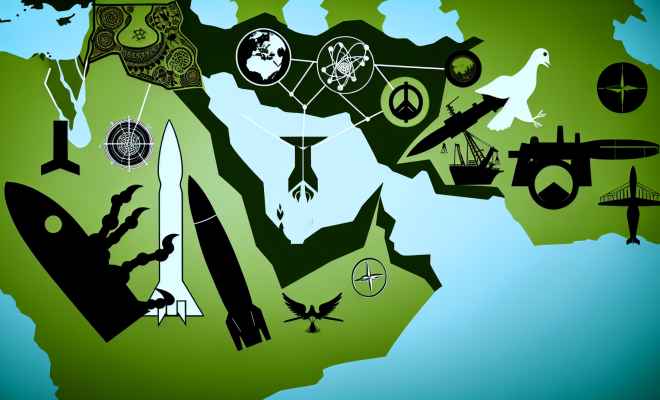
On March 28, 2026, the United Arab Emirates (UAE) found itself in the crosshairs of escalating regional tensions as it responded to multiple missile and drone threats targeting its territory. These threats resulted in significant damage and injury, highlighting the fragile security situation in the Gulf region.
Incidents in Abu Dhabi
Abu Dhabi, the capital of the UAE, faced a particularly challenging day as it battled two separate fires ignited by debris from missile attacks. The aftermath of these incidents led to injuries for five individuals, raising concerns over civilian safety and the potential for further escalation. The UAE’s military and emergency services were swiftly mobilized to contain the fires and ensure public safety.
Response from UAE Authorities
The UAE’s response to the missile threats was swift and multifaceted. Authorities confirmed that they were actively monitoring the situation and coordinated efforts to safeguard critical infrastructure. The military deployed advanced defense systems to intercept incoming threats, showcasing the country’s commitment to protecting its airspace and citizens.
Regional Context: The Broader Implications
The missile threats against the UAE are part of a larger pattern of aggression in the Gulf region, with Iran being a focal point of concern. The Iranian government has been accused of supporting various militant groups capable of launching such attacks, further complicating diplomatic relations in the area. As tensions rise, the potential for conflict increases, prompting neighboring countries to bolster their defense strategies.
Bahrain’s Recent Incident
On the same day, Bahrain reported a distinct yet related incident involving an Iranian attack that resulted in a fire at a local facility. The Bahraini Ministry of Interior confirmed that the situation was contained without any reported casualties. This incident underscores the fragility of regional security and the pervasive threats posed by hostile entities.
International Reactions and Diplomatic Efforts
In light of these recent aggressions, international observers are urging for a diplomatic resolution to the rising tensions in the Gulf. The UAE, along with its allies, is likely to engage in discussions aimed at de-escalating the situation. The involvement of major global powers will be critical in addressing the underlying issues that contribute to these conflicts.
Military Readiness and Defense Initiatives
The UAE has invested heavily in defense initiatives over the past decade, resulting in a robust military infrastructure designed to counter aerial threats. The country’s strategic partnerships, particularly with nations like the United States, have yielded advanced defense technologies, including missile defense systems capable of intercepting threats before they reach their targets.
Emerging Challenges: Digital Safety for Children
In a separate yet significant development, Indonesia has enacted a new law aimed at enhancing digital safety for children. Effective immediately, this legislation prohibits children under the age of 16 from accessing digital platforms that expose them to inappropriate content or scams. This move reflects a growing global concern regarding the safety of minors in the digital age and emphasizes the need for protective measures in online environments.
The Importance of Digital Protection
As the world becomes increasingly interconnected through digital platforms, the risks associated with online interactions continue to evolve. The Indonesian government’s proactive approach to child safety in the digital realm sets a precedent for other nations grappling with similar issues. By instituting such regulations, countries can work towards creating a safer online environment for children.
Conclusion: A Tenuous Balance
The incidents in the UAE and Bahrain serve as stark reminders of the delicate balance between security and freedom in a region marked by uncertainty and conflict. As the UAE responds to immediate threats, it is also imperative for international actors to engage in constructive dialogue to foster long-term stability. Meanwhile, the Indonesian law highlights the pressing need for protective measures in the digital sphere, showcasing the global acknowledgment of the importance of safeguarding future generations.
As these developments unfold, the world watches closely, hoping for a resolution to the tensions in the Gulf while recognizing the need for comprehensive strategies to protect vulnerable populations in all aspects of society.