Gen Z’s Sugar-Free Revolution: A Social Movement
“`html
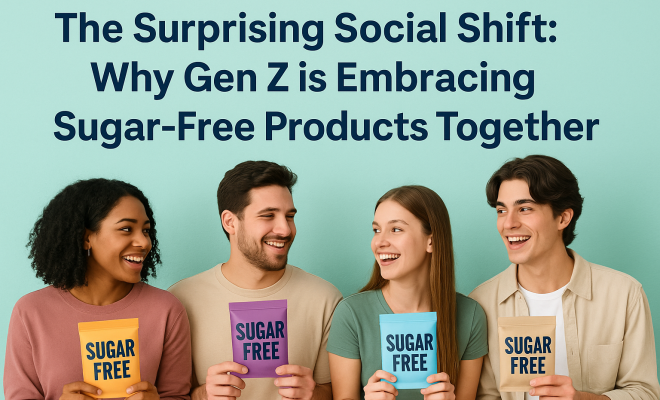
The health landscape is undergoing a seismic shift, particularly among younger generations. A striking 61.8% of Gen Z consumers are now buying sugar-free products not just for themselves but in pairs with friends. This trend isn’t merely about cutting sugar; it’s part of a burgeoning ‘anti-sugar’ movement that has evolved into a vibrant community-focused approach to health and wellness. But what’s behind this social transformation?
The Rise of Community in Health Choices
Health and nutrition used to be viewed as a solitary endeavor, often associated with restrictive diets and personal sacrifice. However, the new wave of health consciousness emphasizes shared experiences. Today, Gen Z is turning to sugar-free products as a means of forging connections. Whether it’s swapping recipes, sharing ‘pair order’ receipts, or participating in community challenges, this trend elevates healthy eating into a group event.
This shift can largely be attributed to social media, where sharing personal health journeys has become a norm. Gen Z is not just consuming media; they are actively participating in it. They document their purchases, track their progress, and seek validation from their peers, making health a collaborative experience.
The Emotional Side of Eating
What makes this trend particularly interesting is the emotional component tied to food. The emotional experience of enjoying sugar-free products with friends transforms it from a mundane task to a celebration. The act of purchasing these items in pairs creates a sense of accountability and motivation that solitary diets often lack. With 66.4% of young people joining specific ‘beauty cultivation’ communities, it’s clear that the emotional rewards are as significant as the health benefits.
These ‘beauty cultivation’ communities often emphasize the aesthetic advantages of sugar-free products, such as improved skin and increased energy. The focus on tangible results resonates more strongly than the brand names themselves, leading to a significant market pivot. Consumers are seeking out products that promise immediate effects, creating a new standard for health-oriented goods.
Peer Pressure and Social Media Influence
Peer influence has always played a role in consumer behavior, but social media has amplified this effect dramatically. The need to share experiences and outcomes has led to a culture where young people feel compelled to participate in health trends. The statistic indicating that 54.1% of Gen Zers prioritize ‘feeling effective’ over brand loyalty underscores this change.
Social media platforms have facilitated a culture of sharing health journeys, where users post updates about their progress and the products they are using. This has created a ‘need to know’ atmosphere for those who are not yet part of these health circles, prompting them to explore sugar-free products simply to keep up.
Breaking Down the ‘Anti-Sugar’ Movement
The ‘anti-sugar’ movement is more than a fleeting trend; it represents a significant shift in how people view health and wellness. Traditional diets often evoke images of denial and restriction, whereas the current movement encourages a more positive, inclusive approach. By focusing on flavors that are both enjoyable and beneficial, the idea that health food has to be bland is being dismantled.
This movement is also a response to the broader societal push towards mental wellness. As young consumers become more aware of the psychological implications of their eating habits, they lean towards foods that enhance both their mood and physical health. The demand for sugar-free products aligns well with this philosophy.
The Impact of Community Challenges
Community challenges have emerged as a powerful tool for driving engagement within these health circles. These challenges often focus on various aspects of wellbeing, from fitness to dietary changes, and encourage participants to share their experiences online. This not only fosters a sense of camaraderie but also creates a platform for accountability. top community health programs offers useful background here.
In these challenges, participants might be encouraged to try new sugar-free products or share their favorite recipes. The communal aspect encourages everyone to stay motivated, resulting in higher levels of engagement. For instance, some challenges could revolve around a 30-day sugar-free diet, where participants document their meals and share weekly updates. (See: Healthy diet and nutrition.)
The Search for Immediate Results
Today’s consumers are increasingly looking for immediate results, especially when it comes to health and diet. The shift toward prioritizing effectiveness over brand loyalty indicates a desire for products that deliver rapid, visible results. This is particularly true for young people who are often bombarded with choices and need clear indicators to guide their decisions.
As a result, brands offering sugar-free products that highlight quick benefits, such as increased energy or improved skin clarity, are gaining traction. This focus on immediate feedback loops is crucial for capturing the attention and loyalty of Gen Z consumers.
Challenges to Traditional Diet Culture
The rise of the ‘anti-sugar’ movement poses a direct challenge to traditional diet cultures, which often emphasize restriction and deprivation. Instead of promoting food as an enemy, this new approach encourages a joyful relationship with food. Health is now seen as a holistic concept that includes social interactions and emotional wellbeing.
This change raises important questions about how we perceive health and wellness in society. If food can be both enjoyable and nourishing, then why should we continue to adhere to outdated notions that equate health with suffering? The growing popularity of sugar-free products signifies a collective rejection of diets that don’t prioritize taste or social connection.
The Future of Sugar-Free Products
As we look to the future, the trend toward sugar-free products seems poised to continue its upward trajectory. With Gen Z leading the charge, brands must adapt to this new landscape. This means not only focusing on the health benefits of their products but also on creating an engaging community around them.
Marketers should consider ways to incorporate social elements into their campaigns, whether through community challenges, social media engagement, or interactive platforms. The market will increasingly demand products that resonate on an emotional level while delivering results.
Understanding the Market Dynamics
The market for sugar-free products has expanded significantly in recent years. According to a report by Grand View Research, the global sugar-free food and beverage market was valued at USD 78.2 billion in 2021 and is expected to expand at a compound annual growth rate (CAGR) of 5.9% from 2022 to 2030. This growth is driven by the increasing awareness of health issues related to high sugar intake.
Brands have started to innovate, offering a range of products that include natural sweeteners like stevia and monk fruit, which provide sweetness without the caloric load of sugar. For instance, brands like Halo Top and Rebel Ice Cream have gained popularity by providing delicious dessert options that fit the sugar-free profile, successfully capitalizing on this trend.
The Role of Influencers in Promoting Sugar-Free Products
Influencers play a pivotal role in shaping consumer behaviors, particularly within the health and wellness sector. Many influencers are transitioning to sugar-free lifestyles and sharing their journeys on platforms like Instagram and TikTok. This has led to a surge in visibility for sugar-free products.
For example, health influencers often showcase their favorite sugar-free snacks or meal replacements, which can lead to significant spikes in sales for those products. Authenticity is key; followers are more likely to purchase products recommended by influencers they trust. In turn, brands are increasingly collaborating with micro and macro-influencers to tap into their established audiences, enhancing their reach.
Exploring the Nutritional Aspects of Sugar-Free Products
When transitioning to sugar-free products, it’s essential to consider the nutritional aspects of these alternatives. While they may reduce sugar intake, some sugar-free products can still be high in calories, fat, or artificial additives. This raises the question of whether sugar-free means healthy.
Consumers are becoming more informed and are scrutinizing labels carefully. A product might be marketed as sugar-free, but if it contains high levels of unhealthy fats or sodium, it may not be a wise choice for health-conscious individuals. Educating consumers about reading labels and understanding what sugar-free means in terms of overall nutrition is crucial in this evolving market. We covered leading universities in health in more detail.
Potential Health Implications of Sugar-Free Products
While sugar-free products can benefit those looking to reduce sugar intake, there are potential health implications to consider. Some sugar substitutes, like aspartame and sucralose, have been subjects of debate regarding their safety and long-term health effects. Although regulatory agencies like the FDA deem them safe for consumption, some studies suggest potential links to health issues when consumed in large quantities. (See: Nutrition data and statistics.)
It’s crucial for consumers to approach sugar substitutes with balanced information. Moderation is key, and awareness about individual health conditions, including metabolic syndrome or diabetes, should steer choices regarding sugar alternatives.
Comparing Sugar-Free Products: What You Need to Know
When diving into the world of sugar-free products, it’s helpful to understand how they compare across different categories. From beverages to baked goods, the range is extensive. For example, sugar-free sodas utilize artificial sweeteners, while sugar-free baked goods might rely on natural sweeteners like applesauce or mashed bananas.
Some consumers may prefer products that use natural sweeteners over artificial ones, as they often align better with clean eating philosophies. On the other hand, others may appreciate the taste and texture that artificial sweeteners can provide. It’s essential for consumers to explore various products and find what works best for their taste and lifestyle.
Frequently Asked Questions
What are sugar-free products?
Sugar-free products are food and beverage items that have little to no sugar content. They often use sugar substitutes like stevia, erythritol, or sucralose to provide sweetness without the calories associated with sugar.
Are sugar-free products healthier than regular products?
Not necessarily. While they can reduce sugar intake, sugar-free products can still have high levels of fats, sodium, or artificial ingredients. It’s essential to evaluate overall nutritional content rather than just focusing on sugar content.
Can I lose weight by switching to sugar-free products?
Switching to sugar-free products can help reduce calorie intake from sugar, which may assist in weight loss if paired with a balanced diet and regular exercise. However, it’s vital to maintain overall healthy eating habits.
Are there any side effects of consuming sugar-free products?
Some individuals may experience digestive discomfort from certain sugar substitutes, particularly sugar alcohols like sorbitol or xylitol, which can cause bloating or gas in some people. It’s important to consume these products in moderation.
Is it okay to consume sugar-free products every day?
Moderation is key. While sugar-free products can fit into a healthy diet, relying exclusively on them may not be advisable. It’s essential to have a balanced diet that includes whole foods as well.
How can I identify quality sugar-free products?
Look for products with minimal processing, natural ingredients, and good nutritional profiles. Reading labels is crucial to ensure that sugar-free products do not contain excessive unhealthy additives.
Exploring Sugar Alternatives: A Deeper Dive
The variety of sugar substitutes available today can be overwhelming. From natural sweeteners like honey and maple syrup to synthetic options like aspartame and sucralose, understanding the differences can help consumers make informed choices. Natural sweeteners often contain more nutrients than their artificial counterparts, but they can also have higher calorie counts. Conversely, many artificial sweeteners offer zero calories but may carry health concerns regarding long-term consumption.
In particular, products like monk fruit, which is derived from a fruit native to southern China, are gaining traction as a natural alternative that doesn’t spike blood sugar levels. This has made monk fruit a favorite among those managing diabetes or looking to reduce sugar intake. Meanwhile, erythritol, a sugar alcohol, has become popular due to its low-calorie count and minimal impact on blood glucose levels, making it an appealing option for various diets. (See: Gen Z and sugar-free trends.)
Consumer Education: Navigating the Sugar-Free Landscape
As more people turn to sugar-free products, education becomes paramount. Many consumers are still unaware of the differences between natural and artificial sweeteners, as well as the potential effects on overall health. Brands and health professionals alike are stepping in to create informative content that helps consumers navigate this landscape.
Webinars, online courses, and social media campaigns focusing on the benefits and drawbacks of various sugar substitutes can empower consumers to make informed decisions. Moreover, educational initiatives that highlight the importance of balanced nutrition alongside sugar reduction are crucial for promoting long-term health.
The Environmental Impact of Sugar-Free Products
Environmental sustainability is becoming an increasingly important consideration in consumers’ purchasing decisions. Many brands are now striving to create sugar-free products that are also environmentally friendly. For instance, some companies source their sweeteners from sustainable farms or utilize eco-friendly packaging. This dual focus on health and sustainability not only appeals to a growing demographic of environmentally conscious consumers but also enhances brand loyalty.
By choosing sugar-free products that prioritize sustainability, consumers can contribute to reducing their carbon footprint while improving their health. This growing awareness of the environmental impact of food choices aligns seamlessly with the current trends toward healthier eating and community engagement.
The Future of Sugar-Free Products: Trends and Innovations
As the market for sugar-free products continues to expand, several key trends are emerging. The growing popularity of plant-based diets is influencing product development, pushing brands to create innovative sugar-free options that fit within this framework. From vegan desserts sweetened with natural alternatives to sugar-free beverages infused with adaptogens, the future looks promising.
Furthermore, technological advances in food science are making it possible to create better-tasting sugar substitutes without compromising health benefits. Innovations like enhanced flavor profiles and improved texture in sugar-free products are expected to draw in even more consumers. As companies invest in research and development, we can anticipate a broader array of options that cater to diverse dietary preferences and health needs.
Conclusion: Embracing the Shift
The ‘anti-sugar’ boom represents a momentous shift in dietary habits, particularly among younger generations. As Gen Z continues to embrace sugar-free products in increasingly social contexts, it challenges the very foundations of traditional diets. This trend not only makes healthy eating more appealing but also fosters a sense of community around it.
Understanding this shift is essential for anyone who wants to navigate the future of the health economy. As the emphasis on enjoyment and social interaction continues to grow, it will be fascinating to see how the market evolves to meet these new consumer demands.
“`
Trending Now
Frequently Asked Questions
Why is Gen Z buying sugar-free products?
Gen Z is buying sugar-free products as part of a broader 'anti-sugar' movement that emphasizes community and shared health experiences. This trend is driven by a desire to connect with friends and engage in collective health journeys, making nutrition a social activity rather than a solitary one.
How does social media influence Gen Z's food choices?
Social media plays a crucial role in shaping Gen Z's food choices by encouraging them to share their health journeys and connect with peers. This platform allows them to document purchases, track progress, and participate in community challenges, making healthy eating a collaborative experience.
What are 'beauty cultivation' communities?
'Beauty cultivation' communities are groups that focus on wellness and beauty, often highlighting the aesthetic benefits of sugar-free products. Members share tips and experiences related to improved skin and energy levels, emphasizing the emotional and social aspects of health alongside tangible results.
How does eating sugar-free with friends create accountability?
Eating sugar-free with friends fosters accountability by transforming health choices into shared experiences. This collaborative approach provides motivation and support that solitary diets often lack, making the journey toward healthier eating more enjoyable and sustainable.
What emotional benefits come from choosing sugar-free products?
Choosing sugar-free products offers emotional benefits such as enhanced motivation and a sense of celebration when enjoyed with friends. This social aspect turns healthy eating into a positive experience, reinforcing connections and making the journey toward wellness more fulfilling.
Agree or disagree? Drop a comment and tell us what you think.