Gen Z Health Food Trends: Taste, Community & Reputation
“`html
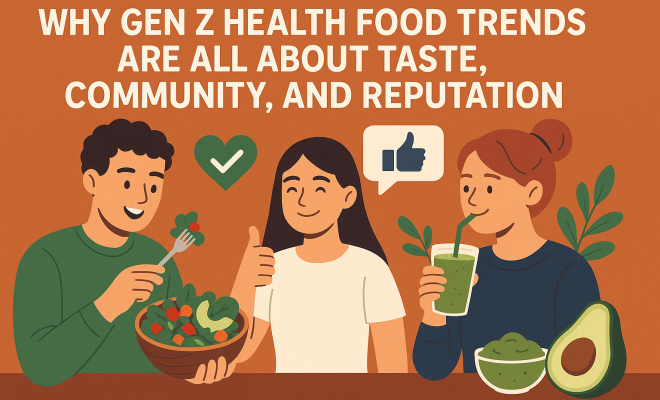
In the rapidly evolving landscape of health foods, one demographic is emerging as a decisive force: Gen Z. With their unique consumption habits and preferences, this generation is redefining what it means to be health-conscious. Recent research reveals that as much as 67% of health food purchases among Gen Z are driven by a combination of taste, brand reputation, and community engagement. If you think health foods are just about being nutritious, think again. Let’s unpack what’s happening.
The Rise of Taste as a Non-Negotiable Factor
Gone are the days when health foods were synonymous with bland, flavorless options. The latest data shows that taste is a critical aspect of health food for Gen Z consumers. An astonishing 66.8% of these young buyers prioritize user reviews and brand reputation when selecting health foods. This statistic indicates that they’re not just looking for products that are good for them; they want products that also taste good.
In essence, this generation refuses to compromise on flavor. Brands that fail to deliver on taste risk losing out on this influential consumer group. You can see this shift on social media platforms where taste-focused content is dominating discussions. Viral TikTok recipes and Instagram stories showcasing delicious yet healthy meals are reshaping perceptions, making it clear that health foods can and should be enjoyable.
The Power of Scientific Backing
What’s more, 60.1% of Gen Z consumers demand scientific support before they trust a health food brand. This inclination toward science is not just a trend; it reflects a broader cultural shift toward wellness that emphasizes informed choices. Brands that can substantiate their health claims with credible research and evidence are far more likely to win the loyalty of this discerning audience.
For example, brands that invest in research collaborations or clinical trials not only bolster their reputations but also instill confidence in their products. A transparent approach that showcases scientific validation can act as a powerful marketing strategy to engage this health-savvy generation. This need for proof aligns with a general trend toward skepticism regarding health claims, making transparency more important than ever.
Feeling Effective: The New Standard
More than just taste and scientific backing, 54.1% of Gen Z consumers expect products that feel effective upon consumption. This expectation raises the bar for health food brands, compelling them to create products that deliver tangible results. When a consumer takes a supplement or a health bar, they want to feel the benefits, whether that’s increased energy, improved digestion, or a sense of well-being.
This focus on effectiveness means that brands must not only market their products well but also ensure that they truly deliver on their promises. Failure to do so can lead to customer dissatisfaction, which is amplified in a digital age where negative reviews can spread like wildfire. Brands that focus on creating genuinely effective products will not only build trust but also develop a loyal following.
The Social Media Influence
In today’s digital world, social media is an essential platform for health food trends. An impressive 66.4% of Gen Z has joined online health communities, revealing a strong inclination toward collective wellness. These groups are not just about sharing tips but about fostering a sense of belonging. This community aspect significantly influences purchasing decisions. Related reading: Taste victory in Newark schools.
Moreover, 61.8% of Gen Z consumers are more likely to purchase anti-sugar products when they share the experience with friends. The social aspect of health food consumption creates a shared narrative that adds both fun and accountability to healthy eating. Brands harnessing the power of community engagement can tap into this dynamic, using social proof to propel their marketing efforts.
The Viral Impact of Content
One of the most fascinating insights from recent trends is how content affects purchasing behavior. Over 60% of Gen Z consumers discover health products through news apps, while more than 50% find recommendations via short videos online. This reliance on content as a primary purchase accelerator signifies a transformative approach to marketing.
Brands that can effectively create engaging content have a unique advantage. For example, videos demonstrating a new health food product in use or providing educational snippets about its benefits can capture attention and drive sales. This method, often referred to as ‘content seeding’ or ‘planting grass,’ is essential for brands aiming to connect with Gen Z consumers. (See: CDC on nutrition and health trends.)
FOMO: The Fear of Missing Out
As Gen Z continues to engage with health food trends, a strong undercurrent of FOMO (fear of missing out) drives their purchasing behavior. The constant barrage of social media showcasing the latest health food innovations creates a sensation of urgency. If everyone seems to be consuming a particular superfood or trend, it’s only natural to want to join in.
This phenomenon means that brands must consistently innovate and promote their products effectively. If they don’t, they risk being overshadowed by more trendy options that capture the attention of this dynamic generation. Brands that understand and leverage this fear of missing out can create marketing strategies that resonate deeply with Gen Z, facilitating higher engagement and conversion rates.
Brand Reputation Matters More Than Ever
In an age where information is at our fingertips, brand reputation plays a pivotal role in the health food market. Gen Z is particularly attentive to how brands present themselves online. A company’s ethical practices, transparency, and approach to health can significantly influence purchasing decisions. Brands that prioritize sustainability and social responsibility are not just appealing to Gen Z’s values but are also securing their loyalty.
Additionally, negative press can spread rapidly, making it crucial for brands to maintain a good reputation. Engaging with customers positively and addressing concerns promptly can help build trust and loyalty. Brands that fail to do so may find themselves struggling to connect with Gen Z consumers.
How Brands Can Adapt to Gen Z Health Food Trends
So, what can brands do to align with these trends? Here are some actionable strategies:
- Focus on Taste: Ensure that your health food products not only meet nutritional requirements but also taste great. Engage consumers with flavor innovations.
- Provide Scientific Validation: Invest in research and development, showcasing evidence that supports your health claims.
- Create Community Engagement: Foster a sense of belonging among your consumer base through social media and online groups.
- Leverage Content Creation: Use engaging content to tell your brand’s story and demonstrate your products in relatable ways. Consider collaborations with influencers who can advocate for your brand.
- Maintain Transparency: Build trust by being open about your ingredients, sourcing, and company practices.
The Future of Health Foods and Gen Z
As we look ahead, the trends shaping Gen Z’s approach to health foods are likely to influence the broader market. Brands that can adapt and embrace taste, community, and transparency will not only survive but thrive in this competitive landscape. The health food industry is at a crossroads, and understanding these Gen Z health food trends is essential for any brand looking to engage effectively with this pivotal consumer segment.
Ultimately, the emphasis on taste, reputation, and community engagement is reshaping the health food landscape. For brands willing to innovate and respond to these emerging preferences, the future is bright. Embracing these trends will not just keep brands relevant, but it will also build a healthier, more connected community of consumers striving for well-being.
A Closer Look at Popular Health Food Categories
As Gen Z continues to redefine health food trends, several categories are emerging as favorites. Understanding these preferences can help brands tailor their offerings effectively. Here are key health food categories gaining traction:
Plant-Based Foods
Plant-based diets are not just a trend; they represent a fundamental shift in how Gen Z perceives food. The demand for plant-based alternatives has skyrocketed, with a 300% increase in plant-based food sales reported over the past few years. This generation is motivated by ethical concerns, environmental issues, and health benefits associated with a diet rich in fruits, vegetables, nuts, and grains.
Brands like Beyond Meat and Impossible Foods have captured Gen Z’s attention by creating meat alternatives that mimic the taste and texture of animal products. By participating in this growing movement, brands can tap into a lucrative market segment eager for innovative and sustainable food solutions. See also Community engagement through tech.
Functional Foods
Functional foods that provide health benefits beyond basic nutrition are increasingly popular among Gen Z consumers. These include items fortified with vitamins, minerals, probiotics, or other beneficial ingredients. Examples include kombucha, protein bars, and snack foods with added nutrients.
Approximately 70% of Gen Z shoppers express interest in foods that offer functional health benefits. Brands that can effectively communicate these added values—such as improved immunity, better digestion, and enhanced brain function—are likely to stand out in this competitive market. (See: NIH on healthy eating and youth.)
Snack Foods with a Healthy Twist
Healthy snacking has taken center stage, with Gen Z opting for snacks that combine taste and nutrition. This generation is constantly on the go, making convenient and healthful snacking options incredibly appealing. Brands offering snacks like kale chips, protein-packed energy bites, and nut butter packets are experiencing increased demand.
In fact, sales of healthy snacks are projected to grow by 12% annually over the next five years. Brands that can innovate and diversify their snack offerings will likely capture the attention of this fast-paced demographic.
Insights from Nutrition Experts
To better understand what drives Gen Z’s health food choices, we consulted several nutrition experts. According to Dr. Jenna Wu, a registered dietitian, “Gen Z is more informed and health-conscious than previous generations. They’re interested in nutrition as a science and are proactive about their food choices.”
Another expert, Dr. Mark Riggins, emphasized the role of community in health food consumption: “Gen Z thrives on social connections, which strongly influence their eating habits. Brands that align with their values will foster loyalty and trust.”
These insights highlight the importance of combining nutrition education with community engagement. Brands that can effectively communicate health benefits while building a sense of belonging will resonate more deeply with Gen Z.
Frequently Asked Questions (FAQ)
What are the top health food trends for Gen Z?
The top trends include plant-based foods, functional foods with health benefits, and healthy snack options. Gen Z is also drawn to transparency in ingredient sourcing and ethical brand practices.
How does social media influence Gen Z’s health food choices?
Social media platforms play a significant role in shaping Gen Z’s health food preferences. They discover products through influencers and peer recommendations, leading to increased brand awareness and trust.
Why is taste important for Gen Z?
Taste is crucial because Gen Z is unwilling to compromise on flavor, even when choosing health foods. Brands that prioritize taste in their products have a better chance of attracting this demographic.
How can brands effectively market to Gen Z consumers?
Brands can engage Gen Z by focusing on authentic storytelling, creating relatable content, fostering community engagement, and emphasizing transparency in their practices. Building a strong online presence and collaborating with influencers can also enhance visibility and credibility.
What role does sustainability play in Gen Z’s purchasing decisions?
Sustainability is a key factor for Gen Z. They prefer brands that prioritize eco-friendly practices, ethical sourcing, and minimal environmental impact. Brands that align with these values are more likely to earn Gen Z’s loyalty. (See: WHO on healthy diets.)
The Impact of Technology on Gen Z’s Health Food Choices
Technology plays an essential role in shaping Gen Z’s health food behaviors. Digital platforms have created new avenues for product discovery and education. For instance, apps that track nutritional intake or provide personalized meal plans are gaining popularity. Reports show that approximately 45% of Gen Z consumers use health apps regularly, indicating their preference for technology-driven solutions to manage their dietary choices.
This tech-savvy demographic also embraces online shopping for health foods. A survey revealed that 70% of Gen Z prefers to purchase health products online rather than in-store. This shift has prompted brands to enhance their e-commerce platforms, offering seamless shopping experiences, personalized recommendations, and interactive features that engage consumers more effectively.
Exploring the Global Trends in Health Foods
Gen Z’s health food preferences are also influenced by global trends. As the world becomes more interconnected, diverse food cultures are gaining traction. For example, Asian superfoods like matcha and spirulina have become mainstream in Western markets, and Gen Z is particularly interested in these exotic flavors and health benefits. Reports indicate a 50% increase in searches for Asian health products among Gen Z consumers in the last year.
This globalization of health foods means that brands should think beyond traditional offerings and consider how to incorporate international flavors and ingredients into their products. By doing so, they can cater to the adventurous spirit of Gen Z, who are eager to try new, exciting foods from around the world.
Personalization: The Key to Winning Gen Z
Personalization is another critical trend shaping the health food market. Gen Z consumers value products that feel tailored to their individual needs and preferences. Brands that offer customizable options—such as personalized protein powder blends or snack boxes—are likely to resonate more with this generation.
A recent study indicated that about 60% of Gen Z shoppers are willing to change brands if they find a more personalized offering. This highlights the importance of gathering consumer data and using it to create unique experiences that cater to their specific health and taste preferences. By leveraging technology to offer personalized options, brands can foster deeper connections with Gen Z consumers.
Conclusion: Adapting to Gen Z’s Health Food Revolution
As Gen Z continues to shape the health food landscape, brands must remain agile and responsive to their evolving preferences. By focusing on taste, scientific backing, community engagement, sustainability, technology, and personalization, brands can build lasting connections with this influential demographic. The health food revolution is here, and it’s up to brands to embrace these trends and adapt their strategies accordingly. With the right approach, the future of health foods looks promising, catering to a generation that values health, community, and deliciousness just as much as nutritional integrity.
“`
Trending Now
Frequently Asked Questions
What are the health food trends for Gen Z?
Gen Z health food trends prioritize taste, brand reputation, and community engagement. This generation seeks flavorful options that also align with their values, reflecting a shift from bland health foods to enjoyable, nutritious alternatives.
Why is taste important for Gen Z when choosing health foods?
Taste is crucial for Gen Z consumers because they refuse to compromise on flavor. Approximately 66.8% prioritize user reviews and brand reputation, indicating that they want health foods that not only nourish but are also delicious.
How does community influence Gen Z's health food choices?
Community plays a significant role in Gen Z's health food choices, as they prefer brands that resonate with their social circles. Engaging content on social media platforms like TikTok and Instagram shapes their perceptions and drives their purchasing decisions.
What role does scientific backing play in Gen Z's health food preferences?
Scientific backing is vital for Gen Z, with 60.1% demanding evidence before trusting a health food brand. This reflects their inclination towards informed choices and a desire for credible research supporting health claims.
How can brands appeal to Gen Z consumers in the health food market?
To appeal to Gen Z, brands must focus on delivering flavorful products, building a strong reputation, and engaging with communities. Additionally, providing scientific evidence to support health claims can significantly enhance brand loyalty among this demographic.
What's your take on this? Share your thoughts in the comments below — we read every one.