TikTok Ban 2026: Millions Rally After Supreme Court Ruling
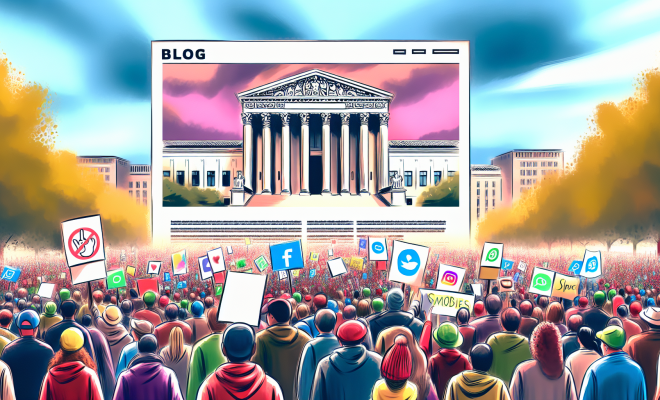
On May 11, 2026, a critical ruling by the U.S. Supreme Court set the stage for a nationwide TikTok ban that could reshape the social media landscape in America. The court rejected TikTok’s emergency stay request, effectively allowing a ban to take effect on June 1 unless the app’s parent company, ByteDance, divests its U.S. operations. This decision has ignited a firestorm of outrage among millions of users, particularly within the Gen Z demographic that has come to rely on the platform for content creation, community engagement, and personal expression.
The Supreme Court’s Decision: A Blow to Content Creators
The Supreme Court’s ruling stems from escalating national security concerns. U.S. officials have long expressed fears about the potential for the Chinese government to access sensitive user data through TikTok. These concerns have garnered bipartisan support, leading to the current legal framework that threatens the app’s existence in the United States.
As a result of this ruling, over 150 million TikTok users in the U.S. face the impending loss of their primary social media platform. Influencers who have built careers on the app, such as Charli D’Amelio and Addison Rae, are at the forefront of the backlash. They have taken to social media to mobilize their followers, creating viral protest videos that have collectively amassed over 500 million views. These videos not only highlight the emotional toll of a potential ban but also underscore the significance of TikTok in their livelihoods.
TikTok’s Cultural Impact
For many, TikTok is more than just a social media platform; it is a cultural phenomenon. Users share everything from dance challenges to cooking tutorials, and the platform serves as a launchpad for trends that ripple across the internet. The communities that have formed on TikTok foster a sense of belonging and creativity that has become integral to the lives of many young Americans.
- Charli D’Amelio, who rose to fame through her dance videos, has become a household name.
- Addison Rae has leveraged her TikTok popularity into a successful career in entertainment.
- The platform has also given a voice to countless smaller creators who might not find success on traditional media channels.
The idea of losing this platform has spurred a massive movement on social media. The hashtag #SaveTikTok has trended with over 2.5 million posts across X (formerly Twitter) and Instagram in just 24 hours following the Supreme Court ruling. Users are sharing personal stories, videos, and memes, all expressing their love for the platform and rallying against the impending ban.
Gen Z’s Outrage: The Backlash Against the Ban
The reaction from Gen Z has been particularly vocal, with flash polls indicating that a staggering 78% oppose the TikTok ban. This demographic, which has been described as the “digital natives,” views the potential ban as an attack on their online freedom and creative expression.
Furthermore, the irony of the situation—where national security concerns clash with the values of free speech and creative freedom—has not gone unnoticed. Many users are framing the ban as an infringement on their rights, prompting an outpouring of videos and posts emphasizing the importance of community and connection on TikTok.
These emotions have been further fueled by the fear of missing out (FOMO). Creators and users alike are expressing concerns about losing their platforms for self-expression and income generation. For many influencers, TikTok has become a primary source of revenue, sponsorships, and career opportunities. Losing access to the app would not only impact their financial stability but would also disrupt the communities they have built.
The Broader Implications of a TikTok Ban
The potential TikTok ban raises questions that extend beyond the app itself. The ruling could set a precedent for how governments regulate tech companies, particularly those owned by foreign entities. It also sheds light on the increasing scrutiny faced by social media platforms regarding user data privacy and national security.
As the debate unfolds, experts warn that banning TikTok could lead to a chilling effect on freedom of expression online. It may embolden further regulatory actions against other platforms that could be deemed a threat to national security, thus impacting the broader digital landscape.
What Comes Next?
As the June 1 deadline approaches, the pressure on ByteDance to divest its U.S. operations intensifies. While the company has made efforts to localize operations and assure users of their data security, the Supreme Court’s decision complicates the matter significantly.
In the coming weeks, we can expect continued advocacy and protest from TikTok users, as well as potential legal battles from ByteDance. The outcomes of these developments will be closely monitored, not only by those invested in TikTok but also by the broader tech community and policymakers.
The Future of Content Creation
Whatever the outcome, the TikTok ban debate highlights the evolving nature of content creation and the importance of social media in shaping modern culture. If TikTok were to disappear, creators will likely migrate to other platforms, but the unique community and viral potential that TikTok offers will be hard to replicate.
Many users have begun exploring alternatives, leading to a surge in activity on platforms such as Instagram Reels and YouTube Shorts. However, whether these alternatives can attract the same level of engagement and creativity remains to be seen.
Conclusion: Navigating Uncertain Waters
The situation surrounding the TikTok ban is multifaceted, filled with legal, social, and emotional complexities. As users mobilize and express their outrage, the implications of the Supreme Court’s decision will ripple through both the social media landscape and the broader conversation about data security and free expression.
Ultimately, the next few weeks will be pivotal in determining the fate of TikTok in the U.S. and the future of digital communication for millions of users. As the deadline looms, the voices of creators and users alike will continue to resonate across social media platforms, shaping the narrative of this ongoing battle.