The Hidden Cost of EVs: Why Your Battery Could Cost More Than Your Car in 2026
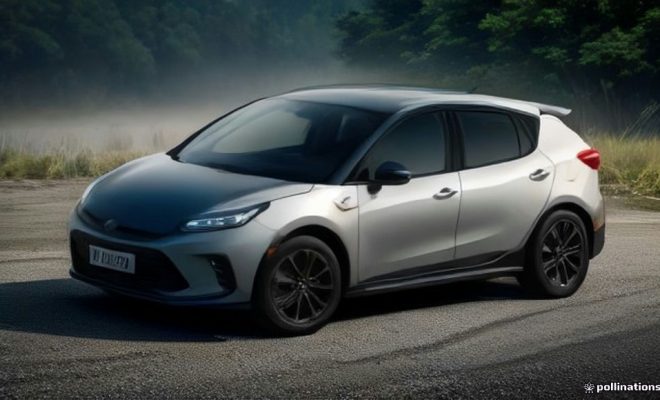
So, you’re thinking about an electric vehicle, or maybe you already own one. You’ve probably heard all the buzz about silent drives, instant torque, and zero tailpipe emissions. It’s an exciting prospect, no doubt. But there’s a looming question that many potential and current EV owners are starting to grapple with: what happens when that massive battery pack eventually needs replacing? The truth is, the EV battery replacement cost 2026 and beyond is becoming a significant concern, with out-of-warranty replacements potentially ranging from $3,500 all the way up to a staggering $25,000 or even more, depending on your vehicle’s make, model, and how its battery is integrated.
This isn’t just some distant hypothetical. Early adopters of electric vehicles are already seeing their eight-year or 100,000-mile manufacturer warranties begin to expire. As these vehicles age, the prospect of a hefty out-of-pocket expense for battery replacement is no longer a theoretical worry; it’s a very real financial cliff edge. We’re seeing discussions explode across online forums like Reddit, with owners sharing their experiences and anxieties. There’s even a growing murmur about how aging EV batteries might be quietly pushing up insurance premiums. It’s a complex picture, one that requires a closer look beyond the initial eco-friendly glow of EV ownership.
The Looming Expiration: Why 2026 is a Crucial Year for EV Owners
Think back to the mid-2010s. Electric vehicles were still a relatively niche market, but models like the Nissan Leaf, early Tesla Model S units, and various plug-in hybrids were gaining traction. Many of these vehicles, purchased between 2016 and 2018, came with standard battery warranties that typically promised coverage for 8 years or 100,000 miles, whichever came first. Do the math, and you’ll quickly realize that for many of those early adopters, those warranties are either expiring right now or will be in 2024, 2025, and yes, crucially, in 2026.
This means a significant wave of EVs will soon be operating outside their original manufacturer protection. For some, it might be a non-issue; batteries can and do last longer than their warranty periods. But for others, especially those in harsher climates, with aggressive charging habits, or simply unlucky enough to experience a manufacturing defect post-warranty, the financial implications could be severe. This expiration date is why the discussion around EV battery replacement cost 2026 is becoming so urgent – it’s no longer a ‘what if,’ but a ‘what now?’ for a growing segment of EV owners.
Dissecting the Price Tag: What Goes Into an EV Battery Replacement?
So, why exactly is an EV battery replacement so expensive? It’s not just the battery cells themselves, though they are certainly the biggest component of the cost. You’re essentially replacing the heart of the vehicle, a complex piece of engineering that combines thousands of individual cells, sophisticated battery management systems (BMS), cooling mechanisms, and robust protective casings. The sheer volume of raw materials – lithium, nickel, cobalt, manganese – contributes significantly to the base price, and these commodity prices can fluctuate wildly on global markets.
Beyond the materials, there’s the intricate labor involved. Swapping out an EV battery isn’t like changing an oil filter. It’s a specialized job requiring trained technicians, often in facilities equipped with specific lifts and safety protocols for handling high-voltage components. Labor costs alone can range from $1,000 to $3,000, and for vehicles where the battery pack is a structural component of the chassis – a design choice increasingly common to improve rigidity and packaging – that figure can climb even higher. Imagine essentially disassembling and rebuilding a significant portion of the car’s undercarriage. This complexity is a major reason why the EV battery replacement cost 2026 is on everyone’s mind.
The Architecture Matters: Integrated vs. Swappable Packs
The design philosophy behind an EV’s battery pack plays a monumental role in replacement costs. Traditional EV designs, like those found in many early Nissan Leafs or Chevrolet Bolts, often use a ‘skateboard’ platform where the battery pack is a relatively contained unit bolted to the underside of the vehicle. While still a significant undertaking, these are generally more straightforward to remove and replace.
However, newer, more advanced EV architectures, particularly those from Tesla and some other premium brands, are increasingly integrating the battery pack directly into the vehicle’s structural frame. This ‘cell-to-chassis’ or ‘structural battery’ approach offers benefits like improved rigidity, better crash performance, and more interior space. But it comes with a major downside for repairs: replacing such a battery can involve extensive structural work, dramatically increasing both labor time and cost. It’s a trade-off that buyers might not fully appreciate at the point of purchase, but will certainly feel if they face an out-of-warranty replacement.
The Tesla Factor: Premium Prices for Premium Technology
When we talk about high EV battery replacement costs, Tesla often comes up in the conversation. As a pioneer in electric vehicle technology, Tesla has pushed boundaries with battery density and integration. While their warranties are generally in line with industry standards (typically 8 years or 100,000-150,000 miles, depending on the model), an out-of-warranty battery replacement for a Model S or Model X can easily reach the higher end of that $20,000 to $25,000 range, sometimes even exceeding it. A Model 3 or Model Y might be slightly less, but still a formidable expense. (See: electric vehicle battery costs.)
Why so much? Part of it is the sheer size and sophistication of Tesla’s battery packs, which are often larger than those in many competing models to achieve their impressive range figures. Another factor is the brand’s proprietary technology and service network. While independent shops are slowly gaining expertise, many complex Tesla repairs still often funnel back to official service centers, which can command premium pricing. This isn’t unique to Tesla; luxury brands across the automotive spectrum often have higher parts and labor costs. But for an EV where the battery is such a central, expensive component, it makes the potential out-of-pocket EV battery replacement cost 2026 particularly acute for Tesla owners.
Beyond the Battery: The Hidden Role of Insurance Premiums
The rising cost of EV battery replacement isn’t just a headache for individual owners; it’s also starting to ripple through the insurance industry. Insurers are in the business of assessing risk, and as more EVs age out of warranty, the probability of a costly battery failure or accident-related damage increases. If an accident results in damage to the battery pack, even if the car itself is repairable, the cost of replacing that pack can be so high that it totals the vehicle. For more context, see Your US Car Insurance 2026 Bill Is About to Explode.
This increased risk translates directly into higher insurance premiums. We’re seeing anecdotal evidence on forums and in news reports suggesting that EV insurance costs are already creeping up, sometimes significantly more than comparable internal combustion engine (ICE) vehicles. Insurers are factoring in the high cost of replacement parts, the specialized labor required, and the potential for a total loss scenario due to battery damage. This could become an even bigger issue by EV battery replacement cost 2026 as more vehicles enter this post-warranty, higher-risk category. It’s a subtle but powerful way that battery costs impact the total cost of EV ownership.
Manufacturer Warranties: Your First Line of Defense, But Not Forever
Let’s be clear: the manufacturer’s warranty is absolutely your best friend when it comes to EV battery issues. Most automakers offer a comprehensive warranty on their battery packs, typically for 8 years or 100,000 miles, though some go further (e.g., Hyundai/Kia often offer 10 years/100,000 miles, and some Tesla models extend to 150,000 miles). This warranty usually covers significant degradation (often defined as capacity dropping below 70% or 60% of original capacity) or outright failure due to manufacturing defects.
However, it’s crucial to understand what these warranties *don’t* cover. They typically won’t cover damage from accidents, abuse, or improper charging. More importantly, they have a finite lifespan. Once you hit that 8-year or 100,000-mile mark, you’re on your own. This is where the anxiety truly kicks in for many owners, as they contemplate the possibility of a five-figure bill for their 9-year-old EV. Understanding your specific vehicle’s warranty terms, including any exclusions or conditions, is paramount for any EV owner, especially as we approach EV battery replacement cost 2026.
The Rise of Extended Warranties and Third-Party Coverage
Given the significant financial exposure, it’s no surprise that a market for extended warranties and specialized battery coverage is emerging. These products aim to bridge the gap between the manufacturer’s warranty expiration and the potential need for a costly battery replacement. They can offer peace of mind, but like all extended warranties, they require careful scrutiny.
When considering an extended warranty, whether from the manufacturer or a third-party provider, you absolutely need to read the fine print. What exactly is covered? What are the deductibles? Are there limits on the number of claims or the total payout? Some warranties might cover battery degradation below a certain threshold, while others might only cover outright failure. Comparing providers, understanding their reputation, and checking customer reviews is essential. For many, investing in a robust extended warranty might be a sensible way to mitigate the risk of a massive EV battery replacement cost 2026 and beyond.
Mitigating the Risk: Strategies for EV Owners
While you can’t entirely eliminate the risk of an expensive battery replacement, there are proactive steps EV owners can take to potentially extend battery life and prepare for future costs:
- Smart Charging Habits: Avoid consistently charging to 100% or letting the battery frequently drop below 20%. Most manufacturers recommend keeping the charge between 20% and 80% for daily driving, saving full charges for long trips.
- Minimize DC Fast Charging: While convenient, frequent DC fast charging generates more heat and can accelerate battery degradation compared to slower AC charging.
- Temperature Management: Extreme hot or cold temperatures can stress the battery. If possible, park your EV in a garage during severe weather.
- Regular Software Updates: Automakers frequently release software updates that optimize battery management and charging algorithms, which can improve longevity.
- Monitor Battery Health: Many EVs offer apps or in-car displays that allow you to monitor battery health and capacity. Keep an eye on these metrics.
- Budgeting for Replacement: If you plan to keep your EV long-term, consider setting aside funds for a potential battery replacement after the warranty expires. Treat it like a major home repair fund.
- Resale Value Consideration: Factor in the potential battery replacement cost when considering how long you’ll keep the vehicle and its eventual resale value. An older EV with an expiring or expired battery warranty might see its value significantly depressed.
The Future of EV Battery Costs: Hope on the Horizon?
It’s not all doom and gloom. The automotive industry is keenly aware of the concerns around battery replacement costs. Technological advancements are happening at a rapid pace. We’re seeing:
- Falling Battery Production Costs: While individual battery replacement costs remain high, the overall cost of manufacturing battery cells is steadily decreasing due to economies of scale, improved manufacturing processes, and new chemistries. This trend, if sustained, should eventually translate into lower replacement costs.
- Improved Battery Chemistries: Newer battery technologies, like solid-state batteries or those using less cobalt, promise greater energy density, faster charging, and potentially longer lifespans, all of which could reduce future replacement needs.
- Module-Level Replacement: Instead of replacing the entire battery pack, some manufacturers are moving towards modular designs where individual faulty modules within the pack can be swapped out. This would be significantly less expensive than a full pack replacement.
- Robust Recycling Infrastructure: As more EVs reach end-of-life, the ability to efficiently recycle and reuse valuable materials from old battery packs will become increasingly important, potentially driving down the cost of new batteries.
These developments offer a glimmer of hope that the EV battery replacement cost 2026 might be a peak, and that prices could stabilize or even decrease in the years that follow. However, these are future predictions, and current owners still face the present reality.
Making an Informed Decision: Is an EV Right for You?
Ultimately, buying an EV involves weighing a lot of factors. The environmental benefits, the exhilarating driving experience, and often lower per-mile fuel costs are undeniable draws. But it’s crucial to go into EV ownership with your eyes wide open, especially concerning the long-term financial implications. The EV battery replacement cost 2026 is not just a statistical anomaly; it’s a real financial consideration that needs to be part of your personal finance planning if you’re an EV owner or considering becoming one. (See: battery technology and costs.)
Do your homework. Research specific models’ battery architectures and warranty terms. Seriously consider an extended warranty if you plan to keep your EV beyond the manufacturer’s coverage. And most importantly, adopt smart charging and driving habits to maximize your battery’s lifespan. Electric vehicles are a fantastic technological leap, but like any cutting-edge technology, they come with their own set of unique challenges that demand informed decision-making.
The Evolution of Battery Technology: A Look at LFP and Solid-State
The battery landscape isn’t static, and new technologies are emerging that could significantly impact the EV battery replacement cost 2026 and beyond. One of the most promising advancements is the increased adoption of Lithium Iron Phosphate (LFP) batteries. Traditionally, most EVs used Nickel Manganese Cobalt (NMC) or Nickel Cobalt Aluminum (NCA) chemistries, known for their high energy density, which translates to longer range. However, LFP batteries offer several compelling advantages. For more context, see Why Your Dream Car Is Now a $52,000 Illusion.
First, LFP batteries are generally less expensive to produce because they use more abundant and less costly materials (iron and phosphate instead of nickel and cobalt). This inherently lowers the raw material cost component of a new battery pack. Second, LFP batteries are known for their exceptional durability and cycle life. They can often be charged to 100% without significant degradation, which removes some of the charging anxiety many EV owners feel. While they traditionally had lower energy density, advancements are rapidly closing that gap, making them viable for more and more mainstream models, even those requiring decent range. As more manufacturers integrate LFP packs, the average replacement cost could slowly come down.
Looking further into the future, solid-state batteries represent the holy grail for many in the industry. These batteries replace the liquid electrolyte found in current lithium-ion batteries with a solid material. The potential benefits are enormous: higher energy density (meaning even longer range or smaller, lighter packs), faster charging times, significantly improved safety (reduced risk of thermal runaway), and potentially much longer lifespans. If solid-state batteries become commercially viable and scalable by the late 2020s or early 2030s, they could revolutionize the cost and longevity equation for EVs, making battery replacement a far less frequent and potentially less expensive concern. While they won’t impact EV battery replacement cost 2026 directly, their development is a strong indicator of the industry’s commitment to improving battery economics.
The Role of Diagnostics and Predictive Maintenance in Battery Longevity
It’s not just about the chemistry; how we manage and monitor batteries also plays a huge part in their lifespan and eventual replacement needs. Modern EVs are essentially computers on wheels, and their battery management systems (BMS) are incredibly sophisticated. These systems constantly monitor individual cell voltages, temperatures, and current flows. This data isn’t just for safety and efficiency; it’s also a goldmine for diagnostics.
As EVs age, advanced diagnostic tools are becoming more common, allowing technicians to pinpoint issues at the module or even cell level. Instead of replacing an entire multi-thousand-dollar battery pack for a single fault, it might be possible to swap out a smaller, less expensive module. This modular repair approach is still developing, but it offers a significant pathway to reducing repair costs. Some forward-thinking companies are even using AI and machine learning to analyze battery data, predicting potential failures before they happen. This predictive maintenance could allow owners to address minor issues proactively, preventing catastrophic failures and extending the life of the original pack. This type of technological intervention could help ease the burden of the EV battery replacement cost 2026 by offering more granular, less expensive repair options.
The Aftermarket and Refurbished Battery Market: A Growing Alternative
Right now, the market for aftermarket or refurbished EV batteries is still relatively small, but it’s poised for significant growth, especially as more older EVs come off warranty. Think about how the market for rebuilt engines or transmissions works for gasoline cars – a similar ecosystem is emerging for EV batteries. Specialist companies are beginning to acquire used battery packs, diagnose their health, replace faulty modules, and recondition them for resale. These refurbished packs could offer a significantly cheaper alternative to brand-new units from the OEM.
The challenge here is ensuring quality and compatibility. There isn’t yet a widely adopted standard for third-party battery refurbishment, so owners would need to be very careful about who they trust for such a critical component. However, the potential for cost savings is huge. A refurbished battery, perhaps with a smaller warranty than a new one, could significantly lower the EV battery replacement cost 2026 for owners of older vehicles, particularly those where the value of the car might not justify a full-price new battery. This developing market is a crucial piece of the puzzle for making long-term EV ownership more sustainable.
Frequently Asked Questions About EV Battery Replacement Cost 2026
How long do EV batteries actually last?
Most EV batteries are warrantied for 8 years or 100,000 miles, but many can last much longer – 10 to 15 years and 150,000 to 200,000 miles is not uncommon, especially with good care. Degradation is gradual, not a sudden drop to zero. The warranty typically covers significant capacity loss (e.g., below 70%). (See: impact of battery replacement costs.)
Is it always necessary to replace the entire battery pack?
Not always. For some EVs, particularly newer models with modular designs, it might be possible to replace only a faulty module within the pack, which is significantly cheaper than a full pack replacement. However, many older EVs and some current models require full pack replacement for major issues.
Will battery replacement costs decrease in the future?
Industry experts generally believe that battery replacement costs will decrease over time due to falling manufacturing costs, technological advancements (like LFP and solid-state), improved recycling, and the growth of a refurbished battery market. However, for vehicles needing replacement around EV battery replacement cost 2026, prices are still high.
Does extreme weather affect battery life and replacement needs?
Yes, extreme hot or cold temperatures can accelerate battery degradation. Sustained exposure to very high temperatures is particularly detrimental. This can lead to reduced capacity over time and potentially shorten the lifespan before a replacement might be considered.
What’s the difference between battery degradation and battery failure?
Battery degradation is a gradual loss of capacity over time, meaning your range slowly decreases. This is normal. Battery failure refers to a sudden, significant malfunction, often due to a manufacturing defect, internal short, or physical damage, rendering the pack inoperable or unsafe. Warranties typically cover both, but degradation has to reach a specified threshold.
How can I check the health of my EV battery?
Many EVs offer battery health metrics through their infotainment system or a dedicated smartphone app. Third-party diagnostic tools and apps (like LeafSpy for Nissan Leaf owners) also exist. Your dealership can also perform a battery health check during service appointments.
If my EV battery needs replacing, can I upgrade to a larger capacity pack?
Generally, no. EV battery packs are specifically designed and integrated into the vehicle’s architecture and software. Swapping in a larger capacity pack from a different trim level or an aftermarket provider is usually not a straightforward or even possible upgrade due to physical fitment, cooling systems, and software compatibility.
Trending Now
- Big Walk developer House House Confirms…
- our breakdown of baffling: how a cyber breach at south korea’s top security watchdog exposed millions
- this guide on wenn ordnung den bildschirm beruhigt: warum klare abläufe casino-unterhaltung einladender machen
- Reddit AI Reviews: The Quiet Reshaping…
- the complete explanation
Frequently Asked Questions
What is the cost to replace an EV battery in 2026?
In 2026, the cost to replace an electric vehicle battery could range from $3,500 to over $25,000. The exact price depends on the vehicle's make, model, and battery integration, making it a significant concern for current and potential EV owners.
How long do EV batteries last?
Most electric vehicle batteries come with warranties covering 8 years or 100,000 miles. After this period, battery performance may decline, and replacement costs could become a substantial financial burden for owners.
Are EV battery replacement costs increasing?
Yes, as electric vehicles age, the costs associated with battery replacements are expected to rise significantly. Early adopters are already facing these concerns as their warranties expire, leading to discussions about potential financial implications.
What happens when an EV battery warranty expires?
When an EV battery warranty expires, owners may face high out-of-pocket expenses for battery replacement. This scenario is becoming increasingly common, especially for early adopters whose warranties are expiring between 2024 and 2026.
Do aging EV batteries affect insurance premiums?
There is a growing concern that aging EV batteries could lead to increased insurance premiums. As battery replacement costs rise, insurers may adjust rates to account for the potential financial risks associated with older electric vehicles.
Have you experienced this yourself? We'd love to hear your story in the comments.