Liquid Calories: The Hidden Saboteur of Your Diet
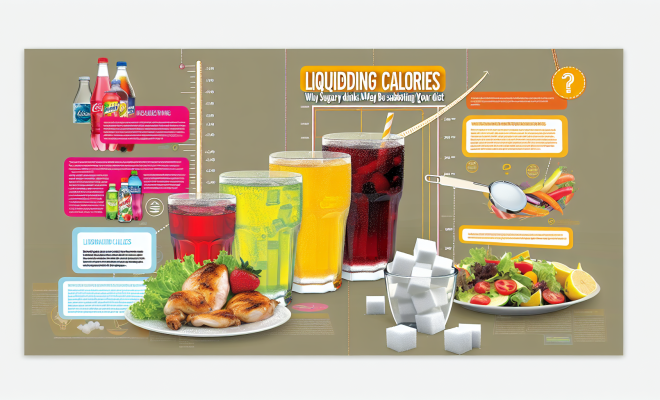
In the quest for weight management and overall health, one significant factor often overlooked is the impact of liquid calories on our diets. Recent research has revealed that the calories we consume through beverages, especially sugary drinks, behave quite differently from those obtained through solid foods. This crucial distinction could be the reason behind unexpected weight gain for many individuals.
The Science Behind Liquid vs. Solid Calories
When we consume solid foods, the process of chewing and digesting activates a range of physiological responses in our bodies. Solid foods trigger the release of satiety hormones, such as GLP-1 (glucagon-like peptide-1), which signal to our brain that we are full. This gradual process allows for better regulation of hunger and appetite.
In stark contrast, liquid calories tend to move through the stomach much faster. Sugary beverages, for instance, can pass quickly into the intestines without triggering the same robust fullness signals. This rapid transit not only diminishes the effectiveness of the body’s satiety mechanisms but also often leads to increased overall calorie consumption. Studies have shown that this can cause individuals to feel hungry sooner after consuming liquid calories compared to solid foods.
The Role of Sugary Drinks in Diet
The average can of soda contains about 35 grams of sugar, a staggering amount that can quickly add up in a daily diet. While many may assume that opting for drinks marketed as healthier, like 100% fruit juice, is a better choice, this is not always the case. Fruit juices often lack the dietary fiber found in whole fruits, which plays a crucial role in promoting satiety. Consumption of these beverages in large quantities can also contribute to excessive calorie intake.
Understanding Satiety Hormones
One of the primary reasons liquid calories can be problematic is their impact on satiety hormones. Research indicates that sugary drinks cause a relatively weak release of these hormones compared to solid foods. As a result, individuals may consume a sugary beverage and still feel hungry shortly after, leading to additional snacking or overeating.
In contrast, solid foods require chewing, which slows down consumption and gives our bodies time to release the necessary hormones to signal fullness. Foods that are high in fiber, protein, and healthy fats are particularly effective at promoting satiety, making them better choices for those looking to manage their weight.
Switching to Healthier Alternatives
Recognizing the impact of sugary drinks on our diets opens the door to healthier choices. Experts recommend replacing sugary beverages with alternatives that are not only lower in calories but also beneficial for overall health. Some recommended substitutions include:
- Water: The healthiest option that hydrates without any calories.
- Infused Water: Add slices of fruits, herbs, or vegetables for flavor without added sugars.
- Unsweetened Tea: A flavorful, calorie-free alternative that can be enjoyed hot or cold.
- Buttermilk: A nutritious option that provides probiotics and is lower in calories than many sugary drinks.
- Coconut Water: A natural, slightly sweet beverage that’s lower in sugar than most sodas.
By making small adjustments, such as replacing just one sugary drink each day with an unsweetened alternative, individuals can significantly reduce their overall calorie intake. This simple change can lead to a lower risk of weight gain and associated metabolic diseases over time.
The Bigger Picture: Long-Term Health Benefits
Incorporating healthier beverage choices is not just about immediate weight management; it also has long-term health benefits. Reducing liquid calorie intake can help individuals maintain a healthy weight and lower the risk of developing chronic diseases such as diabetes, heart disease, and even certain types of cancer.
Moreover, staying hydrated is crucial for overall well-being, aiding in various bodily functions including digestion, circulation, and temperature regulation. Choosing beverages wisely can thus enhance not only physical health but also mental clarity and energy levels.
Conclusion
The insights drawn from recent research highlight the need to pay closer attention to the types of calories we are consuming, particularly from liquids. Understanding that sugary drinks can lead to increased hunger and overall calorie intake is vital for anyone looking to manage their weight effectively. By replacing these beverages with healthier options, we can take significant steps towards achieving our health and fitness goals.
In a world where convenience often trumps nutritional value, being mindful of our beverage choices can make a world of difference, paving the way for a healthier lifestyle and improved well-being.