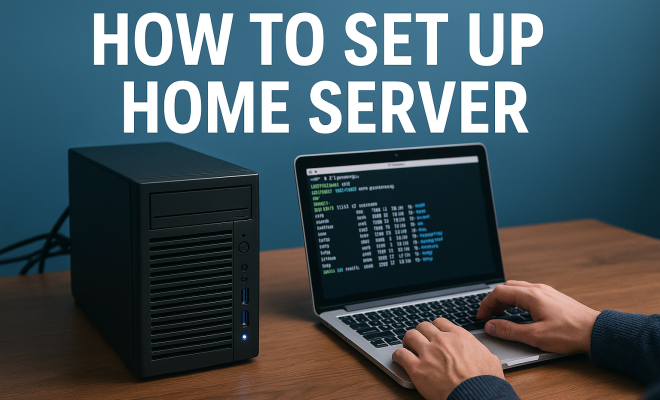
How to set up home server
“`html
Setting up a home server might sound like an intimidating project, but it can be incredibly rewarding and beneficial in many ways. Whether you’re looking to centralize your media files, run a personal cloud, or host your own website, a home server setup can serve as a versatile solution to meet your needs. In this comprehensive guide, we’ll walk through the essential steps, considerations, and benefits of establishing your own home server.
1. What is a Home Server?
A home server is essentially a centralized computer or device that stores and manages data for various devices in your home. Unlike a regular PC that you might use for gaming or browsing, a server is optimized for data storage, file sharing, and running applications that can be accessed by multiple users over a local network or the internet.
The primary function of a home server can vary from file storage and media streaming to website hosting and home automation. You might have heard of popular solutions like Plex for media streaming or Nextcloud for file management; these are just a couple of examples of what you can achieve with a home server setup.
2. Why Set Up a Home Server?
So, why would you want to dive into a home server setup? The benefits are numerous. Firstly, having your own server allows for increased control over your data. Unlike cloud services, your data resides physically on your own hardware, providing a level of privacy and security that many users find appealing.
Additionally, a home server can save you money in the long run. Instead of paying monthly fees for cloud storage or media services, you can host everything from your home. It also provides an excellent opportunity to learn more about networking and server management, skills that are increasingly valuable in today’s tech landscape.
3. Choosing the Right Hardware
Your home server setup starts with choosing the right hardware. Fortunately, you don’t need to invest in high-end enterprise-grade equipment. Many enthusiasts use old PCs, laptops, or even Raspberry Pi devices for their servers. The key is to consider what you’ll be doing with your server. For basic file storage and media streaming, a modest machine with a decent processor and RAM can suffice.
Here are a few options:
- Old Desktop or Laptop: Many people repurpose old PCs by installing a server operating system. Ensure it has sufficient storage and memory.
- Network Attached Storage (NAS): This is purpose-built hardware for managing data storage. Brands like Synology and QNAP offer user-friendly options.
- Raspberry Pi: If you’re looking for a low-cost solution for lightweight tasks, a Raspberry Pi can work well for basic file sharing or running small applications.
4. Selecting an Operating System
Once you have your hardware, the next step in your home server setup is choosing the right operating system. Your choice largely depends on what you plan to do with your server. Popular operating systems for home servers include:
- Windows Server: Ideal for those who prefer a familiar interface and want to run Windows-specific applications.
- Linux Distros: Distributions like Ubuntu Server, CentOS, or Debian are excellent for those who want flexibility and control without licensing fees.
- FreeNAS: This is tailored specifically for storage solutions, making it perfect for NAS setups.
Consider how comfortable you are with command-line interfaces versus graphical user interfaces. Linux requires some technical knowledge, but it offers vast customization options. (See: Home server definition and overview.)
5. Networking Considerations
Getting the networking aspect right is crucial in a home server setup. Your server needs to communicate with other devices seamlessly, and having a stable connection is vital. Here are some networking tips:
- Wired vs. Wireless: For reliability, a wired connection (Ethernet) is preferred. It reduces latency and enhances transfer speeds, especially for tasks like media streaming.
- Static IP Address: Assigning a static IP to your server will ensure that other devices can consistently find it on your network. This avoids issues where the server’s address changes.
- Router Configuration: You may need to adjust settings on your router, like setting up port forwarding, to allow external access to your server.
6. Setting Up File Sharing
Once your hardware and networking are ready, it’s time to set up file sharing. This is one of the most common uses for a home server, allowing multiple users and devices to access shared files conveniently. Depending on your chosen operating system, the steps will vary:
For Windows Server, you can create shared folders and set permissions through the file explorer. For Linux systems, you might use Samba, which mimics Windows file sharing. FreeNAS offers a user-friendly interface to create and manage shares easily. You may also want to consider setting up user accounts to control access to your shared files, ensuring that sensitive data is only accessible to authorized users.
7. Media Streaming Solutions
Media streaming is one of the most exciting aspects of a home server setup. Instead of relying on streaming services, you can host your own media library. Applications like Plex and Jellyfin allow you to organize and serve your media collection, including music, movies, and TV shows.
Setting up Plex on your server is relatively straightforward. After installing the Plex Media Server application, you can add your media folders, and Plex will automatically organize your content. You’ll also be able to access your library from anywhere, provided you have internet access and the app installed on your devices. Jellyfin, an open-source alternative, offers similar functionalities and is a great choice for those who prefer a completely free solution.
8. Backup and Security Measures
Security is paramount when it comes to a home server setup, particularly if it’s accessible over the internet. Start by implementing strong passwords for all user accounts and consider using two-factor authentication (2FA) wherever possible. Regular updates to your server’s operating system and applications are essential to protect against vulnerabilities.
Additionally, a solid backup strategy is essential. Regularly backing up your data ensures that you won’t lose it in case of hardware failure or cyberattacks. Solutions like external hard drives, cloud backups, or even RAID configurations can help you maintain data safety.
9. Expanding Your Home Server Capabilities
Once you have the basics down, the fun really begins. Your home server setup can evolve based on your interests and needs. For instance, you might explore self-hosted applications for tasks like email (using solutions like Nextcloud) or cloud storage. You can even set up a home automation server with platforms like Home Assistant to connect and control smart home devices.
Learning about virtual machines or Docker can also extend your server’s capabilities. These allow you to run multiple services on the same hardware without interference, making your home server even more powerful.
In summary, a home server setup can be tailored to your unique requirements and interests. From file storage to media streaming and beyond, the possibilities are extensive. You’ll not only gain control over your data but also develop valuable skills along the way. So why wait? Start planning your home server setup today and unlock a new level of convenience and capability in your digital life. (See: Home health and technology considerations.)
10. Common Use Cases for Home Servers
Understanding how you might use a home server can provide inspiration and clarity as you begin your setup. Below are some common applications and scenarios where a home server can shine:
- Personal Cloud Storage: Using software like Nextcloud, you can create your own cloud storage solution. This ensures that your files are accessible from anywhere while keeping your data secure and private.
- Game Server: If you’re into gaming, setting up a dedicated game server for titles like Minecraft, Ark: Survival Evolved, or Counter-Strike can enhance your gaming experience, allowing for greater control and customization.
- Website Hosting: With a home server, you can host your own website using software like WordPress or Joomla. This is a fantastic way to learn more about web development and server management.
- Home Automation: A home server can serve as a hub for smart home devices. You can integrate various devices and platforms to create a cohesive smart home environment, leveraging software like Home Assistant or OpenHAB.
- Development and Testing: A home server is a great place to develop applications or test software projects. You can create separate environments using virtual machines or containers to safely explore new technologies without impacting your main systems.
11. Choosing Software for Your Home Server
Beyond hardware and operating systems, the software you choose can significantly impact your home server setup. Here are some popular software solutions that can enhance your home server’s functionality:
- Plex: As mentioned earlier, Plex offers media management and streaming capabilities, allowing you to organize and access your library from anywhere.
- OpenMediaVault: This is a free NAS solution based on Debian, making it an excellent choice for those looking to build a file server without the complexities of traditional server setups.
- Docker: This powerful tool allows you to run applications in isolated containers, making deployment and management of software much easier. It’s particularly useful for developers or those looking to experiment with different applications.
- Emby: An alternative to Plex for media streaming, Emby organizes your media and provides a user-friendly interface to access your collection.
12. Power and Energy Considerations
Running a home server can mean additional energy consumption, so it’s essential to consider power efficiency when setting up. Here are a few tips to help minimize the impact on your electricity bill:
- Choose Energy-Efficient Hardware: If you’re building a server, opt for energy-efficient components. Many modern CPUs and motherboards are designed with power-saving features.
- Utilize Sleep Modes: Configure your server to enter a low-power state during inactivity. Most operating systems offer options for sleep or hibernation modes.
- Monitor Energy Usage: Use smart plugs or energy monitors to track how much power your server consumes. This can help you identify opportunities for reducing energy usage.
13. Common Challenges and Troubleshooting
As with any technology project, setting up a home server can come with its own set of challenges. Here are some common issues and solutions:
- Connectivity Issues: If your server isn’t accessible, check your router settings and ensure that your network configurations are correct. Sometimes restarting your modem and router can help.
- Performance Problems: If your server feels sluggish, assess your hardware specifications. Upgrading RAM or storage drives can often improve performance significantly.
- Data Loss: Always ensure you have a solid backup strategy in place. Use RAID configurations or regular external backups to safeguard your data against hardware failures.
Being proactive about maintenance and monitoring will help you troubleshoot effectively and keep your home server running smoothly.
14. FAQs About Home Server Setup
Still have questions about setting up your home server? Check out these frequently asked questions:
- Do I need a dedicated machine for a home server? Not necessarily. You can repurpose an old computer or even use a Raspberry Pi for lightweight server tasks depending on your needs.
- Can I access my home server over the internet? Yes, by configuring your router for port forwarding and ensuring your server is set up to allow remote access, you can reach your home server from anywhere.
- Is a home server secure? Security depends on how you configure it. Utilizing strong passwords, firewalls, and keeping your software updated can significantly enhance security.
- What is the best software for media streaming? Plex and Jellyfin are two of the most popular options for organizing and streaming media collections.
- How much storage do I need for my home server? It largely depends on your use case. For media streaming, consider your media library size. A few terabytes are typically sufficient for most home users, but plan for growth.
15. Future Trends in Home Server Technology
As technology continues to evolve, home servers are becoming more sophisticated and easier to use. One notable trend is the rise of hybrid storage solutions that combine local storage with cloud capabilities. This allows users to seamlessly access their data wherever they are while keeping sensitive files secure on local hardware.
Additionally, advancements in Artificial Intelligence (AI) are starting to play a role in home server setups. Some home server software can now utilize AI to organize media more intuitively or even to analyze usage patterns and optimize performance accordingly. For instance, smart media servers can automatically suggest content based on your viewing habits. (See: Research on home server technologies.)
Another trend is integration with IoT (Internet of Things) devices, which enhances home automation capabilities. More users are leveraging their home servers to manage connected devices, creating a streamlined smart home ecosystem that offers enhanced control and security.
16. Networking Beyond the Basics
While basic networking setups are essential, diving deeper can significantly enhance your home server’s performance and reliability. Consider implementing a Quality of Service (QoS) setup on your router. QoS allows you to prioritize network traffic, ensuring that critical tasks like media streaming or online gaming have the necessary bandwidth during peak usage times.
Additionally, utilizing a VPN (Virtual Private Network) can enhance both the security and accessibility of your home server. By setting up a VPN, you can securely access your server from anywhere in the world as if you were on your home network. This is particularly beneficial if you often travel or work remotely.
17. Community and Support Resources
When embarking on your home server journey, tapping into community resources can be invaluable. Online forums like Reddit’s r/HomeServer or specialized communities on platforms like Discord can provide insights, troubleshooting help, and inspiration from fellow enthusiasts.
Additionally, YouTube is filled with tutorial channels that showcase various home server setups, software configurations, and troubleshooting tips. Engaging with these resources can help you stay up to date on the latest trends, best practices, and new applications that may suit your needs.
Setting up a home server is an exciting venture that opens a world of possibilities in managing your digital life. With the right hardware, software, and a bit of planning, you can create a powerful and efficient server tailored to your specific needs. Don’t hesitate to explore and experiment—after all, the learning experience is one of the best parts of the journey!
“`
Trending Now
Frequently Asked Questions
What is a home server used for?
A home server is used for various purposes including file storage, media streaming, website hosting, and home automation. It acts as a centralized device that manages and shares data across multiple devices in your home, making it a versatile solution for personal and family needs.
Why should I set up a home server?
Setting up a home server offers increased control over your data, enhanced privacy, and potential cost savings on cloud services. It also provides an opportunity to learn valuable skills related to networking and server management, which are increasingly important in today's technology-driven world.
What hardware do I need for a home server?
Choosing the right hardware for a home server depends on your specific needs. Generally, you don't need high-end enterprise equipment; a reliable computer or NAS device with sufficient storage and processing power will suffice for most home server functions.
How does a home server improve data security?
A home server improves data security by keeping your data stored locally on your own hardware, rather than relying on third-party cloud services. This physical control helps protect your information from potential breaches and unauthorized access.
Can I host a website on my home server?
Yes, you can host a website on your home server. By setting up the necessary software and configuring your server correctly, you can run your own website, providing a great way to learn about web hosting and server management while maintaining full control over your content.
What’s your take on this? Share your thoughts in the comments below — we read every one.