Emperor Penguins & Antarctic Fur Seals Now Endangered
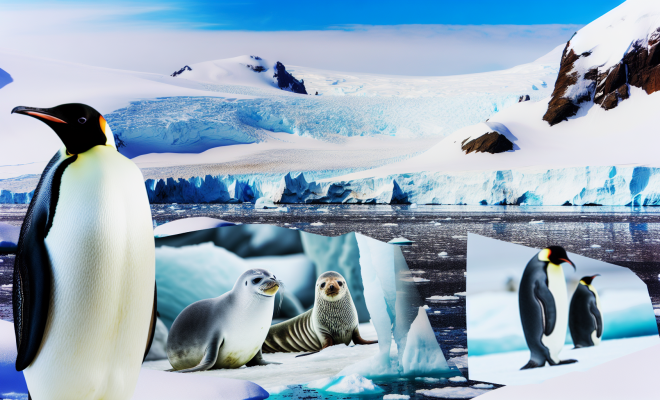
The effects of climate change are becoming increasingly dire, with notable impacts on wildlife populations in some of the world’s most remote habitats. The International Union for Conservation of Nature (IUCN) has recently reclassified both the emperor penguin and the Antarctic fur seal as ‘Endangered’ on its Red List, underscoring the urgent need for global conservation efforts.
Climate Change and Its Impact on Wildlife
As climate change accelerates, the ecosystems of the Antarctic region are undergoing severe transformations. The emperor penguin, a symbol of the icy continent, is particularly vulnerable due to its reliance on stable sea ice for breeding and foraging. Shrinking sea ice and warming ocean temperatures have led to drastic consequences for these birds.
Emperor Penguin: A Population in Decline
Recent studies indicate that emperor penguin populations could be cut in half by the 2080s. Between 2009 and 2018, the species already experienced a significant decline, losing approximately 10% of its population, which translates to over 20,000 adult penguins. The early breakup of sea ice has been identified as a major factor in this decline, as it disrupts their breeding cycles and increases the risk of chick drowning.
Chick Mortality and Habitat Disruption
The emperor penguin’s unique reproductive strategy requires access to stable sea ice, which serves as a platform for nesting. However, with early ice breakup, many chicks are left vulnerable and face high mortality rates. The consequences of these changes are evident: fewer chicks survive to adulthood, leading to a sharp decline in population numbers.
The Antarctic Fur Seal: A Struggling Species
Similar threats are facing the Antarctic fur seal, whose populations have dwindled by an alarming 50% since the year 2000. The decline of this species is largely attributed to reduced food availability, driven by changing oceanic conditions that affect the distribution and abundance of their prey.
Food Scarcity and Its Consequences
The Antarctic fur seal primarily feeds on krill and fish, both of which are sensitive to changes in sea temperature and ice coverage. As the climate warms, these species migrate or decline in number, leaving the seal population struggling to find adequate sustenance. This decline serves as a stark reminder of the interconnectedness of marine ecosystems and the cascading effects of climate change.
Urgent Need for Global Action
The decline of the emperor penguin and the Antarctic fur seal highlights the urgent need for global decarbonization efforts. The threats faced by these species are indicative of larger environmental issues that, if left unaddressed, could lead to further biodiversity loss and ecological collapse.
The Role of International Conservation Efforts
Conservation organizations and governments around the world are being called upon to take immediate action to mitigate the impacts of climate change. This includes:
- Reducing greenhouse gas emissions to limit global warming.
- Protecting critical breeding and foraging habitats for marine wildlife.
- Promoting sustainable fishing practices to ensure food availability for species like the Antarctic fur seal.
- Investing in research to monitor wildlife populations and their habitats.
Public Awareness and Engagement
Raising public awareness about the plight of these species is crucial in fostering a culture of conservation. Educational initiatives aimed at informing the public about the effects of climate change on wildlife can inspire action at both individual and community levels. Supporting organizations that focus on habitat preservation, as well as reducing personal carbon footprints, can contribute to broader efforts to combat climate change.
A Call to Action
The emperor penguin and the Antarctic fur seal are not just at risk; they are emblematic of the broader impacts of climate change on our planet’s biodiversity. The urgent reclassification of these species as endangered serves as a wake-up call to the global community. As we face an uncertain future, it is imperative that we take coordinated action now to safeguard these remarkable creatures and the ecosystems they inhabit.
By addressing the root causes of climate change and committing to sustainable practices, we can help avert further declines in populations and protect the delicate balance of life in the Antarctic region. The fate of the emperor penguin and Antarctic fur seal is intertwined with our own, and our response to this crisis will determine the health of our planet for generations to come.