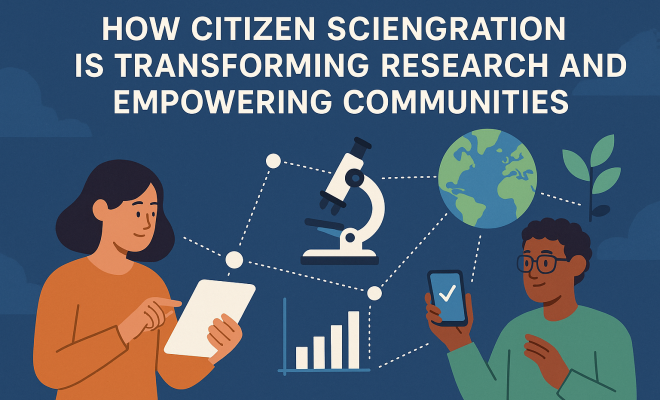
How Citizen Science Integration Is Transforming Research and Empowering Communities
“`html
In the dynamic landscape of modern science, one term is gaining considerable traction: citizen science integration. This approach marries the passion and insights of ordinary citizens with the rigorous methodology of professional scientific inquiry. Recent discussions highlight how this integration not only amplifies data collection but also engages communities in pressing global issues such as climate change, biodiversity loss, and environmental conservation.
Understanding Citizen Science
At its core, citizen science invites the public to participate in scientific research, often in partnership with professional scientists. This collaboration can take many forms, from simple data collection to more complex tasks like monitoring wildlife populations or analyzing environmental samples. The essence of citizen science lies in its ability to democratize science, allowing everyday individuals to contribute towards scientific discovery.
Historically, citizen science has roots dating back to the early 19th century, but it has found new life in the digital age. The rise of smartphones, social media, and online platforms enables more people to engage with scientific endeavors than ever before. Projects like eBird and iNaturalist have mobilized thousands to record bird sightings and plant species, respectively, creating vast databases that scientists rely on for research.
The Value of Integration
The integration of citizen science with traditional research models offers several compelling advantages. First and foremost, it significantly boosts data collection capacity. With a larger pool of contributors, researchers can gather information over broader geographic areas and time frames, which is essential for studies involving dynamic ecological systems.
For example, a study monitoring migratory bird patterns might involve professional scientists working alongside citizen scientists who report sightings. This collaboration can lead to a much richer data set than what any single researcher could compile alone. The result is not just more data, but also higher quality data, as diverse participants can provide different perspectives and insights.
Broadening Geographic Coverage
Access to remote or underserved areas can be a significant challenge for researchers. Traditional scientific studies often struggle to cover vast terrains, especially in regions with limited infrastructure. Here, the integration of citizen science becomes invaluable. Local volunteers can serve as the eyes and ears of scientists, monitoring local environments and reporting changes.
For instance, in regions affected by climate change, such as the Arctic, citizen scientists can help track wildlife adaptations or habitat shifts. Their on-the-ground observations allow scientists to gain insights into environmental changes occurring at a pace that might not be captured through conventional methods alone.
Strengthening Public Trust in Science
As public skepticism towards science continues to grow in various circles, citizen science integration serves as a bridge to rebuild trust. By involving citizens in research efforts, scientists can foster a sense of ownership and transparency. Participants not only contribute their time and effort, but they also gain a deeper understanding of the scientific process.
This transparency is crucial in an era where misinformation can spread rapidly. When citizens see their contributions directly impacting research outcomes, they become more inclined to trust the scientific community. For example, during the COVID-19 pandemic, many citizen science initiatives sprung up to track symptom reporting and vaccination rates, empowering individuals while providing valuable data to health authorities.
Addressing Urgent Environmental Issues
As the climate crisis intensifies, the urgency for meaningful action grows. Citizen science integration provides a pathway for communities to engage with local environmental issues actively. Projects that focus on monitoring biodiversity, such as tracking pollinator populations or assessing water quality in local rivers, empower citizens to take action in their own backyards.
Consider the case of the Great Backyard Bird Count, where participants count bird species in their local areas and report their findings online. This initiative not only contributes critical data to ornithological research but also raises awareness about the importance of bird conservation and biodiversity. Participants become advocates for their local environments, which can have a ripple effect in their communities. (See: Nature article on citizen science.)
Case Studies in Successful Integration
Numerous case studies illustrate the benefits of citizen science integration. One notable example is the North American Amphibian Monitoring Program, which enlists volunteers to monitor frog and toad populations across the continent. By creating a network of citizen scientists, researchers have been able to compile comprehensive data on amphibian declines and their potential causes.
Another groundbreaking initiative, Project Squirrel, allows citizens to report squirrel sightings, helping researchers study their behavior and distribution. Through this simple act, thousands of people contribute to vital research that informs conservation efforts and enhances our understanding of urban wildlife.
Challenges to Integration
While the benefits of integrating citizen science with conventional research are clear, challenges remain. One significant issue is ensuring data quality. Researchers must develop robust protocols to train citizen scientists and to verify the accuracy of the data they collect. Without proper guidance, there’s a risk of gathering unreliable information, which can compromise research outcomes.
Moreover, balancing the enthusiasm of citizen participation with the rigor of scientific methodology can be tricky. Researchers often need to navigate the fine line between allowing freedom for citizen scientists to explore while maintaining strict standards for their contributions. Effective communication and training are essential in this regard, ensuring that all participants understand their roles and responsibilities.
The Role of Technology in Citizen Science
Technological advancements play a pivotal role in facilitating citizen science integration. Mobile apps and online platforms have revolutionized how data is collected and shared. For instance, the use of GPS technology allows participants to document their observations accurately, while cloud-based databases enable seamless data access and analysis.
Moreover, social media serves as a powerful tool for engagement. Initiatives can quickly gain traction, attracting a diverse group of participants eager to contribute. The viral potential of citizen science is evident when projects share compelling stories or visuals related to their findings, sparking interest and participation across social networks.
Future Directions for Citizen Science Integration
The future of citizen science integration looks promising. As awareness of environmental issues grows, more individuals are likely to seek ways to contribute. Researchers recognize the value of harnessing this public enthusiasm, leading to innovative projects that tap into local knowledge and resources.
Educational institutions also stand to benefit from this integration. By incorporating citizen science into academic curricula, schools can foster a new generation of scientifically literate citizens. Programs that engage students in real-world research provide hands-on experiences that enrich their understanding and inspire their future career paths.
Expert Perspectives on Citizen Science Integration
Experts in the field of citizen science and environmental research highlight the transformative potential of integrating citizen contributions into professional scientific endeavors. Dr. Jane Goodwin, a leading ecologist, notes, “Citizen science not only expands the research capacity but also nurtures a sense of community around science. When people see their input valued, they are more likely to engage in other scientific endeavors.” This sentiment echoes through many scientific communities, emphasizing that citizen science is more than just data collection; it’s about building a community of informed and involved citizens.
Statistics Reflecting the Impact of Citizen Science
Recent surveys reveal the growing impact of citizen science initiatives. According to a 2022 report by the Citizen Science Association, projects involving citizen scientists have increased by over 300% in the last decade. Furthermore, a study published in the journal Nature Sustainability found that data collected by citizen scientists can be 80% as reliable as data collected by trained professionals, indicating that, with proper training and guidance, laypeople can significantly contribute to scientific knowledge.
Comparative Analysis: Citizen Science vs. Traditional Research
While both citizen science and traditional research aim to advance knowledge, they differ fundamentally in approach and scope. Traditional research often relies heavily on controlled environments and strict methodologies, which can limit participation to a select few. In contrast, citizen science fosters inclusivity, allowing individuals from diverse backgrounds to participate. This diversity not only enriches the data but also brings unique insights that may otherwise be overlooked by conventional research methods.
For example, in traditional studies, researchers may miss subtle local behaviors or environmental factors that citizen scientists, familiar with their surroundings, can provide. Additionally, citizen science can accelerate data collection processes, providing timely information that may be critical for environmental monitoring and response strategies. (See: ScienceDirect on citizen science impact.)
Frequently Asked Questions (FAQ)
What types of projects qualify as citizen science?
Citizen science projects can vary widely, but they generally involve public participation in scientific research. This includes activities like wildlife monitoring, environmental assessments, data collection for weather patterns, and community health research. Many initiatives leverage technology, allowing participants to submit data via mobile apps or online platforms.
How do researchers ensure the accuracy of citizen-collected data?
To ensure data quality, researchers implement training programs for citizen scientists, providing them with guidelines on data collection methodologies. Additionally, many projects utilize verification processes, often involving professional scientists who review and validate the contributions made by citizen participants.
Can anyone participate in citizen science projects?
Absolutely! Citizen science is designed to be inclusive and accessible. Most projects welcome individuals of all ages and skill levels, encouraging everyone from casual enthusiasts to experienced researchers to participate. Many organizations provide resources and training to help newcomers get started.
What are some successful examples of citizen science integration?
Some notable examples include the National Audubon Society’s Christmas Bird Count, which has been running for over a century and gathers data on bird populations from thousands of participants, and the Cornell Lab of Ornithology’s eBird project, which is one of the most extensive biodiversity databases in existence, all thanks to citizen contributions.
What is the future of citizen science integration?
The future looks bright for citizen science integration, especially as technology continues to evolve. With advancements in mobile technology, data analysis tools, and social media, more people will have the opportunity to engage in scientific research. Additionally, as environmental challenges become more pronounced, the need for community-driven data collection will likely increase, making citizen science an essential component of modern research strategies.
The Importance of Education in Citizen Science
Education plays a vital role in the success and sustainability of citizen science initiatives. Programs designed to educate participants about scientific methods, environmental challenges, and data collection techniques can significantly enhance the quality of contributions made by citizen scientists. Schools and universities can integrate citizen science projects into their curricula, allowing students to gain firsthand experience in research while contributing to real-world scientific inquiries.
For example, many educational institutions partner with citizen science organizations to create opportunities for students to engage in projects that align with their curriculum. This not only fosters a sense of responsibility towards their local environment but also cultivates critical thinking and analytical skills. By learning the scientific process through participation, students develop a deeper appreciation for science as a discipline and its relevance to their lives.
Building Partnerships for Effective Integration
Successful citizen science integration often hinges on effective partnerships between scientists, local organizations, and the community. Collaborative efforts can enhance the credibility and reach of citizen science projects, ensuring that they are well-supported and adequately funded. By working with local NGOs, government agencies, and educational institutions, researchers can tap into existing resources and networks, helping to mobilize citizen participation.
For instance, partnerships can facilitate training sessions for citizen scientists, providing them with the necessary skills to collect high-quality data. These collaborations also enable researchers to share their findings with the community, reinforcing the value of citizen contributions and fostering a culture of ongoing engagement. Ultimately, building strong community ties and effective partnerships can amplify the impact of citizen science integration.
Innovative Tools and Platforms Enhancing Citizen Science
The proliferation of innovative tools and platforms has transformed the landscape of citizen science integration. Mobile applications allow citizens to easily collect and share data with researchers. For example, apps like iNaturalist not only enable users to document observations but also help identify species using image recognition technology. This makes participation accessible and user-friendly, encouraging more people to contribute their observations. (See: New York Times on citizen science.)
Moreover, online databases and platforms facilitate collaboration by enabling researchers to analyze data in real-time. Tools like Zooniverse allow volunteers to assist in classifying data from various fields ranging from astronomy to biology, proving that citizen science can cross disciplinary boundaries. These platforms also provide feedback to participants, which can enhance their learning experience and encourage continued involvement.
Case Study: The Global Phenology Project
The Global Phenology Project exemplifies how citizen science can address climate change issues through community involvement. By documenting the timing of seasonal events—like flowering, leaf-out, and migration—citizen scientists contribute to a better understanding of how climate change impacts ecosystems. Participants across the globe submit their observations, creating a massive dataset that researchers can analyze to study shifts in phenology and its implications for biodiversity and climate.
This project not only highlights the value of citizen contributions to scientific research but also serves as an educational tool. Participants learn about local ecosystems while directly contributing to scientific knowledge, illustrating the power of citizen science integration in tackling global challenges.
Looking Ahead: The Role of Citizen Science in Policy Making
As the importance of citizen science integration continues to grow, its potential impact on policy making cannot be overlooked. Policymakers increasingly recognize the value of incorporating citizen-collected data into environmental assessments and decision-making processes. Citizen science can provide real-time data that supports conservation efforts, informs climate action plans, and enhances disaster response strategies.
For example, citizen-collected data on air quality can aid local governments in understanding pollution sources and developing targeted interventions. By engaging citizens in the monitoring process, communities can advocate for stronger environmental regulations based on solid evidence. This direct involvement in policy-making demonstrates how citizen science integration not only benefits scientific research but also empowers communities to effect change.
Conclusion: The Power of Community-Driven Science
In summary, the integration of citizen science into conventional research is not just an emerging trend; it is a transformative approach to addressing some of the most pressing challenges we face today. By empowering ordinary citizens to become active contributors to scientific discovery, we can enhance data collection, broaden geographic coverage, and strengthen public trust.
The urgency of climate change, biodiversity loss, and environmental degradation demands innovative solutions. Citizen science integration offers a pathway for communities to engage with these challenges directly, fostering a sense of agency and responsibility among participants. As we move forward, embracing this inclusive approach not only enriches the scientific endeavor but also cultivates a culture of collaboration, resilience, and shared purpose in tackling the issues that affect us all.
“`
Trending Now
Frequently Asked Questions
What is citizen science integration?
Citizen science integration combines the efforts of ordinary individuals with professional scientists to enhance research. This approach enables public participation in data collection and analysis, fostering community engagement in scientific inquiry on issues like climate change and biodiversity.
How does citizen science benefit research?
Citizen science significantly boosts data collection capacity by involving a larger pool of contributors. This allows researchers to gather more extensive data over larger geographic areas and timeframes, enhancing the quality and scope of scientific studies.
What are some examples of citizen science projects?
Examples of citizen science projects include eBird, where volunteers record bird sightings, and iNaturalist, which encourages users to document plant species. These initiatives create valuable databases that support scientific research and conservation efforts.
Why is citizen science important for communities?
Citizen science empowers communities by involving them in scientific processes. It democratizes science, allowing individuals to contribute to research efforts and engage in pressing global issues, fostering a sense of ownership and responsibility towards environmental conservation.
How has technology impacted citizen science?
Technology has revolutionized citizen science by providing tools like smartphones and online platforms that facilitate participation. These advancements enable more people to engage with scientific research, increasing collaboration and the overall impact of citizen science initiatives.
Agree or disagree? Drop a comment and tell us what you think.