Navigating the Future: Orange County School Board’s AI Policy Update Set to Address Parental Concerns
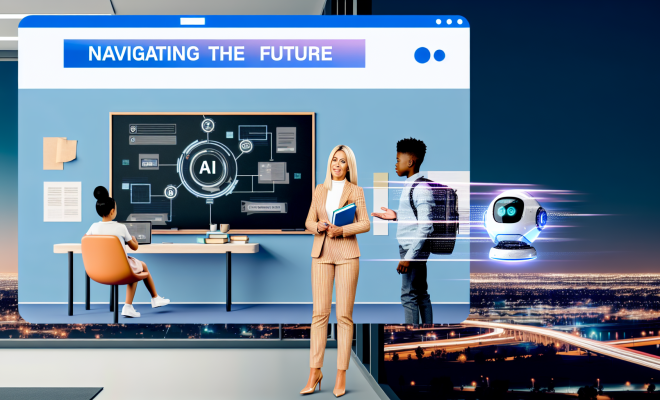
As the landscape of education evolves with the integration of technology, Orange County Public Schools (OCPS) is stepping into the spotlight to tackle the pressing matter of artificial intelligence (AI) in classrooms. The school board is set to convene to discuss an updated AI policy, aiming to address the growing divisions among parents regarding the role of AI tools in their children’s education.
The Growing Role of AI in Education
Artificial intelligence has rapidly infiltrated various sectors, and education is no exception. From personalized learning experiences to administrative efficiencies, AI promises a wealth of opportunities for enhancing educational outcomes. However, as these technologies become more prevalent, they also raise a multitude of questions and concerns among parents, educators, and stakeholders.
Understanding Parental Concerns
According to reports, parents are divided on the integration of AI tools in educational settings. Some parents advocate for the inclusion of AI, believing it can significantly enhance learning by providing tailored educational experiences that cater to individual student needs. Others, however, express apprehension regarding privacy, the potential for over-reliance on technology, and the implications of AI on critical thinking and problem-solving skills.
- Privacy Issues: Concerns about data security and the ethical use of student information are at the forefront of many parents’ minds.
- Over-reliance: The fear that students may become too dependent on AI tools, potentially undermining their ability to think critically and solve problems independently.
- Equity: Questions about whether access to AI technology will be equitable, ensuring all students have the same opportunities to benefit.
OCPS’s Response to the Concerns
In response to these parental concerns, OCPS is committed to refining its guidelines regarding AI use in educational settings. The school board’s upcoming discussion is a critical step in ensuring that policies reflect the community’s values while also promoting the effective use of technology in classrooms.
Stakeholder Involvement
Community Correspondent Stephanie Rodriguez has been closely monitoring the situation, highlighting the importance of stakeholder involvement in shaping the AI policy. By engaging parents, students, and educators in the discussion, OCPS seeks to create a comprehensive policy that addresses diverse perspectives and needs.
Potential Features of the Updated AI Policy
While the specifics of the updated AI policy are still under discussion, several key features are anticipated based on current trends and best practices in the field of education technology.
1. Clear Usage Guidelines
One potential feature of the new policy is the establishment of clear usage guidelines that delineate how AI tools should be incorporated into the curriculum. This could include:
- Guidelines on the appropriate age for AI tool usage.
- Protocols for monitoring and evaluating the effectiveness of AI interventions.
- Strategies for ensuring that AI complements rather than replaces traditional teaching methods.
2. Training for Educators
Another crucial aspect of the updated policy may involve comprehensive training programs for educators. As teachers become more familiar with AI technologies, they will be better equipped to integrate these tools into their teaching practices effectively. Training could encompass:
- Workshops on the various AI tools available for educational use.
- Best practices for incorporating AI into lesson plans.
- Strategies for assessing student performance using AI analytics.
3. Emphasis on Data Privacy
Given the concerns about data privacy, the new policy is likely to emphasize the importance of protecting student information. This may involve:
- Implementing strict data security measures.
- Outlining how data collected through AI tools will be used and shared.
- Providing parents with clear information about their rights regarding their children’s data.
4. Equity and Access Initiatives
To address equity concerns, OCPS may introduce initiatives aimed at ensuring all students have access to AI tools. This could include:
- Providing necessary technology and resources to underprivileged students.
- Creating partnerships with tech companies to enhance access.
- Developing programs that educate families about the benefits and challenges of AI in education.
Looking Ahead: The Future of AI in OCPS
As Orange County Public Schools prepares to discuss and potentially implement an updated AI policy, the future of technology in education hangs in the balance. The outcome of these discussions will not only impact students within the district but may also serve as a model for other school systems grappling with similar issues.
The Role of Community Engagement
Community engagement will be pivotal in shaping the AI policy. OCPS’s willingness to listen to and incorporate feedback from parents, educators, and students demonstrates a commitment to creating a collaborative environment where technology can thrive alongside traditional educational practices. Open forums, surveys, and town hall meetings may be utilized to gather input from diverse stakeholders.
Conclusion
As the Orange County School Board prepares to discuss its updated AI policy, the community stands at a crossroads. The decision to embrace or resist the integration of AI tools in education will require thoughtful consideration of the benefits and challenges posed by this technology. By addressing parental concerns, establishing comprehensive guidelines, and fostering community engagement, OCPS can pave the way for a future where AI enhances rather than detracts from the educational experience.
The continued evolution of AI in education is inevitable, and how it is managed will ultimately determine its success. As OCPS moves forward, the focus will be on creating an inclusive, effective, and ethical framework for AI use in classrooms, ensuring that all students have the opportunity to thrive in an increasingly digital world.