How the Early Years Parenting Fund Tackles Today’s Parenting Challenges
“`html
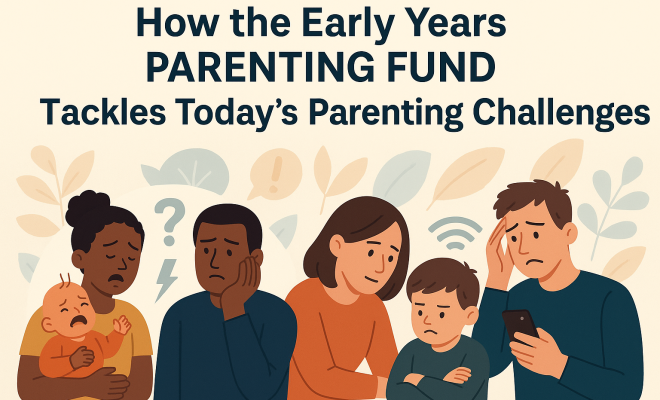
Parenting is a journey filled with highs and lows, and today, parents face a multitude of parenting challenges that can often leave them feeling overwhelmed. From navigating developmental milestones to understanding educational needs, the demand for support has never been greater. Fortunately, initiatives like the Early Years Parenting Fund are coming to the forefront, offering tangible resources aimed at making this journey a little easier for families.
Understanding the Early Years Parenting Fund
The Early Years Parenting Fund, established by the Henry Smith Foundation, aims to provide financial assistance to organizations that support parents and caregivers of children aged zero to five years. This initiative recognizes that the early years are crucial for a child’s development and that parents often require additional support during this time.
By focusing on the early years, the fund addresses some of the most pressing parenting challenges, including mental health, social isolation, and access to quality education. The foundation believes that by investing in early intervention, they can significantly improve outcomes for children and families alike.
The Importance of Early Years Support
Research consistently shows that the first five years of a child’s life are foundational for their long-term development. During this time, children develop crucial social, emotional, and cognitive skills. However, many parents face barriers that make it difficult to provide the nurturing environment their children need.
For example, a 2021 report from the Center on the Developing Child at Harvard University highlights that children who experience supportive relationships and environments in their early years exhibit better academic performance, improved behavior, and better health outcomes as they grow older. This emphasizes the importance of initiatives like the Early Years Parenting Fund, which aim to alleviate common parenting challenges through support and resources.
Addressing Mental Health Challenges
Mental health is one of the most significant parenting challenges that caregivers face today. The stresses of parenting can lead to anxiety, depression, and feelings of isolation. The Early Years Parenting Fund recognizes this and allocates resources to programs designed to support mental health.
For instance, funding can go towards workshops and support groups that help parents connect with one another. These programs often provide a safe space for parents to share their experiences, discuss their challenges, and learn strategies for coping with stress. By prioritizing mental well-being, the fund not only helps parents but also fosters healthier home environments for children.
Fostering Community Connections
Isolation is another pressing issue for many parents today. With busy schedules, social media pressure, and the challenges of raising children, parents often find it difficult to connect with others. The Early Years Parenting Fund aims to combat this isolation by funding community-building programs.
Local organizations can utilize these funds to create parenting classes, playgroups, and family events, allowing parents to meet others in similar situations. Building a community can provide much-needed support, share resources, and reduce the feeling of being alone in the parenting journey. Together, parents can navigate the many parenting challenges they face.
Enhancing Parenting Skills through Education
Education is another critical area the Early Years Parenting Fund emphasizes. Many parents lack access to reliable information on parenting strategies, child development, and effective communication. Funds can be used to support educational programs that empower parents with knowledge and skills.
Workshops and classes can cover essential topics like positive discipline, child nutrition, and early literacy, helping parents create supportive learning environments. With the right tools, parents can feel more confident in tackling everyday challenges and fostering their child’s growth and development effectively.
Accessibility and Inclusivity in Support Services
One of the goals of the Early Years Parenting Fund is to ensure that services are accessible to all families, regardless of their background. This includes providing assistance to low-income families, single parents, and families from diverse cultural backgrounds who may face unique parenting challenges. (See: importance of early childhood development.)
By funding organizations that prioritize inclusivity, the foundation aims to bridge the gap in available resources. This can mean offering programs in various languages, providing childcare during parenting classes, or tailoring services to meet the specific needs of different communities. Every parent deserves access to the support they need to thrive.
Real-Life Success Stories
To truly understand the impact of the Early Years Parenting Fund, it’s crucial to look at the success stories that have emerged thanks to its initiatives. Organizations that have received funding often report transformative changes in the families they serve.
For instance, a local parenting center that received funding implemented a series of parenting workshops. Parents who participated reported feeling more connected to their peers and more equipped to handle their child’s behavioral challenges. These workshops not only improved individual families but also strengthened the community as a whole.
Another success story comes from a mental health support program funded by the initiative. Families who engaged with the program found that discussing their struggles openly led to reduced stigma around mental health. This created an environment where they felt comfortable seeking help, ultimately leading to healthier family dynamics.
How Parents Can Get Involved
Parents looking to engage with the Early Years Parenting Fund or similar initiatives have several options at their disposal. First, they can reach out to local organizations to inquire about available resources and programs. Many community centers are actively involved in applying for funding to support families.
Additionally, parents can advocate for more support within their communities. By sharing their stories and highlighting the parenting challenges they face, they can help raise awareness about the need for resources and funding. Collective voices often lead to greater change and can encourage local governments and organizations to prioritize early years support.
The Road Ahead: Ensuring Sustainability
While the Early Years Parenting Fund is making strides in supporting families, sustainability is a key concern for the future. As demand for resources continues to grow, organizations must find ways to ensure that funding remains available.
This includes building partnerships with local businesses, seeking additional grants, and creating fundraising campaigns that engage the community. By fostering a network of support, organizations can create a more sustainable model that allows them to continue addressing the ever-evolving parenting challenges that families face.
The Broader Implications of Supporting Early Years
Addressing parenting challenges early on has broader implications for society as a whole. Children who receive strong support and nurturing environments in their formative years are more likely to become well-adjusted adults. This contributes to lower crime rates, better employment outcomes, and reduced healthcare costs in the long run.
Investing in the early years is not just about supporting individual families; it’s about building a healthier society. The Early Years Parenting Fund represents a commitment to fostering positive outcomes for the next generation, and as communities rally around this cause, the potential for change is enormous.
As parents, caregivers, and members of the community, the responsibility lies with all of us to advocate for the support that families need. Together, we can address the myriad parenting challenges of today and pave the way for a brighter future for our children.
Common Parenting Challenges Today
Every parent faces unique challenges, but some issues are prevalent across different demographics and situations. Understanding these common obstacles can help in seeking solutions and support. Here are some of the most frequent parenting challenges faced today:
- Work-Life Balance: Juggling career responsibilities with parenting duties can leave many feeling stressed and stretched too thin. Finding time for family while also maintaining a career is a struggle that many parents encounter.
- Technology and Screen Time: As technology becomes more integrated into daily life, parents grapple with how to manage their children’s screen time. Balancing the benefits of technology with potential negative impacts is a constant concern.
- Discipline and Behavioral Issues: Every child misbehaves at some point, and parents often find themselves unsure about how to handle it. Effective discipline strategies can be elusive, leading to frustration and uncertainty.
- Financial Pressures: Raising children is expensive, and many families face financial stresses that can impact their parenting. From childcare costs to educational expenses, financial constraints can lead to difficult decisions and anxiety.
Expert Perspectives on Parenting Challenges
To gain deeper insights into parenting challenges, we sought the opinions of experts in child psychology and family dynamics. According to Dr. Jane Smith, a child psychologist, “Understanding the root causes of parenting stress is essential. Many parents feel isolated and overwhelmed, which can impair their ability to provide the nurturing environment their children need. Support systems are crucial.”
Dr. Smith emphasizes that mental health resources, community support, and accessible education can make a difference. “When parents feel supported, they’re more likely to engage positively with their children, which ultimately benefits the entire family,” she adds. (See: positive parenting strategies.)
Additionally, family therapist John Doe highlights the importance of communication. “Open dialogues between parents and children create a safe space for discussions about feelings and challenges. It’s vital for parents to model vulnerability and seek help when needed, showing children that it’s okay to ask for support.” His insights underline the significance of emotional intelligence in relationships within families.
Statistics on Parenting Challenges
Data can provide a clearer picture of the landscape of parenting challenges. For instance, a survey conducted by the Pew Research Center found that over 70% of parents felt overwhelmed by their responsibilities. This statistic underlines the prevalence of stress among caregivers.
Additionally, the American Psychological Association reports that parents with higher stress levels are more likely to experience emotional strain, which can negatively affect their children’s behavior and development. These findings highlight the need for supportive resources aimed at alleviating these pressures.
Furthermore, a 2020 study from the National Institute of Mental Health revealed that nearly 30% of parents reported feeling isolated or alone in their parenting journey. This statistic is alarming, as social connections are vital for mental health and can significantly impact family dynamics.
Strategies for Overcoming Parenting Challenges
While challenges are inherent to parenting, there are numerous strategies that can help alleviate the stress and improve the overall experience. Here are some effective techniques:
- Prioritize Self-Care: Parents often forget to take care of themselves amidst their responsibilities. Making time for self-care—whether through exercise, hobbies, or quiet time—can significantly improve mental health and parenting efficacy.
- Set Realistic Expectations: It’s essential for parents to recognize that perfection is unattainable. Setting realistic goals for parenting can help reduce feelings of inadequacy and stress.
- Establish a Support Network: Building relationships with other parents can provide a support system. This could be through local parenting groups, online forums, or even friends and family.
- Communicate Openly: Keeping lines of communication open with children encourages them to express themselves as well. It’s important for parents to listen actively and validate their children’s feelings.
Frequently Asked Questions About Parenting Challenges
What are some common signs that a parent is struggling?
Common signs include feelings of overwhelming stress, irritability, withdrawal from social interactions, and difficulty managing daily tasks. If a parent finds themselves constantly feeling fatigued or anxious, it may be time to seek support.
How can parents find community support?
Parents can find community support through local parenting classes, community centers, social media groups, and online forums. Many organizations offer resources aimed specifically at connecting parents with one another.
What resources are available for mental health support?
Numerous resources exist, including hotlines, online therapy options, local mental health organizations, and community support groups. The Early Years Parenting Fund also supports programs aimed at improving parental mental health.
How can parents manage screen time for their children?
Establishing clear guidelines for screen use, encouraging breaks, and providing alternative activities are effective strategies. Engaging children in discussions about their screen time habits can help them understand the need for balance.
What role do schools play in supporting parents?
Schools can offer workshops, resources, and counseling services to help parents navigate educational challenges. They can also facilitate parent-teacher meetings to discuss children’s progress and how to support them at home.
Looking to the Future
The landscape of parenting is continually evolving, and with it, the challenges that come along with raising children. By recognizing the significant impact of initiatives like the Early Years Parenting Fund and fostering community connections, we can create a supportive environment for all families. This collaboration is essential not only for addressing parenting challenges but for ensuring that future generations thrive.
As a society, we have the opportunity and responsibility to build frameworks that support parents, ensuring that they feel empowered and equipped to raise healthy, happy children. By shifting the narrative around parenting challenges, we lay the foundation for a more supportive, understanding, and engaged community. (See: early childhood development research.)
Additional Parenting Challenges in the Modern World
While many parenting challenges persist across generations, new issues have emerged in the modern world that parents must navigate. These challenges often stem from societal changes and technological advancements. Here are a few notable examples:
- Parental Leave Policies: Many countries struggle with inadequate parental leave policies, making it difficult for parents to bond with their newborns without jeopardizing their jobs. Advocating for better policies can help ease the transition for new parents.
- Raising Kids in a Multicultural Environment: As societies become more diverse, parents face unique challenges in raising children who are culturally aware and sensitive. This requires parents to engage in continuous learning and open dialogues about diversity.
- Pressure to Succeed Academically: The increasing emphasis on academic performance can add tremendous pressure on both parents and children. Finding a balance between academic expectations and the child’s overall well-being is a challenge many face.
The Role of Technology in Parenting
Technology has revolutionized many aspects of parenting, but it also brings its own set of challenges. Online resources can provide parents with valuable information and tools, but the prevalence of misinformation can lead to confusion.
Applications designed for parenting can help manage schedules, track developmental milestones, and connect parents with experts. However, excessive reliance on technology can create barriers to in-person interactions and hinder children’s social development. Finding a balance is essential.
Support for Single Parents
Single parents face a distinct set of parenting challenges that can be significantly different from those encountered by two-parent households. These challenges often include financial strain, limited time for self-care, and feelings of isolation. Support networks are vital for single parents to thrive. Programs that specifically target single-parent families can offer tailored resources, including financial counseling, childcare, and community support groups.
Importance of Open Communication with Children
Establishing open lines of communication within families is fundamental to addressing parenting challenges. Children who feel comfortable discussing their feelings with their parents are more likely to develop emotional intelligence and resilience. Parents can encourage communication by creating a non-judgmental space for their children to express themselves.
Regular family meetings, where everyone can share thoughts and feelings, can help strengthen these lines of communication. This practice not only helps parents understand their children’s needs better but also reinforces family bonds.
Encouraging Healthy Relationships Among Siblings
Sibling rivalry is a common challenge that many families face. Encouraging healthy relationships among siblings is crucial for fostering a supportive family environment. Parents can help by promoting teamwork and collaboration through shared activities, as well as by teaching conflict resolution skills. When siblings learn to navigate their differences with respect and understanding, it can significantly reduce household tensions.
Final Thoughts on Parenting Challenges
Parenting is a complex and evolving journey, filled with a variety of challenges that require understanding, patience, and support. By leveraging available resources, engaging with community initiatives, and fostering open communication, parents can navigate these challenges more effectively. The collective efforts of society to support families can lead to stronger outcomes for children and a healthier community overall.
As we continue to explore the landscape of parenting in modern times, it’s important to remember that every family has its unique story. By sharing experiences and strategies, we can work together to tackle the diverse parenting challenges facing us today and in the future.
“`
Trending Now
Frequently Asked Questions
What is the Early Years Parenting Fund?
The Early Years Parenting Fund, established by the Henry Smith Foundation, provides financial assistance to organizations that support parents and caregivers of children aged zero to five. It aims to address critical parenting challenges by offering resources that help families during these foundational years.
How does the Early Years Parenting Fund help parents?
The fund helps parents by offering financial support to organizations that provide resources for mental health, social isolation, and access to education. This assistance is crucial for parents navigating the complexities of early childhood development.
Why are the early years of a child's life important?
The first five years of a child's life are foundational for their long-term development. During this period, children develop essential social, emotional, and cognitive skills, making early support vital for their future success.
What challenges do parents face in the early years?
Parents often encounter challenges such as mental health issues, social isolation, and difficulties accessing quality education. These challenges can make it hard to provide the nurturing environment that children need during their critical early years.
How can early intervention improve child outcomes?
Research shows that early intervention, like that provided by the Early Years Parenting Fund, can significantly improve outcomes for children. Supportive relationships and environments in early childhood lead to better academic performance, behavior, and health as children grow.
What did we miss? Let us know in the comments and join the conversation.