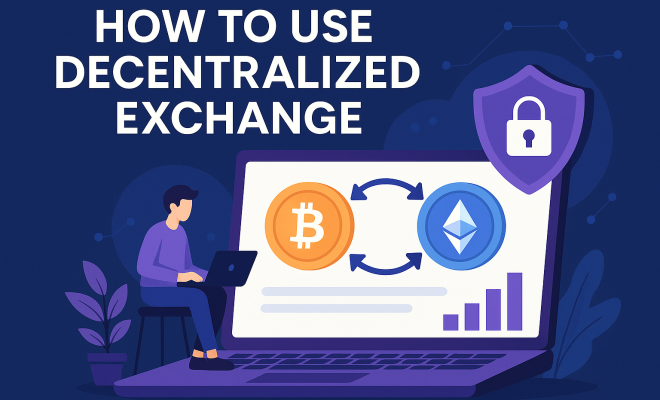
How to use decentralized exchange
“`html
The world of cryptocurrency is constantly evolving, and one of the most significant shifts has been the rise of decentralized exchanges (DEXs). These platforms allow users to trade cryptocurrencies directly with one another without the need for a central authority, providing a level of control and security that traditional exchanges can’t match. If you’re looking to dive into the world of decentralized finance (DeFi), this decentralized exchange tutorial will guide you through everything you need to know.
1. Understanding Decentralized Exchanges
Decentralized exchanges operate on blockchain technology, which eliminates the need for intermediaries. Unlike centralized exchanges like Coinbase or Binance, where users deposit their funds into the exchange’s wallet, DEXs allow users to retain control of their private keys and assets. This fundamental difference creates a more secure trading environment, but it also requires users to be more knowledgeable about managing their digital assets.
One of the primary benefits of DEXs is their resistance to censorship. Since there’s no central authority controlling the trades, users can transact freely without the risk of government or institutional interference. However, this also means that users are responsible for their own security and ensuring they are trading on legitimate platforms.
2. How to Choose the Right Decentralized Exchange
With a plethora of DEXs available, how do you select the right one for your trading needs? Factors to consider include liquidity, trading pairs, user interface, and security features. Popular DEXs like Uniswap, SushiSwap, and PancakeSwap have become favorites among traders due to their high liquidity and variety of trading pairs.
Before committing to a platform, it’s crucial to conduct thorough research. Look for user reviews, check the platform’s transaction volume, and evaluate its security features. Remember, while some platforms may offer exciting trading opportunities, they may also come with higher risks due to potential bugs or lack of support.
3. Setting Up a Wallet for Decentralized Trading
To use a decentralized exchange, you’ll need a cryptocurrency wallet. Wallets can be custodial or non-custodial. Non-custodial wallets, like MetaMask or Trust Wallet, give you full control over your private keys and are often preferred for DEX trading. Install a wallet of your choice and ensure you back up your recovery phrase in a secure location.
Once your wallet is set up, you can connect it to your chosen DEX. Most decentralized exchanges offer a simple interface for connecting wallets through a browser extension or mobile app. Make sure your wallet is funded with the appropriate cryptocurrencies to trade, depending on the pairs offered by the DEX.
4. Connecting to a Decentralized Exchange
Connecting your wallet to a DEX is a straightforward process. Navigate to the DEX’s website and look for the “Connect Wallet” option. You’ll typically see a list of supported wallets. Click on your wallet’s icon, and a pop-up will prompt you to approve the connection. Always double-check the URL of the DEX to avoid phishing scams.
Once connected, you can see your wallet balance directly on the DEX interface. This feature simplifies the trading process, allowing you to quickly evaluate what assets you can trade. Keep in mind that transaction fees, known as gas fees, will apply when trading on Ethereum-based DEXs.
5. Executing Trades on a DEX
Now that you’re connected, you’re ready to trade! On a DEX, the trading interface often resembles that of centralized exchanges, displaying trading pairs, price charts, and order books. You can place limit orders or market orders, depending on your trading strategy. (See: Decentralized Finance and Security.)
When placing a trade, ensure you double-check the details, such as the amount you wish to trade and the current price. After confirming your order, the transaction will be executed on the blockchain, and you’ll receive your assets directly in your wallet. Keep an eye on slippage tolerance settings, as prices can fluctuate rapidly in the volatile cryptocurrency market.
6. Understanding Liquidity Pools and AMMs
Many DEXs utilize Automated Market Makers (AMMs) and liquidity pools to facilitate trading. Liquidity pools are collections of funds provided by users that enable trades on the platform. When you add liquidity to a pool, you’re earning a portion of the transaction fees generated by trades in that pool.
Understanding how liquidity pools work can enhance your trading strategy. By providing liquidity, you can earn passive income through fees, but it’s essential to be aware of impermanent loss, which can occur when the value of your deposited assets fluctuates compared to holding them in your wallet.
7. Managing Risks in Decentralized Trading
While DEXs offer unique advantages, they also come with their share of risks. As a trader, it’s vital to have a risk management strategy in place. This includes diversifying your portfolio, setting stop-loss orders, and not investing more than you can afford to lose.
Moreover, be aware of the security risks associated with DEXs. Since there’s no central authority, you’re responsible for safeguarding your assets. Always use two-factor authentication when possible, and consider using hardware wallets for significant amounts of cryptocurrency. Stay updated on the latest security practices to protect yourself in the evolving DeFi landscape.
8. The Future of Decentralized Exchanges
As the DeFi ecosystem continues to grow, the future of decentralized exchanges looks promising. Innovations in blockchain technology aim to improve transaction speeds, reduce fees, and enhance user experience. Layer 2 solutions, such as Optimistic Rollups and zk-Rollups, are expected to play a crucial role in scaling DEXs, making them more user-friendly and efficient.
Furthermore, regulatory changes could shape the landscape of DEXs in the coming years. As governments around the world adapt to the rise of cryptocurrencies, DEXs may face new compliance requirements. Keeping an eye on these developments will be essential for traders looking to navigate the evolving market.
9. Real-World Use Cases of Decentralized Exchanges
Decentralized exchanges have begun to take root in various sectors and applications, proving their versatility beyond mere trading platforms. For instance, projects like Uniswap have pioneered token swaps, enabling users to exchange ERC-20 tokens without relying on a central authority. This capability has led to a variety of use cases, including:
- Token Launches: Many new projects now opt for Initial DEX Offerings (IDOs) on DEXs, allowing them to raise funds and distribute tokens directly to investors without traditional intermediaries.
- Decentralized Lending: Platforms like Aave and Compound allow users to lend and borrow cryptocurrencies without a traditional bank, using DEXs to facilitate transactions and ensure liquidity.
- Yield Farming: By participating in liquidity pools on DEXs, users can earn significant returns on their cryptocurrency holdings, often incentivized by governance tokens.
10. Deep Dive into Popular Decentralized Exchanges
Let’s take a closer look at some of the most popular DEXs and what sets them apart:
Uniswap
Uniswap is one of the most well-known DEXs, built on the Ethereum blockchain. It uses an automated liquidity protocol, allowing users to trade ERC-20 tokens without order books. The platform employs liquidity pools, where users can deposit tokens and earn fees in return. Uniswap’s user-friendly interface and extensive liquidity have made it a go-to choice for many traders.
SushiSwap
SushiSwap emerged as a fork of Uniswap but introduced additional features, such as yield farming and staking options. It has a vibrant community and governance system that allows token holders to vote on proposals and changes to the protocol. SushiSwap also incentivizes liquidity providers with its native SUSHI token, which has gained popularity as a governance and utility token.
PancakeSwap
PancakeSwap operates on the Binance Smart Chain (BSC) and has rapidly gained traction due to lower fees and faster transaction times compared to Ethereum-based DEXs. It offers similar features to Uniswap, including liquidity pools, yield farming, and token swapping. The platform’s unique branding and gamified features, such as lottery games and NFT trading, have attracted a diverse user base. (See: The Rise of Decentralized Finance.)
11. Decentralized Exchanges vs. Centralized Exchanges
Understanding the differences between DEXs and centralized exchanges is crucial for any trader. Here’s a breakdown of the key differences:
| Feature | Decentralized Exchange | Centralized Exchange |
|---|---|---|
| Control of Funds | Users retain control of their funds | Users deposit funds into the exchange |
| Regulation | Less regulated, operates in a decentralized manner | Subject to regulatory oversight |
| Security | Security is user-dependent | Often targets for hacking and fraud |
| Speed of Transactions | Can be slower due to network congestion | Faster due to internal order matching |
12. FAQs About Decentralized Exchanges
What are the main advantages of using a decentralized exchange?
The main advantages include increased security, user control over funds, resistance to censorship, and the ability to trade directly from your wallet without relying on intermediaries.
Are decentralized exchanges safe to use?
While DEXs offer more security features than centralized exchanges, much depends on user behavior. Always ensure you’re using a well-known DEX, keep your wallet secure, and be cautious of phishing attempts.
How do I recover my funds if I lose access to my wallet?
If you lose access to your non-custodial wallet and do not have a backup of your recovery phrase, it may be impossible to recover your funds. Always securely store your recovery phrase in multiple locations.
Can I trade any cryptocurrency on a decentralized exchange?
Not all DEXs support every cryptocurrency. Ensure that the DEX you choose supports the tokens you wish to trade. Popular pairs are usually available, but some obscure tokens may not be listed.
What is impermanent loss?
Impermanent loss occurs when you provide liquidity to a pool, and the price of your deposited assets changes compared to when you initially deposited them. This can lead to a situation where you would have been better off simply holding the assets instead of providing liquidity.
13. Tips for Successful Trading on Decentralized Exchanges
To make the most of your trading experience on DEXs, consider these tips:
- Stay Informed: Keep up with news and trends in the DeFi space. Market sentiment can change rapidly, so being informed can help you make better trading decisions.
- Practice Patience: Don’t rush into trades. Take your time to analyze the market and develop strategies that align with your investment goals.
- Use Limit Orders: Whenever possible, use limit orders rather than market orders to control the price at which you enter a trade.
- Start Small: If you’re new to DEXs, consider starting with smaller amounts to minimize risk as you learn the ropes.
- Join Community Discussions: Engage with trading communities on platforms like Discord or Telegram to gain insights, share strategies, and learn from experienced traders.
14. Common Challenges When Using Decentralized Exchanges
While DEXs offer many advantages, users may encounter several challenges. Understanding these can help you navigate the decentralized landscape more effectively.
Network Congestion
During periods of high trading volume, DEXs operating on networks like Ethereum can experience congestion, leading to slower transaction times and higher gas fees. Being aware of network conditions can save you from unexpected costs.
Smart Contract Risks
Using DEXs involves interacting with smart contracts. While these contracts are designed to operate securely, vulnerabilities can exist. Always conduct due diligence and only use DEXs that have undergone thorough audits.
User Error
The decentralized nature of these exchanges places the responsibility of security on the user. Mistakes can happen, such as sending funds to the wrong address or losing access to your wallet. Familiarize yourself with wallet management and security best practices to mitigate these risks.
15. Exploring Advanced Trading Options on DEXs
For experienced traders, decentralized exchanges also offer advanced trading options to enhance trading strategies. Here are some of the advanced features to look into:
Limit Orders and Stop Losses
Some DEXs allow traders to set limit orders and stop losses, which can automate trades based on price movements. This feature helps you manage trades without needing constant monitoring of the market.
Arbitrage Opportunities
Due to price discrepancies between different exchanges, traders can take advantage of arbitrage opportunities. By buying a cryptocurrency at a lower price on one platform and selling it at a higher price on another, they can realize profits. However, this requires quick execution and an understanding of the market.
Flash Loans
Flash loans have emerged as a unique feature in the DeFi space, allowing users to borrow assets from a DEX without collateral, provided the loan is repaid within the same transaction. This feature can be utilized for various strategies, including arbitrage and collateral swaps, but it requires advanced understanding and execution.
16. Closing Thoughts on the DEX Landscape
The rise of decentralized exchanges marks a pivotal moment in the evolution of cryptocurrency trading. With their unique features and benefits, DEXs not only empower users but also challenge traditional financial systems. As they continue to innovate and adapt to the needs of traders, the DEX landscape promises to remain dynamic and full of potential.
By following this decentralized exchange tutorial, you’re equipped to navigate this exciting new frontier confidently. Whether you’re trading, providing liquidity, or exploring new opportunities, DEXs will play a crucial role in the future of finance. The DEX revolution is just beginning, and the possibilities are endless.
“`
Trending Now
Frequently Asked Questions
What is a decentralized exchange (DEX)?
A decentralized exchange (DEX) is a platform that allows users to trade cryptocurrencies directly with one another without a central authority. DEXs operate on blockchain technology, enabling users to retain control of their private keys and assets, which enhances security compared to traditional exchanges.
How do I choose the right decentralized exchange?
To choose the right decentralized exchange, consider factors like liquidity, available trading pairs, user interface, and security features. Popular DEXs such as Uniswap, SushiSwap, and PancakeSwap are favored for their high liquidity. Conduct thorough research by checking user reviews and transaction volumes before making a decision.
What are the benefits of using a DEX?
The benefits of using a decentralized exchange include increased control over your assets, enhanced security, and resistance to censorship. Users can trade freely without the risk of government or institutional interference, but they must also ensure the legitimacy of the platform and manage their own security.
Are decentralized exchanges safe to use?
Decentralized exchanges can be safe to use, provided users are knowledgeable about managing their digital assets and trade on legitimate platforms. Since DEXs do not hold user funds, the risk of hacking is lower, but users must take precautions to secure their private keys and wallets.
What should I look for in a DEX?
When evaluating a decentralized exchange, look for high liquidity, a variety of trading pairs, an intuitive user interface, and robust security features. Research the platform's transaction volume and read user reviews to ensure you choose a reliable and effective trading environment.
Agree or disagree? Drop a comment and tell us what you think.