Sell Your NFTs: A Comprehensive Listing Guide
“`html
Navigating the world of NFTs can feel overwhelming, especially if you’re looking to list NFT for sale. Whether you’re an artist hoping to monetize your digital creations or a collector looking to flip assets, understanding the ins and outs of NFT listings is crucial. In this guide, we’ll delve into the steps necessary to successfully list your NFT for sale, ensuring you have all the knowledge you need to make your mark in this exciting digital marketplace.
1. Understanding NFTs: The Basics
Before diving into the specifics of how to list your NFT for sale, it’s essential to grasp what NFTs are. NFTs, or non-fungible tokens, are unique digital assets verified using blockchain technology. Unlike cryptocurrencies like Bitcoin or Ethereum, which are fungible and can be exchanged on a one-to-one basis, NFTs are one-of-a-kind, giving them unique value. They can represent digital art, music, videos, in-game items, and much more.
The surge in popularity of NFTs is largely attributed to the growing interest in digital ownership and the potential for creators to monetize their work directly. As platforms like OpenSea, Rarible, and Foundation gain traction, more users are looking to capitalize on this innovative technology, making it vital to know how to effectively list NFT for sale.
2. Selecting the Right Marketplace
Choosing the right marketplace is one of the most critical steps when you want to list your NFT for sale. Different platforms cater to various audiences and types of NFTs, so it’s important to select one that aligns with your goals. For instance, OpenSea is one of the largest and most accessible marketplaces, offering a vast range of digital assets. On the other hand, platforms like Foundation cater specifically to artists and may offer a more curated experience.
When considering a marketplace, look for factors such as user base, transaction fees, ease of use, and the types of NFTs they allow. Some platforms may have specific requirements for listing, such as being invited to join or submitting an application through a vetting process. Familiarizing yourself with the marketplace’s rules and features will save you time and energy when it comes to listing your NFT.
Another aspect to consider is the community surrounding each platform. Engaging with a supportive community can provide valuable insights and promote your work more organically. Platforms like Discord have communities centered around NFT discussions, where you can learn from others and gain exposure for your NFTs.
3. Creating Your Digital Wallet
To operate in the NFT space, you’ll need a digital wallet to store your cryptocurrencies and NFTs. Popular wallets include MetaMask, Coinbase Wallet, and Trust Wallet. These wallets allow you to connect to your chosen marketplace and facilitate transactions.
Setting up a wallet typically involves downloading the wallet app or extension, creating an account, and securing your wallet with a strong password and recovery phrases. Be sure to keep your recovery phrases private and backed up, as losing access to your wallet could mean losing your NFTs and funds. Once your wallet is set up, you’ll need to purchase some cryptocurrency, usually Ethereum (ETH), to cover your listing fees and any potential transaction costs.
There are various wallets to choose from, and each has its unique benefits. For example, MetaMask is particularly user-friendly and widely used in the NFT community, while Coinbase Wallet may be better suited for those already using Coinbase for trading cryptocurrencies. Ensuring you select a wallet that you find easy to use will enhance your experience as you navigate NFT sales.
4. Minting Your NFT
Minting is the process of turning your digital file into an NFT. When you mint an NFT, it gets uploaded to the blockchain, creating a unique token that represents ownership of the digital asset. Depending on the marketplace you choose, the minting process may vary slightly.
Typically, you’ll need to upload your digital file, such as an image or video, and provide relevant details, such as the title, description, and any additional attributes or properties. Ensure that your artwork is high quality, as this can influence its desirability. After minting, your NFT will be assigned a unique identifier, making it traceable on the blockchain.
Keep in mind that different marketplaces have different minting processes. Some platforms might offer lazy minting, meaning you can list your NFT without upfront gas fees, transferring the cost to the buyer upon purchase. This can be a great option for those just starting out who may not want to invest heavily before making sales.
5. Setting the Right Price
Pricing your NFT can be one of the most challenging aspects of the selling process. The value of an NFT can vary significantly based on factors such as demand, rarity, and the creator’s reputation. To set a competitive price, research similar NFTs in your marketplace and gauge what they are selling for. (See: Understanding Non-Fungible Tokens.)
Consider whether you want to set a fixed price, an auction, or a reserve price. A fixed price can attract a wider range of buyers, while auctions can create excitement and drive prices up. If you opt for an auction, ensure you set a minimum bid that reflects the value of your work. Remember, pricing can be flexible, and you can adjust it based on market feedback and interest.
Additionally, consider utilizing price tracking tools available on some NFT marketplaces. These tools can provide insights into price trends for similar NFTs, helping you make informed decisions about your pricing strategy. It’s also wise to engage with buyers through social media platforms to gauge their interest and willingness to pay for your NFT.
6. Listing Your NFT for Sale
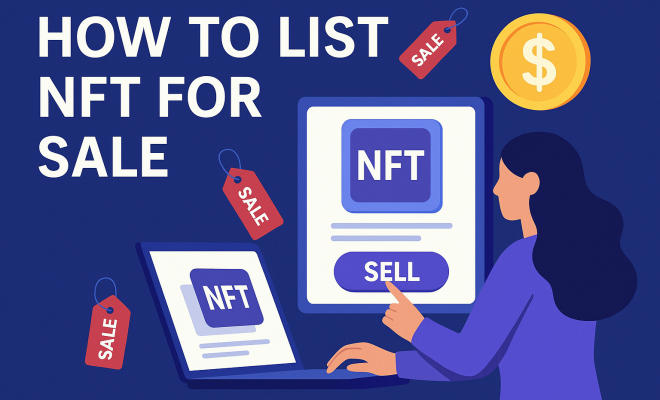
Once you have your NFT minted and priced, it’s time to list NFT for sale. Navigate to your chosen marketplace and follow their listing procedures, which may vary slightly depending on the platform. Generally, this will involve selecting your NFT from your wallet, confirming the listing price, and agreeing to any terms or conditions.
During the listing process, you may also have the option to promote your NFT through social sharing or by participating in community discussions. Engaging with potential buyers through platforms like Twitter, Discord, or Instagram can generate interest and drive traffic to your listing. The more visibility you can create, the better your chances of making a sale.
Don’t underestimate the power of a well-crafted listing. Make sure your title is catchy, and your description conveys the essence of your work. This is your opportunity to tell a story that resonates with potential buyers, giving them a reason to invest in your NFT.
7. Marketing Your NFT
Even if you’ve listed your NFT on a well-known marketplace, it’s crucial to actively market your work to attract buyers. Start by leveraging social media platforms to showcase your NFT and share your creative journey. Visual platforms like Instagram and TikTok can be particularly effective in reaching a broader audience.
In addition to social media, consider joining NFT communities and forums where you can connect with other creators and collectors. Participate in discussions, attend virtual events, and get involved in collaborations to increase your exposure. Remember, the more active and engaged you are, the more likely you are to attract interested buyers.
Collaborating with other NFT creators can also be a fantastic way to broaden your audience. By featuring each other’s work, you can tap into new communities and increase your visibility. Look for artists whose styles complement yours or who have a similar target demographic, and brainstorm ways to collaborate effectively.
8. Managing Your Sales
After listing your NFT for sale, it’s essential to manage your sales effectively. Monitor the performance of your NFT listing, check for inquiries, and respond promptly to potential buyers. If your NFT isn’t selling, take a moment to re-evaluate your pricing strategy or consider enhancing your marketing efforts.
When a sale is made, ensure you’re familiar with the process for transferring ownership and receiving payment. Most marketplaces will handle the transaction automatically, but it’s good to know what to expect and verify that all steps are completed correctly. Ensure you track your transactions for record-keeping and tax purposes.
Also, consider how you’ll communicate with your buyers post-sale. Building relationships can turn one-time buyers into loyal fans who might purchase from you again in the future. Thank them for their purchase and keep them updated on your upcoming projects or drops.
9. Legal Considerations
Lastly, it’s crucial to consider the legal landscape surrounding NFTs. Intellectual property rights can be complex, so ensure you own the rights to the digital asset you are minting and selling. Familiarize yourself with copyright laws and how they apply to your work, especially if you are using elements created by others.
Additionally, as the NFT market evolves, regulations may change. Staying informed about legal developments will help you navigate potential challenges and protect your investments. Consulting with a legal professional who specializes in digital assets can provide clarity and guidance on these matters.
It’s also worth considering the implications of smart contracts associated with NFTs. These self-executing contracts can automate various aspects of ownership, royalties, and transfers. Understanding how they work can give you an edge in structuring your sales to benefit you in the long run. (See: The Rise of NFTs in Art.)
10. Understanding NFT Types and Their Values
Not all NFTs are created equal. There are various types of NFTs, each with its unique attributes and market values. For example, digital art has gained immense popularity, with pieces selling for millions of dollars. In contrast, gaming NFTs, such as unique in-game items, may have a more niche market. Understanding these differences can help you better position your NFT when you decide to list it for sale.
Digital art NFTs often derive their value from the artist’s reputation, the uniqueness of the work, and the emotional connection buyers have with the piece. For instance, Beeple’s digital artwork sold for $69 million at a Christie’s auction, highlighting how renowned artists can command high prices in the NFT space. On the other hand, gaming NFTs are typically valued based on their utility within the game, rarity, and demand among players. A rare sword in a popular online game can fetch a significant price due to its desirability for gamers.
In addition to art and gaming, NFTs also extend to music, domain names, and virtual real estate. Each category has its own trends and market dynamics, which can influence how you list and price your NFT. For instance, music NFTs have been gaining traction as artists look to connect directly with fans, providing concert tickets or exclusive experiences through ownership.
11. Statistics: The Growth of the NFT Market
The NFT market has seen explosive growth in recent years. According to a report by NonFungible, the NFT market generated over $10 billion in sales just in 2021, a staggering increase from $250 million in 2020. This growth indicates a burgeoning interest in digital ownership and the potential for creators to monetize their unique assets.
As of September 2023, NFT sales have continued to rise, with reports suggesting that the market is on track to exceed $15 billion. This growth is not just limited to digital art; music, virtual real estate, and collectibles are also finding their place in the NFT ecosystem. For example, music NFTs are becoming popular as artists look for new ways to monetize their work while engaging with fans.
Interestingly, the demographics of NFT buyers are also evolving. A survey by Deloitte revealed that 45% of millennials and Gen Z are interested in purchasing NFTs, while 25% of older generations are starting to engage with NFTs as well. This shift indicates a growing acceptance of digital assets across various age groups.
12. Expert Perspectives: The Future of NFTs
Many experts believe that NFTs are just beginning to scratch the surface of their potential. According to blockchain analyst, Benji C. S. Yiu, NFTs could revolutionize industries beyond art and collectibles. “We’re already seeing brands exploring NFTs as a means of customer engagement and loyalty programs,” he explains. “The key will be finding authentic ways to integrate them into existing ecosystems.”
Experts also suggest that as technology evolves, we may see NFTs being used for a broader range of applications, including real estate transactions, ticketing for events, and even personal identification. This potential for expansion could drive even more interest and investment in the NFT market.
Furthermore, the intersection of NFTs with augmented reality (AR) and virtual reality (VR) is set to create immersive experiences that could redefine ownership and interaction with digital assets. Imagine attending a virtual exhibition where you can interact with art pieces as NFTs that you own, enhancing the emotional connection between buyers and their digital assets.
13. Common Challenges in Selling NFTs
While the NFT marketplace offers exciting opportunities, it’s not without its challenges. One significant hurdle is the competition. Thousands of NFTs are minted daily, and standing out can be tough. To combat this, focus on building a brand and storytelling that resonates with your target audience. Highlight what makes your NFT unique and why buyers should invest in your work.
Another challenge is the volatility of cryptocurrency values. Since NFTs are often priced in cryptocurrencies, fluctuations can impact the perceived value of your listings. Keeping an eye on crypto market trends can help you make informed pricing decisions and adjust your strategies accordingly.
Finally, the environmental impact of NFTs has been a topic of concern. The energy consumption associated with blockchain transactions, particularly on platforms like Ethereum, has sparked debates about sustainability. Many artists and creators are now seeking eco-friendly alternatives or exploring ways to offset their carbon footprint. (See: NFTs and Digital Ownership.)
14. Frequently Asked Questions (FAQ)
What is an NFT?
An NFT, or non-fungible token, is a unique digital asset verified by blockchain technology. Unlike traditional cryptocurrencies, NFTs cannot be exchanged on a one-to-one basis, making each token distinct.
How do I list my NFT for sale?
To list your NFT for sale, mint your NFT on a marketplace, set a price, and follow the platform’s listing procedures. This usually involves confirming details and agreeing to terms specific to the marketplace.
What fees should I expect when selling an NFT?
Most marketplaces charge a listing fee, which can vary depending on the platform. Additionally, transaction fees may apply when you sell your NFT, which can also fluctuate based on network congestion.
Can I sell an NFT that I didn’t create?
Generally, you should only sell NFTs that you own the rights to. Selling NFTs that you don’t have rights to can lead to legal issues, including claims of copyright infringement.
Is it necessary to have a large following to sell NFTs?
While having a large following can help, it’s not strictly necessary. Engaging with niche communities can also drive interest. Building connections and sharing your work authentically can lead to sales.
What should I do if my NFT isn’t selling?
If your NFT isn’t selling, consider reevaluating your pricing, enhancing your marketing efforts, or seeking feedback from the community. Sometimes adjusting your approach can make a big difference.
What’s the best time to list my NFT?
Market trends can ebb and flow, so it’s beneficial to stay aware of peak times for NFT sales. Researching when similar NFTs are seeing higher sales can guide your timing. Major events in the cryptocurrency world or significant drops in the NFT space can influence buyer behavior.
Are there tax implications for selling NFTs?
Yes, selling NFTs can have tax implications, as they are often treated as capital assets. It’s important to keep records of your transactions and consult a tax professional to understand your obligations based on your local regulations.
In the end, learning how to list NFT for sale requires a blend of creativity, marketing savvy, and technical knowledge. By following these essential steps, you can confidently enter the NFT marketplace and potentially find success as a digital creator or collector. The future of digital ownership is bright, and with the right approach, you can make your mark in this exciting space.
“`
Trending Now
Frequently Asked Questions
How do I list my NFT for sale?
To list your NFT for sale, first choose a suitable marketplace like OpenSea or Rarible. Create an account, connect your digital wallet, and upload your NFT. Set a price, and follow the platform's specific listing instructions to finalize the sale.
What marketplaces can I use to sell NFTs?
Some popular marketplaces for selling NFTs include OpenSea, Rarible, and Foundation. Each platform caters to different audiences and types of NFTs, so choose one that aligns with your goals and the type of digital asset you plan to sell.
What are NFTs and why are they valuable?
NFTs, or non-fungible tokens, are unique digital assets verified on the blockchain. Their value stems from their uniqueness and ownership, allowing creators to monetize digital art, music, and more, making them highly sought after in the digital marketplace.
What do I need to sell an NFT?
To sell an NFT, you need a digital wallet to store your tokens, a chosen marketplace to list your NFT, and the digital asset you want to sell. Familiarize yourself with the platform's listing process and any associated fees.
Are there fees for listing NFTs?
Yes, most NFT marketplaces charge transaction fees or listing fees. These can vary significantly between platforms, so it's important to review the fee structure of your chosen marketplace before listing your NFT for sale.
What did we miss? Let us know in the comments and join the conversation.