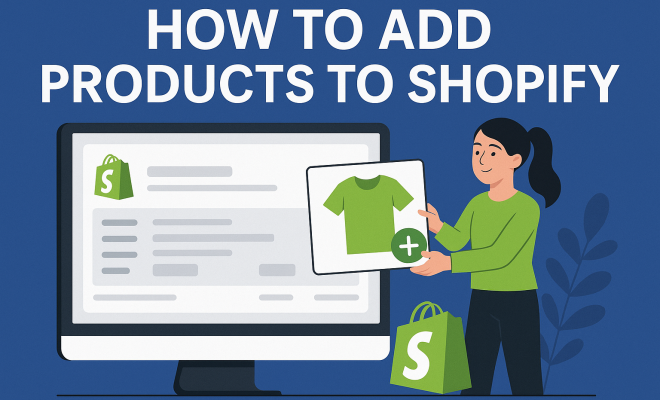
How to add products to Shopify
“`html
Setting up an online store can feel overwhelming, especially when it comes to adding products to Shopify. Whether you’re a seasoned e-commerce entrepreneur or a complete beginner, understanding how to efficiently add products to your Shopify store is crucial for your success. This guide will walk you through the ins and outs of product addition, including innovative strategies, tips for optimizing your listings, and the latest features that Shopify offers to streamline the process.
1. Getting Started with Shopify
Before you dive into adding products to Shopify, it’s essential to familiarize yourself with the platform. Shopify is a robust e-commerce solution that allows you to create, manage, and grow your online store with relative ease. Founded in 2006, Shopify has risen to prominence as one of the leading e-commerce platforms, catering to businesses of all sizes.
To get started, you’ll first need to create your Shopify account. This involves selecting a pricing plan that fits your budget and needs. Shopify offers a 14-day free trial, giving you ample time to explore its features before committing. From there, you’ll set up your store’s basic information, including your business name, address, and currency.
2. Understanding the Shopify Dashboard
Your dashboard is your command center for all activities related to your e-commerce business. Once you log in, you’ll see various sections: Orders, Products, Customers, Analytics, and Marketing. Each section is designed to give you insights into different aspects of your store.
Before you can add products to Shopify, familiarize yourself with the ‘Products’ section. This is where you’ll manage your inventory, add new items, and keep track of your sales. Understanding the layout and available tools will make the process of adding products more efficient.
3. Types of Products You Can Add
One of the key advantages of Shopify is its versatility in handling various types of products. Here are the primary categories you can choose from:
- Physical Products: These are tangible items that you ship to customers. Examples include clothing, electronics, and home goods.
- Digital Products: This category covers downloadable items, such as e-books, software, or online courses.
- Service-Based Products: If you offer services like consulting or coaching, you can create service listings without physical inventory.
- Subscription Products: Shopify allows you to set up recurring payments for subscription services, perfect for businesses like meal delivery or subscription boxes.
Understanding these categories can help you better tailor your product listings and marketing strategies to meet your customers’ expectations.
4. How to Add Products to Shopify: Step-by-Step Guide
Now, let’s get into the nitty-gritty of how to add products to Shopify. The process is straightforward, even for those new to e-commerce. Follow these steps:
- Navigate to the Products Section: On your Shopify dashboard, click on ‘Products’ in the left sidebar. This will take you to your product listings.
- Click on ‘Add Product’: You’ll find this button at the top right corner of the Products page. Clicking it opens a new product entry form.
- Enter Product Details: Here, you’ll provide essential information, including the product title, description, and price. Make sure your descriptions are detailed and engaging, as this can significantly influence purchasing decisions.
- Add Images: High-quality images are crucial for online sales. Use clear, well-lit photos that accurately represent your product. Shopify allows you to upload multiple images for each product.
- Set Inventory and Shipping: Specify your SKU, barcode, and inventory quantity. You can also set up shipping options that apply to this product.
- Organize with Tags and Collections: Tags help in organizing products, making it easier for customers to search. Collections enable you to group similar products together, enhancing the shopping experience.
- Review and Save: Before finalizing, double-check all your entries. Once satisfied, hit the ‘Save product’ button.
This step-by-step guide lays a solid foundation for adding products to Shopify, ensuring you don’t miss any critical details.
5. Optimizing Product Listings for SEO
Once you’ve added your products, the next step is ensuring they’re visible to potential customers. Optimizing your product listings for search engines is crucial. This is where SEO (Search Engine Optimization) comes into play. (See: Shopify on Wikipedia.)
Start by incorporating relevant keywords into your product titles and descriptions. For instance, if you’re selling handmade candles, use phrases like “handmade soy candles” and “scented candles for relaxation”. Additionally, write unique meta descriptions, as they play a significant role in search engine rankings.
Don’t forget about image optimization. Use descriptive file names for your images (e.g., “lavender-candle.jpg”) and include alt text with keywords. This not only helps with SEO but also improves accessibility.
6. Utilizing Shopify Apps for Enhanced Functionality
Shopify offers a wide range of apps designed to enhance your store’s functionality and improve the customer experience. Some of these apps focus on inventory management, while others help streamline the process of adding products to Shopify.
Consider using applications like Oberlo for dropshipping, which allows you to add products to your store effortlessly. Another useful app is Product Reviews, which encourages customer feedback and enhances credibility. By integrating these apps, you can automate many processes and save time while improving your store’s capabilities.
7. Managing and Updating Your Product Listings
Your work doesn’t stop once you’ve added products to Shopify. Ongoing management is crucial for maintaining a successful online store. Regularly updating your product listings ensures that your customers have access to the latest information and promotions.
Consider seasonal changes or new trends; updating prices and inventory levels to reflect these changes keeps your store relevant. Additionally, analyzing customer feedback and adjusting your listings based on reviews can improve sales and customer satisfaction.
8. Understanding Analytics and Performance Metrics
Shopify provides built-in analytics tools that offer insights into your store’s performance. By understanding these metrics, you can make informed decisions about how to improve your product offerings and marketing strategies.
Key metrics to track include sales volume, conversion rates, and customer behavior. For example, if you notice that certain products have a high abandonment rate in the cart, it might be time to reconsider your pricing strategy or enhance your product descriptions to address customer concerns.
9. Integrating Social Media and Marketing Strategies
In today’s digital age, integrating your Shopify store with social media platforms is essential. Social media marketing can drive traffic to your store and enhance brand visibility. Platforms like Instagram and Facebook allow you to showcase your products and reach a wider audience.
For effective social media marketing, consider using Shopify’s built-in social selling features. You can create shoppable posts that link directly to your product pages. Additionally, running targeted ad campaigns can help you reach potential customers who may not have found your store otherwise. (See: CDC on retail health implications.)
10. Understanding Shopify’s Inventory Management
As your business grows, managing your inventory effectively becomes increasingly important. Shopify provides several tools to help you keep track of your stock levels and manage your supply chain. This includes notifications for low stock, integration with various fulfillment services, and options for tracking inventory across multiple locations.
Utilizing these features can prevent you from running into stock issues, which can be detrimental to customer satisfaction. Regularly reviewing your inventory reports will help you identify best-selling items and those that may need a discount or promotion to encourage sales.
11. Creating a Strong Brand Presence through Product Listings
Your product listings are not just about presenting items for sale; they’re a crucial part of your branding strategy. Consistency in your product descriptions, images, and overall presentation plays a significant role in how customers perceive your brand.
Utilizing a cohesive color palette, font style, and tone of voice across all your listings can create a professional appearance. This consistency helps build trust with your customers. Additionally, consider implementing storytelling techniques in your product descriptions to engage your audience emotionally. For example, sharing the inspiration behind your products can create a unique connection that sets you apart from competitors.
12. Leveraging Customer Reviews and User-Generated Content
Customer reviews can significantly influence buying decisions, as many consumers rely on the opinions of previous buyers before purchasing. Encourage your customers to leave reviews by following up with them after their purchase and making the process easy.
Showcasing positive reviews prominently on your product pages can improve your credibility and increase conversions. Additionally, consider utilizing user-generated content, where customers share photos of your products in use. This not only provides authentic testimonials but also encourages community engagement around your brand.
13. Common Challenges When Adding Products to Shopify
Even with a straightforward process, adding products to Shopify can come with its own set of challenges. Here are a few common hurdles and how to overcome them:
- Time Consumption: Adding a large catalog of products can be time-consuming. To streamline this, consider using bulk import tools or CSV uploads, as mentioned earlier, which can save hours of manual entry.
- Image Quality: Many store owners struggle with the quality of product images. Investing in a good camera or hiring a professional photographer can make a significant difference in how your products are perceived.
- Accurate Descriptions: Writing compelling product descriptions that are both informative and engaging is crucial. If writing isn’t your strong suit, consider hiring a freelance copywriter or utilizing resources to help craft your content.
- Inventory Management: Keeping track of inventory can be overwhelming, especially during peak sales periods. Regular audits and integrating inventory management apps can help maintain accuracy.
14. Expanding Your Product Offerings
As your business grows, you may want to expand your product offerings. This can involve introducing new product lines or diversifying your existing catalog. Here are some strategies to consider:
- Market Research: Conducting thorough market research can help identify trending products that align with your brand. Tools like Google Trends or social listening platforms can provide insights into consumer interests.
- Customer Feedback: Utilize surveys or feedback forms to understand what your customers want. Their insights can guide your decisions on what products to add next.
- Seasonal Products: Introducing seasonal products can attract new customers and encourage repeat business. For example, consider offering holiday-themed items or limited-edition products that align with specific events.
15. Advanced Marketing Techniques for Your Shopify Products
Once you’ve added products to Shopify, it’s important to focus on advanced marketing strategies to drive traffic and sales. Here are a few techniques to consider: (See: New York Times on Shopify's impact.)
- Email Marketing: Building an email list and sending targeted campaigns can significantly improve sales. Consider offering discounts or exclusive products to your subscribers to encourage sign-ups.
- Influencer Collaborations: Partnering with influencers can help expose your products to a larger audience. Choose influencers whose values align with your brand for authentic promotion.
- Retargeting Ads: Using retargeting ads can recapture the attention of visitors who didn’t make a purchase. This technique can remind them of products they viewed and encourage them to come back.
16. FAQ: Common Questions about Adding Products to Shopify
What types of products can I sell on Shopify?
You can sell physical products, digital downloads, services, or subscription services on Shopify. The platform supports a wide range of product types, allowing you the flexibility to tailor your offerings based on your business model.
How do I import products to Shopify in bulk?
If you have a large inventory, Shopify allows you to import products in bulk using CSV files. You can create a CSV file with all your product details and upload it directly to your store, which saves time compared to adding products one by one.
Can I add variants of products (like size or color)?
Yes, Shopify allows you to create product variants for different sizes, colors, or other options. You can manage these variants easily under the product settings by selecting ‘Add variants’ when you create or edit a product.
How can I optimize my product images for faster loading times?
Optimizing your images can drastically improve your store’s loading times. Use image compression tools like TinyPNG or Shopify’s built-in tools to reduce file sizes without compromising quality. Also, ensure your images are in the appropriate format (JPEG for photos and PNG for graphics).
What should I do if a product is out of stock?
If a product goes out of stock, you can either hide it from your store or allow customers to sign up for notifications when it becomes available again. Keeping your customers informed enhances their experience and can help secure future sales.
Is it possible to schedule product launches on Shopify?
Yes, Shopify allows you to schedule product launches by setting a specific date and time for your product listings to go live. This feature is especially useful for new collections or limited-time offers, giving you the ability to create buzz around your launches.
Knowing how to add products to Shopify is a crucial skill for anyone looking to succeed in e-commerce. By following these guidelines, optimizing your listings, and effectively managing your inventory, you can create a thriving online store that’s not only functional but also appealing to customers. As you gain experience, you’ll discover even more advanced strategies to enhance your store’s performance and drive sales.
“`
Trending Now
- our breakdown of 7 proven strategies to boost your brand visibility in chatgpt for 2026
- Are You Missing Out? Top 10…
- this guide on why iran oil prices aren’t spiking: the market’s surprising reaction explained
- The Hidden Importance of Legal Disclaimers: What You Need to Know
Frequently Asked Questions
How do I add products to my Shopify store?
To add products to your Shopify store, log in to your dashboard, navigate to the 'Products' section, and click on 'Add Product.' Here, you can enter product details, including title, description, price, and images. Once you've filled in the necessary information, save your changes to make the product live on your store.
What types of products can I sell on Shopify?
Shopify allows you to sell a variety of product types, including physical goods, digital products, and services. You can manage inventory for each item type and customize listings to suit your business needs, making it a versatile platform for different e-commerce models.
Is Shopify easy to use for beginners?
Yes, Shopify is designed to be user-friendly, even for beginners. The platform offers a straightforward setup process, a guided dashboard, and helpful resources. You can start with a 14-day free trial to explore its features and learn how to manage your online store effectively.
Can I optimize my product listings on Shopify?
Absolutely! Optimizing your product listings on Shopify involves using relevant keywords in titles and descriptions, adding high-quality images, and providing detailed information about your products. This helps improve search visibility and enhances the shopping experience for customers.
What should I include in my product descriptions on Shopify?
Your product descriptions on Shopify should include essential details such as the product's features, benefits, specifications, and usage instructions. Additionally, consider using engaging language and storytelling techniques to captivate potential buyers and encourage them to make a purchase.
Agree or disagree? Drop a comment and tell us what you think.