The Hidden Importance of Legal Disclaimers: What You Need to Know
“`html
In an age where information travels faster than ever, the need for clarity and protection in legal agreements has never been more critical. This is where legal disclaimers come into play. Often overlooked or misunderstood, these brief statements can significantly impact liability, responsibility, and the legal standing of both individuals and organizations. In this article, we will explore the fundamental aspects of legal disclaimers, their importance across various sectors, and how they can help protect you and your business.
What Are Legal Disclaimers?
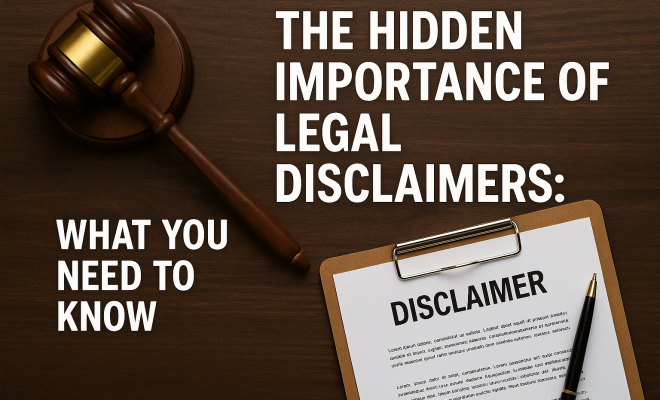
Legal disclaimers are formal statements that limit or clarify the rights and liabilities of parties involved in a contractual agreement or specific situation. They serve as a warning or notice to individuals or entities regarding certain risks and responsibilities. While they may seem mundane at first glance, these disclaimers hold significant legal weight and can influence the outcome of disputes or litigation.
At their core, legal disclaimers aim to inform users or consumers that the entity providing information or services does not accept liability for certain actions or consequences. They can cover a variety of topics, including but not limited to:
- Limitation of liability
- Intellectual property rights
- Health and safety warnings
- Financial advice disclaimers
- Third-party content disclaimers
Understanding the scope and limitations of each type of disclaimer is crucial for anyone looking to mitigate risks in their business dealings.
The Legal Basis for Disclaimers
Legal disclaimers are backed by various laws and regulations, and their enforceability can differ based on jurisdiction. Generally speaking, a disclaimer must be clear, conspicuous, and specific to be deemed valid in a court of law. Courts often assess the reasonableness of a disclaimer’s wording and its placement within the document.
In the United States, for example, the Uniform Commercial Code (UCC) addresses warranties and disclaimers in transactions involving goods. Additionally, the Electronic Communications Privacy Act (ECPA) and the Digital Millennium Copyright Act (DMCA) provide frameworks for disclaimers concerning digital content. These laws underscore that legal disclaimers are not just optional add-ons; they are essential components of responsible legal practice.
Common Types of Legal Disclaimers
There are several common types of legal disclaimers that you might encounter, each serving a unique purpose. Here’s a breakdown of some prevalent forms:
- General Disclaimer: A broad statement that limits liability for the information provided, often found on websites and publications.
- Medical Disclaimer: Used by health professionals and organizations to clarify that their information is not a substitute for professional medical advice.
- Financial Disclaimer: Often included in financial publications and advisory services, stating that the information provided should not be considered financial advice.
- Affiliate Disclaimer: Notifying consumers that the website owner may earn commissions on products purchased through affiliate links.
- Third-party Disclaimer: A statement clarifying that the entity is not responsible for the content or actions of external sites or services.
Each type of disclaimer has its nuances, and crafting them correctly can save you from significant legal headaches down the line.
The Role of Legal Disclaimers in Digital Content
As digital content becomes increasingly prevalent, legal disclaimers have grown in importance. Websites, blogs, and social media platforms often serve as avenues for sharing valuable information, but they can also expose creators to liability. This is where disclaimers come in handy.
For instance, if a blog offers health advice, a medical disclaimer can protect the author from being held liable for any adverse effects resulting from following that advice. Similarly, websites that offer financial tips benefit from financial disclaimers that shield them from claims of negligence or misinformation.
Moreover, legal disclaimers also play a critical role in establishing trust with users. Transparent disclaimers demonstrate that the content creator is aware of their legal responsibilities and is committed to ethical practices. This can enhance credibility and foster a loyal audience.
How to Craft an Effective Legal Disclaimer
Writing a legal disclaimer isn’t just about using boilerplate language. It requires careful consideration of your specific circumstances and audience. Here are some key elements to consider when creating an effective disclaimer:
- Clarity: Use simple, straightforward language that avoids legal jargon. The goal is for the average person to understand what you’re disclaiming.
- Specificity: Tailor your disclaimer to address specific risks or responsibilities associated with your content or services.
- Visibility: Ensure your disclaimer is easily accessible and prominently displayed, particularly on digital platforms. It should not be buried in fine print.
- Review and Update: Regularly review and update your disclaimers to reflect any changes in your services, laws, or regulations.
Crafting a well-thought-out disclaimer can act as a protective shield against potential legal challenges.
Legal Disclaimers Across Industries
Legal disclaimers are prevalent across various industries, each with its unique requirements and considerations. Here are some examples of how different sectors utilize disclaimers to manage risks: (See: Legal disclaimer definition and examples.)
1. Healthcare
In the healthcare sector, providers often use medical disclaimers to ensure patients understand that the information provided does not replace professional medical advice. With the rise of health-related content online, these disclaimers help protect healthcare professionals from lawsuits stemming from misinterpretations of their advice.
2. Finance
Financial services firms frequently include financial disclaimers to clarify that their content is for informational purposes only. This is particularly crucial in the realm of investments, where misstatements can lead to severe legal repercussions.
3. E-commerce
Online retailers utilize disclaimers to inform consumers about product limitations or potential risks associated with the use of products. This is especially common in industries like cosmetics and health supplements, where product effectiveness or safety can be subject to scrutiny.
4. Education
Educational platforms often include disclaimers regarding course content, clarifying that the information provided may not be comprehensive or applicable in every situation. This helps protect against claims of negligence.
Understanding the specific needs of your industry is vital for creating effective legal disclaimers.
Case Studies: Disclaimers in Action
Real-world examples can highlight the importance of legal disclaimers. Consider the case of a popular health blog. After a reader followed a diet plan suggested in a blog post and experienced adverse effects, the blogger faced a potential lawsuit. Thankfully, the blog contained a well-crafted medical disclaimer that clearly stated the advice was for informational purposes only. This disclaimer ultimately helped protect the blogger from liability.
In another instance, a financial advisory firm faced scrutiny after several clients claimed they lost money based on the firm’s investment advice. The firm had included a financial disclaimer in its promotional materials, which stated that past performance does not guarantee future results. This disclaimer was instrumental in defending the firm against potential claims.
These case studies reiterate the necessity of using legal disclaimers as a protective measure, emphasizing their importance across different scenarios.
The Future of Legal Disclaimers
As technology continues to evolve, the landscape of legal disclaimers will likely change alongside it. With the rapid growth of artificial intelligence, social media, and online content creation, the need for clear and effective disclaimers will only increase. As more individuals and companies engage in online discourse, the potential for misunderstandings and legal disputes also escalates.
Furthermore, as regulations surrounding digital content and consumer protection become more stringent, entities must stay ahead of the curve by ensuring their disclaimers are not only legally sound but also aligned with best practices. This may involve consulting with legal professionals to craft disclaimers that adequately reflect current laws and standards.
Additional Considerations for Businesses
When it comes to implementing legal disclaimers, businesses should consider a few additional factors that can impact their effectiveness and applicability. Understanding these nuances ensures that disclaimers serve their intended purpose without causing confusion or misinterpretation.
1. Audience Awareness
It’s crucial to factor in the audience when crafting disclaimers. A disclaimer aimed at medical professionals will differ from one intended for the general public. Tailoring the language and complexity of the disclaimers to the audience helps ensure clarity and understanding.
2. Jurisdictional Variations
Legal disclaimers can be influenced by geographical location. Different jurisdictions have unique laws regarding what disclaimers can legally cover. It’s essential to consider where your audience is located and ensure compliance with local laws to avoid unnecessary legal challenges.
3. The Importance of Legal Review
While crafting disclaimers can be done independently, having them reviewed by a legal professional is highly advisable. Legal experts can offer insights into potential loopholes and ensure that the disclaimers adhere to the latest regulations and trends. This adds an extra layer of protection for businesses. (See: Massachusetts Institute of Technology resources.)
4. Integrating Disclaimers into Marketing Strategies
Disclaimers shouldn’t be an afterthought. Instead, they should be integrated into broader marketing strategies. Being upfront about potential risks and limitations can enhance a brand’s credibility and foster trust among consumers. This transparency often leads to stronger customer relationships.
Legal Disclaimers in Social Media
With the rise of social media platforms, the need for legal disclaimers has become even more pronounced. Influencers, brands, and organizations frequently share information that could be interpreted in various ways, and disclaimers help clarify intent and limit liability.
For instance, an influencer who promotes a skincare product may include a disclaimer stating that results can vary based on individual skin types and that they are not a licensed dermatologist. This not only protects the influencer but also sets realistic expectations for consumers.
Additionally, platforms like Instagram and TikTok often have specific guidelines regarding disclosure, especially when it comes to sponsored content. Failing to comply with these guidelines can lead to penalties and reputational damage.
Frequently Asked Questions (FAQ)
1. Do I need a legal disclaimer for my blog or website?
Yes, if your blog or website provides information that could lead to potential liability, such as health or financial advice, having a legal disclaimer is crucial to protect yourself legally.
2. Can I create my own legal disclaimer?
While you can draft your own disclaimers, it’s advisable to consult with a legal professional. They can ensure the disclaimer is comprehensive and complies with relevant laws.
3. Where should I place my legal disclaimer?
Your disclaimer should be easily accessible, typically in the footer of your website or at the beginning of your content. It should not be hidden in fine print.
4. How often should I update my legal disclaimers?
You should review and update your disclaimers regularly, especially when there are changes in services, laws, or regulations that might affect their content.
5. Are legal disclaimers legally binding?
Legal disclaimers can be binding, but their enforceability depends on how well they are crafted and whether they meet the necessary legal criteria in your jurisdiction.
6. What happens if I don’t include a legal disclaimer?
Not including a legal disclaimer can expose you to liability if a user misinterprets your content or experiences negative outcomes. It’s a risk that many businesses cannot afford to take.
7. Can legal disclaimers be challenged in court?
Yes, legal disclaimers can be challenged in court, especially if they are deemed unclear, misleading, or not adequately presented. Courts may look at how effectively the disclaimer was communicated to determine its validity.
Enhancing Your Legal Disclaimers with Best Practices
To ensure that your legal disclaimers are not only valid but also effective, consider these best practices:
1. Use Plain Language
Legal jargon can be off-putting and confusing. Using plain language helps ensure that your audience fully comprehends your disclaimers. This is especially important if your audience includes individuals who may not have a legal background.
2. Highlight Important Information
Use bold or italicized text to emphasize key points in your disclaimer. This can help draw attention to critical information, such as limitations or potential risks.
3. Include Examples
When applicable, include examples in your disclaimers to illustrate potential risks or limitations. This can aid understanding and make your disclaimers more relatable.
4. Conduct Regular Training
If you operate a team, it’s essential to ensure that all members understand the importance of legal disclaimers and how to communicate them effectively. Regular training sessions can help reinforce this knowledge.
5. Monitor Changes in Regulations
The legal landscape is constantly evolving, especially concerning digital content. Regularly monitor changes in laws and regulations that might impact your disclaimers. This proactive approach can help maintain compliance and minimize risks.
Conclusion: The Takeaway on Legal Disclaimers
Legal disclaimers are not just legal formalities; they are essential tools for protecting yourself and your business from liability. In an increasingly litigious society, failing to include appropriate disclaimers can expose you to significant risks. By understanding the various types of disclaimers, knowing how to craft them effectively, and recognizing their importance across different industries, you can better safeguard your interests.
In short, whether you’re a blogger, a business owner, or a healthcare provider, investing time and resources into creating clear and comprehensive legal disclaimers is a wise choice that can pay off in the long run.
“`
Trending Now
Frequently Asked Questions
What is the purpose of a legal disclaimer?
The purpose of a legal disclaimer is to limit or clarify the rights and liabilities of parties involved in a contractual agreement. It serves as a warning about certain risks and responsibilities, helping to protect individuals or organizations from legal consequences.
Why are legal disclaimers important for businesses?
Legal disclaimers are crucial for businesses as they help mitigate risks associated with liability and responsibility. By clearly outlining limitations and conditions, disclaimers protect businesses from potential lawsuits and ensure that consumers understand the terms of service.
What types of disclaimers are commonly used?
Common types of disclaimers include limitations of liability, intellectual property rights notices, health and safety warnings, financial advice disclaimers, and third-party content disclaimers. Each serves to clarify specific risks or responsibilities associated with a product or service.
How can a legal disclaimer be enforced?
For a legal disclaimer to be enforceable, it must be clear, conspicuous, and specific. Courts assess the wording and placement of disclaimers within documents to determine their validity, ensuring that they effectively inform users of potential risks.
Are legal disclaimers the same in every country?
No, legal disclaimers vary by jurisdiction. Different countries have specific laws and regulations governing their enforceability. It's essential for businesses to understand the local legal landscape to ensure that their disclaimers comply with applicable laws.
What did we miss? Let us know in the comments and join the conversation.