How to take long exposure photos on phone
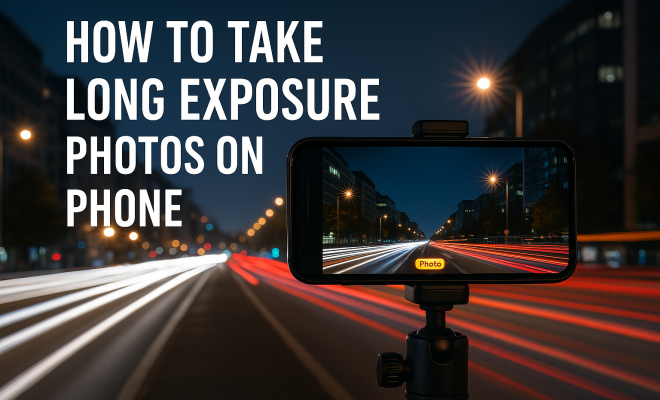
“`html
1. Understanding Long Exposure Photography
Long exposure photography is a technique that involves using a slower shutter speed to capture light over an extended period. This method creates a unique visual effect, making moving subjects appear blurred while keeping stationary objects sharp. It’s often used to photograph flowing water, light trails from vehicles, and starry skies. The beauty of this technique lies in its ability to transform everyday scenes into artistic masterpieces. For those venturing into the realm of photography using their smartphones, understanding the fundamentals of long exposure is essential.
Traditionally, this technique required a camera with manual settings. However, advancements in smartphone technology have made it possible to achieve stunning long exposure shots right from your pocket. The sensors in modern phones can capture impressive detail even in low-light conditions, which is crucial for effective long exposure photography. Knowing how to leverage your phone’s capabilities is key to producing eye-catching images.
2. Choosing the Right Smartphone for Long Exposure
When considering long exposure photography on a phone, not all devices are created equal. Look for smartphones with advanced camera features, such as optical image stabilization (OIS) and a solid aperture range. Brands like Apple, Samsung, and Google have models equipped with sophisticated cameras that can handle the demands of long exposure settings. For instance, the iPhone 12 Pro and the Samsung Galaxy S21 are excellent choices boasting impressive low-light performance and manual control options.
Another factor to consider is the availability of photography apps. Some smartphones come with built-in modes that specifically cater to long exposure photography, while others may require downloading third-party applications. Apps like Slow Shutter Cam (for iOS) and Long Exposure Camera 2 (for Android) provide users with advanced control over shutter speed and exposure time, expanding the creative possibilities.
Statistics indicate that over 80% of smartphone users rely on their device’s camera for photography, emphasizing the importance of choosing a model with the right features. When purchasing a new phone, it’s worth checking out reviews and comparisons focused on camera performance specifically, as this can help you select a device that excels in low-light and long exposure scenarios.
As technology continues to improve, newer smartphone models are frequently released, so staying updated on the latest photography features can also work in your favor. Features such as enhanced night modes, improved sensors, and software capabilities can significantly impact your ability to capture stunning long exposure images.
3. Setting Up Your Phone for Long Exposure
The first step in capturing long exposure photos is to find the right settings. Start by switching your camera to manual mode, if available. This allows you to adjust the shutter speed, ISO, and aperture to suit your lighting conditions. For long exposure photography, a slower shutter speed is crucial. Aim for at least one second or longer, depending on the effect you want to achieve.
Next, set your ISO to a low number, typically between 100 and 400. A lower ISO helps reduce noise in your images, which can be particularly noticeable when capturing long exposures. Adjust your aperture according to the conditions; a wider aperture (lower f-stop number) allows more light, while a narrower aperture (higher f-stop number) brings more detail. Experimenting with these settings will help you find the sweet spot for your specific environment.
It’s essential to remember that different scenarios may require varying settings. For example, while photographing a waterfall during bright daylight, you might need an even lower ISO and a smaller aperture to avoid overexposure. On the other hand, capturing light trails at night could require you to play around with longer exposure times and higher ISO settings for clarity. Each shooting environment is an opportunity to learn and adapt your techniques.
Lastly, consider using your phone’s grid feature to help you compose your shot. Aligning elements according to the rule of thirds can create more dynamic and engaging images. Having a clear understanding of your composition before starting the exposure can greatly enhance the final result.
4. Stabilizing Your Smartphone
One of the biggest challenges with long exposure photography is camera shake. Even the slightest movement can ruin your shot, resulting in blurry images. To counteract this, using a tripod is highly recommended. A tripod stabilizes your phone, allowing for longer exposure times without introducing unwanted motion. If you don’t have a tripod handy, you can also rest your phone on a stable surface, such as a ledge or a stack of books.
For those who want to take it a step further, consider investing in a smartphone stabilizer or gimbal. These devices can help smooth out your movements, especially if you’re capturing scenes with slight motion or if you’re shooting handheld. If all else fails, watching your breathing and holding your phone as steady as possible can help mitigate shake, but it’s not as reliable as using a stable platform. (See: Understanding Long Exposure Photography.)
In addition to tripods and stabilizers, there are some inexpensive alternatives to stabilize your phone. You can use a small portable bean bag or a clothing item to cushion your phone against surfaces. This can help absorb any micro-vibrations and keep your device steady. Experimenting with different stabilization methods can also add character to your shots, depending on the atmosphere you want to convey.
Don’t forget about using your surroundings to your advantage. Leaning against a wall or a tree can provide additional support if you’re shooting without a tripod. This method can stabilize your hands and reduce the chance of camera shake significantly.
5. Finding the Perfect Location
The location you choose significantly impacts the quality of your long exposure shots. Popular subjects include flowing water, busy streets with moving cars, or night skies filled with stars. When photographing water, such as rivers or waterfalls, the long exposure will create a silky effect that enhances the natural beauty of the scene.
For urban settings, look for light trails from moving vehicles. Positioning your camera where you can capture a busy intersection or a bridge can yield fascinating results. If you’re interested in astrophotography, finding a dark area away from city lights will help you capture the stars more clearly. Don’t hesitate to explore different conditions and times of day; each will offer a distinct atmosphere and mood.
Researching your location beforehand can be beneficial, especially if you’re venturing into new territories. Online platforms like Google Maps or local photography groups on social media can provide insights on potential spots, the best times for shooting, and even tips from experienced photographers. A little preparation can save you time and enhance your shooting experience significantly.
Additionally, consider the weather. Cloudy or overcast days can provide a soft, diffused light that’s great for long exposure photography. Rain can add reflections and textures to your images, while the aftereffects of a storm, such as flowing water and dramatic skies, can create stunning compositions. Embracing the elements can yield unique and surprising results!
Another interesting aspect to consider is the time of year. Seasonal changes can dramatically alter a location’s appearance. For example, capturing autumn leaves with the wind can create beautiful swirling patterns in your long exposure shots, while spring might yield vibrant blooming flowers as a dynamic foreground.
6. Mastering Timing and Light
Timing plays a crucial role in long exposure photography. You want to ensure that the light is just right; too much light can wash out your images, while too little can obscure details. Early mornings and late evenings often provide the best light for outdoor shots. If you’re shooting at night, experiment with different exposure times to see what works best.
For photography involving moving subjects, such as cars or people, understanding the flow of traffic can help you plan your shots effectively. Using a remote shutter or timer function will allow you to set up your shot without physically touching the phone, further reducing the risk of camera shake.
Another technique to consider is using neutral density (ND) filters. These filters reduce the amount of light entering the lens, allowing you to achieve longer exposure times even in brighter conditions. They are especially useful for daytime long exposure photography, such as capturing the smoothness of waves or the movement of clouds across the sky. ND filters come in various strengths, so you can choose one based on your shooting environment and desired effect.
Finally, consider the golden hour, which occurs just after sunrise and just before sunset. The soft lighting during this time can create breathtaking effects in your long exposure shots, especially when combined with dramatic clouds or landscapes.
7. Editing Your Long Exposure Photos
Once you’ve captured your long exposure shots, post-processing can elevate them to the next level. Numerous apps such as Adobe Lightroom, Snapseed, or even your phone’s native editing tools allow you to enhance various aspects of your photos. You can adjust the brightness and contrast, correct colors, and even sharpen details.
Another powerful technique is to use blending features that come with some editing apps. For instance, if you’ve taken multiple long exposure shots of the same scene, blending them can enhance the effects of motion in your photo. This method can create mesmerizing light trails and smooth water effects, further emphasizing the artistry of your shot.
Don’t hesitate to play around with different editing styles, such as converting your images to black and white, which can add a timeless quality to your long exposure photography. Monochrome images often highlight textures and patterns that could be overlooked in color. There’s no right or wrong way to edit; it’s all about your personal vision and what resonates with your artistic style. (See: Long Exposure Photography Techniques.)
Experiment with various filters and presets available in editing apps to see how they can change the mood of your photograph. Sometimes, a simple adjustment in tone or color temperature can turn a good image into a stunning one. The key is to keep experimenting until you find a style that feels true to your artistic vision.
8. Common Mistakes to Avoid
Even seasoned photographers can fall prey to common mistakes when engaging in long exposure photography with their phones. One frequent error is not paying attention to the composition before starting the exposure. Make sure that the elements in your frame are balanced and visually appealing. Take a moment to adjust your angle or zoom to eliminate distractions from the background.
Another mistake is failing to check your surroundings. Avoid shooting in excessively lit environments where your subject may get washed out. Additionally, be wary of using very high shutter speeds in low-light situations; doing so can lead to underexposed images. Lastly, always ensure your lens is clean, as any smudges or dirt can become amplified in long exposure shots.
One mistake that can be easily overlooked is the absence of a backup plan. When shooting outdoors, the weather can change quickly, and it’s wise to have alternate locations or subjects in mind. If your initial plan doesn’t pan out because of unexpected weather or lighting conditions, being adaptable can save your day and help you create something beautiful in the process.
It’s also important to double-check your settings before committing to a lengthy exposure. Sometimes, the excitement of the moment can lead to overlooking critical settings, such as focus or exposure compensation. Take a moment to review everything to avoid potential disappointment.
9. Current Trends in Long Exposure Photography
As technology continues to evolve, so do the capabilities of smartphone cameras, which are becoming increasingly popular for long exposure photography. Current trends show that more photographers are exploring creative applications, like capturing movement in urban environments and experimenting with light painting techniques.
Moreover, social media platforms like Instagram and TikTok have sparked a resurgence in interest for capturing these unique images. Users are sharing their long exposure photography experiences and techniques, creating communities and fostering inspiration across diverse demographics. This trend not only highlights the accessibility of photography but also encourages a new generation of creators to experiment with their mobile devices.
With the rise of smartphone photography challenges and hashtags, many users are pushing their creative boundaries. Events or contests specifically focused on long exposure photography have surged in popularity, allowing photographers to showcase their work and learn from others in a collaborative environment. This community engagement can provide valuable feedback and techniques that enhance one’s skills.
Additionally, the integration of augmented reality (AR) features in photography apps has opened up new avenues for experimentation. Photographers can now visualize how different light sources and effects will appear in their long exposure images before even taking the shot.
10. Incorporating Long Exposure Techniques into Your Photography
Long exposure photography isn’t just limited to landscapes or urban scenes; it can be incorporated into various genres of photography. Portraits, for example, can benefit from long exposure techniques to create ethereal effects with moving elements. For instance, if your subject twirls a light source or fabric, using long exposure can result in dynamic and whimsical portraits.
Event photography is another area where this technique shines. Capturing motion at concerts or festivals can produce vibrant images full of energy. The lights from the stage and movements of the crowd can be beautifully rendered with long exposure, conveying the excitement of the moment.
Additionally, you can explore abstract photography using long exposure techniques. By intentionally moving your camera during the exposure or using slow shutter speeds to capture everyday items, you can create intriguing and artistic interpretations of ordinary objects. The possibilities are virtually endless when you embrace creativity in your photography! (See: Photography and its scientific applications.)
Don’t hesitate to combine long exposure techniques with other styles, such as macro photography. Capturing the movement of water droplets or insects can yield fascinating results that tell a story in a single frame.
11. FAQs About Long Exposure Photography with Phones
What is the best shutter speed for long exposure photography?
Shutter speed can vary depending on the effect you want to achieve. Generally, a shutter speed of one second or longer is ideal for capturing motion. For light trails, you might want to try even longer exposures, sometimes ranging from 10 seconds to several minutes, depending on the movement in the frame.
Can I do long exposure photography without a tripod?
While a tripod is highly recommended for long exposure photography, you can stabilize your phone using other means. Resting it on a stable surface, using a gimbal, or even holding it very steady can work in a pinch. However, keep in mind that any movement can lead to blurriness in your images.
Are there specific apps for long exposure photography?
Yes, there are several apps designed specifically for long exposure photography. Examples include Slow Shutter Cam, Long Exposure Camera 2, and ProCamera, which allow you greater control over shutter speed, ISO, and exposure times. These apps can significantly enhance your photography experience.
What types of scenes work best for long exposure photography?
Flowing water, light trails from vehicles, starry skies, and busy streets all make for excellent long exposure subjects. Essentially, any scene with motion can benefit from this technique, as it allows you to capture the ebb and flow of movement creatively.
How can I reduce noise in my long exposure shots?
To minimize noise in your long exposure photographs, keep your ISO low (around 100-400), use a tripod for stability, and avoid shooting in overly bright conditions. Additionally, utilizing noise reduction software during the editing process can help clean up your images.
Can long exposure photography be done during the day?
Absolutely! Using ND filters allows you to take long exposure photos even in bright daylight. This technique is great for capturing smooth water or cloud movement, and it can add a creative flair to your daytime shots.
What are some creative ideas for long exposure photography?
Some creative ideas include capturing light trails from moving vehicles, experimenting with light painting, or photographing people walking through a crowded area. You can even combine long exposure with other techniques, like macro photography, for unique results.
In summary, long exposure photography on your phone opens up an exciting avenue for creative expression. By understanding the fundamentals, mastering your device, and applying thoughtful techniques, you can create stunning images that captivate your audience and reflect your unique artistic vision.
“`
Trending Now
Frequently Asked Questions
What is long exposure photography on a phone?
Long exposure photography on a phone involves using a slower shutter speed to capture light over an extended period. This technique creates unique effects, like blurring moving subjects while keeping stationary objects sharp, allowing for stunning artistic images, especially in low-light conditions.
How do you take long exposure photos with a smartphone?
To take long exposure photos with a smartphone, choose a device with advanced camera features like optical image stabilization. Use dedicated apps like Slow Shutter Cam or Long Exposure Camera 2 to control shutter speed and exposure time, ensuring stability and proper lighting for your shots.
What smartphones are best for long exposure photography?
The best smartphones for long exposure photography include models like the iPhone 12 Pro and Samsung Galaxy S21, which feature advanced camera systems, low-light performance, and manual controls. Look for devices with good optical image stabilization and a wide aperture range for optimal results.
Do I need special apps for long exposure photography on my phone?
Yes, while some smartphones have built-in modes for long exposure photography, using dedicated apps like Slow Shutter Cam for iOS or Long Exposure Camera 2 for Android can provide advanced control over settings like shutter speed and exposure time, enhancing your creative possibilities.
What subjects are best for long exposure photography?
Long exposure photography works well with moving subjects like flowing water, light trails from cars, and starry skies. This technique captures the motion beautifully while keeping stationary objects sharp, allowing for stunning and artistic representations of everyday scenes.
Have you experienced this yourself? We’d love to hear your story in the comments.