Boost AI Productivity: Empower Your Workforce with Confidence
“`html
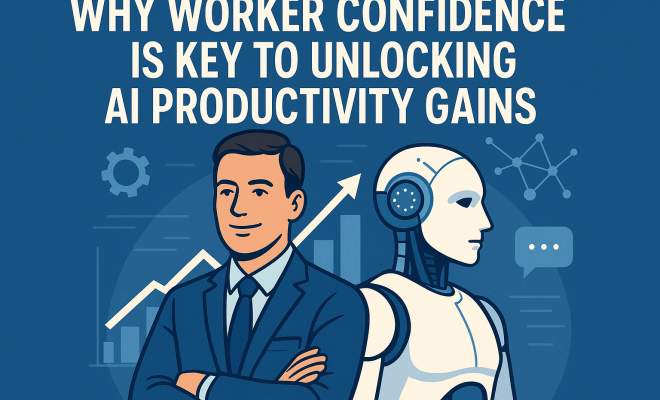
The rise of artificial intelligence (AI) is reshaping industries and redefining how we work. As organizations increasingly integrate AI into their operations, the focus often lies on the technology itself. However, an essential factor that is frequently overlooked is the human element — specifically, worker confidence and the skills gap. In this article, we’ll explore how these elements impact AI productivity gains and what organizations need to do to bridge this gap.
1. The AI Productivity Dilemma
AI has enormous potential to enhance productivity across various sectors. Yet, a critical barrier stands in the way: the disparity between what AI is capable of and what workers can effectively leverage. A recent report noted that while 85% of executives believe AI will increase productivity, only 38% of employees feel prepared to work alongside these technologies. This disconnect raises pressing questions about the workforce’s readiness for an AI-driven future.
Organizations that fail to address this gap may find their AI initiatives falling short. Instead of achieving the anticipated productivity gains, they risk wasting resources and stifling innovation. The reliance on AI to handle complex tasks is only as effective as the employees who utilize it. Thus, fostering worker confidence through proper training and support systems is vital.
2. The Skills Gap: A Hidden Challenge
The skills gap in relation to AI isn’t just a buzzword; it’s a challenge that many organizations face. As AI tools become more prevalent, the expectation for workers to adapt to these technologies grows. However, many employees report feeling overwhelmed and uncertain about their ability to keep up with the rapid advancements. A survey revealed that 70% of workers are concerned about their ability to operate AI tools effectively.
This fear of inadequacy can inhibit productivity and drive job dissatisfaction. When workers lack the confidence to utilize AI effectively, it can lead to a cycle of disengagement and decreased motivation. For businesses, this means not just losing out on AI productivity gains but also facing high turnover rates and the associated costs of hiring and retraining staff.
3. Rethinking Job Design for an AI World
To harness the full potential of AI, organizations must rethink job design. Traditional roles may need to evolve to integrate AI tools effectively. This involves redefining tasks, responsibilities, and workflows to ensure that AI complements human intelligence rather than replacing it. For instance, businesses can transition employees from repetitive tasks to more strategic roles that leverage AI insights.
By redesigning jobs with a focus on collaboration between humans and AI, organizations can enhance job satisfaction and productivity. Employees are more likely to embrace AI when they see it as an enabler of their work rather than a threat to their positions. This shift in perspective can lead to more innovative thinking and increased competitiveness in the market.
4. Training: The Cornerstone of AI Integration
Effective training programs are essential to bridge the skills gap and instill confidence in employees. Companies must identify the specific skills required to work alongside AI and develop tailored training initiatives. On-the-job training, workshops, and e-learning can significantly enhance workers’ understanding and ability to use AI tools effectively.
Moreover, ongoing training should be prioritized to keep pace with the continuous evolution of AI technologies. Organizations that invest in their employees’ skills will not only see improved productivity but also foster a culture of continuous learning, where workers are enthusiastic about adapting to new tools and methods. (See: AI productivity and workforce readiness.)
5. Fostering a Culture of Trust and Collaboration
The relationship between workers and AI must be built on trust. Employees should feel assured that AI is a tool designed to enhance their capabilities rather than replace them. Organizations can cultivate this trust by promoting transparency about how AI systems work and their intended uses. Open discussions about AI’s role can alleviate fears and encourage collaboration.
Collaboration between IT departments and employees is crucial in this process. IT professionals can share insights into AI systems and how they can best serve the workforce. This partnership can also facilitate feedback loops that help improve AI tools and ensure they meet the needs of users effectively.
6. Utilizing Data to Inform Decision-Making
Data plays a pivotal role in maximizing AI productivity gains. Organizations need to leverage data analytics to identify areas where AI can be most beneficial. By analyzing workflow patterns, performance metrics, and employee feedback, companies can pinpoint tasks that AI can enhance or automate.
This data-driven approach also extends to understanding employee skills and training needs. Organizations can use performance metrics to assess where employees struggle with AI tools and tailor training programs accordingly. Such targeted interventions can lead to improved employee confidence and productivity levels.
7. Encouraging Experimentation and Innovation
Promoting a culture of experimentation can lead to significant AI productivity gains. Organizations should encourage employees to explore how AI tools can be applied creatively within their roles. This might involve testing new AI applications or methodologies that can streamline processes or improve outcomes.
By allowing employees the freedom to experiment, organizations can uncover innovative solutions that may not have been considered otherwise. Celebrating these successes and learning from failures fosters an environment where workers feel empowered to take ownership of their work and contribute to the organization’s goals.
8. Addressing Fears of Job Displacement
One of the most significant anxieties surrounding AI is the fear of job displacement. It’s crucial for organizations to address this concern head-on. Rather than framing AI as a threat, leaders should communicate its potential to augment human capabilities and create new opportunities. This includes emphasizing that AI can handle mundane tasks, allowing employees to focus on higher-value work.
Organizations can also provide clear pathways for career advancement in an AI-integrated workforce. By showcasing the new roles and skills that will emerge as AI becomes more integrated, companies can help ease fears and encourage employees to embrace the changes ahead.
9. The Path Forward: Building an AI-Ready Workforce
As we move further into the AI era, developing an AI-ready workforce will be paramount for organizations aiming to achieve significant productivity gains. This involves comprehensive strategies that encompass training, job redesign, collaboration, and innovation. Companies must prioritize building worker confidence through supportive measures that ensure employees feel equipped to use AI tools effectively.
Ultimately, a successful transition into an AI-enhanced work environment will hinge on organizations’ ability to recognize the importance of human contributions. When employees are empowered and confident, AI productivity gains can be realized, leading to heightened innovation, satisfaction, and competitive advantage in the market.
10. Real-World Examples of AI Productivity Gains
To better understand the tangible benefits of AI productivity gains, let’s explore some real-world examples across various industries: (See: AI's impact on worker health and safety.)
- Manufacturing: Companies like Siemens have implemented AI-driven predictive maintenance systems in their factories. By analyzing data from machinery, they can predict when equipment is likely to fail and perform maintenance proactively. This has led to a 20% reduction in downtime and significant savings in maintenance costs.
- Retail: Walmart has harnessed AI to optimize its supply chain. Through advanced analytics, they track inventory levels and customer purchasing patterns in real-time. This approach has helped Walmart reduce excess inventory by 25%, leading to better cash flow and more efficient operations.
- Healthcare: In healthcare, AI is being used for diagnostic purposes. For instance, Google’s DeepMind has developed AI that can analyze medical images with an accuracy rate that surpasses human experts. This means quicker diagnoses and treatments, ultimately improving patient outcomes and reducing healthcare costs.
- Finance: JPMorgan Chase utilizes AI algorithms to assess risk and streamline the loan approval process. As a result, they can process loan applications 10 times faster than traditional methods, allowing them to serve more clients while reducing operational costs.
11. The Importance of Employee Feedback in AI Implementation
Feedback from employees is crucial in successfully implementing AI solutions. When organizations actively seek input from workers, they can identify pain points and areas for improvement in AI tools. This not only boosts morale but also enhances the effectiveness of the technology. Employees who feel heard are more likely to engage with AI systems and leverage them to their fullest potential.
Regular surveys, focus groups, and feedback sessions can help organizations fine-tune their AI implementations. For example, if employees report difficulty in using a specific AI tool, companies can provide additional training or consider alternative solutions. By making adjustments based on employee feedback, organizations can foster a sense of ownership among staff and improve the likelihood of achieving desired productivity gains.
12. Future Trends in AI and Productivity
As we look to the future, several trends are likely to influence AI’s role in productivity:
- AI and Remote Work: With the rise of remote work, AI tools that facilitate collaboration and project management are becoming increasingly important. Companies are leveraging AI to analyze team dynamics and enhance communication, which can lead to more effective remote teams.
- Personalized Learning: AI is making strides in personalized learning experiences for employees. Adaptive learning platforms can tailor training programs based on individual skill levels, ensuring that workers receive the support they need to thrive in an AI-integrated workplace.
- AI Ethics and Regulation: As AI technologies advance, ethical considerations and regulatory frameworks will take center stage. Organizations will need to navigate these challenges while ensuring their AI systems are transparent, fair, and beneficial to all employees.
- The Rise of No-Code Platforms: As AI becomes more accessible, no-code platforms will empower employees without technical backgrounds to build AI applications. This democratization of technology can lead to faster innovation and greater AI productivity gains across the board.
13. Frequently Asked Questions (FAQ)
What are AI productivity gains?
AI productivity gains refer to the improvements in efficiency, output, and overall performance that organizations experience as a result of integrating artificial intelligence technologies into their operations.
How can organizations measure AI productivity gains?
Organizations can measure AI productivity gains by analyzing key performance indicators (KPIs) such as revenue growth, cost savings, time saved on tasks, and employee satisfaction metrics before and after AI implementation.
What role does employee training play in achieving AI productivity gains?
Employee training is critical, as it equips workers with the necessary skills and confidence to use AI tools effectively. Well-trained employees are more likely to adopt AI solutions, leading to better overall productivity.
Can AI replace human workers entirely?
While AI can automate certain tasks, it is designed to complement human capabilities rather than replace them. The goal is to free up employees from mundane tasks so they can focus on higher-value work that requires creativity and critical thinking.
What strategies can organizations use to address employee fears about AI?
Organizations can address fears by fostering open communication, providing clear information about AI’s role, and showcasing success stories that highlight how AI has positively impacted employee roles and company performance.
How can companies cultivate a culture of innovation in the context of AI?
Companies can cultivate a culture of innovation by encouraging experimentation, recognizing and rewarding innovative ideas, and providing employees with the tools and resources they need to explore new applications of AI within their roles. (See: Harvard Business School on AI and skills gap.)
What are the potential drawbacks of implementing AI?
Some potential drawbacks include the risk of over-reliance on technology, potential job displacement, and challenges related to data privacy and security. Organizations need to navigate these issues carefully to maximize the benefits of AI while minimizing risks.
14. Strategies for Maximizing AI Productivity Gains
Organizations looking to maximize AI productivity gains should consider the following strategies:
- Integrate AI into Everyday Processes: AI should not be an isolated tool but integrated into all facets of the business. This means creating synergy between AI systems and existing processes to enhance overall workflow.
- Emphasize Cross-Disciplinary Collaboration: AI implementation should involve diverse teams working together. Encourage collaboration between departments like IT, HR, and operations to develop a more cohesive AI strategy that meets the needs of the entire organization.
- Leverage Cloud Computing: Utilizing cloud-based AI solutions can provide organizations with scalable resources to effectively manage big data and complex AI algorithms, allowing for more rapid analysis and decision-making processes.
- Implement AI-Driven Decision Support Systems: These systems can help employees make data-driven decisions by providing real-time insights and recommendations, ultimately leading to more informed and efficient outcomes.
- Focus on Ethical AI Development: Ensuring that AI systems are developed and deployed ethically can enhance trust among employees and customers alike. Organizations should prioritize transparent practices that protect user data and promote fairness.
15. The Global Impact of AI on Productivity
The implications of AI productivity gains extend beyond individual companies; they can reshape entire economies. According to a McKinsey report, AI could contribute an additional $13 trillion to the global economy by 2030. This massive inflow is expected to come from increased productivity, with AI automating tasks that currently require human effort.
Countries that lead in AI adoption are likely to see significant boosts in productivity across various sectors. For instance, nations like China and the United States are at the forefront, investing heavily in AI technology and infrastructure. This competitive environment will push other countries to adapt or risk falling behind economically. Governments must foster an ecosystem that supports AI development through funding, education, and policy-making to stay competitive in the global landscape.
16. Preparing for an AI-Driven Future
As AI becomes increasingly integrated into various sectors, individuals and organizations must prepare for the changes ahead. Here are some recommendations:
- Continuous Learning: Embrace lifelong learning as a core principle. Workers should continuously seek new skills to stay relevant in an evolving job market, especially in AI-related fields.
- Networking and Community Engagement: Engaging with professional networks and communities can provide insights into industry trends and best practices, helping organizations remain agile and informed.
- Embrace Technology: Organizations should not fear technology; instead, they should view it as an opportunity for growth. Investing in technology and encouraging employees to embrace these tools will prepare the workforce for the future.
- Policy Development: Organizations must work with policymakers to ensure that AI legislation supports innovation while protecting workers. Collaborative efforts can lead to more comprehensive strategies that benefit both businesses and employees.
The integration of AI into the workplace is a transformative journey that requires careful consideration of both technology and human factors. By addressing the skills gap, fostering collaboration, and cultivating a culture of trust and innovation, organizations can unlock the full potential of AI productivity gains. The key lies in understanding that AI should enhance the human experience at work, not overshadow it.
“`
Trending Now
Frequently Asked Questions
Why is worker confidence important for AI productivity?
Worker confidence is crucial for AI productivity because it determines how effectively employees can leverage AI tools. If workers feel unprepared or overwhelmed, they may struggle to utilize these technologies, leading to underperformance and wasted resources. Fostering confidence through training and support enhances productivity and innovation.
What is the skills gap in relation to AI?
The skills gap in relation to AI refers to the disparity between the capabilities of AI technologies and the skills workers possess to use them effectively. Many employees feel unprepared to adapt to rapidly evolving AI tools, which can hinder their productivity and job satisfaction.
How can organizations bridge the skills gap for AI integration?
Organizations can bridge the skills gap for AI integration by providing comprehensive training and support systems that enhance worker confidence. This includes offering workshops, resources, and ongoing education to equip employees with the necessary skills to effectively collaborate with AI technologies.
What are the consequences of failing to address worker readiness for AI?
Failing to address worker readiness for AI can lead to underwhelming productivity gains, wasted resources, and stifled innovation. If employees lack the confidence and skills to effectively use AI, organizations may not achieve their intended outcomes, impacting overall performance and morale.
What percentage of employees feel prepared to work with AI?
According to recent reports, only 38% of employees feel prepared to work alongside AI technologies, despite 85% of executives believing that AI will enhance productivity. This gap highlights the urgent need for organizations to invest in training and support to empower their workforce.
What’s your take on this? Share your thoughts in the comments below — we read every one.