Passive Social Media Use & Loneliness: The Surprising Link
“`html
In our hyper-connected world, social media platforms like Facebook, Instagram, and Twitter promise us deeper connections, allowing us to communicate instantly with friends and family across the globe. But what if I told you that this seemingly harmless scrolling could actually be making you feel more isolated? Recent studies have illuminated a troubling association between loneliness and social media use, particularly highlighting the risks of passive consumption. As more people turn to their screens for social interaction, it raises critical questions about the efficacy of these digital connections.
The Study’s Findings: A Paradigm Shift
Research published in a comprehensive study confirms suspicions that many have had for years: while social media can facilitate genuine connectivity, passive engagement—like mindlessly scrolling through feeds—has a significant correlation with increased feelings of loneliness. The study, which reviewed data from multiple surveys, found that individuals who spent more time passively consuming content reported worse loneliness outcomes than their more engaged counterparts. This flips the common narrative that social media inherently fosters connection and suggests that it’s the way we use these platforms that truly matters.
What Is Passive Social Media Use?
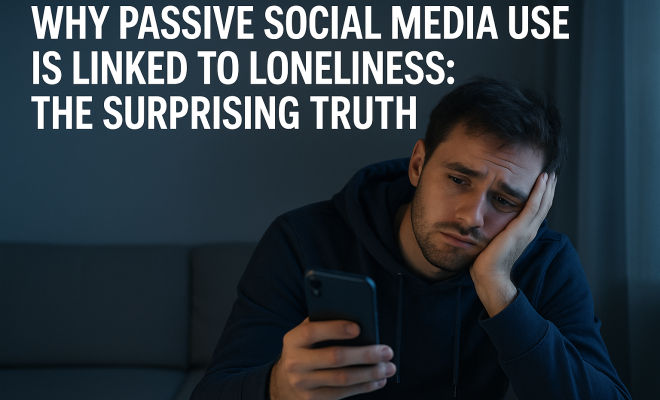
Passive social media use refers to the act of scrolling through posts, images, and videos without actively engaging—meaning no likes, shares, or comments. It’s the practice of consuming content rather than creating it or interacting with others. Picture this: you’re sitting on your couch, scrolling through Instagram, looking at photos from last weekend’s party that you weren’t invited to. You see your friends laughing and having a great time, yet, paradoxically, you feel more disconnected. This scenario is the crux of the issue; it’s a cycle that can lead to deeper feelings of isolation.
The Psychology of Passive Consumption
Understanding why passive consumption leads to loneliness involves diving into human psychology. According to experts, when we engage passively, we may inadvertently compare ourselves to others. We see curated highlights from their lives and can begin to feel inadequate or excluded. Cognitive behavioral theories suggest that these feelings can reinforce existing loneliness, prompting users to retreat further into their digital lives instead of seeking out real-world interactions. Essentially, rather than being a remedy for loneliness, social media can sometimes become its catalyst.
The Role of Active Engagement
Active social media use, on the other hand, typically involves interactions: commenting on posts, sharing your own experiences, and messaging friends. Studies show that individuals who use social media to actively connect—by engaging in conversations or sharing their own stories—tend to report lower levels of loneliness. By using social platforms as a way to foster real-time connections, users can mitigate feelings of isolation. This engagement creates a sense of belonging and community that passive scrolling simply cannot provide.
Examining The Demographics: Who Is Most Affected?
Interestingly, certain demographics are more susceptible to the pitfalls of passive social media use. Young adults and teenagers, who are often seen as digital natives, might be more vulnerable due to their heavy reliance on these platforms for social interaction. In particular, those between the ages of 18-24 have been found to experience intense feelings of loneliness, especially when their social media use is primarily passive. Meanwhile, older adults, who may have initially embraced platforms for connectivity, are also at risk, particularly if they lack the skills or confidence for active engagement.
Why This Matters: The Implications of Increased Loneliness
The implications of these findings are staggering. Loneliness is not merely an emotional state; it poses a serious risk to both mental and physical health. Prolonged loneliness has been linked to a host of health issues, including depression, anxiety, and even cardiovascular diseases. The World Health Organization has recognized loneliness as a significant public health concern, a sentiment echoed by mental health experts worldwide. Therefore, understanding the association between loneliness and social media is crucial for promoting healthier online habits and improving mental well-being.
Strategies for Healthier Social Media Use
So, what can we do about it? To combat the loneliness associated with passive social media consumption, consider these strategies: (See: study on social media and loneliness.)
- Limit passive scrolling: Set a timer for your social media use to avoid endless scrolling.
- Engage actively: Make it a point to comment, message friends, or share your own experiences. Try initiating conversations or joining groups that align with your interests.
- Take digital detoxes: Regular breaks from social media can help to reset your perspective and encourage real-world interactions.
- Curate your feed: Follow accounts that inspire and uplift you. Unfollow those that trigger negative comparisons or feelings of inadequacy.
The Future of Loneliness in a Digital Age
As technology continues to evolve, the relationship between social media and loneliness will be critical to monitor. With the rise of emerging platforms and the growing prevalence of virtual interactions, the potential for passive engagement to exacerbate feelings of isolation remains a pressing concern. Researchers and mental health professionals are advocating for more studies to understand this dynamic better and for tech companies to consider designing features that promote active engagement over passive scrolling.
Comparative Analysis: Social Media and Loneliness Across Cultures
Understanding loneliness and social media is not just a Western phenomenon; different cultures experience it in varying ways. For instance, in collectivist societies where communal relationships are emphasized, social media may serve as a bridge to maintain connections among family and friends. A study in Japan found that while young people are also subject to loneliness due to social media, they tend to use it to reinforce existing relationships rather than as a substitute for face-to-face interactions.
In contrast, individualistic cultures, such as the United States, may see social media being used more for self-promotion and comparison, exacerbating feelings of inadequacy and isolation. This highlights the importance of context when considering the impact of social media on loneliness. Tailoring interventions to fit cultural backgrounds could significantly improve their effectiveness.
The Science of Connection: Neurobiology and Social Media
Diving deeper into the science of connection, recent neurobiological studies indicate that social media can affect hormone levels linked to loneliness and social bonding. For instance, interactions on social media trigger dopamine release, a neurotransmitter associated with pleasure and reward. However, this effect can be fleeting, leading to the pursuit of more interactions and, paradoxically, deeper feelings of loneliness when those interactions do not translate to real-world connections.
Social validation, often sought through likes and shares, can mimic the effects of social interaction. Yet the brain’s reward system reacts differently to virtual versus physical socializing. Research suggests that engagement in face-to-face interactions releases oxytocin, a hormone that fosters feelings of trust and bonding, which social media interactions fail to replicate in the same way. Understanding these biological underpinnings can help in crafting better social media strategies that prioritize genuine connection over superficial engagement.
Expert Perspectives on Loneliness and Social Media
Experts in psychology and sociology are calling for a nuanced understanding of the challenges associated with social media and loneliness. Dr. Sherry Turkle, a prominent psychologist, argues that social media offers the illusion of companionship without the demands of friendship. In her view, the digital world can lead to our neglect of the face-to-face interactions that fulfill our emotional needs.
Clinical psychologist Dr. Chris Donaghue emphasizes the need for awareness about how we consume social media. He often advises clients to assess their feelings before and after using social media platforms. If the experience leaves one feeling worse, he encourages them to re-evaluate their usage patterns. These expert opinions underscore the importance of being mindful about how social media fits into our lives.
Statistics That Tell the Story
Several statistics underscore the relationship between loneliness and social media. A study conducted by the Pew Research Center found that 69% of adults in the U.S. use social media, yet, paradoxically, nearly half report feeling lonely sometimes or always. Another survey revealed that individuals who spend more than two hours a day on social media are twice as likely to report feelings of isolation. Such figures highlight a concerning trend that cannot be ignored.
Frequently Asked Questions
What can I do to reduce feelings of loneliness caused by social media?
Consider setting specific times for social media use and focus on engaging actively rather than passively scrolling. Additionally, reach out to friends for real-life interactions and prioritize face-to-face communication whenever possible.
Are certain social media platforms worse than others for promoting loneliness?
While it depends on individual usage patterns, platforms that emphasize visual comparison, like Instagram, may contribute more to feelings of inadequacy than those that encourage direct interaction, like Facebook or messaging apps. (See: BBC report on social media effects.)
Can social media ever be a positive influence on loneliness?
Yes! When used thoughtfully, social media can foster connections with like-minded individuals, strengthen existing relationships, and provide support networks for those feeling isolated.
How can I support friends who may be feeling lonely due to social media?
Reach out and offer to spend time together, either virtually or in person. Encourage open conversations about feelings and validate their experiences, reminding them that it’s okay to take breaks from social media.
New Conversations: The Role of Mental Health Awareness
One of the key areas that deserves attention is the growing recognition of mental health issues in conjunction with social media usage. With campaigns focusing on mental well-being on platforms like Instagram and Twitter, there’s an opportunity to reshape how users engage with social media content. Mental health influencers and therapists are using these platforms to share resources, personal stories, and coping strategies, making it easier for individuals to seek support and forge connections based on shared experiences.
For example, hashtags like #MentalHealthAwareness and #EndTheStigma are being used to promote dialogue about loneliness and the importance of reaching out. Engaging with these communities can help users feel less isolated, as they realize that they are not alone in their struggles.
Building Better Habits: The Importance of Digital Literacy
Digital literacy plays a crucial role in how individuals interact with social media. Understanding the features of each platform can empower users to make conscious choices about their engagement. For instance, knowing how to adjust privacy settings, curate feeds, and utilize features like ‘Close Friends’ on Instagram can help users connect in a more meaningful way.
Furthermore, educational initiatives aimed at teaching digital literacy can be beneficial, especially for younger audiences. Schools and community programs can integrate lessons on responsible social media use, focusing on the effects of passive versus active engagement, thus equipping the next generation with the tools they need to navigate the digital landscape effectively.
Future Technology: Innovations to Combat Loneliness
As technology continues to evolve, new innovations are being explored to tackle loneliness exacerbated by social media. Virtual reality (VR) and augmented reality (AR) technologies are at the forefront of creating immersive experiences that foster social interaction. Companies are developing VR platforms where users can meet in virtual spaces, allowing for a more human-like interaction compared to standard social media communication.
For instance, platforms that allow users to engage in virtual events, games, or even casual gatherings can simulate real-world interactions. As these technologies become more accessible, they may provide an alternative for those who find themselves feeling isolated, giving users a chance to connect in more dynamic and engaging ways.
Long-Term Effects of Loneliness: A Growing Concern
The long-term effects of loneliness extend beyond immediate emotional distress. Chronic loneliness has been linked to various health problems, such as weakened immune systems, cognitive decline, and increased risk of mortality. A meta-analysis published in the journal Perspectives on Psychological Science found that loneliness can be as detrimental to health as smoking 15 cigarettes a day. This alarming statistic underscores the seriousness of addressing loneliness, particularly in the context of its relationship with social media.
As public health initiatives increasingly focus on mental health, understanding the role of social media in contributing to or alleviating loneliness will be essential. Policies that encourage responsible social media use and support mental health awareness can help create a more connected society.
Encouraging Real-Life Connections: The Importance of Community
In a world where social media can often feel lonely, fostering real-life connections is essential. Communities can offer support and belonging that online interactions may lack. Initiatives that promote community building—like local events, clubs, or volunteering opportunities—can counteract the isolation that many experience while scrolling through their feeds. Engaging in activities with others fosters a sense of belonging and creates opportunities for authentic connections that social media alone cannot provide.
For example, community gardens, book clubs, or fitness classes can bring people together, allowing them to share experiences and build relationships outside of the digital realm. These connections can be incredibly enriching and provide the emotional support that many individuals miss when relying solely on social media.
Final Thoughts: A Call for Change
The association between loneliness and social media isn’t just an academic discussion; it’s a pressing issue that affects millions. While social platforms have the potential to connect us, it’s crucial to engage with them thoughtfully. By recognizing the risks associated with passive consumption, we can take proactive steps to foster genuine connections, both online and offline. The next time you find yourself scrolling mindlessly through your feed, consider putting your phone down and reaching out to a friend instead. Your mental health—and your sense of connection—will thank you.
“`
Trending Now
- our breakdown of unlocking local seo for restaurants: how to boost organic traffic by 74% in 3 months
- The Ultimate Showdown: Profound vs Writesonic for Your AI Visibility Needs
- the complete explanation
- our breakdown of ai cybercrime: the shift from spam to targeted attacks is more alarming than you think
- the complete explanation
Frequently Asked Questions
Why does passive social media use lead to loneliness?
Passive social media use, such as scrolling through feeds without engaging, can intensify feelings of loneliness. This behavior often highlights what one is missing out on, leading to increased isolation compared to actively interacting with others.
What is considered passive social media use?
Passive social media use involves consuming content without engaging, such as scrolling through posts and images without liking, sharing, or commenting. This type of usage can foster feelings of disconnection and loneliness.
How can social media make you feel more isolated?
Despite its potential to connect people, social media can exacerbate feelings of isolation when users engage passively. Observing others’ lives without interacting can lead to negative comparisons and a sense of exclusion.
What are the risks of passive social media consumption?
The main risk of passive social media consumption is its link to heightened loneliness. Studies indicate that individuals who passively scroll through content experience worse loneliness outcomes than those who actively engage with others online.
Can active engagement on social media reduce feelings of loneliness?
Yes, actively engaging on social media—through likes, comments, and shares—can foster genuine connections and reduce feelings of loneliness. This interaction helps create a sense of community and belonging.
What’s your take on this? Share your thoughts in the comments below — we read every one.