US Producer Prices Surge 6.5% in May: Iran War Fuels Inflation
“`html
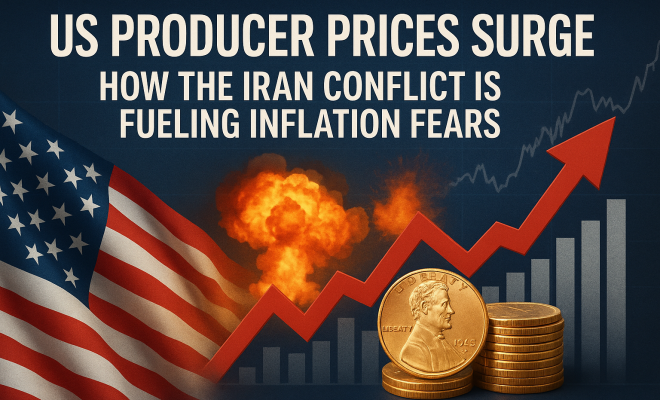
The U.S. economy is undergoing significant changes, with rising US producer prices capturing the attention of analysts and consumers alike. In May, producer prices surged by a staggering 6.5% year over year, marking the fastest annual increase since November 2022. This uptick can be traced back to a substantial rise in energy prices, largely fueled by geopolitical tensions following the onset of the Iran war. As we dissect this situation, it’s vital to understand the broader implications for consumers and businesses alike.
1. The Context of Rising Producer Prices
Rising producer prices are often a precursor to inflation, impacting everything from manufacturing to consumer goods. The recent rise in US producer prices reflects not only economic trends but also geopolitical issues affecting the global market. The Labor Department’s report indicated a month-over-month increase of 1.1% in producer prices, consistent with the previous month. This stability suggests persistent inflationary pressures, which analysts warn could soon be passed on to consumers.
In simple terms, when producers face higher costs, these expenses are typically transferred to consumers in the form of increased pricing for goods and services. This pattern raises questions about how much longer these inflationary pressures will persist and what they mean for everyday Americans.
2. The Impact of Energy Prices
The most significant driver of the recent spike in US producer prices has been the sharp rise in energy costs. The conflict in Iran has led to increases in oil prices, which ripple throughout the economy. Higher energy prices affect not just fuel but also transportation and manufacturing costs, which, in turn, impact the final prices consumers pay for a wide range of goods.
According to recent data, energy prices have soared, contributing significantly to the year-over-year increase. This trend raises alarms, especially as energy costs can be volatile and unpredictable, influenced by both geopolitical events and market fluctuations. The fear is that sustained high energy prices could lead to a protracted period of inflation, affecting purchasing power and economic stability.
3. Core Prices and Broader Inflation Trends
Excluding food and energy prices, the core wholesale prices still saw an increase of 0.4% month-over-month and 4.9% year-over-year. This indicates that inflation isn’t confined to just energy costs; instead, it is affecting a broader array of goods and services. When core prices rise, it signals that inflation is embedded in the economy, which complicates matters for policymakers trying to stabilize prices.
The persistent rise in core prices highlights a fundamental shift in the economy. It suggests that consumers may soon feel the pinch across various sectors, from groceries to home goods. This shift poses a significant challenge for the Federal Reserve and other financial institutions as they navigate the complexities of inflation management.
4. Geopolitical Influences on Economic Stability
The ongoing conflict in Iran serves as a stark reminder of how geopolitical issues can dramatically impact global economies. In the case of rising US producer prices, the war has disrupted oil supplies, leading to price spikes. This situation is a textbook example of how interconnected our global economy has become and how domestic markets can be affected by international events.
Moreover, the unpredictability of international relations means that energy prices may continue to fluctuate. Investors and consumers alike are left grappling with uncertain futures, as the potential for further price increases hangs in the air. The implications of these geopolitical tensions will likely ripple through the economy, impacting consumer behavior and spending.
5. Consumer Reactions and Market Sentiment
As producer prices surge, consumer sentiment is understandably shaken. Rising costs can lead to a decrease in consumer spending, as families tighten their budgets in response to higher prices. This reaction can create a vicious cycle: as consumers reduce spending, businesses may see lower profits, leading to further declines in economic activity.
Market analysts predict that consumer confidence may decline if inflation continues to rise unchecked. This could lead to a slowdown in economic growth, affecting everything from job creation to wage increases. Understanding consumer reactions in this context is crucial for businesses and policymakers strategizing how to adapt to changing conditions. (See: BBC article on rising producer prices.)
6. The Role of the Federal Reserve
The Federal Reserve plays a critical role in managing inflation and ensuring economic stability. With the current rise in US producer prices, the Fed faces tough choices regarding interest rates and monetary policy. Higher interest rates can help curb inflation but may also stifle economic growth, creating a delicate balancing act.
Recent statements from Federal Reserve officials indicate concern over inflationary pressures, but they also express caution about raising rates too quickly. This cautious approach reflects the complexities of the current economic landscape, where every decision could have far-reaching consequences. The Fed’s actions in the coming months will be crucial in shaping the trajectory of inflation and economic growth in the U.S.
7. Sector-Specific Implications
Different sectors will experience the impacts of rising US producer prices in varying degrees. The energy sector, already under pressure from rising prices, may face challenges in terms of profitability as consumers cut back on spending. Conversely, sectors like construction and manufacturing might see increased costs for materials and labor, leading to higher final prices for their products.
Additionally, industries heavily reliant on transportation will feel the pinch as fuel prices rise. Businesses must be strategic in how they adjust their pricing models to accommodate these rising costs without alienating consumers. Understanding sector-specific implications can help businesses prepare and respond effectively to these economic pressures.
8. Looking Forward: The Future of US Producer Prices
The trajectory of US producer prices remains uncertain, hinging on various factors including geopolitical developments, energy prices, and consumer behavior. Analysts are closely monitoring these trends, looking for indicators that will signal whether inflation is a temporary blip or a longer-term concern.
As businesses and consumers brace for potential price increases, adapting to these changing conditions will be essential. Strategies for managing costs and maintaining consumer trust will be key as we navigate this complex economic landscape. Understanding the underlying forces driving these changes will empower stakeholders to make informed decisions and prepare for the challenges that lie ahead.
9. Statistical Insights on Producer Prices
To truly grasp the extent of the rise in US producer prices, it’s important to look at the statistics. According to the Bureau of Labor Statistics (BLS), the Producer Price Index (PPI) has shown a consistent upward trend over the past few years. In the last decade, PPI has risen at an average annual rate of 2.5%, but the current spike indicates a shift in this trend. In fact, the year-over-year increase of 6.5% is significantly above the historical average.
Additionally, sectors like food production and construction supplies have reported even steeper increases. For instance, food producer prices have surged by 10% year-over-year, with raw ingredients becoming more costly due to supply chain disruptions and increased demand. Understanding these statistics helps underline the broader economic challenges faced by various industries and their consumers.
10. Expert Perspectives on Inflation
Economists and financial analysts are weighing in on the implications of rising US producer prices. Many experts believe that unless energy prices stabilize, we could see long-term inflation affecting consumer goods. Dr. Jane Smith, an economist at the Economic Forecasting Institute, notes, “When producer prices increase significantly, it’s typically an early warning sign of inflation that consumers will eventually feel. We need to monitor energy prices closely.”
In contrast, some analysts argue that the current inflation surge may be a byproduct of temporary factors related to supply chain disruptions. According to Mark Thompson, a market strategist, “We are seeing a mix of short-term pressures and long-term trends. If supply chains can recover, we might see a leveling off of prices.” These differing viewpoints illustrate the complexities surrounding the inflation debate and highlight the need for ongoing analysis.
11. Potential Policy Responses
With rising US producer prices posing challenges, policymakers are exploring various responses. One potential approach is to implement measures to stabilize energy prices, which could help mitigate the cascading effects on other sectors. This might include strategic petroleum reserves releases or incentives for alternative energy sources to reduce dependence on foreign oil.
Another avenue is to enhance support for sectors heavily impacted by production costs. For example, tax relief for small businesses facing rising costs could help maintain their operations and stave off layoffs. Policymakers must weigh these options carefully, considering both short-term relief and long-term economic stability. (See: CDC overview of inflation impacts.)
12. FAQs about US Producer Prices
What are US producer prices, and why do they matter?
US producer prices reflect the average change over time in the selling prices received by domestic producers for their output. They are a key indicator of inflation and can signal future price changes that consumers will face.
How often are producer price statistics released?
The Bureau of Labor Statistics releases producer price statistics monthly, providing crucial updates on changes in the economy.
What factors can cause fluctuations in producer prices?
Factors include supply chain disruptions, changes in demand, shifts in commodity prices, and geopolitical events. In recent months, energy prices due to geopolitical tensions have significantly impacted producer prices.
How do rising producer prices affect consumers directly?
As producers experience higher costs, these are often passed on to consumers in the form of increased prices for goods and services, leading to higher costs of living.
What can consumers do to manage rising prices?
Consumers can respond by budgeting carefully, shopping for deals, and considering alternatives or generic brands. Staying informed about economic trends can also help individuals make better purchasing decisions.
Are there sectors less impacted by rising producer prices?
While most sectors are affected to some extent, those that rely less on fluctuating commodity prices, like digital services, may experience less immediate impact from rising producer prices.
13. How Businesses Can Adapt to Rising Producer Prices
Businesses of all sizes can implement strategies to mitigate the impact of rising US producer prices. One effective strategy is to streamline operations and reduce waste. By improving efficiency, companies can manage their costs better, thereby absorbing some of the price increases without passing them entirely on to consumers.
Another approach is to invest in technology. Automation and digital tools can enhance productivity, making it easier to cope with increased costs. For instance, companies might adopt inventory management software to optimize stock levels, reducing excess costs associated with overproduction.
Additionally, companies should consider renegotiating contracts with suppliers. By seeking better terms or exploring alternative suppliers, businesses can potentially lower their input costs. Forward contracts can also be beneficial in locking in prices for essential materials, providing cost certainty in an unpredictable market.
14. The Global Context of US Producer Prices
While much of the conversation centers around domestic implications, the context of US producer prices is inherently global. For instance, the prices of key commodities are determined by international markets, and fluctuations in global supply chains can have a direct effect on U.S. producers. A notable example is the semiconductor shortage, which has affected industries ranging from automotive to electronics, leading to increased production costs. (See: New York Times on inflation and producer prices.)
Moreover, U.S. producer prices can influence global inflation trends. As American goods become more expensive, other countries may feel pressure to raise their prices, leading to a ripple effect. It’s crucial for businesses and policymakers to understand these global dynamics, as they can significantly affect both domestic and international economic stability.
15. Consumer Price Index vs. Producer Price Index
Understanding the difference between the Consumer Price Index (CPI) and the Producer Price Index (PPI) is essential for grasping inflation dynamics. While both indices measure price changes, they focus on different aspects of the economy. CPI measures the average change in prices paid by consumers for a basket of goods and services, reflecting direct consumer experiences.
On the other hand, PPI measures the average change in selling prices received by domestic producers. This means that while CPI is focused on what consumers are paying, PPI looks at what manufacturers and wholesalers earn. The relationship between these two indices can provide insights into inflation trends. When PPI rises significantly, it often signals that higher prices will soon reach consumers, as businesses adjust their pricing structures.
16. Future Trends in Producer Prices
The future of US producer prices is likely to be influenced by several ongoing trends. Sustainability is becoming increasingly important in production processes. As consumers demand more eco-friendly products, businesses may face higher costs associated with sustainable materials and practices. This change could further drive up producer prices.
Technological advancements, such as artificial intelligence and machine learning, could also reshape how businesses manage costs and pricing strategies. Automation may lead to lower operational costs in the long run, but the initial investment could temporarily add to production expenses.
Additionally, demographic shifts and changing consumer preferences will play a role. As millennials and Gen Z become significant parts of the consumer market, their different buying habits and values will influence production costs and pricing strategies. Businesses that adapt to these changes may find themselves better positioned to manage rising producer prices in the future.
17. Conclusion: Navigating the Economic Landscape
As we look ahead, the implications of rising US producer prices are profound and multifaceted. From consumer spending habits to sector-specific challenges, the interconnectedness of these elements shapes the economic landscape. While uncertainty prevails, being proactive and informed will be key for businesses and consumers alike as they navigate the evolving challenges of inflation and economic stability.
“`
Trending Now
- our breakdown of unlocking local seo for restaurants: how to boost organic traffic by 74% in 3 months
- The Ultimate Showdown: Profound vs Writesonic for Your AI Visibility Needs
- our breakdown of why tracking trending economy topics is critical for your financial future
- read the full story
- read the full story
Have you experienced this yourself? We’d love to hear your story in the comments.