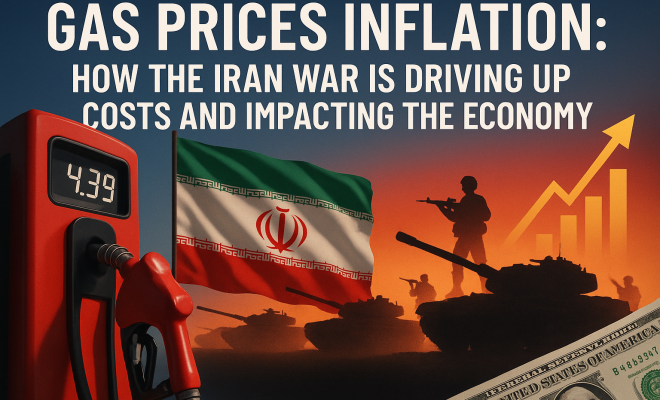
Gas Prices Inflation: How the Iran War is Driving Up Costs and Impacting the Economy
“`html
The recent escalation of conflict in Iran has sent shockwaves through the global energy market, with many Americans feeling the pinch at the pump. According to projections, U.S. inflation is set to reach a three-year high of 4.2% for May, largely attributed to a significant spike in gasoline and other energy costs. With economists pinpointing the Iran war as a key factor pushing oil prices higher, the implications of these increases are profound, affecting household budgets and influencing Federal Reserve policies.
The Inflation Surge: A Closer Look
Inflation, a term often thrown around in economic discussions, has real consequences for everyday Americans. In the case of May, the forecast indicates that consumer prices rose by 0.5% month over month. This jump reflects ongoing pressures across various sectors, particularly in energy. The core inflation rate, which strips out volatile food and energy prices, remains elevated at 2.9% year over year, indicating persistent inflationary pressures.
What does this mean for consumers? Simply put, rising gas prices have a cascading effect on the cost of goods and services. When fuel prices increase, transportation costs go up, leading to higher prices for everything from groceries to household goods. As families manage their budgets, they may find themselves reallocating funds from discretionary spending to cover essential costs.
Gas Prices: The Key Player in Inflation
Gas prices are often the most visible representation of inflation for the average consumer. With the current conflict in Iran, the geopolitical landscape has created uncertainty in oil supplies, resulting in price volatility. This volatility is reflected in the prices consumers see at gas stations across the country.
In May, the price of crude oil rose significantly, influenced by the conflict in Iran. As tensions escalated, the supply of oil faced disruptions, which directly impacted market prices. When crude oil prices rise, gasoline prices do not lag far behind. According to the U.S. Energy Information Administration (EIA), the average national gas price has seen increases that correlate closely with fluctuations in oil prices.
In recent weeks, reports have indicated that gas prices may have reached record highs in some regions. Drivers have voiced concerns over stretching budgets to accommodate these rising costs, particularly as summer travel season approaches. The combination of inflation and higher gas prices is a double whammy for consumers.
The Federal Reserve’s Dilemma
The Federal Reserve’s role in managing inflation is crucial, especially during times of crisis. With inflation nearing 4.2%, the Fed faces a difficult decision on how to respond. Historically, when inflation rises, the central bank may increase interest rates to cool off an overheating economy. However, raising rates can have the opposite effect during a time when consumers are already feeling the strain.
As the Fed contemplates its next move, economists are closely monitoring the interplay between rising gas prices and broader economic conditions. A delicate balance must be struck to avoid pushing the economy into recession while still addressing inflationary pressures.
The Ripple Effect of Rising Energy Prices
Rising gas prices don’t just impact individual consumers at the pump—they create a ripple effect that touches nearly every facet of the economy. From transportation to logistics, energy costs play a pivotal role in determining overall pricing structures. Businesses, particularly those reliant on transportation, face increased operating costs, which can lead to higher prices for consumers.
This inflationary cycle can become self-perpetuating. As businesses pass on costs to consumers, household budgets tighten further, leading to decreased spending. In turn, this can dampen economic growth, creating a precarious situation for policymakers.
Consider the food industry: higher transportation costs mean food prices inevitably rise. According to the U.S. Department of Agriculture (USDA), consumers might soon see a noticeable increase in grocery bills due to escalating gas prices. With food being a staple expense, many families may find themselves reconsidering their buying habits. (See: impact of gas prices on economy.)
Household Budgets in Crisis
As inflation and gas prices rise, American households are left to contend with tighter budgets. The implications of rising costs extend beyond mere inconvenience; they force families to make tough decisions about spending priorities. For lower and middle-income households, which already allocate a larger portion of their income to essentials, this increase in costs can be particularly burdensome.
Consider a family that typically spends $100 a week on groceries. With rising transportation costs affecting food prices, their weekly grocery bill could easily jump to $120 or more. This change may result in families cutting back on discretionary purchases, such as entertainment or dining out. The stress of managing these budget constraints can also lead to broader societal impacts, including increased anxiety and decreased consumer confidence.
The Role of Oil Supply and Demand
The dynamics of supply and demand play a crucial role in the fluctuating gas prices. Following the Iran war’s escalation, many analysts predict that continued geopolitical tensions could lead to further disruptions in oil supply. This uncertainty creates a situation where prices are not merely driven by local factors but by global market conditions and international relations.
Moreover, OPEC’s role in regulating oil production can heavily influence gas prices. Should OPEC decide to cut production in response to rising tensions, prices could soar, exacerbating the current inflationary environment. Economic analysts are closely watching OPEC’s moves, as they directly impact consumer costs.
Political Implications: Election Season and Economic Impact
The intersection of inflation, gas prices, and geopolitics takes on significant political implications, especially as the U.S. approaches election season. Voters are likely to feel the impact of rising costs in their daily lives, making economic issues a priority during campaigns. Candidates will need to articulate their plans for addressing inflation and its repercussions on gas prices.
As both parties strategize, the narrative surrounding inflation and rising energy costs will be crucial. The ability of incumbents to address these issues effectively could sway public opinion and influence election outcomes. For example, if gas prices continue to rise, candidates will need to address how they plan to alleviate this burden on working families.
Consumer Reactions and Adaptations
In the face of rising gas prices and inflation, consumers are adapting in various ways. Many are re-evaluating their travel plans, opting for closer getaways rather than long drives. Public transportation may see a resurgence as more individuals seek alternatives to personal vehicles to manage fuel costs.
Additionally, there’s been a noticeable trend toward more fuel-efficient vehicles. As consumers look to mitigate the impact of rising fuel costs, the demand for electric and hybrid vehicles is on the rise. Automotive manufacturers are responding by increasing production and availability, anticipating a shift in consumer preferences.
Looking Forward: Economic Recovery and Energy Prices
The road to economic recovery is complex and intertwined with energy prices. With rising gas prices inflation becoming a persistent issue, addressing the underlying causes will be essential. Analysts predict that as geopolitical tensions stabilize, the energy market may begin to correct itself, leading to more stable prices.
However, the short-term outlook remains uncertain. Consumers will likely continue to feel the effects of inflation in their daily lives, especially as summer travel and increased energy demand approach. Policymakers will need to monitor these trends closely, balancing the need for economic growth with the imperative to control inflation.
Understanding the Economics of Gas Prices
To grasp the full impact of rising gas prices inflation, it’s essential to understand how gas prices are determined. The price at the pump is influenced by several factors including crude oil prices, refining costs, distribution and marketing expenses, and taxes. Crude oil prices can fluctuate significantly due to geopolitical events, natural disasters, and changes in production levels from major oil-producing countries.
For instance, in early 2020, the onset of the COVID-19 pandemic led to a dramatic drop in demand for oil, causing prices to plummet. Conversely, as economies began to reopen, demand surged, and prices increased rapidly. In fact, the EIA reported an average national gas price of approximately $2.50 per gallon in March 2020, which soared to over $4.00 per gallon by mid-2021 in many parts of the country. (See: global oil prices and inflation.)
Another critical element is the role of refining capacity. If refineries output is constrained due to maintenance, disasters, or regulatory issues, this can lead to higher prices at the pump. The U.S. has seen instances where refinery outages have led to price spikes, underscoring the fragility of the system.
Global Comparisons: How Does the U.S. Stack Up?
When examining gas prices, it’s also interesting to compare the U.S. situation with other countries. For instance, European nations often experience higher gas prices due to significantly higher taxes on fuel. Countries like Norway and the Netherlands can see prices exceeding $7.00 per gallon, largely because of government taxation aimed at promoting environmental sustainability.
In contrast, the U.S. has a relatively low gas tax, averaging about 18.4 cents per gallon at the federal level, plus state taxes that vary widely. This structure can provide a cushion against price increases compared to other regions, but it also contributes to fluctuations in how much consumers ultimately pay. The recent increases have led some analysts to question whether now is the time for a reevaluation of how gas taxes are structured in light of sustainability goals.
Expert Perspectives on Inflation and Energy Costs
Economists and energy analysts have begun offering insights into the future trajectory of gas prices inflation. Many suggest that unless there are significant geopolitical shifts or breakthroughs in energy technology, consumers should brace for continued volatility. “We’re in a period of transition,” says energy economist Dr. Emily Zhang. “The move towards renewable energy is only complicating the traditional oil markets. As nations aim for net-zero emissions, fossil fuels will become increasingly politicized and expensive.”
Additionally, Dr. Zhang notes that the ongoing conflict in Ukraine and other geopolitical tensions could further destabilize oil prices. “If the West continues to impose sanctions on oil-exporting nations, we could see ripple effects throughout the global economy, particularly in fuel prices,” she warns.
Frequently Asked Questions (FAQs)
What causes gas prices to fluctuate?
Gas prices fluctuate primarily due to changes in the price of crude oil, refining costs, distribution expenses, and local taxes. Geopolitical events, seasonal demand, and natural disasters can also impact prices significantly.
How do rising gas prices impact inflation?
Rising gas prices contribute to inflation by increasing transportation costs, which in turn raise the prices of goods and services. This effect can create a cycle of increased costs that impacts overall consumer spending.
Are gas prices expected to rise further?
While predictions can vary, analysts suggest that unless geopolitical tensions ease or significant technological advancements are made in energy production, gas prices may continue to face upward pressure.
What can consumers do to mitigate the impact of rising gas prices?
Consumers can mitigate the impact by considering alternatives to driving, like public transportation, carpooling, or purchasing fuel-efficient or electric vehicles. Additionally, budgeting carefully and shopping smartly can help manage the increased costs.
What role does OPEC play in gas prices?
OPEC (Organization of the Petroleum Exporting Countries) plays a significant role by regulating oil production levels among member countries. Their decisions can significantly influence global oil prices, which directly affect gas prices. (See: inflation trends and gas prices.)
Strategies for Consumers During Inflationary Times
In response to rising gas prices inflation, consumers are exploring various strategies to effectively manage their finances. Here are some actionable tips that can help mitigate the impact of rising costs:
- Invest in Fuel Efficiency: Consider upgrading to a more fuel-efficient vehicle or even an electric vehicle. These investments can yield significant savings over time, especially as fuel prices remain volatile.
- Use Technology: Leverage apps and websites that provide real-time gas price comparisons. This way, you can find the cheapest gas stations near you, helping to stretch your dollar further.
- Plan Trips Wisely: Combine errands into one trip to reduce overall driving time and fuel consumption. Planning ahead can be a simple yet effective way to save on gas costs.
- Explore Alternative Transportation: Consider carpooling, using public transportation, or even biking for shorter distances. These options can save money and have environmental benefits.
The Long-term Shift Towards Sustainable Energy
The increasing volatility of gas prices has prompted a broader discussion on the need for sustainable alternatives. As consumers feel the effects of inflation and energy costs, there’s a growing recognition of the importance of transitioning to renewable energy sources. Governments and industries are investing heavily in clean energy technologies, which may offer a path to more stable energy prices in the future.
According to the International Energy Agency (IEA), global investment in renewable energy is expected to hit $1 trillion annually by 2030. This shift may not only help in stabilizing energy markets but could also provide consumers with more affordable energy options over time. Innovations in solar, wind, and battery storage technologies are becoming increasingly accessible, making it easier for households to transition away from fossil fuels.
The move towards sustainability also prompts discussions about energy independence. Nations investing in renewable energy infrastructure can reduce their dependence on foreign oil, potentially lessening the impacts of geopolitical tensions on energy prices. In a world where energy security is becoming increasingly crucial, this shift may serve as a buffer against future price shocks.
Looking Ahead: Predictions for Gas Prices and Inflation
As we look toward the future, several forecasts suggest a mixed bag for gas prices. Analysts believe that prices may stabilize in the long run, but short-term fluctuations will persist due to ongoing geopolitical tensions and supply chain challenges. According to data from the EIA, the average annual gas price could range from $3.50 to $4.50 per gallon over the next few years, depending on international developments.
Additionally, the inflationary pressure linked with rising energy prices could continue to shape consumer behavior. With many families feeling the strain, businesses may have to adapt their pricing strategies. Companies that can offer value through cost-saving measures or innovative solutions could see increased loyalty from consumers looking to navigate these challenging times.
Staying informed about trends in the energy market and adjusting purchasing habits accordingly will be crucial for consumers in the years to come.
Conclusion: A Time for Awareness and Action
The intersection of gas prices inflation with geopolitical issues represents a critical moment for consumers and policymakers alike. Understanding the factors driving these changes is essential for making informed decisions, both in personal finances and broader economic policy. As we observe the unfolding situation, let’s hope for a resolution that stabilizes the global energy market, allowing consumers to regain a sense of financial security amidst rising costs. The dynamics at play today will shape our economic landscape for years to come.
“`
Trending Now
Frequently Asked Questions
How does the Iran war affect gas prices?
The Iran war has created uncertainty in oil supplies, leading to increased volatility in crude oil prices. As tensions escalate, disruptions in oil supply can cause significant spikes in gas prices, directly impacting consumers at the pump.
What is the current inflation rate in the U.S.?
As of May, the U.S. inflation rate is projected to reach a three-year high of 4.2%, largely driven by rising gasoline and energy costs, reflecting ongoing pressures across various sectors of the economy.
Why are gas prices rising now?
Gas prices are rising due to escalating conflict in Iran, which has disrupted oil supplies and created uncertainty in the global energy market. This volatility directly impacts gasoline prices that consumers see at the pump.
How do rising gas prices affect the economy?
Rising gas prices lead to increased transportation costs, which can raise prices for goods and services. This affects household budgets, forcing families to adjust their spending and potentially reallocating funds from discretionary items to essentials.
What can consumers do about rising gas prices?
Consumers can manage rising gas prices by budgeting more for fuel expenses, reducing discretionary spending, and exploring alternatives like carpooling or public transportation to mitigate the impact on their finances.
What’s your take on this? Share your thoughts in the comments below — we read every one.