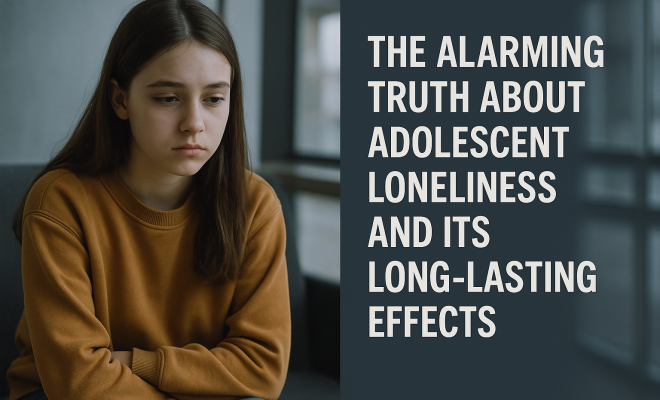
The Alarming Truth About Adolescent Loneliness and Its Long-Lasting Effects
“`html
In recent years, the conversation surrounding adolescent loneliness has gained significant traction, particularly in the United States. This pervasive issue is often brushed aside as a fleeting phase or a mere rite of passage for teenagers. However, a recent study reveals a much darker reality: adolescent loneliness isn’t just a temporary feeling; it’s a precursor to long-term mental health issues, decreased life satisfaction, and poorer overall health outcomes. Understanding this urgent topic is crucial for parents, educators, and policymakers alike.
Understanding Adolescent Loneliness
Before diving into the profound effects of adolescent loneliness, it’s essential to define what we mean by loneliness. It’s more than just being alone; it’s the discrepancy between desired and actual social interactions. Many adolescents feel isolated not necessarily because they lack peers but because they struggle to form meaningful connections. This emotional disconnection can lead to a multitude of challenges that extend far beyond their teenage years.
In fact, loneliness can manifest in several ways, including feelings of emptiness, sadness, and even anxiety. Some adolescents may find themselves surrounded by friends yet still feel profoundly alone. This paradox can be particularly frustrating, as they may not understand why they feel this way. Recognizing this distinction is critical for addressing adolescent loneliness effectively.
The Prevalence of Loneliness Among Teens
The statistics surrounding adolescent loneliness are staggering. According to the study published in ScienceDirect, nearly one in three adolescents in the United States experience feelings of loneliness. This prevalence has escalated over the past decade, with social media often cited as a contributing factor. While social media can help teens connect, it can also foster feelings of isolation, particularly when online interactions replace face-to-face ones.
Research indicates that 70% of teens feel more comfortable communicating through screens rather than in person, which can lead to a disconnect in their social skills. They may struggle with essential interpersonal communication, making it harder to build and maintain real-life relationships. This trend raises concerns about the long-term effects of relying solely on digital communication.
Moreover, the COVID-19 pandemic has exacerbated feelings of loneliness among young people. With social distancing measures and remote learning becoming the norm for many, the already high rates of isolation have surged. A survey conducted by the American Psychological Association found that 61% of teens reported feeling lonely during the pandemic. The critical question arises: how do we combat this growing issue?
The Long-Term Consequences of Adolescent Loneliness
Perhaps the most alarming aspect of adolescent loneliness is its potential long-term effects. Research indicates that those who experience significant loneliness during their formative years are more likely to face mental health challenges in adulthood, including anxiety, depression, and even substance abuse. The correlation is not merely coincidental; it’s a pattern that shows how early emotional struggles can lead to lasting complications.
A longitudinal study by the University of California, Los Angeles, tracked adolescents over ten years and found that those who reported feeling lonely as teenagers were more likely to develop chronic health conditions by their mid-20s. This emphasizes that the repercussions of loneliness are not just emotional but also physical.
Additionally, lower life satisfaction has been closely linked to feelings of loneliness in adolescence. The study highlights that lonely adolescents often report feeling less fulfilled and more dissatisfied with their lives as adults. This lack of satisfaction can stem from a variety of factors, including difficulties in maintaining relationships, career challenges, and overall emotional well-being. Creating a fulfilling life becomes a daunting task for those who’ve experienced loneliness, potentially setting off a cycle of isolation and dissatisfaction.
Physical Health Implications
It’s not just mental health that’s at stake here. Loneliness during adolescence can also have detrimental effects on physical health. The study found a direct connection between feelings of loneliness and poorer sleep quality, leading to a cascade of health issues like obesity, heart disease, and weakened immune function. Sleep is crucial for teens; when it’s disrupted, it affects every aspect of their lives, from academic performance to social interactions. (See: CDC on adolescent mental health.)
Furthermore, adolescents who report high levels of loneliness tend to engage in less physical activity. This sedentary lifestyle can contribute to various health problems, creating a vicious cycle. The more isolated they feel, the less likely they are to engage in activities that could help combat those feelings. In fact, a report by the Centers for Disease Control and Prevention (CDC) found that adolescents in the highest loneliness quartile were 50% less likely to meet recommended physical activity levels.
Nutrition is also affected; lonely teens might turn to unhealthy eating habits as a form of coping. A study from the Journal of Adolescence found that those feeling lonely were more likely to consume junk food and fewer fruits and vegetables, impacting their overall health. These eating patterns can further exacerbate their feelings of isolation and contribute to a downward spiral concerning both mental and physical health.
The Role of Parents and Educators
Addressing adolescent loneliness requires a concerted effort from both parents and educators. For parents, it’s essential to maintain open lines of communication with their children. Encouraging teens to express their feelings and experiences can foster a supportive environment. Parents should also model healthy social behavior, demonstrating the importance of building and maintaining relationships.
Moreover, parents can actively engage their children in social activities. This could include family outings, inviting friends over, or enrolling them in extracurricular activities. By facilitating social interactions, parents can help their teens build essential skills and develop a sense of belonging.
Educators can play a critical role as well. Schools are often the primary social environment for adolescents, making them ideal settings for intervention. Implementing programs that promote social skills, emotional intelligence, and peer interactions can help mitigate feelings of loneliness. Schools can also provide resources, such as counseling services, to support students who may be struggling with isolation.
In addition, training teachers to recognize signs of loneliness and equip them with strategies to support affected students can help create a more inclusive environment in schools. Programs that foster peer mentorships can also be effective, allowing older students to guide younger ones in social integration and emotional support.
Creating Community Connections
Community connections can serve as a buffer against feelings of loneliness. Extracurricular activities, clubs, and volunteer opportunities provide adolescents with spaces to create meaningful relationships outside of school. Encouraging teens to participate in community service or group sports can foster a sense of belonging.
Moreover, technology can be harnessed positively rather than negatively. Social media platforms can be used to create supportive online communities where teens can share their experiences and connect with others who understand their struggles. This can be particularly beneficial for adolescents who feel isolated in their immediate environments. By establishing guidelines for healthy online engagement, parents can help their teens navigate digital spaces that promote positive connections.
Local organizations can also play a significant role in creating events that cater to adolescents. Youth clubs, sports leagues, and art programs can be great places for teens to meet others with similar interests, fostering friendships and reducing feelings of isolation. Creating a sense of community involvement not only combats loneliness but also instills a sense of purpose and responsibility in adolescents.
The Importance of Mental Health Education
To combat adolescent loneliness effectively, mental health education must become a priority in schools. Teaching students about emotional well-being, empathy, and resilience can equip them with the tools necessary to navigate their social worlds. Schools should implement programs that not only address loneliness but also promote overall mental health. (See: NIMH statistics on mental illness.)
Understanding the signs of loneliness and knowing how to seek help are crucial skills for adolescents. Mental health literacy can empower students to take charge of their emotional well-being, leading to healthier coping mechanisms and more robust social connections. Integrating mental health education into the curriculum can also help destigmatize these discussions, encouraging students to speak up and seek support when they need it.
Additionally, peer support programs where students can discuss their feelings in a safe, moderated environment can prove beneficial. This peer-to-peer approach can reduce feelings of isolation, as students realize they’re not alone in their experiences. Schools could also invite mental health professionals to lead workshops, providing students with expert perspectives and strategies to manage their feelings of loneliness.
Research and Policy Implications
As the evidence surrounding adolescent loneliness grows, it’s imperative that policymakers take it into account. There’s a clear need for policies that prioritize mental health resources in schools and communities. Investing in mental health programs can lead to long-term benefits for adolescents and society as a whole.
Research should continue to explore the intricate relationship between loneliness and various life outcomes. Understanding these connections can inform strategies to support adolescents more effectively, ensuring that no teen is left to navigate their loneliness alone. By establishing funding for research on adolescent mental health, policymakers can create programs that are backed by data, improving their effectiveness.
Furthermore, collaboration between educational and mental health professionals is essential. Policies that encourage these collaborations can lead to more comprehensive support systems for adolescents. For instance, integrating mental health screenings in schools could help identify at-risk students early, allowing for timely interventions.
Strategies for Reducing Adolescent Loneliness
Efforts to reduce adolescent loneliness can take many forms. Here are some practical strategies for parents, educators, and communities:
- Foster Open Communication: Encourage teens to share their thoughts and feelings. Create a safe space for them to express themselves without judgment.
- Promote Social Activities: Advocate for and help facilitate participation in clubs, sports, and community service, which can provide opportunities for socialization and bonding.
- Encourage Healthy Online Interactions: Guide adolescents to use social media positively by connecting with friends and participating in constructive online communities.
- Set Up Peer Support Systems: Implement peer mentoring programs in schools that allow students to provide support to one another.
- Establish Counseling Resources: Ensure access to mental health professionals who can provide support and guidance for adolescents struggling with loneliness.
FAQs About Adolescent Loneliness
What are common signs of loneliness in adolescents?
Common signs include withdrawing from social activities, changes in mood, difficulty concentrating, and a drop in academic performance. If a teen frequently expresses feelings of sadness or emptiness, it may also indicate loneliness.
How can I help my child if they feel lonely?
Encourage open communication and assure them that it’s okay to feel lonely. Help them find activities or groups that align with their interests, and consider talking to a counselor or therapist who specializes in adolescent mental health.
Can loneliness affect physical health?
Yes, studies have shown that loneliness can lead to a range of physical health issues, including poor sleep quality, increased risk of chronic diseases, and weakened immune function.
Is social media a significant contributor to adolescent loneliness?
While social media can help teens connect, it often leads to feelings of isolation when digital interactions replace face-to-face connections. It’s essential to encourage balanced use of social media alongside real-world interactions.
How can schools address adolescent loneliness?
Schools can implement programs focused on building social skills, fostering peer connections, and providing mental health resources. Creating an inclusive environment where students feel safe expressing their feelings is also crucial.
The Impact of Peer Relationships on Loneliness
The nature of peer relationships plays a critical role in determining feelings of loneliness among adolescents. Peer acceptance and friendship quality significantly influence how teens experience connection and isolation. For many, the quality of friendships matters more than the quantity. A single close friend can provide immense emotional support and reduce feelings of loneliness, even if the adolescent is not socially active with a larger group.
On the flip side, peer rejection can be a major contributor to loneliness. Adolescents who face bullying or social exclusion are more likely to experience significant loneliness. Educational programs that foster inclusivity and teach empathy can help mitigate these issues. Schools can implement programs that promote kindness and respect, ultimately encouraging students to support one another.
Identifying and Supporting At-Risk Youth
Recognizing adolescents at risk for loneliness is crucial for early intervention. Warning signs may include drastic changes in behavior, such as withdrawing from previously enjoyed activities, expressing feelings of worthlessness, or showing a decline in academic performance. Teachers and parents should be vigilant about these changes and proactive in offering support.
Schools can play a pivotal role by training staff to identify these signs early. Implementing regular check-ins with students can ensure that those struggling with loneliness feel seen and heard. Establishing a culture of care within educational settings can create an environment where students feel safe to express their feelings and seek help without stigma.
Conclusion: A Call to Action
The findings regarding adolescent loneliness emphasize an urgent need for action. As parents, educators, and community members, we must create an environment that fosters connection and belonging for our youth. Every effort counts in combating the detrimental impacts of loneliness, and it starts with open conversations, supportive relationships, and community engagement. Together, we can pave the way for a brighter future for our adolescents, ensuring that loneliness does not define their journey.
“`
Trending Now
Frequently Asked Questions
What are the effects of adolescent loneliness?
Adolescent loneliness can lead to long-term mental health issues, decreased life satisfaction, and poorer overall health outcomes. It often manifests as feelings of emptiness, sadness, and anxiety, impacting emotional well-being well into adulthood.
How common is loneliness among teenagers?
Nearly one in three adolescents in the United States experiences feelings of loneliness, a statistic that has escalated over the past decade. This issue is particularly pronounced among teens who struggle to form meaningful connections.
What causes loneliness in adolescents?
Loneliness in adolescents is often caused by the discrepancy between desired and actual social interactions. Many teens feel isolated even in social settings due to a lack of meaningful connections, which can be exacerbated by social media.
Can social media contribute to teenage loneliness?
Yes, social media can contribute to teenage loneliness. While it allows for connections, it often replaces face-to-face interactions, leading to feelings of isolation and disconnection among adolescents.
How can parents help their teenagers deal with loneliness?
Parents can help by fostering open communication, encouraging meaningful social interactions, and being aware of their teen's emotional state. Creating opportunities for face-to-face connections can also combat feelings of loneliness.
What’s your take on this? Share your thoughts in the comments below — we read every one.