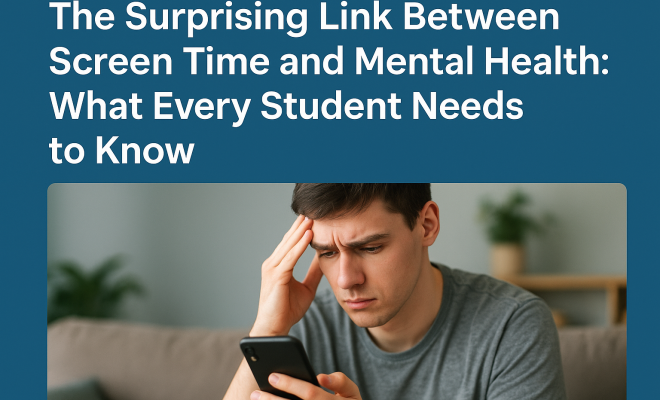
The Surprising Link Between Screen Time and Mental Health: What Every Student Needs to Know
“`html
The Digital Dilemma: Screen Time and Mental Health
In our tech-driven age, it’s almost a rite of passage for students to juggle multiple screens. Whether it’s attending online classes, scrolling through social media, or binge-watching the latest series, screens dominate our daily lives. But recent findings from a study on university medical students at UniKL RCMP paint a different picture — one where excessive recreational screen time correlates with deteriorating mental well-being. This alarming yet enlightening connection compels us to question our daily habits and the impact they have on our mental health lifestyle.
Understanding the Study: Key Findings
The study, conducted on students at the University of Kuala Lumpur (UniKL), revealed that engaging excessively with screens for recreational purposes often leads to heightened feelings of anxiety, stress, and an overall decline in mental health. While many students believe that technology aids their productivity and enhances social interactions, the harsh reality is that overindulgence in screen time can yield detrimental effects.
In addition to the negative implications, the research highlighted a contrasting factor: time spent in natural environments significantly contributes to relaxation and stress reduction. This connection makes it clear that not all time is created equal. The key takeaway from the study is simple yet profound — balance is crucial.
Understanding Mental Health Lifestyle
Your mental health lifestyle encompasses the practices and habits you adopt that directly influence your mental well-being. This includes everything from the amount of physical activity you engage in, your sleep hygiene, dietary choices, and importantly, your screen time habits.
As students face a multi-faceted lifestyle — academic pressures, social expectations, and career aspirations — balancing these elements can be a daunting task. Incorporating practices that nurture mental well-being, such as mindfulness and spending time outdoors, can truly enhance your overall quality of life.
The Impact of Recreational Screen Time
It’s easy to underestimate how much time you spend in front of screens. A quick scroll here, a video call there, and before you know it, hours have slipped away. The UniKL RCMP study directly links excessive recreational screen time with increased anxiety and feelings of isolation. This can create a vicious cycle: the more time spent on screens, the more mental strain accumulates, leading to reliance on them for comfort, which only exacerbates the problem.
Students often find themselves in a paradox. They turn to social media and streaming services to unwind, yet these very activities can lead to feelings of loneliness and dissatisfaction. The key challenge lies in understanding when recreational screen time becomes excessive and recognizing its distinct pattern of harm.
Embracing Nature: The Antidote to Stress
On the flip side, the study emphasizes the importance of spending time in natural environments. Nature has a unique ability to soothe the mind and rejuvenate the spirit. Engaging with green spaces not only decreases stress levels but also enhances overall happiness. So, what does this mean for students? Simply put, incorporating regular outdoor time into your routine can be a powerful counterbalance to the mental fatigue accumulated from screen exposure.
Imagine this: instead of spending your entire break scrolling through your phone, you take a walk in a nearby park. You breathe in fresh air, listen to the rustle of leaves, and reconnect with the world around you. It’s these small actions that can lead to substantial shifts in mental health.
Building a Balanced Mental Health Lifestyle
So, how can you cultivate a mental health lifestyle that harmonizes technology use and nature appreciation? It starts with self-awareness. Here are a few actionable steps to help you achieve that balance:
- Track Your Screen Time: Use apps that monitor your usage. Set limits for recreational activities and stick to them.
- Schedule Outdoor Breaks: Allocate specific times in your week dedicated to being outdoors. Whether it’s a short walk or an outdoor study session, prioritize time outside.
- Mindful Consumption: Be selective about your content. Engage with media that enriches your life rather than drains your energy.
- Practice Digital Detox: Designate tech-free hours each day, perhaps during meals or before bedtime, to foster better mental clarity.
- Engage in Physical Activity: Combine your outdoor time with exercise; a jog, a hike, or even yoga in the park can be incredibly beneficial.
Breaking the Habit: Addressing Screen Dependency
Breaking the cycle of excessive screen time is easier said than done. Often, it stems from deeply ingrained habits and societal expectations. Students might feel pressure to stay connected, remain productive, or simply find comfort in the familiarity of their devices. Recognizing this dependency is the first step.
Consider reflecting on your motivations for screen usage. Are you scrolling out of boredom, or are you genuinely seeking connection? By identifying the root cause of your screen habits, you can begin to make more conscious choices. Engage in activities that promote mental well-being and foster genuine connections, whether through in-person gatherings or outdoor activities.
The Role of Community and Support
Creating a supportive community can significantly impact your ability to adopt a healthier mental health lifestyle. Reach out to friends, family, or fellow students who share similar concerns about their screen time habits. Together, you can hold each other accountable while encouraging outdoor activities and fostering connections beyond the digital realm.
Consider forming study groups that meet in parks rather than coffee shops or libraries. This not only enhances your learning experience but also promotes a sense of belonging and connection. Remember, it’s about building a lifestyle that prioritizes mental health while embracing technology in a healthier way. (See: Coping with stress and mental health.)
Long-Term Benefits of a Balanced Lifestyle
While the immediate effects of reducing screen time and increasing nature exposure may be noticeable, the long-term benefits can be transformative. A balanced mental health lifestyle promotes resilience, better academic performance, and improved emotional regulation. Over time, you may find that your stress levels decrease, your focus sharpens, and your overall happiness improves.
Additionally, nurturing a lifestyle that integrates both technology and nature can empower you to face daily challenges with strength and clarity. As you practice mindfulness and self-care, you’ll become more attuned to your mental health needs, setting a foundation for a fulfilled life.
A Call to Action: Make the Change Today
In light of the study’s findings, the time to act is now. Consider this your invitation to assess your current mental health lifestyle. Are you spending too much time in front of screens? Are you allowing nature to play a significant role in your life? Use this knowledge to inspire change. Remember, it’s not about eliminating technology, but about managing it wisely.
Start today — take a walk, leave your phone behind, and immerse yourself in the world outside. Reflect on how it feels. You might just find that the best remedy for a stressed mind is often a breath of fresh air and a moment of mindfulness.
Understanding the Psychology Behind Screen Addiction
To fully grasp the implications of screen time on mental health, it’s essential to delve into the psychology underlying screen addiction. Many students often turn to screens as a means of escape from stress or boredom. The instant gratification that comes from scrolling through social media or watching videos can create a dopamine loop, reinforcing the behavior and making it difficult to disconnect.
This dependency is magnified by the design of many applications and platforms, which are intentionally crafted to keep users engaged. Features like endless scrolling and notifications are designed to be enticing, making it challenging to limit usage. Understanding this psychological aspect can empower you to break free from these patterns and regain control of your time and mental health.
Statistics on Screen Time and Mental Health
Recent studies shed light on the concerning statistics surrounding screen time and mental health. According to the American Psychological Association, adolescents who engage in over three hours of recreational screen time daily are more prone to mental health issues, such as anxiety and depression. This statistic underscores the necessity of monitoring our screen habits and making a conscious effort to limit our usage.
In addition, research conducted by the Pew Research Center indicates that 45% of teenagers feel overwhelmed by the pressure to maintain their digital presence. This pressure can lead to a decline in self-esteem and exacerbate feelings of inadequacy, particularly when comparing oneself to curated online personas. Recognizing these trends can help you understand the broader implications of excessive screen time on mental health.
Expert Perspectives on Balancing Screen Time
Experts in mental health and wellness emphasize the importance of striking a balance between screen time and offline activities. Dr. Anna Lembke, a psychiatrist and author of “Dopamine Nation,” highlights the significance of “dopamine fasting.” This concept involves periods of abstaining from pleasurable activities, including screen usage, to reset the brain’s reward system. Dr. Lembke suggests that incorporating regular breaks from screens can enhance overall mental well-being.
Similarly, Dr. David Greenfield, founder of the Center for Internet and Technology Addiction, advocates for implementing structured screen time limits and dedicated tech-free zones in homes and study environments. He notes that creating a healthy digital environment can help individuals regain control of their screen habits and lower the risk of mental health issues.
Comparing Different Types of Screen Time
Not all screen time is created equal. Understanding the distinctions between different types of screen activities can guide effective management of your usage. For instance, passive consumption, such as watching videos or scrolling through social media, tends to have a more negative impact on mental health compared to active engagement, such as video calls with friends or participating in online classes.
Research indicates that engaging in interactive online activities can foster a sense of connection and community, mitigating feelings of isolation. In contrast, excessive passive screen time can lead to negative emotions and decreased life satisfaction. This insight underscores the importance of being mindful about the type of screen time you engage in and prioritizing activities that contribute positively to your mental health lifestyle.
FAQs About Mental Health Lifestyle and Screen Time
1. How much screen time is considered excessive for students?
While guidelines vary, the American Academy of Pediatrics suggests limiting recreational screen time to one to two hours per day for students. It’s essential to evaluate individual needs and monitor how screen time affects your mental health.
2. What are some signs that my screen time may be affecting my mental health?
Signs may include increased feelings of anxiety, depression, or loneliness, difficulty concentrating, disrupted sleep patterns, and a preference for online interactions over real-life connections. If you notice these signs, it might be time to reassess your screen habits.
3. Can social media be beneficial for mental health?
Yes, social media can be beneficial when used mindfully. It can foster connections, support networks, and provide information and resources for mental health. However, it’s crucial to be aware of how it affects your mood and self-esteem. (See: Mental health response by WHO.)
4. What are some effective strategies for reducing screen time?
Effective strategies include setting specific usage limits, creating tech-free zones, scheduling outdoor activities, and engaging in hobbies that don’t involve screens. Additionally, practicing mindfulness can help you become more aware of your screen habits and their impact on your mental health.
5. How can I encourage friends to join me in reducing screen time?
Start by sharing your experiences and the benefits you’ve noticed from reducing screen time. Organize activities that promote outdoor engagement or tech-free gatherings, making it a fun and inclusive experience for everyone.
Final Thoughts on Nurturing a Healthy Mental Health Lifestyle
Adopting a mental health lifestyle that prioritizes balance between screen time and outdoor activities is a journey worth embarking upon. With awareness, community support, and a commitment to mindful consumption, you can cultivate a lifestyle that not only enhances your mental well-being but also allows you to thrive academically and socially. The road may have its challenges, but the benefits of a balanced approach to your mental health lifestyle will be profoundly rewarding.
Exploring Mindfulness Practices for Mental Health
Incorporating mindfulness into your daily routine can have a profound impact on your mental health lifestyle. Mindfulness practices such as meditation, deep breathing exercises, or yoga can help ground you in the present moment, reducing anxiety and stress.
Research shows that regular mindfulness practice can lead to changes in brain structure, enhancing areas related to emotional regulation and resilience. For instance, a study published in the journal “Psychological Science” found that participants who practiced mindfulness exhibited increased gray matter density in the hippocampus, an area crucial for learning and memory.
If you’re new to mindfulness, start small. Dedicate just five to ten minutes a day to sit quietly and focus on your breath. As you become more comfortable, gradually increase the time or explore guided meditations available through various apps.
Integrating Exercise into Your Mental Health Lifestyle
Physical activity is a cornerstone of a balanced mental health lifestyle. Regular exercise not only improves physical health but also releases endorphins, often referred to as “feel-good” hormones. This can lead to an immediate boost in mood and a reduction in feelings of anxiety and depression.
Studies show that just 30 minutes of moderate exercise a few times a week can significantly impact mental health. Activities such as jogging, biking, or even dancing can elevate your mood and provide an outlet for stress. Even incorporating physical activity into your outdoor time can create a double effect on your mental health lifestyle.
Join a local sports team, attend fitness classes, or simply take brisk walks in nature. Finding an activity you enjoy will make it easier to stick with it, enhancing both your mental and physical health.
The Connection Between Diet and Mental Health
What you eat can significantly influence your mental health. A diet rich in whole foods, fruits, vegetables, and healthy fats is linked to improved mental well-being. For example, the Mediterranean diet, which emphasizes fresh produce, whole grains, and healthy fats like olive oil, has been associated with lower levels of anxiety and depression.
Research from the University of Warwick found that individuals who ate more fruits and vegetables reported higher levels of happiness and life satisfaction. Foods rich in omega-3 fatty acids, such as fish, walnuts, and flaxseeds, are also beneficial for brain health and can help reduce symptoms of anxiety and depression.
Consider planning meals that not only nourish your body but also support your mental health. Preparing meals and eating together with friends or family can also foster social connections, adding another layer of benefit to your mental health lifestyle.
Developing a Daily Routine for Mental Well-being
Establishing a daily routine can provide structure and predictability, both of which are essential for maintaining a healthy mental health lifestyle. Include time for work, study, exercise, outdoor activities, and relaxation. Having a balanced schedule can help prevent feelings of overwhelm and ensure that you dedicate time to your well-being.
When creating your routine, consider incorporating activities that align with your mental health goals. Set specific times for outdoor breaks, mindfulness practices, and social interactions. Having a routine can also help you balance screen time with activities that promote mental well-being.
Remember, it’s essential to be flexible with your routine. Life can be unpredictable, and some days may require adjustments. The key is to stay committed to your mental health goals, making room for self-care and recognizing the importance of rest and recovery.
The Importance of Sleep for Mental Health
Sleep is often overlooked, yet it plays a vital role in mental health. Lack of sleep can exacerbate feelings of anxiety and depression, impair cognitive function, and hinder emotional regulation. Prioritizing good sleep hygiene is an essential component of a healthy mental health lifestyle.
To improve your sleep quality, consider establishing a relaxing bedtime routine. This might include dimming the lights, turning off screens at least an hour before bed, and engaging in calming activities such as reading or listening to soft music. Aim for 7-9 hours of sleep per night to optimize your mental health.
Additionally, creating a comfortable sleep environment, free from disturbances, can significantly enhance your sleep quality. Remember, good sleep is not just about quantity but also quality, so pay attention to how rested you feel when you wake up.
Final FAQs About Enhancing Your Mental Health Lifestyle
1. How can I maintain a balanced mental health lifestyle while managing academic pressures?
It’s all about prioritizing your time. Schedule regular breaks, engage in outdoor activities, and practice mindfulness. Remember, taking care of your mental health can actually enhance your academic performance in the long run.
2. What role does hydration play in mental health?
Staying hydrated is crucial for cognitive function and mood regulation. Dehydration can lead to fatigue, irritability, and reduced concentration. Aim to drink enough water throughout the day to support both your physical and mental health.
3. Are there specific mindfulness apps or resources you recommend?
Many apps, such as Headspace, Calm, and Insight Timer, offer guided meditations and mindfulness practices suitable for all levels. Explore different options to find what resonates best with you.
4. How can I stay motivated to maintain my mental health lifestyle?
Set achievable goals, track your progress, and celebrate small victories. Engage with a community or find an accountability partner who shares your goals. Remember that consistency is more important than perfection.
5. What are the signs that I need to seek professional help for my mental health?
If you find that your feelings of anxiety or depression are overwhelming, or if daily activities are becoming increasingly difficult, it may be time to reach out to a mental health professional. Seeking help is a vital step in improving your mental health lifestyle.
“`
Trending Now
Frequently Asked Questions
How does screen time affect mental health in students?
Excessive screen time, particularly for recreational activities, has been linked to increased anxiety, stress, and a decline in overall mental well-being among students. Balancing screen use with other activities, especially time spent in nature, can help mitigate these negative effects.
What are the signs of poor mental health due to screen time?
Signs of poor mental health from excessive screen time include heightened feelings of anxiety, stress, irritability, and difficulty concentrating. Students may also experience a decline in social interactions and overall mood, emphasizing the need for balanced screen use.
What can students do to improve their mental health related to screen time?
Students can improve their mental health by setting limits on recreational screen time, engaging in physical activities, ensuring good sleep hygiene, and spending time in natural environments. These practices promote relaxation and a healthier mental well-being.
Is all screen time bad for mental health?
Not all screen time is detrimental; it can aid productivity and social interactions. However, excessive recreational screen time is linked to negative mental health outcomes, highlighting the importance of moderation and balance in screen use.
How can students balance screen time and mental health?
Students can balance screen time and mental health by establishing a structured schedule that includes breaks, physical activities, and outdoor time. Prioritizing mental health practices and being mindful of screen use can lead to improved well-being.
Have you experienced this yourself? We’d love to hear your story in the comments.