The Ultimate Guide to the NOAA Space Weather Dashboard and Its Impact on Our Lives
“`html
Have you ever experienced a GPS glitch or an unexpected radio blackout? You might be surprised to learn that such disturbances can often be attributed to space weather. Enter the space weather dashboard from the National Oceanic and Atmospheric Administration (NOAA), a vital tool that connects solar activity with real-world impacts. This dashboard has become increasingly relevant, particularly during periods of heightened solar activity, making it a hot topic among enthusiasts and casual observers alike.
What Is the Space Weather Dashboard?
The NOAA’s space weather dashboard serves as a comprehensive interface that provides real-time data on solar activity and its effects on Earth’s atmosphere. It tracks a variety of metrics, including solar conditions, solar wind parameters, geospace dynamics, ionosphere states, and the solar cycle phases. This information is crucial for multiple sectors, including aviation, telecommunications, and navigation systems. But why should you care about this dashboard?
The Real-World Impact of Solar Activity
Solar activity influences many aspects of our daily lives, often in ways we don’t immediately recognize. For instance, solar flares can lead to disruptions in satellite communications, GPS accuracy, and even power grids. During intense solar storms, auroras become visible at lower latitudes, offering a spectacular but fleeting sight. The NOAA space weather dashboard gives you a live view of these phenomena, allowing you to stay informed about potential disruptions or amazing visual displays.
Satellite Disruptions
Satellites are incredibly sensitive to space weather conditions. When solar activity increases, the particles emitted by the Sun can interfere with satellite operations, leading to issues like signal degradation, communication failures, and even damage to the equipment itself. For industries reliant on satellite technology—such as telecommunications, weather forecasting, and navigation—being aware of these solar conditions is crucial. The space weather dashboard provides timely alerts regarding such risks, helping businesses and individuals take proactive measures.
GPS Errors
Imagine you’re relying on GPS for navigation during a road trip, only to find out that the signals are scrambled due to solar activity. When solar storms hit, they can cause significant errors in GPS readings, impacting everything from personal navigation to the precision of large-scale logistical operations. The NOAA space weather dashboard tracks these fluctuations, enabling users to anticipate potential inaccuracies and adjust their plans accordingly.
The Dashboard: Features and Functionality
The NOAA space weather dashboard is designed for both scientists and the general public, offering an intuitive interface that shows complex data in an easily digestible format. It includes real-time updates on various metrics related to space weather, making it a valuable resource for anyone interested in understanding how solar activity affects Earth.
Visual Representation of Data
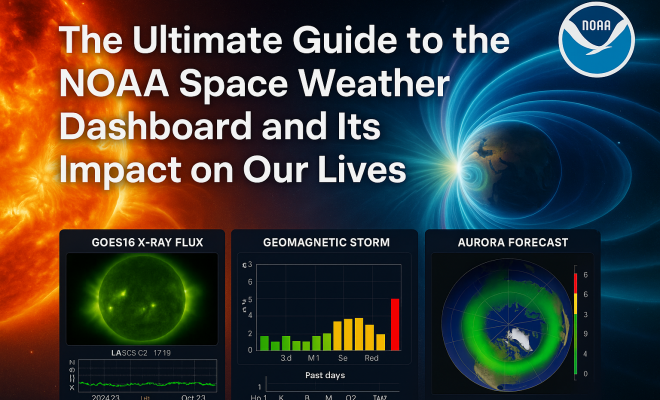
One of the standout features of the dashboard is its visual representation of data. Users can view graphs, charts, and maps that illustrate solar activity, solar wind speeds, and the geomagnetic conditions of the atmosphere. This visual drama not only captures attention but also aids in understanding complex scientific concepts.
Alerts and Notifications
The dashboard is equipped with alert systems that notify users of significant solar events. For instance, if a solar flare is detected that could disrupt communication systems, users will receive timely updates. This immediate relevance enhances the dashboard’s appeal, especially for those who may experience interruptions in their daily lives.
Why the Dashboard Goes Viral
Content related to space weather tends to spread rapidly on social media, particularly during peak solar activity. The combination of public safety concerns, the potential for spectacular auroras, and the direct relevance to everyday life creates a potent cocktail for virality. Have you ever noticed how a simple post about a potential solar storm can generate a flurry of shares and comments? This phenomenon is rooted in a few key factors. (See: National Oceanic and Atmospheric Administration.)
Public Safety Concerns
As technology becomes more intertwined with our daily routines, the risks associated with solar activity become more pronounced. For example, a significant solar storm could lead to power outages or communication failures, which understandably raises concerns for the general public. The NOAA space weather dashboard provides crucial information that can help individuals and organizations prepare for these potential disruptions.
The Spectacle of Auroras
There’s something undeniably mesmerizing about the auroras—those colorful displays of light dancing across the night sky. When the space weather dashboard indicates conditions favorable for aurora sightings, social media lights up with excitement. People share their experiences, photos, and tips for viewing, amplifying interest and engagement across platforms. This kind of visually captivating content is inherently shareable, driving further interest in the dashboard itself.
Engaging the Non-Scientist
The beauty of the NOAA space weather dashboard lies in its ability to cater to both experts and non-experts. You don’t need a Ph.D. in astrophysics to understand the implications of solar activity. The dashboard is designed to make scientific data accessible and actionable for everyone, which is one reason it garners so much attention.
Simple Language and User-Friendly Design
The dashboard employs straightforward language and an intuitive layout, breaking down complex concepts into easily understandable terms. Whether you’re a space weather enthusiast or simply curious about why the lights in the sky are flickering, you can find relevant information without feeling overwhelmed.
Community Engagement
Another powerful aspect of the dashboard is how it fosters community engagement. Online forums, social media groups, and local meetups often spring up around discussions of space weather. This communal sharing of knowledge makes the topic even more accessible and encourages people to contribute their insights, whether it’s a recent experience with GPS interference or a stunning aurora sighting.
Future of Space Weather Monitoring
The NOAA space weather dashboard represents just a step toward more comprehensive monitoring of space weather. As technology advances, we can expect even more sophisticated tools that provide detailed insights into solar activity and its impacts on Earth.
Advancements in Technology
With the rise of artificial intelligence and machine learning, future iterations of the dashboard may incorporate predictive analytics that can anticipate solar events before they occur. Imagine receiving a notification well in advance of a solar storm that could affect your daily life—this could revolutionize how we prepare for space weather impacts.
Global Collaborations
Moreover, international collaborations are likely to enhance the data-sharing capabilities of such dashboards. By pooling resources and expertise from various countries, we can develop a more holistic understanding of space weather patterns and their effects on Earth. This collective effort could lead to more resilient infrastructure, better risk mitigation strategies, and more informed public safety measures.
How to Stay Updated
If you’re interested in keeping tabs on space weather, the NOAA space weather dashboard should be your go-to resource. However, there are other ways to stay informed and actively engage with the topic. (See: NASA's Solar System Exploration.)
Follow Social Media Accounts
Many organizations, including NOAA, frequently post updates about space weather on their social media platforms. Following these accounts can keep you in the loop about significant solar events and their potential impacts.
Sign Up for Alerts
Consider signing up for email alerts or notifications from the dashboard. This way, you won’t miss out on critical information that could affect your daily activities. Whether you’re an avid adventurer looking for auroras or someone who needs to know about potential GPS errors, staying informed is vital.
Frequently Asked Questions
What is space weather?
Space weather refers to the environmental conditions in space that can affect Earth’s atmosphere and technology. It primarily involves solar activity such as solar flares, coronal mass ejections (CMEs), and solar wind, which can impact everything from radio communications to power grids on Earth.
How can space weather affect daily life?
Space weather can disrupt satellite communications, GPS systems, and even cause power outages through geomagnetic storms. For example, intense solar flares can interfere with radio signals, leading to blackouts in communication systems, while geomagnetic storms can induce electric currents in power lines, potentially damaging transformers.
How can I interpret the data on the NOAA space weather dashboard?
The NOAA space weather dashboard is designed to be user-friendly. Each metric comes with explanations, and the visualizations, such as graphs and charts, help in understanding the data. You’ll find labels and legends that guide interpretation, making it easier to grasp the current space weather conditions.
Are there any mobile apps for space weather updates?
Yes, there are several mobile apps available that provide space weather updates. Apps from NOAA and other organizations offer real-time alerts and updates, making it convenient to stay informed while on the go. These apps often pull data directly from the NOAA space weather dashboard, ensuring you’re getting accurate information.
How can I prepare for solar storms?
To prepare for solar storms, it’s important to have a plan in place. This might include ensuring you have backup power sources, such as generators, and keeping a supply of batteries for essential devices. Being informed about potential solar events through the NOAA dashboard or other reliable sources can help you anticipate disruptions and take necessary precautions.
What is the solar cycle?
The solar cycle is an approximately 11-year cycle that describes the periodic change in the Sun’s activity, including the frequency of solar flares and sunspots. During solar maximum, the Sun is more active, leading to increased solar storms, while solar minimum is characterized by reduced activity. (See: CDC's Space Weather and Health.)
Can space weather affect airline travel?
Absolutely. Space weather can impact airline travel, particularly for flights at high altitudes and polar routes. Increased radiation from solar particles can affect passengers and crew, prompting airlines to reroute flights to avoid high-radiation areas. The NOAA space weather dashboard provides critical information that can help airlines make informed decisions about flight paths during solar events.
What are some historical events caused by space weather?
One of the most notable events was the Carrington Event of 1859, a powerful solar storm that caused widespread telegraph failures and even sparked auroras visible as far south as the Caribbean. More recently, in 1989, a geomagnetic storm caused a nine-hour outage of Hydro-Québec’s power grid, leaving millions without electricity. These events underscore the importance of monitoring space weather and understanding its potential impacts on modern infrastructure.
How does the NOAA space weather dashboard compare to other monitoring systems?
The NOAA dashboard is among the most comprehensive tools for tracking space weather in real-time, but other organizations like NASA, ESA (European Space Agency), and private research institutions also provide dashboards and alerts. While NOAA focuses primarily on the effects on Earth, other systems may incorporate additional data relevant to space exploration and satellite operations. Comparing multiple sources can give users a more rounded view of space weather conditions.
Future Learning: Educational Resources
If you’re interested in diving deeper into the world of space weather, there are plenty of educational resources available. Websites like NASA’s Solar Dynamics Observatory and the European Space Agency’s Space Weather Portal offer in-depth articles, videos, and interactive content. Online courses and webinars on platforms like Coursera or edX provide structured learning opportunities, often featuring experts in the field who share their insights and research.
Space Weather and Climate Change
As we consider the effects of human activity on Earth’s climate, it’s also important to understand how space weather interacts with these changes. While space weather primarily involves solar activity, its effects can influence atmospheric conditions. For instance, solar radiation can affect the ozone layer, which in turn influences climate patterns. Research in this area is ongoing, and understanding these connections can help us grasp the broader implications of both climate change and space weather.
Wrapping Up: The Importance of Awareness
With the growing reliance on technology in our daily lives, awareness of space weather is becoming increasingly essential. The NOAA space weather dashboard not only provides critical information to mitigate risks associated with solar activity but also fosters curiosity about the universe. Whether you’re a casual observer or a dedicated researcher, the dashboard invites you to explore the dynamic interactions between the Sun and Earth. So don’t just watch the skies; engage with the data and see how you can be prepared for whatever solar activity comes your way!
“`
Trending Now
- this guide on unlocking local seo for restaurants: how to boost organic traffic by 74% in 3 months
- this guide on the ultimate showdown: profound vs writesonic for your ai visibility needs
- Why Tracking Trending Economy Topics Is Critical for Your Financial Future
- this guide on unpacking the challenges of legal topics identification in today’s news cycle
Frequently Asked Questions
What is the NOAA Space Weather Dashboard?
The NOAA Space Weather Dashboard is a comprehensive tool that provides real-time data on solar activity and its effects on Earth's atmosphere. It tracks various metrics such as solar conditions, solar wind parameters, and geospace dynamics, making it essential for understanding how solar phenomena impact daily life.
How does solar activity affect our daily lives?
Solar activity can disrupt satellite communications, GPS accuracy, and even power grids. Events like solar flares lead to real-world impacts that may not be immediately obvious, such as glitches in navigation and telecommunications, emphasizing the importance of monitoring space weather.
What are the effects of solar flares on technology?
Solar flares can cause significant disruptions in technology by affecting satellite operations, leading to signal degradation and communication failures. Industries reliant on satellite technology, like telecommunications and navigation, must monitor these events to mitigate potential issues.
Why should I care about space weather?
Understanding space weather is crucial as it can impact essential services like GPS, telecommunications, and power grids. By keeping informed through tools like the NOAA Space Weather Dashboard, you can prepare for potential disruptions and enjoy natural phenomena like auroras.
What can I find on the NOAA Space Weather Dashboard?
The NOAA Space Weather Dashboard provides real-time data on solar activity, including solar wind parameters, ionosphere states, and solar cycle phases. This information helps users understand the current space weather conditions and their potential impacts on Earth.
Have you experienced this yourself? We’d love to hear your story in the comments.