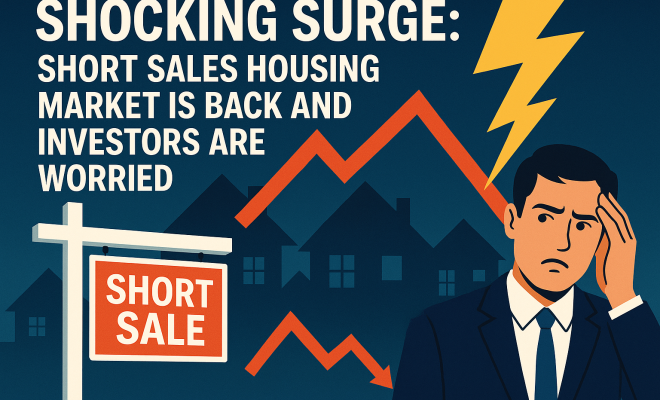
Short Sales Surge 16% in Q1 2026: What Investors Need to Know
“`html
The real estate landscape is changing, and not in a way that many had anticipated. Recent data reveals a startling trend in the short sales housing market, with a dramatic 16% year-over-year increase in short sales. These transactions now account for 28% of all distressed property sales in the first quarter of 2026. As this trend unfolds, it raises critical questions about the stability of the housing market and the emotional toll on homeowners facing financial distress.
Understanding Short Sales
Short sales occur when a homeowner sells their property for less than the amount owed on their mortgage. This process often arises when the owner is facing financial difficulties and seeks to avoid foreclosure. The lender must approve the sale, which can complicate the timeline and outcome. Historically, short sales were more common during economic downturns, but their recent resurgence has caught many off guard.
The Recent Spike in Short Sales
According to a report from Realtor.com, the shift in the short sales housing market marks a significant shift from a modest 4% rise between 2023 and 2024 to a staggering 16% increase in the past year. These numbers highlight an accelerating trend of homeowner distress, raising eyebrows across the real estate sector. What accounts for this sudden surge? Let’s take a closer look.
High Interest Rates and Increasing Housing Costs
One of the primary catalysts behind the resurgence of short sales is the combination of high-interest rates and persistently rising housing costs. Homebuyers are grappling with mortgage rates that have remained elevated, making home financing less accessible. The financial burden is evident, and many homeowners who stretched their budgets to buy homes during the previous low-interest-rate environment are now feeling the pinch.
The impact of these high costs cannot be overstated. As home values soar and monthly payments climb, many buyers find themselves in precarious positions, unable to meet their obligations. Faced with this reality, some are opting for short sales to relieve themselves of their financial burdens.
Distressed Listings on the Rise
The increased number of distressed listings is a critical indicator of the ongoing shifts in the housing market. Homes in foreclosure or facing short sales often flood the market, which can create downward pressure on prices in the surrounding area. For potential buyers, this might seem like an opportunity, but it also reflects deeper economic issues at play.
As of Q1 2026, distressed sales, including short sales, represent a significant portion of the market, with 28% of all distressed property sales falling under this category. The implications for both homebuyers and investors are profound. For investors, there is potential for profit, but the associated risks are substantial.
The Emotional Impact on Homeowners
When people hear about short sales, there’s often a sense of urgency and fear—fear of foreclosure, fear of losing a home, and fear of financial instability. This emotional turmoil is compounded by the broader implications of a potential market downturn. Homeowners dealing with financial distress face not only economic consequences but also personal and emotional stress.
Many homeowners believe that engaging in a short sale may tarnish their credit scores and hinder future home-buying opportunities. While this is true to an extent, it’s essential to weigh the long-term consequences against the immediate relief a short sale can provide. Rather than facing foreclosure, which can have a more damaging impact on credit, a short sale may offer a viable alternative.
Market Stability: Is It at Risk?
The re-emergence of short sales raises crucial questions about market stability. Historically, spikes in short sales have preceded significant downturns in the housing market, leading to speculation about whether we are on the brink of another collapse. As more homeowners opt for short sales to escape financial hardship, the market may face further destabilization.
Investors and real estate professionals are watching these trends closely. The current climate of high-interest rates and rising home prices creates an uneasy atmosphere, where even seasoned investors are unsure of the best course of action. The concerns are valid; after all, when distressed properties begin to populate the market, it can signal larger systemic issues at play.
What This Means for Buyers
For potential buyers, the escalating number of short sales may present opportunities to secure properties at lower prices, especially in areas where demand has softened. However, it’s essential to approach these transactions with caution. Short sales can be notoriously complex, often requiring lengthy negotiations with lenders and additional paperwork. (See: CDC Short Sales Data.)
Buyers should be prepared for potential delays and unforeseen challenges. Engaging a knowledgeable real estate agent who understands the intricacies of short sales can be invaluable. Furthermore, being aware of the emotional landscape of the seller can help buyers navigate the process more sensitively.
Investors and the Short Sales Housing Market
Investors are often on the lookout for opportunities, and the recent spike in short sales may be tempting for those looking to expand their portfolios. Purchasing short-sale properties can allow investors to acquire homes at prices below market value. However, the risks are equally significant; a property that appears to be a good investment on the surface may come with hidden costs and complications.
Additionally, investors must be mindful of the current economic climate. While short sales can offer incredible opportunities, they can also serve as a warning sign of a larger market downturn. Investors might want to consider diversifying their strategies or focusing on properties that have greater potential for appreciation rather than solely chasing short sales.
Government’s Role in Short Sales
The government often plays a critical role in housing markets, especially during times of distress. Programs designed to assist homeowners facing financial difficulties can influence the short sales housing market significantly. These initiatives may include mortgage relief programs, counseling for homeowners, and other forms of support aimed at preventing foreclosures.
Understanding the existing resources and programs can empower homeowners in distress to make informed decisions about their options. Awareness of these resources can also help mitigate the emotional burden associated with financial hardship. Homeowners should explore all available avenues to seek assistance before considering a short sale.
Future Trends: What Lies Ahead?
Predicting the future of the short sales housing market can be a daunting task, especially in a landscape marked by uncertainty. As interest rates remain high and housing costs continue to climb, the number of short sales will likely rise, leading to further questions about market stability.
Real estate professionals should stay informed about these emerging trends and be proactive in their strategies. Understanding the signs of distress in the housing market can allow agents and investors to adapt quickly and effectively. Whether this signals a broader economic trend or merely a temporary fluctuation remains to be seen, but one thing is clear: the short sales housing market is back, and it’s time to pay attention.
Comparative Analysis: Short Sales vs. Foreclosures
Understanding the distinction between short sales and foreclosures is vital for anyone navigating the short sales housing market. While both are solutions for homeowners facing financial distress, they differ significantly in process, impact, and outcomes.
In a short sale, the homeowner retains some control over the sale process. They can choose to list their home on the market, negotiate with potential buyers, and have their agent represent their interests. The lender’s approval is still needed, but the homeowner has greater agency in the transaction.
In contrast, a foreclosure is a more severe process initiated by the lender after a homeowner defaults on their mortgage. In this case, the lender takes possession of the property and usually sells it at auction. Homeowners lose not only their homes but also face longer-lasting impacts on their credit scores.
Statistics show that a foreclosure can drop one’s credit score by 200 points or more, while a short sale might result in a drop of 100-150 points. This difference can significantly influence a homeowner’s ability to secure future financing.
In summary, while both options can lead to the loss of a home, short sales provide a less drastic route that might preserve some of the homeowner’s financial future.
Impact of Economic Conditions on Short Sales
The economic landscape substantially influences the prevalence of short sales. Factors such as unemployment rates, inflation, and overall economic stability play vital roles. According to recent data from the Bureau of Labor Statistics, as of early 2026, the unemployment rate has slightly risen to 6%, which correlates with the increase in short sales. (See: New York Times on Housing Market.)
Additionally, inflation has led to increased living costs, squeezing household budgets and contributing to higher rates of financial distress. Consequently, as economic conditions fluctuate, so too does the likelihood of homeowners opting for short sales. For instance, during the 2008 financial crisis, short sales surged as a direct result of widespread job loss and plummeting home values.
This informs potential buyers and investors about the cyclical nature of the real estate market, emphasizing the importance of monitoring economic indicators to anticipate shifts in the short sales housing market.
Strategies for Homeowners Considering Short Sales
For homeowners contemplating a short sale, having a solid strategy in place can make a significant difference. First and foremost, gathering all relevant financial documents is crucial. This includes mortgage statements, proof of income, and evidence of financial hardship, as these will be necessary for lender negotiations.
Next, consulting with a real estate agent experienced in short sales can provide valuable insights into pricing and market conditions. They can guide homeowners through the often complex process and help them prepare for lender discussions.
Additionally, homeowners should communicate openly with their lenders early in the process. Many lenders have dedicated short sale departments that can offer guidance and options tailored to individual circumstances. Proactive communication can also lead to more favorable terms.
Lastly, understanding the tax implications of a short sale is essential. Homeowners should consider consulting a tax professional to navigate potential tax liabilities that might arise from forgiven debt.
Frequently Asked Questions
What is the difference between a short sale and a traditional sale?
In a traditional sale, the homeowner sells the property for more than the mortgage balance, allowing them to pay off the lender in full. In a short sale, the sale price is less than what is owed on the mortgage, requiring lender approval to proceed.
How long does a short sale take to complete?
The timeline for a short sale can vary significantly, often taking anywhere from three to six months. Factors such as lender responsiveness, the complexity of the transaction, and market conditions can all influence the duration.
Will I owe money after a short sale?
It depends on the agreement reached with the lender. While some lenders may forgive the remaining debt after a short sale, others might pursue a deficiency judgment, meaning you could be responsible for the balance owed on the mortgage. This is why negotiating terms with the lender is essential.
How does a short sale affect my credit score?
A short sale typically results in a drop of 100-150 points in your credit score, depending on your previous credit standing. This is significantly less damaging than a foreclosure, which can decrease your score by 200 points or more.
Can I buy another home after a short sale?
Yes, buying another home after a short sale is possible, but it may take some time. Typically, lenders may require a waiting period of 2-4 years before you can secure a new mortgage. However, the exact timeline can depend on the lender and your overall financial recovery.
Additional Considerations for the Short Sales Housing Market
As the short sales housing market evolves, several additional factors warrant consideration. Homeowners may need to assess the potential long-term impacts of their decision to enter a short sale. It’s important to look beyond immediate relief and understand how this choice might affect their ability to secure future financing or their overall financial health.
One critical aspect to consider is the timing of the short sale. Homeowners should evaluate the local housing market conditions before proceeding. Selling during a buyer’s market, when home prices are low, might lead to a less favorable outcome than waiting for a potential upswing, even if it means facing temporary financial strain.
The Future of Short Sales: Expert Perspectives
Industry experts are divided on the future of short sales. Some believe that as long as high-interest rates persist, the short sales housing market will continue to thrive. They argue that the current economic environment, coupled with an aging housing stock, will lead many homeowners to consider short sales as a viable option.
Conversely, others suggest that changes in government policy could significantly alter the landscape. For instance, if new regulations are implemented to make refinancing more accessible, it could relieve financial pressure on struggling homeowners and reduce the reliance on short sales. This is a dynamic situation worth watching.
Comparative Market Analysis: Areas with High Short Sales
Real estate markets vary significantly across different regions, and it’s essential to understand where short sales are most prevalent. Areas with high unemployment rates, declining job markets, or substantial economic downturns often see increased short sales. For example, urban regions with high housing costs might see more short sales compared to rural areas with lower costs.
Additionally, states like California and Florida have historically seen spikes in short sales during economic instability. It’s crucial for prospective buyers and investors to conduct a comparative market analysis to identify these regions and make informed decisions about future purchases.
Short Sales: A Summary of Benefits and Risks
Understanding the benefits and risks associated with short sales can empower both homeowners and potential buyers. For homeowners, the primary benefit is the potential to avoid foreclosure and lessen the financial and emotional burden associated with losing a home. Short sales can also provide a sense of control in an otherwise overwhelming situation.
For buyers, short sales can represent a chance to purchase properties at reduced prices. However, the risks include lengthy negotiations, potential for the sale to fall through, and the possibility of purchasing a property with hidden issues.
Conclusion: A Changing Landscape
As the real estate market evolves, the resurgence of short sales is a critical development that no one should ignore. Whether you’re a homeowner, buyer, or investor, understanding the implications of this trend is vital for navigating the ever-changing housing landscape. The emotional toll on homeowners, the complexities for buyers, and the opportunities for investors all paint a vivid picture of the current state of the market. In the coming months and years, we can expect to see how this trend unfolds, and it’s essential to remain vigilant as the short sales housing market continues to reshape the industry.
“`
Trending Now
Frequently Asked Questions
What is causing the increase in short sales in the housing market?
The recent surge in short sales can be attributed to high-interest rates and rising housing costs. Many homeowners who purchased properties during the low-interest-rate period are now facing financial difficulties, making it challenging to keep up with mortgage payments.
How do short sales work in real estate?
Short sales occur when a homeowner sells their property for less than the mortgage amount owed. This typically happens when the owner is in financial distress and seeks to avoid foreclosure, requiring lender approval for the sale.
What percentage of property sales are short sales currently?
Short sales currently account for 28% of all distressed property sales as of the first quarter of 2026, marking a significant increase from previous years.
What are the implications of rising short sales for the housing market?
The increase in short sales raises concerns about the stability of the housing market, potentially indicating a rise in homeowner distress and financial instability among buyers, which could impact overall market conditions.
How have short sales changed from previous years?
Short sales have seen a dramatic increase of 16% year-over-year, a stark contrast to the modest 4% rise observed between 2023 and 2024, highlighting a troubling trend in homeowner financial distress.
Have you experienced this yourself? We'd love to hear your story in the comments.