The Alarming Link Between Media Consumption and Mental Health After Mass Violence
“`html
Understanding the Impact of Media Consumption
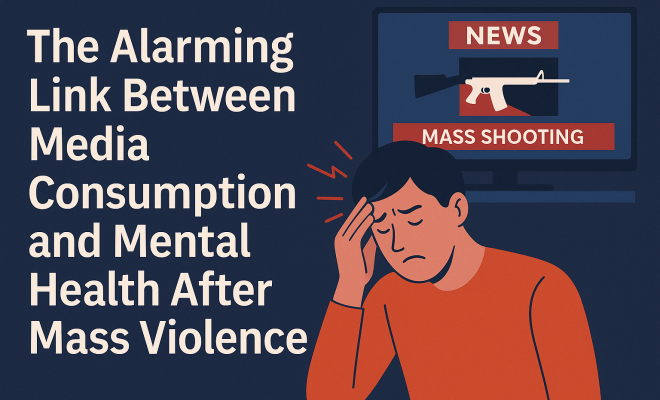
In today’s hyper-connected world, the consumption of news and information has become almost second nature for many. But what happens when that consumption is driven by traumatic events, like mass violence? A recent study published in JAMA Network Open digs deep into this pressing question, exploring the relationship between heavy media consumption and psychological distress in communities affected by such tragedies.
Survey Insights: A Closer Look at the Data
Researchers conducted surveys targeting adults residing in areas impacted by mass violence. These communities often experience a unique set of challenges, including heightened anxiety and emotional distress in the aftermath of violent incidents. The survey data provided researchers with valuable insights into how media consumption patterns can exacerbate or mitigate these feelings.
The findings indicated that individuals who reported higher levels of media consumption were also more likely to experience significant distress. This correlation sheds light on the psychological toll that constant exposure to distressing news can have on individuals who are already grappling with their emotions in the wake of violence.
The Dual Nature of Staying Informed
There’s an inherent tension between the need to stay informed and the desire to protect one’s mental health. Many people feel a responsibility to keep abreast of current events, especially in times of crisis. However, the study suggests that this vigilance might come at a cost. Consuming news about traumatic events can lead to increased anxiety and a sense of helplessness, particularly in populations that may feel directly affected by such violence.
When faced with graphic images and alarming headlines, the emotional responses can range from mild discomfort to severe anxiety. For some, this information overload can lead to a phenomenon known as “news fatigue,” where the overwhelming nature of constant bad news leads individuals to disengage altogether or, conversely, to obsessively seek out information in an attempt to gain some semblance of control.
Amplifying Public Anxiety
One of the most striking aspects of the study is its suggestion that higher media consumption can amplify public anxiety within communities already shaken by violence. The flood of negative news can create a feedback loop, where heightened anxiety leads to increased media engagement, which in turn fuels even greater distress.
This cycle raises crucial questions about the role of media in shaping public perceptions and emotional responses. As communities grapple with their trauma, the media’s portrayal of events can significantly influence how individuals process their feelings, often exacerbating their sense of vulnerability and fear.
The Role of Social Media in Mental Health
With the rise of social media platforms, the landscape of news consumption has changed dramatically. Information spreads faster than ever, and individuals are continually bombarded with updates from multiple sources. This environment can be particularly toxic for those living in communities affected by mass violence.
Social media can serve as both a source of comfort and a trigger for distress. On one hand, it provides a platform for support, where individuals can share their feelings and find solace in community discussions. On the other hand, it also allows for the rapid dissemination of graphic content and sensationalized headlines that can contribute to emotional turmoil. The blurred lines between personal experiences and public discourse can lead to a complex interplay between media consumption and mental health.
Strategies for Managing Media Exposure
Given the potential for media consumption to negatively impact mental health, it’s essential to develop strategies to manage exposure, especially in the wake of traumatic events. Here are some actionable tips:
- Set Boundaries: Establish specific times for consuming news. Limiting exposure can help reduce feelings of overwhelm.
- Curate Your Sources: Choose reputable news outlets that focus on factual reporting rather than sensationalism. Quality over quantity can make a significant difference.
- Engage Mindfully: Pay attention to your emotional responses while consuming news. If you find yourself feeling anxious or distressed, consider taking a break.
- Seek Support: Connect with friends, family, or mental health professionals to share feelings and experiences. Sometimes, talking about your reactions can be incredibly cathartic.
The Need for a Media Literacy Approach
As the study indicates, understanding the effects of media consumption on mental health is crucial, particularly for communities affected by mass violence. A proactive approach to media literacy can empower individuals to critically evaluate the information they consume. (See: JAMA Network Open study on media consumption.)
Media literacy education can teach people to discern between reliable news and sensationalized content. By fostering critical thinking skills, individuals can better navigate the complex media landscape and protect their mental well-being.
Community Resilience Through Shared Experiences
Another vital aspect highlighted by the research is the power of community resilience. In the aftermath of violent events, communities often come together to support one another. This solidarity can be a buffer against the psychological impacts of trauma and media consumption.
Shared experiences can facilitate collective healing, helping individuals process their emotions in a supportive environment. Community forums, support groups, and outreach programs can be effective in addressing the mental health repercussions of mass violence, while also providing a space for individuals to discuss their media consumption and its effects.
The Burden on Mental Health Professionals
As communities continue to face the ramifications of mass violence and the associated media consumption, mental health professionals are encountering an increased demand for their services. The study underscores the need for mental health resources tailored specifically for those grappling with the dual impact of trauma and news overload.
Therapists and counselors should be equipped with strategies to help clients navigate their media consumption habits while addressing the psychological effects of trauma. This includes training in trauma-informed care and developing coping mechanisms that allow individuals to engage with media in a healthy way.
The Future of Media Consumption and Mental Health
Looking ahead, the relationship between media consumption and mental health will likely become even more critical as technology continues to evolve. As we witness rapid advances in media dissemination, understanding the psychological impacts of these changes will be essential.
Future research should focus on exploring new media formats and their effects on mental health, particularly in the context of traumatic events. As communities become more interconnected, the collective experience of distress must be addressed comprehensively, ensuring that mental health resources keep pace with the changing media landscape.
Final Thoughts: Balancing Awareness and Well-Being
In a world where news is just a click away, balancing the need for awareness with the necessity of self-care is paramount. The interplay between media consumption and mental health is complex, particularly in communities affected by mass violence. Understanding this relationship is crucial in fostering resilience and promoting mental well-being.
As we navigate this challenging terrain, let’s remember: it’s okay to step back, prioritize our mental health, and engage with the world around us in a way that fosters understanding without sacrificing our peace of mind.
Exploring the Psychological Mechanisms Behind Media Consumption
To understand how media consumption impacts mental health, we need to explore the psychological mechanisms involved. When people are frequently exposed to distressing news, several cognitive and emotional responses can occur. For instance, constant exposure can lead to hypervigilance, where individuals remain on high alert for threatening news. This heightened state can be exhausting and lead to chronic stress, which is known to have detrimental effects on mental health.
Additionally, this form of media engagement can lead to desensitization, where people become numb to violence and suffering over time. While this might seem like a protective mechanism, it can also hinder empathetic responses, making it challenging for individuals to connect with others’ pain. This detachment can adversely affect relationships and social support networks, further complicating an individual’s emotional landscape.
Statistics on Media Consumption and Its Psychological Effects
Several studies have highlighted the alarming statistics regarding media consumption and its psychological effects. According to a 2022 study published in the journal “Psychological Science,” nearly 60% of individuals reported feeling anxious after consuming news related to violence or disasters. Another survey from the Pew Research Center indicated that 53% of adults feel overwhelmed by the amount of news they receive daily, with many expressing concerns about the impact of constant news cycles on their mental health. (See: CDC resources on violence prevention.)
Furthermore, academic research has shown that individuals who engaged with news content for three hours or more daily were significantly more likely to report symptoms of anxiety and depression. As media consumption habits continue to evolve, these statistics serve as a critical reminder of the importance of self-regulation in news consumption.
Expert Perspectives on Media Consumption and Mental Health
Experts in psychology and media studies emphasize the need for a balanced approach to media consumption. Dr. Lisa G. Minton, a clinical psychologist specializing in trauma, notes that while staying informed is essential, individuals must recognize their limits. “It’s okay to take a step back from the news,” she advises. “Creating a healthy relationship with media can be empowering, not isolating.” Dr. Minton recommends that adults engage in “media fasts,” periods during which they intentionally avoid news consumption to recharge mentally.
On the other hand, Dr. Tom V. Reyes, a media literacy advocate, emphasizes the importance of discerning quality content: “Understanding the difference between sensationalism and factual reporting can empower individuals to make informed decisions about what to engage with,” he states. His approach focuses on teaching audiences how to identify reliable sources and critically evaluate media messages, which can mitigate the adverse effects of distressing news.
Comparative Analysis of Media Coverage: Traditional vs. Social Media
When comparing traditional media to social media, the differences in news consumption become apparent. Traditional media, such as newspapers and TV news, often employ editorial oversight, aiming to present factual information. However, social media platforms lack similar checks and balances, leading to the spread of misinformation and sensationalized content. This can exacerbate anxiety and fear within communities, especially when false information circulates widely.
Research shows that traditional media coverage tends to provide context for events, whereas social media often amplifies emotional responses through rapid sharing of sensationalized headlines. This can lead to a more immediate, visceral reaction among users, which can significantly affect mental health. A 2023 study in the “Journal of Communication” found that participants who primarily consumed news through social media were more likely to report feelings of fear and anxiety compared to those who engaged with traditional media sources.
FAQ on Media Consumption and Mental Health
What is the relationship between media consumption and mental health?
The relationship is complex; higher levels of media consumption, especially regarding distressing news, can lead to increased anxiety, depression, and a feeling of helplessness. Constant exposure to negative news cycles can exacerbate these feelings, particularly in communities affected by violence.
How can I limit my exposure to distressing news?
Setting boundaries around your news consumption is essential. This can include limiting your daily news intake to a specific time, choosing reputable sources, and taking regular breaks from media altogether. Engaging in mindfulness practices can also help in maintaining emotional balance.
What role does social media play in shaping my mental health?
Social media can significantly impact mental health by providing both support and distress. While it can connect individuals with communities and offer emotional support, it can also expose them to graphic content and sensationalized headlines that contribute to anxiety and fear. Understanding how to navigate these platforms can help mitigate negative effects.
Are there any positive aspects of media consumption?
Yes! Media consumption can raise awareness about important issues, foster community support, and provide information that helps individuals make informed decisions. When engaged with mindfully, media can be a powerful tool for good.
How can I discuss media consumption with friends and family?
Open conversations about media consumption can promote awareness and understanding. Share your thoughts about the effects of news on mental health, encourage others to reflect on their own habits, and discuss strategies for consuming media in a healthier way. Mutual support can help everyone navigate these challenges more effectively.
What resources are available for mental health support related to media consumption?
A variety of resources are available, including counseling services, hotlines, and mental health websites that offer guidance on managing media exposure. It can be beneficial to reach out to mental health professionals who understand the unique challenges posed by media consumption.
The Role of Children and Adolescents in Media Consumption
It’s not just adults who are affected by media consumption patterns; children and adolescents are increasingly exposed to news, often without the context needed to process it effectively. Research indicates that young people can be particularly vulnerable to the psychological effects of media, as they are still developing critical thinking skills and emotional regulation.
A report from the American Psychological Association found that 70% of adolescents reported feeling overwhelmed by news, particularly news concerning violence or tragic events. Parents and guardians must take an active role in guiding young people’s media consumption. Whether it’s discussing news topics or setting limits on exposure, creating a supportive environment is crucial for healthy emotional development.
How Culture Influences Media Consumption and Mental Health
Cultural factors play a significant role in media consumption patterns and their effects on mental health. Different cultures may have varying thresholds for what constitutes acceptable news and how individuals respond emotionally to distressing content. For instance, collectivist cultures may experience collective trauma differently than individualist cultures, influencing how media is consumed and processed.
A study conducted by the Global Mental Health Initiative found that individuals from collectivist backgrounds often show stronger emotional responses to communal tragedies as opposed to personal ones. This can lead to increased media engagement in search of solidarity, thereby creating a complex web of emotional responses tied to cultural norms and values.
Understanding these cultural nuances is essential for mental health professionals who work with diverse populations. Tailoring mental health support and media consumption strategies to fit cultural contexts can result in more effective outcomes.
Building a Healthier Relationship with Media
To navigate the complexities of media consumption and mental health, individuals can benefit from cultivating a healthier relationship with media. This involves recognizing personal triggers and establishing a proactive approach to media engagement. Here are several practices to consider:
- Practice Mindfulness: Cultivating mindfulness can help people stay grounded and aware of their emotional responses while consuming media. Techniques such as deep breathing or meditation can serve as effective tools in managing anxiety.
- Engage in Alternative Activities: Shifting focus from consuming media to engaging in hobbies or social activities can significantly improve mental health. Whether it’s reading a book, exercising, or spending time with loved ones, these activities can provide a healthy distraction from distressing news.
- Volunteer and Get Involved: Taking action by volunteering in your community or participating in local initiatives can provide a sense of purpose and connection. This can counterbalance feelings of helplessness often exacerbated by negative media consumption.
“`
Trending Now
Frequently Asked Questions
How does media consumption affect mental health after mass violence?
Research indicates that heavy media consumption following mass violence can exacerbate psychological distress. Individuals exposed to distressing news often report heightened anxiety and emotional turmoil, suggesting a strong link between media exposure and mental health challenges in affected communities.
What is news fatigue and how does it relate to trauma?
News fatigue refers to the overwhelming feeling that arises from constant exposure to distressing news. After traumatic events, individuals may experience this fatigue, leading to increased anxiety and a sense of helplessness, particularly when they feel directly impacted by the violence.
Can staying informed about mass violence be harmful?
Yes, while staying informed is important, excessive consumption of news about mass violence can be detrimental to mental health. The study highlights that individuals who follow such news closely may experience increased anxiety, emotional distress, and a heightened sense of vulnerability.
What are the psychological effects of mass violence on communities?
Communities affected by mass violence often face significant psychological challenges, including heightened anxiety and emotional distress. The aftermath of such events can lead to collective trauma, where individuals struggle to cope with their feelings amidst a backdrop of constant media coverage.
How can people protect their mental health while consuming news?
To safeguard mental health, individuals can limit their news consumption, especially regarding traumatic events. Setting boundaries on media exposure, seeking supportive conversations, and engaging in self-care practices can help mitigate the negative psychological effects of distressing news.
Agree or disagree? Drop a comment and tell us what you think.