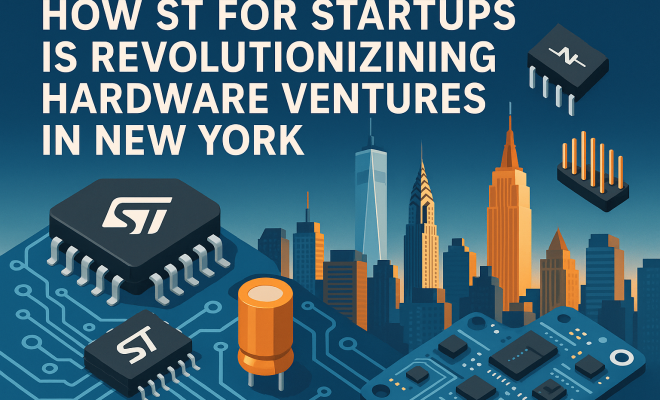
How ST for Startups Is Revolutionizing Hardware Ventures in New York
“`html
The startup ecosystem has long been a battleground for innovation, but the latest initiative, ST for Startups, is shaking things up in a significant way. Launched by STMicroelectronics, this exclusive program offers hardware and semiconductor startups something rare: privileged access to advanced technologies, expert mentorship, and strategic funding. This initiative primarily focuses on domains such as smarter mobility, edge AI, and power management, drawing the attention of startups eager for a springboard into success.
Understanding the ST for Startups Program
The ST for Startups program is a focused effort by STMicroelectronics to create an ecosystem that nurtures groundbreaking hardware and semiconductor innovations. Startups in proof-of-concept stages can apply for the program, which emphasizes support for projects that develop technologies capable of transforming industries. By offering access to proprietary tools and resources, the program aims to strengthen the hardware startup landscape, particularly in New York, where competition has escalated with over 217 AI startups vying for attention.
What Makes This Program Unique?
Unlike many other startup support initiatives, ST for Startups has set clear boundaries, explicitly excluding pure software-only or service-only providers. This controversial decision has sparked a heated debate among entrepreneurs. While it draws a distinct line, it also raises questions about the future of software startups in a hardware-focused world. The emphasis on hardware and semiconductor solutions allows STMicroelectronics to leverage its strengths and prioritize investments where it believes the highest value can be created.
The Competitive Landscape in New York
The startup scene in New York is buzzing with activity. With 217 AI startups currently in the mix, the stakes have never been higher. Entrepreneurs are acutely aware of the need to secure funding and resources that can elevate their startups from mere concepts to tangible products. The availability of a program like ST for Startups is not just an opportunity; it’s a potential lifeline for many businesses trying to gain traction in this competitive environment.
Expert Mentorship: A Key Component
One of the standout features of the ST for Startups initiative is its focus on mentorship. Startups accepted into the program will not only receive access to technologies but also guidance from industry experts. This mentorship can prove invaluable, helping entrepreneurs navigate challenges, refine their business models, and avoid common pitfalls. Often, it’s the insights gained from experienced professionals that can make the difference between success and failure.
Funding: The Lifeblood of Startups
Funding is a crucial aspect of any startup’s journey. With ST for Startups, participants can gain strategic funding opportunities that might otherwise remain out of reach. This financial support is particularly vital for hardware startups, which often face higher initial costs than their software-only counterparts. The influx of capital can expedite product development and help startups experiment with innovative ideas without the overhanging pressure of immediate profitability.
Targeting Innovations in Key Areas
The program is strategically aligned with trends and demands in technology, targeting innovations in three main areas: smarter mobility, edge AI, and efficient power management. Each of these domains represents a significant opportunity for growth and development in the coming years. For instance, the rise of electric vehicles and the push for more intelligent transportation systems illustrate the urgent need for innovations in smarter mobility.
Similarly, edge AI is taking center stage as businesses look for ways to process data in real-time at the source rather than relying solely on cloud computing. Finally, efficient power management is critical in a world increasingly focused on sustainability and energy efficiency. Startups working on solutions in these areas stand to benefit greatly from the resources provided by ST for Startups. (See: startup ecosystem and innovation.)
Creating Buzz: The Social Media Surge
Since its announcement, ST for Startups has generated substantial buzz on social media platforms. Entrepreneurs and tech enthusiasts are sharing the news, highlighting the program as a pivotal moment for hardware startups. The fear of missing out (FOMO) is palpable, with potential applicants rapidly filling out online forms to secure their chance at joining this exclusive initiative. The program’s viral appeal underscores the urgency and excitement around hardware innovations, positioning it as a game-changer for startups.
Exclusion of Software-Only Startups: A Double-Edged Sword
The exclusion of software-only and service-only startups from the ST for Startups program has sparked controversy. While it allows for a focused approach, it also sends a message that could alienate a segment of the startup community. Many entrepreneurs who primarily focus on software feel left behind. They argue that in an increasingly interconnected world, the lines between hardware and software are becoming increasingly blurred. The decision to limit participation could stifle creativity and innovation in a landscape where collaborative solutions often yield the best results.
The Road Ahead: What It Means for Startups
The launch of ST for Startups marks a significant development in the hardware and semiconductor sectors. For entrepreneurs looking to break into these areas or refine their existing projects, this program offers a unique opportunity to gain advanced resources and expert insights. However, it also challenges the broader startup community to reconsider how hardware and software can collaborate effectively. As this program unfolds, it will be fascinating to see how it influences the trajectory of startups in New York and beyond.
Final Thoughts: Embracing Change in the Startup Landscape
The ST for Startups initiative represents a pivotal moment for hardware and semiconductor startups, creating a new paradigm in how these businesses can access crucial resources. With the backing of STMicroelectronics, the selected startups will find themselves in an advantageous position to innovate and disrupt traditional markets. However, this initiative also necessitates a broader discussion about inclusivity within the startup ecosystem. As technology continues to evolve, the collaboration between hardware and software providers will prove essential for the future of innovation.
Additional Insights into the ST for Startups Program
As ST for Startups gathers momentum, it’s essential to explore the potential impact on the broader tech landscape, particularly regarding collaboration and innovation. Each successful project that emerges from this initiative could serve as a case study for other hardware startups, demonstrating the power of combining cutting-edge technology with entrepreneurial spirit. This can have ripple effects throughout the industry, encouraging investment in hardware innovation and attracting talent eager to work in this advantageous environment.
Statistics and Trends Supporting Hardware Startups
The global semiconductor market was valued at $527 billion in 2021 and is expected to grow to $1 trillion by 2030, highlighting the lucrative opportunities for startups focusing on hardware innovations. According to a recent report by McKinsey, hardware investments are projected to outpace software investments in specific tech sectors, especially in AI and IoT. The rise of 5G technology and the Internet of Things (IoT) is also fueling this growth, creating a need for advanced hardware solutions. Startups that capitalize on these trends can expect not only to survive but thrive in this expanding market.
Expert Perspectives on the Future of Hardware Startups
Industry experts have varied opinions on the implications of the ST for Startups program. Dr. Emily Carter, a professor of electrical engineering at Stanford University, believes that initiatives like this are crucial for fostering innovation. “Hardware startups have unique challenges, particularly in accessing funding and resources. Programs that provide targeted support can help bridge those gaps,” she notes. Conversely, some critics argue that limiting participation to hardware startups may overlook the critical intersection of software and hardware innovations. “The future lies in collaboration, and we must encourage all types of startups to work together,” says Jason Lee, a venture capitalist focused on technology investments.
Challenges and Opportunities for Hardware Startups
While the ST for Startups program offers numerous advantages, hardware startups still face several challenges. Supply chain disruptions, rising material costs, and intense competition can pose significant hurdles. However, the program’s focus on mentorship and funding could help mitigate these issues. Startups can leverage expert guidance to navigate these challenges more effectively, learning to adapt their business models in response to market demands.
Innovative Examples of Startups in the Program
Several startups have already emerged as frontrunners within the ST for Startups initiative, showcasing the potential of this program. For instance, a startup developing a next-generation battery technology for electric vehicles has captured investor interest by promising longer-lasting and more efficient power sources. Another participant is working on a smart city solution that integrates IoT devices to optimize traffic flow and reduce emissions. These examples illustrate the diverse range of projects emerging from this initiative, highlighting the innovative spirit of the selected startups. (See: impact of hardware startups.)
Frequently Asked Questions
What is the eligibility criteria for the ST for Startups program?
Startups must be in the hardware or semiconductor domain, with a focus on innovative technology projects. The program is geared toward those in the proof-of-concept stage.
How does ST for Startups support emerging entrepreneurs?
The program offers access to advanced technologies, expert mentorship, and strategic funding opportunities to help startups develop and scale their innovations.
Are software-only startups completely excluded from the program?
Yes, the program explicitly excludes software-only or service-only startups, focusing solely on hardware and semiconductor solutions. This decision has generated debate within the startup community.
What are some potential outcomes for startups participating in ST for Startups?
Startups can expect to experience enhanced product development, increased visibility within the tech ecosystem, and improved chances of securing additional funding and partnerships.
How can startups apply for the ST for Startups program?
Interested startups can apply through the official STMicroelectronics website, where they can find detailed information about the application process and requirements.
What role does mentorship play in the program?
Mentorship is a crucial component of the ST for Startups program, providing entrepreneurs with guidance from industry experts who can help them navigate challenges and refine their business strategies.
The Role of Collaboration in Startup Success
Collaboration is increasingly recognized as a driver of innovation in the startup ecosystem. The ST for Startups program encourages partnerships not only among selected startups but also with established companies and research institutions. Collaborations can lead to synergies that enhance product development and market reach. For instance, a hardware startup may partner with a software company to create a comprehensive solution that appeals to consumers and businesses alike. This approach not only diversifies offerings but also enhances competitiveness.
Preparing for the Future: Skills and Trends
As technology evolves, so do the skills necessary for success in the startup world. Founders and their teams must be adaptive and ready to embrace new tools and methodologies. Emerging trends such as machine learning, cloud computing, and cybersecurity are becoming increasingly relevant. Startups that invest in training their teams in these areas will be better positioned to harness opportunities the market presents. Programs like ST for Startups may offer training sessions or workshops as part of their mentorship, providing startups with critical insights into these trends. (See: MIT's research on startups.)
The Impact of Regulatory Changes
Regulatory changes can significantly influence the startup landscape, particularly in sectors like hardware and technology. Startups must stay informed about legislation that may affect their operations. For example, regulations surrounding data privacy or environmental sustainability can shape product development and market strategies. By aligning with programs like ST for Startups, which may advocate for regulatory support, startups could potentially navigate these changes more effectively. Engaging with policymakers and industry leaders can create a more conducive environment for innovation.
Success Stories: Learning from the Past
The history of successful startups can provide valuable lessons for new entrants in the market. Companies like Tesla and Apple have demonstrated how visionary ideas can lead to massive industry shifts. They faced numerous challenges but ultimately transformed their respective markets through innovation. By studying these success stories, startups can glean insights into effective business strategies, the importance of resilience, and the value of pursuing a bold vision. ST for Startups offers a platform for emerging entrepreneurs to access such resources, including mentorship from veterans who have navigated similar paths.
Networking Opportunities within the Program
Networking is a crucial aspect of any startup’s growth, and the ST for Startups program facilitates connections among participants, mentors, and industry leaders. Startups can benefit from shared experiences, advice, and potential collaborations. Networking events, workshops, and online forums hosted by the program can provide invaluable opportunities for startups to present their ideas, gather feedback, and explore partnerships that can elevate their businesses. Building a robust network can often be as important as securing funding, as relationships can lead to new opportunities and insights.
Exploring Future Technologies: The Next Wave of Innovation
Looking forward, the potential for future technologies seems limitless. Concepts such as quantum computing, advanced robotics, and biotechnology promise to reshape industries drastically. Startups involved in the ST for Startups initiative are well-positioned to explore these emerging technologies, especially as many of them align with the program’s focus areas. By embracing these innovations, startups can not only stay ahead of the curve but also contribute to the broader conversation about the future of technology and its societal impacts. The next wave of innovation will likely come from those who dare to pioneer uncharted territories.
In summary, the ST for Startups initiative not only represents an exciting opportunity for hardware and semiconductor startups but also sets the stage for a broader conversation about innovation and collaboration in the tech industry. As the program unfolds, it will be interesting to see the startups that emerge from it and how they shape the future of technology.
“`
Trending Now
Frequently Asked Questions
What is ST for Startups?
ST for Startups is an initiative launched by STMicroelectronics aimed at supporting hardware and semiconductor startups. The program provides privileged access to advanced technologies, expert mentorship, and strategic funding, focusing on areas like smarter mobility, edge AI, and power management.
How does ST for Startups benefit hardware startups?
The ST for Startups program benefits hardware startups by offering them access to proprietary tools and resources, expert mentorship, and funding opportunities. This support is designed to help startups in proof-of-concept stages develop transformative technologies and strengthen their position in a competitive market.
Why does ST for Startups exclude software-only companies?
ST for Startups excludes software-only and service-only providers to focus on hardware and semiconductor innovations, where STMicroelectronics believes it can create the highest value. This decision has sparked debate in the startup community regarding the future of software-focused ventures.
What areas does ST for Startups focus on?
ST for Startups primarily focuses on smarter mobility, edge AI, and power management. These domains are critical for the development of advanced hardware solutions that can drive innovation and transform various industries.
How competitive is the startup scene in New York?
The startup scene in New York is highly competitive, with over 217 AI startups currently operating. This intense competition drives entrepreneurs to seek out funding and resources that can elevate their ventures and help them stand out in a crowded marketplace.
Have you experienced this yourself? We’d love to hear your story in the comments.