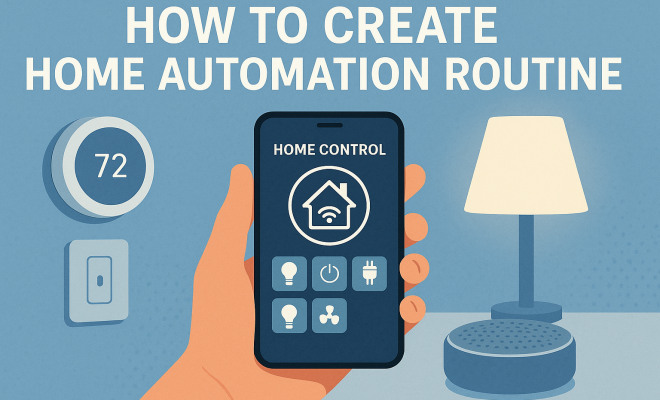
How to create home automation routine
“`html
In today’s fast-paced world, the idea of transforming your home into a smart sanctuary has never been more appealing. With technological advancements, creating a home automation routine allows you to enhance convenience, security, and energy efficiency. But where do you start? This comprehensive guide will take you through ten key steps to set up a home automation routine that suits your lifestyle.
1. Understanding Home Automation
Before diving into the intricacies of home automation routines, it’s crucial to understand what home automation actually entails. Essentially, home automation refers to the use of technology to control various household systems and appliances remotely or automatically. This can include anything from lighting and climate control to security systems and entertainment devices.
The rise of smart home technology has been largely driven by the Internet of Things (IoT), which connects devices to the internet, enabling them to communicate and interact with each other. This interconnectedness allows homeowners to create tailored automation routines that can adapt to their needs and preferences.
2. Determining Your Automation Goals
To effectively create a home automation routine, start by determining your specific goals. Are you looking to enhance security, improve energy efficiency, or simplify daily tasks? By identifying your priorities, you can design a more focused routine. For instance, if security is a top priority, consider integrating smart locks, cameras, and motion sensors into your routine.
Additionally, think about how these goals align with your lifestyle. Do you travel frequently? If so, automating your lights to mimic your presence at home can help deter potential intruders. Are you environmentally conscious? Perhaps automating your thermostat and lighting based on occupancy can help reduce energy waste.
3. Choosing the Right Devices
Now that you’ve established your goals, it’s time to choose the right devices for your home automation routine. The market is saturated with options, from smart speakers and lights to thermostats and security cameras. When selecting devices, consider compatibility with your existing systems and the ease of integration.
For example, if you already own a smart speaker like Amazon Echo or Google Nest, you’ll want devices that easily connect to these systems. Look for smart devices that are compatible with widely-used protocols like Zigbee, Z-Wave, or Wi-Fi. Doing a bit of research can save you time and headaches down the road.
4. Creating a Central Hub
A central hub acts as the brain of your smart home, allowing various devices to communicate with one another. This step is crucial for an efficient home automation routine. Popular choices include platforms like SmartThings, Apple HomeKit, and Google Home. These hubs can control multiple devices across different brands, simplifying the process of creating automated routines.
When setting up your hub, ensure it’s placed in a central location within your home. This minimizes dead zones where devices may struggle to connect. Additionally, consider the hub’s features, such as voice control or compatibility with third-party services, to enhance your overall experience.
5. Setting Up Automation Routines
With your devices and central hub in place, it’s time to start setting up your home automation routine. Most systems allow you to create routines based on time, location, or specific events. For instance, you can program your lights to turn on at sunset or set your thermostat to adjust automatically when you leave home.
Think creatively about how different devices can work together to streamline your daily tasks. For example, consider a morning routine where your smart coffee maker brews a fresh pot as your smart blinds open, letting in natural light. The more you can connect your devices, the more efficient your home automation routine will be.
6. Incorporating Voice Control
Voice control has become a game-changer in home automation. With smart assistants like Amazon Alexa, Google Assistant, and Apple Siri, you can control your devices with simple voice commands. This not only adds convenience but also enhances accessibility for individuals with mobility challenges.
To incorporate voice control, ensure your chosen devices are compatible with your smart assistant. Set up custom voice commands for your routines, making it effortless to adjust your home environment. For instance, simply saying “Goodnight” could trigger a routine to turn off all lights and lock the doors.
7. Prioritizing Security Features
As you develop your home automation routine, prioritizing security features is essential. With increasing connectivity comes the responsibility of safeguarding your devices and personal data. Start by integrating smart locks and security cameras into your routine. These can provide peace of mind when you’re away from home. (See: Understanding home automation technology.)
Additionally, consider implementing two-factor authentication on your smart home accounts and regularly updating your passwords. Regularly monitoring your home automation system for unusual activity can also help you stay ahead of potential security threats.
8. Testing and Troubleshooting
Once you’ve established your home automation routine, it’s crucial to test each component to ensure everything operates as intended. This may involve running through your automation scenarios multiple times to identify any potential issues. Pay close attention to the responsiveness of devices and check if they communicate effectively with your central hub.
If you encounter problems, troubleshooting is part of the process. Common issues may include connectivity problems or devices not responding as expected. Most manufacturers provide robust support resources, including FAQs and forums, where you can find solutions from other users.
9. Maintaining Your Home Automation Routine
Like any system, consistency is key to a successful home automation routine. As your needs and technology evolve, don’t forget to periodically revisit and update your routines. This could mean adding new devices, adjusting settings, or creating new automation scenarios based on changes in your lifestyle.
Regular maintenance also involves keeping your devices updated with the latest software. Firmware updates can address security vulnerabilities and enhance functionality. Staying proactive ensures your home automation routine remains efficient and secure.
10. Exploring Advanced Automation Options
Once you’re comfortable with the basics, don’t hesitate to explore advanced automation options. Delve into integrations with other smart home systems, such as energy management solutions that can help track consumption and provide insights into your usage patterns.
You might also consider setting up more intricate automation scenarios, like geofencing, which allows devices to react based on your location. For instance, your thermostat could automatically adjust when you’re nearing home, ensuring a comfortable environment upon arrival.
As technology continues to evolve, staying informed about new developments in home automation can open up exciting possibilities for enhancing your routines and overall quality of life. Embracing innovation can turn your home into a truly smart and efficient space.
11. Benefits of Home Automation Routines
Implementing a home automation routine offers numerous benefits that extend beyond mere convenience. One of the primary advantages is enhanced energy efficiency. According to the U.S. Department of Energy, smart thermostats can save homeowners about 10-15% on heating and cooling costs by adjusting temperatures based on occupancy and time of day. Additionally, automated lighting systems can significantly reduce energy waste by ensuring lights are only on when needed.
Another benefit is improved security. A study from the University of North Carolina at Charlotte found that 60% of burglars would avoid a home with electronic surveillance and security systems. By integrating smart locks and cameras, you can monitor your home in real-time and receive alerts on your smartphone, adding an extra layer of protection.
Moreover, home automation routines can significantly enhance your quality of life. Automated systems can take care of mundane tasks, freeing up your time for more enjoyable activities. Whether it’s brewing coffee in the morning or dimming the lights for movie night, these small conveniences can lead to a more relaxed and enjoyable home environment.
12. Common Home Automation Devices
To set up a robust home automation routine, it helps to know which devices are most commonly used. Here are a few essential categories of devices that can enhance your smart home:
- Smart Thermostats: Devices like the Nest Learning Thermostat learn your schedule and preferences to optimize heating and cooling efficiency.
- Smart Lights: Brands such as Philips Hue and LIFX offer color-changing LED bulbs that you can control remotely or via voice commands.
- Smart Security Cameras: Products from Ring or Arlo allow you to monitor your home from anywhere, with features like motion detection and night vision.
- Smart Locks: Keyless entry systems from August or Schlage offer convenient access while allowing you to monitor who enters your home.
- Smart Speakers: Devices like Amazon Echo and Google Nest act as a hub for your other smart devices, enabling voice control and integrated routines.
13. Integrating Home Automation with Other Smart Systems
Home automation can extend beyond just household appliances. Many homeowners are now integrating automation with other smart systems, such as energy management and home entertainment. Energy management systems can track energy consumption patterns and provide insights that help users save on utility bills. For instance, devices like Sense can monitor electricity usage in real-time and send alerts when appliances are using excessive energy.
On the entertainment side, consider automating your home theater system. Systems like Logitech Harmony can control multiple devices, switching your TV, sound system, and streaming box with one command. Imagine saying “Movie Time” and having the lights dim, the curtains close, and your favorite film start playing seamlessly.
Incorporating these systems into a cohesive home automation routine not only enhances convenience but also creates a more enjoyable living space.
14. Cost Considerations for Home Automation
While the benefits of home automation are compelling, it’s essential to consider the costs involved. Setting up a comprehensive home automation routine can vary widely in price, depending on the devices you choose and how many systems you want to integrate. Basic smart home devices can be relatively affordable, with smart bulbs starting around $10, while advanced systems can run into the thousands. (See: Home automation and safety considerations.)
Additionally, there may be installation costs if you opt for professional help. However, many devices are designed for easy DIY installation, which can help you save money. Budgeting for your home automation routine also means considering long-term savings on energy bills, which can offset initial investments.
It’s wise to start small, investing in a few essential devices, and then gradually expand your system as your budget allows.
15. Future Trends in Home Automation
The future of home automation is bright and full of exciting developments. As technology evolves, we can expect to see more integration of artificial intelligence and machine learning, allowing devices to learn user habits and preferences even more effectively. For example, smart thermostats may soon be able to anticipate your needs based on past behavior and external weather conditions.
Additionally, advancements in connectivity, such as the rollout of 5G technology, will enhance the responsiveness of smart home devices, making them faster and more reliable. We may also see more advanced security features, including biometric locks that use fingerprint or facial recognition technology.
As the market for smart home devices continues to grow, prices are likely to become more affordable, making home automation accessible to a broader audience. Keeping an eye on these trends can help you stay ahead of the curve as you build your home automation routine.
16. FAQs About Home Automation Routines
What is the best way to start a home automation routine?
The best way to start is by identifying your specific needs and goals, then selecting a few essential devices that can integrate with your existing systems. Gradually expand your automation as you become more comfortable.
Can I automate my home without a central hub?
Yes, many smart devices can be controlled via their own apps without a central hub. However, using a hub can simplify the management of multiple devices and enhance their capabilities.
Are smart home devices secure?
While smart home devices can be vulnerable to hacking, many manufacturers prioritize security. Use strong, unique passwords, enable two-factor authentication, and keep your devices updated to enhance security.
How much does it cost to automate a home?
The cost can vary widely based on the devices you choose and the complexity of your system. Basic automation can start at a few hundred dollars, while comprehensive setups can cost thousands.
Can I control my home automation remotely?
Yes, most smart home devices can be controlled remotely using mobile apps, allowing you to manage your home automation routine from anywhere with an internet connection.
Is it worth investing in home automation?
Many homeowners find that the convenience, security, and energy savings provided by home automation make it a worthwhile investment. The key is to choose devices and routines that align with your lifestyle and needs.
17. Enhancing Home Automation with Sensors
Sensors play a critical role in a home automation routine, enabling systems to react to changes in the environment. Motion sensors can trigger lights to turn on when someone enters a room, while door/window sensors can alert you if someone is entering or leaving your home unexpectedly. These sensors add another layer of security and convenience, enhancing the overall effectiveness of your automation routine.
For example, temperature sensors can be integrated with smart thermostats to create an energy-efficient heating and cooling schedule. Instead of relying solely on predetermined settings, these sensors can adjust the temperature based on actual conditions, optimizing comfort and efficiency.
Smart water leak sensors are another example. They can alert you to potential leaks, preventing water damage and saving you from expensive repairs. This proactive approach is especially beneficial for those who travel frequently or own vacation homes. (See: Latest trends in smart home technology.)
18. Home Automation for Energy Savings
Energy savings is a significant advantage of implementing a home automation routine. Smart homes are designed to be more energy-efficient, which not only benefits your wallet but also helps the environment. For instance, smart thermostats can learn your schedule and adjust the temperature when you’re not home, potentially reducing your energy consumption by 10-15%.
Automated lighting systems can also contribute to energy savings. By using motion sensors and timers, you can ensure that lights are only on when needed. According to the U.S. Department of Energy, you can save about 20% on lighting costs by switching to smart lights that automatically turn off when a room is unoccupied.
Additionally, smart plugs can be used to control energy-hogging appliances. You can set schedules for devices like heaters, fans, or even entertainment systems to turn off during specific hours, ensuring they’re not consuming power unnecessarily.
19. Creating a Family-Friendly Home Automation Routine
Creating a home automation routine that caters to the entire family can enhance your household’s quality of life. Consider setting up routines that accommodate various family members’ schedules. For instance, if you have children, programming kid-friendly routines can help manage screen time and ensure they’re off their devices during homework hours.
Smart speakers can play educational content in the morning when kids are getting ready for school, while automated lights can be programmed to dim during family movie night. Having a centralized control system that everyone can access makes it easy for family members to adapt to your home automation routine quickly.
Furthermore, incorporating safety features, like smart locks and security cameras, ensures that your family feels secure in their environment. You can also share temporary access codes for smart locks with family members or trusted friends, allowing them to enter your home without needing physical keys.
20. Getting Creative with Home Automation
Don’t be afraid to get creative with your home automation routine. The possibilities are nearly limitless. For example, you can sync your home automation with your daily routines. Imagine your coffee maker starting at 7 AM, your blinds opening to let in natural light, and your favorite morning playlist playing softly—all triggered by a single command or at a scheduled time.
You can also use IFTTT (If This Then That) to create custom automations that link different devices and services. For instance, if your weather app predicts rain, you could program your smart blinds to close automatically, protecting your furniture from getting wet.
In the garden, smart irrigation systems can be set to water your plants based on the local weather forecast, ensuring they get the right amount of water while conserving resources.
21. Final Thoughts on Home Automation
Home automation offers a modern approach to managing your living space, enhancing comfort, security, and energy efficiency. With a thoughtful routine in place, you can create a smart home tailored to your lifestyle. As technology continues to evolve, embracing these innovations will not only simplify your daily tasks but also contribute to a more sustainable future. Dive into the world of smart homes, explore your options, and enjoy the benefits of a well-implemented home automation routine.
“`
Trending Now
Frequently Asked Questions
What is home automation?
Home automation refers to using technology to control various household systems and appliances remotely or automatically. This includes lighting, climate control, security systems, and entertainment devices, allowing for enhanced convenience, security, and energy efficiency.
How do I start a home automation routine?
To start a home automation routine, first determine your goals, such as improving security or energy efficiency. Then, choose the right devices that align with your objectives, and create tailored automation routines that adapt to your lifestyle.
What devices do I need for home automation?
The devices you need for home automation depend on your goals. Common options include smart locks, cameras, motion sensors, smart thermostats, and smart lighting systems. Choose devices that work together seamlessly to create an integrated automation experience.
How can home automation improve security?
Home automation can enhance security by integrating smart locks, cameras, and motion sensors into your routine. Automating lights to mimic your presence can deter intruders, while remote monitoring allows you to keep an eye on your home from anywhere.
Can home automation help save energy?
Yes, home automation can help save energy by automating your thermostat and lighting based on occupancy. For instance, smart devices can adjust settings when you're not home, reducing energy waste and lowering utility bills.
What’s your take on this? Share your thoughts in the comments below — we read every one.