Convert PDF to Word: Your Ultimate Guide to Editable Documents
“`html
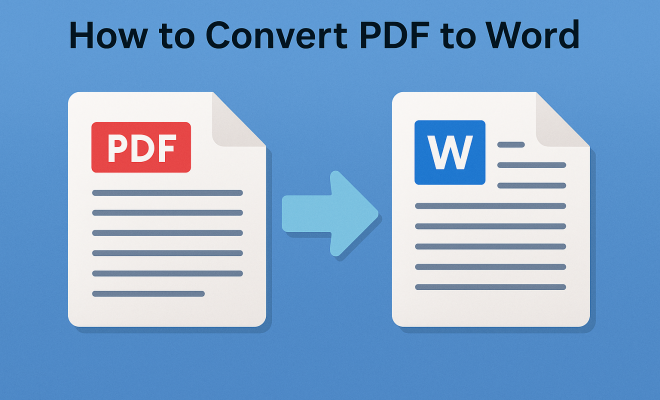
In the digital age, documents come in various formats, with PDF (Portable Document Format) and Word (DOC/DOCX) being among the most popular. While PDFs are great for preserving the formatting and layout of documents, they can be cumbersome when you need to edit text. This is where the ability to convert PDF to Word becomes invaluable. Whether you’re a student, professional, or anyone in between, knowing how to transform a PDF into a fully editable Word document can save you time and frustration. In this comprehensive guide, we will explore the methods, tools, and best practices for converting PDFs to Word, ensuring you have everything you need to make the process smooth and efficient.
1. Understanding the PDF and Word Formats
To appreciate the significance of converting PDF to Word, it’s essential to understand the differences between these two formats. PDF, developed by Adobe in the early 1990s, was designed to present documents consistently across different devices and platforms. This means that what you see in a PDF is what you get, regardless of the software used to view it. Consequently, this format is often used for official documents, eBooks, and forms.
On the other hand, Word documents are primarily meant for editing. They allow users to manipulate text, images, and formatting easily. This flexibility makes Word an ideal choice for drafting essays, reports, and creative writing. However, while PDFs maintain their layout integrity, they can be challenging to edit. Therefore, converting PDFs to Word is a common necessity, whether for collaboration, editing, or extracting information.
2. Why You Might Need to Convert PDF to Word
There are several scenarios where converting a PDF to a Word document may be essential. For instance, if you receive a PDF contract that requires edits, the inability to modify the document directly can lead to delays. Similarly, if you want to extract text or data for a research paper or project, converting the document can make the process far easier.
Moreover, educators and students frequently find themselves needing to convert PDFs into Word to make annotations, corrections, or alterations. In a collaborative environment, sharing editable documents can enhance communication and streamline workflows. The ability to convert these file types allows you to interact with documents in a way that suits your needs, thereby increasing productivity.
3. Popular Methods to Convert PDF to Word
There’s no shortage of methods available to convert PDF to Word. Some of the most common include using online converters, desktop software, and even built-in features in certain applications. Each method has its pros and cons, which we’ll examine below:
- Online PDF Converters: Websites like Smallpdf, ILovePDF, and Adobe’s online service provide free tools to convert PDFs to Word. These are user-friendly and require no installation. However, privacy can be an issue, as you’re uploading files to a third-party server.
- Desktop Software: Programs like Adobe Acrobat Pro allow for direct PDF editing and conversion to Word. While these tools often provide superior results regarding formatting retention, they usually come with a subscription fee.
- Microsoft Word: Recent versions of Word (2013 and later) allow users to open PDF files directly and convert them into editable Word documents. This is a convenient option for those who already have Word installed.
- Google Docs: This free cloud-based application can also be used to convert PDF to Word. Simply upload the PDF to Google Drive, open it with Google Docs, and then download it as a Word document.
4. Step-by-Step Guide: Converting PDF to Word Using Online Tools
Let’s take a closer look at how to convert PDF to Word using an online tool, as it’s one of the easiest methods for most users. Here’s a step-by-step guide using Smallpdf:
- Visit the Website: Go to Smallpdf.com and select the PDF to Word tool.
- Upload Your PDF: Drag and drop your PDF file into the designated area or click to upload.
- Convert: Click the ‘Convert to Word’ button. The tool will process your file.
- Download: Once the conversion is complete, download your new Word document.
This method is straightforward and efficient, but be mindful of file privacy. Always read the site’s privacy policy, especially for sensitive documents.
5. Step-by-Step Guide: Converting PDF to Word Using Microsoft Word
If you have Microsoft Word installed, you can easily convert PDFs directly within the application. Here’s how: (See: Understanding Portable Document Format.)
- Open Word: Launch Microsoft Word on your computer.
- Open PDF: Click on ‘File’, then ‘Open’. Select the PDF file you wish to convert.
- Convert: Word will prompt you that it will convert the PDF to an editable document. Click ‘OK’ to proceed.
- Edit and Save: Once the document is open, you can make any necessary edits. Save the file in Word format by clicking ‘File’ and then ‘Save As’ to choose your desired format.
This method is especially useful for users who frequently work with Word, as it integrates seamlessly into an existing workflow.
6. Using Google Docs to Convert PDF to Word
Google Docs is another accessible option for converting PDF files to Word. It’s free and only requires a Google account. Here’s a simple guide:
- Upload to Google Drive: Log in to your Google Drive account and upload the PDF file.
- Open with Google Docs: Right-click the uploaded PDF file, select ‘Open with’, and then choose ‘Google Docs’.
- Download as Word: Once the file opens, click on ‘File’, hover over ‘Download’, and select ‘Microsoft Word (.docx)’.
This method is advantageous for users who prefer cloud services and need to work collaboratively in real time.
7. Tips for Ensuring Quality During Conversion
While converting PDF to Word is generally straightforward, the quality of the output can sometimes vary. Here are some tips to help ensure you get the best results:
- Check Formatting: After conversion, always review the document for formatting issues like misplaced images, altered text styles, or layout changes.
- Use High-Quality PDFs: The clearer and more structured the original PDF, the better the conversion results. Scanned documents can lead to more errors.
- Be Cautious with Complex Layouts: Documents with multiple columns, tables, or graphics may not convert perfectly. You might need to make additional manual adjustments afterward.
- Consider OCR Software: If your PDF is scanned or consists of images, Optical Character Recognition (OCR) software can help convert the images into editable text.
By following these tips, you can minimize the hassle and maximize the effectiveness of your document conversion process.
8. Common Issues When Converting PDF to Word
Even with the best tools at your disposal, users often encounter challenges when converting PDFs to Word. Some common issues include:
- Formatting Loss: This is perhaps the most frequent problem, where the converted document does not retain the original layout.
- Text Errors: Especially with scanned PDFs, text may be misinterpreted, leading to typos or incorrect characters.
- Embedded Elements Missing: If your PDF contains hyperlinks, buttons, or other interactive elements, they may not transfer properly to Word.
Being aware of these issues can help you troubleshoot effectively. If you encounter persistent problems, it may be worth trying a different conversion method or tool.
9. Future Trends in Document Conversion Technology
The technology surrounding document conversion continues to evolve. Advances in artificial intelligence and machine learning are making conversions smarter and more accurate. Future tools may utilize AI to not only retain formatting but also enhance the document by suggesting edits or improving layout based on user needs.
Moreover, as cloud services gain popularity, we can expect more integrated solutions that combine various file formats, enhancing collaboration across platforms. Keeping abreast of these trends will help users stay ahead, ensuring their document handling processes remain efficient and effective.
10. Choosing the Right Tool for Your Needs
With so many options available to convert PDF to Word, picking the right tool can be daunting. It often boils down to your specific requirements and preferences. Here’s a breakdown to help you choose: (See: PDF usage in official documents.)
- For Simple Conversions: If you only need to convert basic PDFs without extensive formatting, online tools like Smallpdf or ILovePDF are perfect. They’re quick, user-friendly, and don’t require installation.
- For Advanced Editing: If you frequently need to edit PDFs and convert them, investing in Adobe Acrobat Pro may be worthwhile. It offers robust features, including editing, merging, and organizing PDFs, providing a comprehensive solution.
- For Collaboration: If you work in a team or need to collaborate frequently, Google Docs is an excellent choice. It allows for real-time editing and comments, making it easy to share and discuss changes with others.
- For Frequent Users: If you often convert PDFs and need seamless integration with your current software, using Microsoft Word to open and convert PDFs might be the best option. It’s convenient for those already using Word for document creation.
Assessing your needs can streamline the decision-making process, ensuring you choose a tool that aligns with your workflow.
11. Real-World Applications of PDF to Word Conversion
The ability to convert PDF to Word isn’t just a convenience; it has practical applications in various fields:
- Legal Sector: Lawyers often deal with contracts and agreements in PDF format. The ability to convert these documents allows for easier revisions and negotiations.
- Education: In academic settings, students and educators frequently convert PDFs for note-taking, editing research papers, or creating study materials from articles.
- Business: Professionals utilize PDF to Word conversion to edit reports, proposals, and presentations, allowing for better collaboration among teams and clients.
- Publishing: Authors and publishers convert manuscripts in PDF format to Word for editing and formatting, ensuring their books look polished before publication.
As digital documentation becomes the norm, knowing how to convert PDF to Word will only grow in importance across industries.
12. Frequently Asked Questions (FAQ)
What is the best method to convert PDF to Word?
The best method depends on your specific needs. For quick conversions, online tools are convenient. For more complex documents, desktop software like Adobe Acrobat Pro may yield better results. If you need collaborative features, Google Docs is a strong choice.
Can I convert scanned PDFs to Word?
Yes, but you’ll need OCR (Optical Character Recognition) software to convert scanned PDFs. Some online tools and software, like Adobe Acrobat, include OCR capabilities that can recognize and convert text from images.
Is it safe to use online PDF converters?
While many online converters are safe, it’s essential to be cautious, especially with sensitive documents. Always check the site’s privacy policy and look for secure connections (HTTPS) when uploading files.
How do I maintain the original formatting when converting?
To maintain formatting, use high-quality PDFs and consider using software that specializes in accurate conversions, such as Adobe Acrobat Pro. Review the converted document for any discrepancies and make adjustments as needed.
Are there free options available for converting PDF to Word?
Yes, several online tools offer free PDF to Word conversion. However, they may have limitations on file size or the number of conversions per day. Always check for any hidden fees if you need advanced features. (See: Guide on converting PDF to Word.)
Can I convert multiple PDFs to Word at once?
Some online converters allow batch conversion, letting you upload multiple PDFs and convert them simultaneously. However, be aware of the file size limit and processing time, as it may take longer than converting one file at a time.
What can I do if the converted document has errors?
If you notice errors or formatting issues after conversion, you can edit the Word document directly. Utilize the editing tools in Word to make necessary corrections. If issues persist, try another conversion method or tool.
How do I ensure the security of my document during conversion?
To ensure security, always choose reputable tools with good reviews and clear privacy policies. Prefer tools that encrypt your files and allow temporary storage instead of permanent uploads. After conversion, delete any sensitive documents from the service if possible.
Is it possible to convert PDF to Word on mobile devices?
Yes, many online PDF converters have mobile-friendly versions or apps that allow you to convert documents on the go. Check for well-rated applications in app stores that offer PDF conversion features.
What is the difference between converting a PDF to Word and converting a PDF to an image?
Converting a PDF to Word allows you to edit the text and images in the document, making it interactive and modifiable. Conversely, converting a PDF to an image results in a static file that cannot be edited; it’s just a picture of the document.
In the digital age, knowing how to convert PDF to Word is an essential skill in today’s digital landscape. With a variety of methods available, from online tools and desktop applications to cloud services, you can choose the right approach that suits your needs. By following best practices and being aware of potential issues, you can convert your documents seamlessly, allowing for greater flexibility in editing and collaboration. Whether you’re a student, professional, or casual user, mastering this skill is sure to enhance your productivity and efficiency.
“`
Trending Now
Frequently Asked Questions
How do I convert a PDF file to Word for free?
There are several free online tools available that allow you to convert PDF files to Word documents. Websites like Smallpdf, PDF to Word Converter, and Adobe's online services can help you upload your PDF and download it as a Word file without any cost.
What is the best way to convert PDF to Word?
The best way to convert PDF to Word depends on your needs. Online converters are quick and easy, while desktop software like Adobe Acrobat offers more features and accuracy. Choose based on whether you prioritize speed or quality.
Can I edit a PDF file directly?
Editing a PDF directly can be challenging since this format is designed for consistent viewing rather than modification. However, some PDF editing software, such as Adobe Acrobat, allows for limited editing capabilities.
Why can't I copy text from a PDF?
If you are unable to copy text from a PDF, it may be due to the file being scanned as an image or having security settings that restrict copying. Converting the PDF to Word using OCR (Optical Character Recognition) can help extract editable text.
Is it safe to use online PDF to Word converters?
While many online PDF to Word converters are safe, it's essential to use reputable services to protect your data. Always check for reviews and ensure the website uses encryption to safeguard your documents during conversion.
What did we miss? Let us know in the comments and join the conversation.