South Lake Tahoe Cabin Scam: Tourists Lose $10,000 to AI Fraud
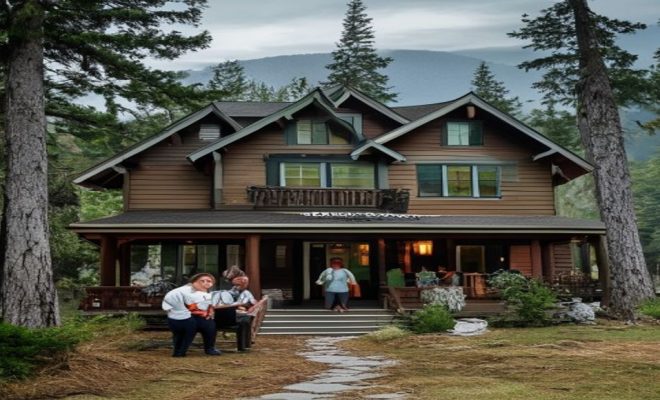
Imagine planning the perfect getaway to the stunning shores of South Lake Tahoe. You’ve pictured crisp mountain air, the scent of pine, and cozy evenings by a fire in your dream cabin. You find what seems like an ideal rental online, complete with beautiful photos and glowing (fake) reviews. You book it, send your money, and eagerly anticipate your trip. Then, you arrive, key in hand, only to discover there’s no cabin, no booking, and your hard-earned vacation fund has vanished. This isn’t a hypothetical nightmare; it’s a harsh reality unfolding for an alarming number of travelers, with one recent incident in South Lake Tahoe seeing a tourist lose a staggering $10,000 to a phantom rental.
The rise of sophisticated vacation rental scams, especially those leveraging advanced AI, has become a serious concern for anyone planning a trip. These aren’t your grandpa’s phishing attempts; they’re intricate, persuasive operations designed to separate you from your money with chilling efficiency. And while the allure of a great deal can be strong, the consequences of falling victim to a South Lake Tahoe cabin scam, or similar schemes elsewhere, can be financially devastating and emotionally draining. We’re talking about a landscape where legitimate-looking listings are hijacked, identities are faked, and the pressure to pay off-platform becomes a red flag you simply can’t afford to miss.
The Chilling Rise of AI-Powered Travel Scams
It’s no secret that artificial intelligence is changing the world, but not always for the better. Scammers have quickly adopted AI tools, transforming rudimentary email cons into highly convincing operations. Gone are the days of obvious grammatical errors and clunky designs; today’s fraudsters are employing AI to craft flawless prose, generate incredibly realistic deepfake videos, and even clone voices. This means that the person you’re communicating with, the website you’re browsing, or even the video tour you’re watching, could be entirely fabricated, making it nearly impossible for the average person to spot the deception.
The sophistication has reached a point where these scams can mimic legitimate travel agencies or rental platforms with uncanny accuracy. They can create entire fake websites that look identical to Airbnb or Vrbo, complete with booking interfaces and customer service chat functions. The goal is always the same: to gain your trust, extract your money, and then disappear without a trace. This technological leap makes the hunt for a good deal more perilous than ever, forcing travelers to be perpetually on guard against what might seem like an incredible opportunity.
South Lake Tahoe: A Prime Target for Deceptive Schemes
Why is a beautiful destination like South Lake Tahoe so attractive to these scam artists? Well, it’s simple economics and human psychology. South Lake Tahoe is an immensely popular year-round destination, drawing millions of tourists seeking everything from ski adventures in winter to hiking and lake activities in summer. This high demand, especially during peak seasons, creates a perfect environment for scammers. People are often willing to pay a premium for desirable locations, and they might feel a sense of urgency to secure a booking before it’s gone. This perceived scarcity and high value make travelers more susceptible to pressure tactics and less likely to scrutinize every detail.
The demand for vacation rentals in particular is enormous. Many visitors prefer the space, privacy, and amenities of a cabin or house over a hotel room. Scammers exploit this by creating enticing, yet non-existent, properties. They know that a family looking for a multi-bedroom cabin with lake views will jump at what appears to be a great price, especially if it seems to be in short supply. The recent $10,000 South Lake Tahoe cabin scam is a stark reminder of how these factors converge, leaving innocent travelers stranded and out of pocket in a place they came to enjoy.
How the Phantom Cabin Scam Unfolds: A Step-by-Step Breakdown
Let’s dissect the typical anatomy of a sophisticated vacation rental scam, the kind that led to that heartbreaking $10,000 loss in South Lake Tahoe. It usually starts innocently enough. You’re browsing online, perhaps on a social media ad, an unofficial rental site, or even a seemingly legitimate platform where a scammer has managed to post a fake listing. The listing itself is often too good to be true: stunning photos, a prime location, and a price that’s just slightly below market value – enough to entice you without raising immediate suspicion.
Once you express interest, the scammer, posing as the property owner or manager, will engage with you. This is where the AI-powered communication comes into play. Their responses will be perfectly worded, polite, and reassuring. They might even send you additional ‘proof’ of the property, like a deepfake video tour or what appears to be a legitimate rental agreement. The crucial turning point, however, is when they insist on moving the conversation and payment off the official platform. They’ll cite various excuses: a ‘technical glitch,’ a ‘special discount’ if you pay directly, or a claim that the platform’s fees are too high. This is the moment the alarm bells should be deafening.
The Critical Payment Trap: Why Off-Platform Payments Are a Red Flag
The single most important takeaway from understanding the South Lake Tahoe cabin scam, and indeed almost any online rental fraud, is this: never, ever pay outside of the official booking platform’s secure payment system. Scammers universally push for untraceable payment methods like Venmo, Zelle, Cash App, wire transfers, or even cryptocurrency. Why? Because these methods offer absolutely no buyer protection. Once the money is sent, it’s gone. There’s no recourse, no chargeback mechanism, and no way for you to retrieve your funds.
Legitimate platforms like Airbnb and Vrbo have robust payment systems precisely to protect both renters and owners. They hold the funds until you’ve checked in and confirmed the property meets expectations, or they offer mediation services in case of disputes. When a scammer pressures you to bypass these protections, they are effectively asking you to hand over your money with zero safety net. If a ‘host’ insists on Venmo for a deposit or Zelle for the full amount, especially after starting communication on a reputable platform, you should immediately cease all communication and report the listing. It’s not just a red flag; it’s a giant, flashing neon sign proclaiming ‘SCAM!’ (See: rise of online vacation rental scams.)
The Alarming Statistics: A Widespread Problem
This isn’t just an isolated incident in South Lake Tahoe; it’s part of a much larger, more troubling trend. The Federal Trade Commission (FTC) released sobering figures for 2025, reporting over 64,000 instances of travel-related fraud. What’s even more shocking is the financial toll: an estimated $274 million lost by victims across the United States. These numbers paint a stark picture of the scale of the problem and underscore how pervasive these scams have become. Each one of those 64,000 reports represents a person or family whose vacation dreams were shattered and whose financial well-being was compromised.
The average loss per incident might not always be $10,000, but even smaller amounts can have a significant impact on an individual’s budget. Think about the countless hours spent planning, the excitement built up, and then the crushing disappointment and financial strain when you realize you’ve been duped. These statistics aren’t just figures; they’re stories of vacations ruined, trust broken, and money stolen, all at the hands of increasingly sophisticated criminals. It truly highlights the urgent need for travelers to educate themselves and adopt a highly skeptical mindset when booking. We covered how to protect yourself in more detail.
Protecting Yourself: Essential Strategies for Safe Booking
So, how can you avoid becoming another statistic, another victim of a South Lake Tahoe cabin scam? Vigilance is your best friend. Start by sticking to well-known, reputable booking platforms like Airbnb, Vrbo, Booking.com, or established hotel chains. While even these platforms aren’t entirely immune to fake listings, they offer layers of protection and recourse that direct bookings or shady websites simply don’t. Always use their internal messaging systems for communication, as this creates a verifiable record and prevents scammers from pulling you off-platform.
Beyond that, do your homework. Read reviews, but be wary of listings with only a few, overly enthusiastic reviews, especially if they’re all recent. Use Google Street View to verify the property’s exterior and surroundings match the photos. If the deal seems too good to be true, it almost certainly is. A significantly discounted rate for a prime property during peak season should immediately raise a red flag. Cross-reference the listing by searching the address or property name on other sites; if it shows up with different owners, prices, or availability, that’s a huge warning sign. And critically, scrutinize the URL: fake websites often have subtle misspellings or unusual domain extensions. Look for the ‘https://’ and a padlock icon in the address bar, but understand even these can be faked on sophisticated phishing sites.
The Power of Credit Cards and Travel Insurance
When it comes to payment, credit cards are your strongest shield against fraud. Unlike debit cards, Venmo, or Zelle, credit cards offer robust chargeback protections. If you’ve paid for a service you didn’t receive, or if you’ve been defrauded, your credit card company can often reverse the transaction. This is a crucial safety net that simply doesn’t exist with other payment methods. Always use a credit card for significant travel expenses, especially vacation rentals.
Furthermore, consider investing in comprehensive travel insurance that includes fraud protection. While not all policies cover every type of scam, many now offer protection against identity theft and certain financial losses related to travel fraud. Review the terms carefully to understand what is covered. Some premium credit cards also come with built-in travel insurance benefits, so check what your existing cards offer. While these won’t prevent the scam itself, they can significantly mitigate the financial damage if you do fall victim, offering a degree of peace of mind in an increasingly risky booking environment.
Reporting a Scam and Seeking Recourse
If you suspect you’ve been targeted by a scam, or worse, have already lost money, prompt action is crucial. First, contact your bank or credit card company immediately to report the fraudulent transaction. The sooner you do this, the better your chances of recovering funds, especially with credit card chargebacks. Next, report the scam to the platform where you found the listing. They need to be aware to remove the fake listing and prevent others from falling victim.
It’s also essential to file a report with the Federal Trade Commission (FTC) at ReportFraud.ftc.gov. While the FTC may not directly help you recover your money, their data helps law enforcement agencies track trends and pursue these criminals. If you’ve suffered a significant loss, also consider filing a police report with your local authorities and with the police department in the destination where the ‘rental’ was supposedly located, such as the South Lake Tahoe Police Department in the case of a South Lake Tahoe cabin scam. While full recovery isn’t guaranteed, reporting helps build a case against these fraudsters and protects future travelers.
The Human Element: Psychological Tactics Scammers Use
Beyond the technological sophistication, it’s important to recognize the psychological tricks scammers employ. They prey on universal human desires and vulnerabilities. The desire for a great deal, especially for a high-demand destination like South Lake Tahoe, is a powerful motivator. This creates an emotional bias that can override rational judgment. Scammers also create a sense of urgency – “This cabin is in high demand,” or “We only have one week left at this price!” – pushing you to make a quick decision without proper vetting. This pressure is a classic sales tactic, but in the hands of a scammer, it’s designed to rush you past your defenses.
Another tactic is building rapport. They might engage in friendly conversation, ask about your trip plans, or even share seemingly personal anecdotes to make you feel like you’re dealing with a genuine, trustworthy individual. This personalization, often powered by AI, makes it harder to believe you’re being conned. They understand that people are less likely to question someone they feel a connection with. Finally, they leverage authority, sometimes by claiming to be part of a legitimate-sounding (but fake) property management group, complete with official-looking logos and documents. Being aware of these psychological ploys can help you remain objective even when a deal feels incredibly appealing. (See: what to know about vacation rental scams.)
Local Impact: How Scams Hurt South Lake Tahoe’s Economy and Reputation
While the immediate victims of a South Lake Tahoe cabin scam are the travelers themselves, these fraudulent activities also cast a shadow over the entire destination. When news breaks about tourists losing thousands of dollars, it damages South Lake Tahoe’s reputation as a safe and welcoming place to visit. Potential visitors might become hesitant, wondering if their dream vacation will turn into a nightmare. This hesitancy can lead to a decrease in legitimate bookings, impacting local businesses that rely on tourism – from restaurants and shops to ski resorts and tour operators.
Furthermore, local law enforcement and tourism boards are forced to divert resources to address these scams, taking away from other important community initiatives. There’s a tangible economic ripple effect: fewer tourists mean less revenue for local businesses, fewer jobs, and a strained local economy. This makes the fight against these scammers not just about protecting individual travelers, but also about safeguarding the economic vitality and cherished image of beautiful places like South Lake Tahoe. The community has a vested interest in helping travelers stay safe.
Emerging Threats: AI Deepfakes and Voice Cloning in Rental Scams
We touched on AI’s role, but it’s worth a deeper dive into specific cutting-edge threats. The rise of AI deepfakes and voice cloning is particularly alarming in the context of vacation rental scams. Imagine seeing a video tour of a cabin where the “owner” walks through the property, pointing out features, and answering questions – but it’s an entirely fabricated video, generated by AI, using images and footage scraped from legitimate listings. The person you see and hear isn’t real, but the level of realism can be astounding.
Voice cloning technology allows scammers to mimic the voice of a real property owner or manager, potentially even using snippets of their voice found online, to create convincing phone calls. They might call you to discuss booking details or payment, using a voice that sounds legitimate, adding another layer of authenticity to their deception. This means relying solely on visual or auditory cues is no longer enough. You need to verify identity through official channels, cross-reference information, and stick to secure platforms more than ever before. The “see it to believe it” rule is increasingly dangerous when AI can make you “see” things that don’t exist.
The Role of Social Media in Spreading Scams
Social media platforms have become fertile ground for vacation rental scams. Scammers create highly appealing ads on Facebook, Instagram, or even TikTok, showcasing stunning (but fake) cabins in desirable locations like South Lake Tahoe at irresistible prices. These ads often target users based on their travel interests, making them even more effective.
Once you click on such an ad, it might lead you to a sophisticated fake website, or directly into a conversation with the scammer via messaging apps. The viral nature of social media also means that fake listings or scam promotions can spread quickly, amplified by unwitting shares or likes. It’s crucial to approach any travel deal found on social media with extreme caution. Always navigate directly to official booking platforms or property management sites rather than clicking on links from social media ads, and be skeptical of listings that only appear on social platforms without any presence on established rental sites.
FAQ: Your South Lake Tahoe Cabin Scam Questions Answered
Q: What’s the most common sign of a South Lake Tahoe cabin scam?
The biggest red flag is always when a “host” pressures you to communicate or pay outside of the official booking platform (like Airbnb or Vrbo). They might give various excuses, but this is almost certainly a scam.
Q: Can I get my money back if I paid a scammer via Venmo or Zelle?
Unfortunately, it’s very difficult, if not impossible, to recover funds sent via Venmo, Zelle, Cash App, wire transfers, or cryptocurrency. These methods offer no buyer protection, which is precisely why scammers prefer them. Always use a credit card for rental payments.
Q: How can I verify if a South Lake Tahoe rental listing is legitimate?
Beyond sticking to reputable platforms, cross-reference the listing. Search the property address on Google Maps Street View to see if the exterior matches. Look for the property on other booking sites to check for consistent information (owner, price, availability). Read reviews carefully, looking for a good number of detailed, varied reviews over time, not just a few recent, overly enthusiastic ones. (See: impact of AI on travel scams.)
Q: What if the website looks legitimate, but the deal is too good to be true?
If a deal, especially for a prime South Lake Tahoe cabin during peak season, seems significantly cheaper than comparable properties, it’s a huge warning sign. Scammers often use irresistible prices to lure victims. Trust your gut; if it feels too good to be true, it probably is.
Q: Should I trust a host who asks for a “security deposit” through a separate link?
No, absolutely not. All legitimate payments, including security deposits, should be processed through the secure payment system of the official booking platform. Any request for payment via a separate link, email invoice, or direct transfer is a scam attempt.
Q: What information should I never share with a potential host?
Never share sensitive personal information like your full social security number, bank account details (beyond what’s needed for an official platform payment), or copies of your passport/driver’s license early in the booking process. Legitimate hosts won’t need this level of detail upfront.
Q: What if I arrive in South Lake Tahoe and the cabin isn’t real?
First, immediately contact the official booking platform’s customer support if you booked through one. If you paid directly to a scammer, contact your credit card company or bank to report fraud. File a police report with the South Lake Tahoe Police Department and the FTC. Try to find alternative accommodation through reputable hotels or official rental agencies.
Q: Are all private cabin rentals risky?
No, not at all! Millions of legitimate private vacation rentals are booked every year. The key is to exercise extreme caution, use reputable platforms, and be aware of the common red flags discussed here to differentiate between genuine hosts and scammers.
Looking Ahead: The Evolving Landscape of Travel Safety
The unfortunate reality is that as technology advances, so too do the methods of those who seek to exploit it. The fight against AI-powered travel scams is an ongoing battle, requiring constant vigilance from travelers and continuous innovation from booking platforms and cybersecurity experts. As travelers, our best defense is a healthy dose of skepticism, an unwavering commitment to safe booking practices, and an understanding that if a deal seems too good to be true, it almost certainly is.
The idyllic image of a South Lake Tahoe getaway shouldn’t be overshadowed by the fear of fraud, but rather tempered with a smart, proactive approach to planning. By staying informed, utilizing the right payment protections, and never succumbing to pressure to go off-platform, you can dramatically reduce your risk. Enjoy the beauty of your chosen destination, but always remember that your financial safety is paramount. Let’s make sure that those $10,000 losses become cautionary tales, not recurring nightmares for future adventurers. new travel scams in 2026 offers useful background here.
Trending Now
Frequently Asked Questions
How can I avoid vacation rental scams?
To avoid vacation rental scams, always book through reputable platforms, verify listings by checking reviews and contacting previous guests, and never send money off-platform. Look for red flags such as requests for payment via wire transfer and listings that seem too good to be true.
What are the signs of a rental scam?
Signs of a rental scam include listings with poor or inconsistent reviews, requests for payment outside of trusted platforms, and overly attractive prices compared to similar properties. Additionally, be cautious of vague communication and inability to provide more information about the property.
Is South Lake Tahoe a common target for scams?
Yes, South Lake Tahoe has become a common target for vacation rental scams, with many travelers falling victim to fraudulent listings. Scammers create convincing ads to lure unsuspecting tourists, leading to significant financial losses.
What should I do if I fall for a rental scam?
If you fall for a rental scam, immediately report it to the platform where you found the listing, contact your bank or credit card company to dispute the transaction, and file a report with local authorities or consumer protection agencies to help prevent others from being scammed.
How are AI tools used in travel scams?
Scammers are using AI tools to create convincing travel scams by generating realistic listings, crafting flawless communications, and producing deepfake videos. This technology enhances their ability to deceive potential victims, making it crucial for travelers to remain vigilant.
Have you experienced this yourself? We'd love to hear your story in the comments.