8 Essential Steps to Clean Your Email List Effectively
“`html
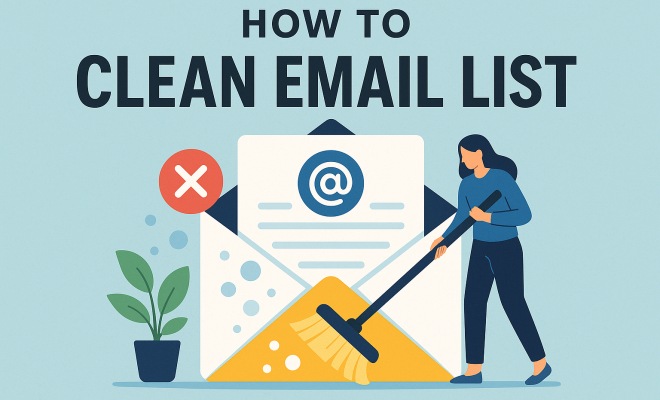
In the digital landscape, having a clean email list is crucial for successful email marketing. A clean email list not only improves your deliverability rates but also enhances engagement and conversion rates. If you’ve ever wondered why your emails aren’t getting the responses you hoped for, the answer might lie in the state of your email list. Below, we’ll explore the eight essential steps you need to take to clean your email list effectively.
1. Understand the Importance of a Clean Email List
Before diving into the nitty-gritty, let’s clarify why maintaining a clean email list is vital. Over time, your email list can become cluttered with invalid addresses, inactive subscribers, and spam traps. This not only hampers your outreach efforts but also impacts your sender reputation and deliverability rates.
According to various studies, businesses can lose up to 30% of their email lists each year due to factors like unsubscribes, spam complaints, and email bounces. Keeping your list clean can significantly improve your open rates, click-through rates, and ultimately, your ROI on email marketing campaigns.
2. Segment Your Email List
Segmentation is one of the most effective ways to maintain a clean email list. By dividing your subscribers into specific groups based on criteria such as demographics, purchase history, or engagement levels, you can tailor your campaigns more effectively. This targeted approach reduces the likelihood of unsubscribes and improves engagement.
For example, if you have subscribers who have not engaged with your content in the last six months, you can create a specific segment for re-engagement campaigns. This allows you to attempt to win back these users before deciding to remove them from your list altogether.
3. Regularly Remove Invalid Email Addresses
One of the most crucial steps in keeping your email list clean is routinely removing invalid email addresses. Invalid emails can cause bounces, which harm your sender reputation. You can use email verification tools to help identify and remove these addresses. These tools check for syntax errors, domain validity, and whether the email address is disposable.
Make it a practice to verify new email addresses upon entry and periodically clean your existing list. This proactive approach ensures that you’re only reaching valid subscribers, enhancing your engagement metrics.
4. Identify and Remove Inactive Subscribers
Inactive subscribers can drag down your engagement rates. An inactive subscriber is anyone who hasn’t opened or clicked on your emails in a predetermined period, often 6 months to a year. It’s essential to identify these individuals and either re-engage them through targeted campaigns or remove them from your list.
Consider sending a win-back campaign to inactive subscribers before removing them. This could involve special offers or asking for feedback on why they’ve disengaged. If they still don’t respond, it’s time to let them go. This process not only helps clean your email list but also ensures that you’re focusing your efforts on users who are genuinely interested in your content.
5. Optimize Your Sign-Up Process
The sign-up process is your first chance to create a clean email list. Ensure that you’re capturing users’ information effectively while also being transparent about what they can expect by subscribing. Use double opt-in methods to confirm their subscription, which can help filter out bots and uninterested users. (See: importance of email marketing.)
Additionally, consider using a quality over quantity approach. Rather than aiming for sheer numbers, focus on attracting subscribers who are genuinely interested in your content. This approach will ultimately lead to a more engaged and cleaner email list.
6. Utilize an Automatic List Cleaning Tool
Technology has made it easier than ever to maintain a clean email list. Numerous tools offer automated list cleaning services that can help you regularly scrub your list of invalid addresses and inactive users. These tools can save you time and reduce the potential for human error.
Popular options include NeverBounce and ZeroBounce, which provide real-time email verification and list cleaning solutions. By investing in these tools, you can focus more on crafting your email content while ensuring your list remains pristine.
7. Monitor Engagement Metrics
Monitoring your engagement metrics is crucial for maintaining a clean email list. Keep an eye on open rates, click-through rates, and unsubscribe rates. These metrics provide insight into how your audience is interacting with your emails and can alert you to when it’s time to clean your list.
Benchmark these metrics against industry standards to gauge your performance. If you notice a significant drop in engagement, it may be an indicator that your list needs immediate attention. Regularly analyzing these metrics enables you to react quickly to changes in subscriber behavior.
8. Establish a Regular Cleaning Schedule
Finally, establish a routine for cleaning your email list. Whether it’s monthly, quarterly, or bi-annually, having a consistent schedule ensures that list maintenance becomes a part of your regular email marketing activities. This habit will encourage you to stay proactive rather than reactive.
During these cleaning sessions, review your segmentation, remove inactive users, and verify new email addresses. Treat this as a ritual that will help you cultivate a healthier and more effective email list.
9. Engagement Strategies to Keep Your List Clean
Keeping your email list clean is not just about removing inactive subscribers; it’s also about implementing strategies that foster engagement. For instance, incorporating personalized content can significantly boost interaction rates. Research shows that emails with personalized subject lines generate 50% higher open rates. By using the recipient’s name or referencing their previous purchases, you can create a more inviting email experience.
Another effective strategy is to employ gamification in your email campaigns. Adding elements such as quizzes, polls, or contests engages your audience in a fun way, encouraging them to interact with your brand more frequently. These strategies not only help keep your current subscribers active but can also attract new subscribers who are excited about your engaging content.
10. Re-Engagement Campaigns
Re-engagement campaigns are a powerful tool to revive interest from inactive subscribers. Craft compelling emails that remind them of the value your content offers. For example, you can share highlights of what they’ve missed since they last engaged or showcase popular articles or products. The goal is to remind them why they subscribed in the first place and encourage them to interact again.
Statistically, a well-executed re-engagement campaign can bring back about 10-20% of inactive users. Consider using enticing offers like discounts or exclusive access to new products to sweeten the deal. However, if they still don’t engage after these attempts, it’s best to remove them from your list to maintain its cleanliness.
11. Best Practices for Managing Email Preferences
Providing subscribers with the ability to manage their preferences is an effective way to keep your email list clean. Allow users to choose the frequency of emails they receive and the types of content they want. This not only helps reduce unsubscribe rates but also ensures that your emails are relevant to them. (See: email marketing strategies.)
For example, a subscriber might want to receive weekly updates about sales but only monthly newsletters. Offering this flexibility can improve satisfaction and decrease the likelihood of them opting out altogether.
12. The Role of Analytics in List Maintenance
Analytics play a crucial role in maintaining a clean email list. Tools like Google Analytics or built-in analytics from your email service provider can help you track user behavior after they click through your emails. Are they making purchases? Visiting your site? Engaging with your content? Understanding this behavior can inform your strategy and help you identify which subscribers are genuinely interested in your brand.
Additionally, utilize A/B testing to experiment with different email formats, subject lines, and sending times. This data-driven approach allows you to refine your email strategy continuously, ensuring that you’re meeting your audience’s needs and preferences.
13. Frequently Asked Questions (FAQ)
What is a clean email list?
A clean email list consists of valid, engaged, and interested subscribers. It’s free from invalid email addresses, spam traps, and inactive users, ensuring higher deliverability and engagement rates.
How often should I clean my email list?
It’s advisable to clean your email list at least quarterly, though monthly or bi-monthly cleaning may be beneficial for larger lists. The frequency can depend on your engagement rates and list growth.
What tools can I use to clean my email list?
There are several tools available for cleaning email lists, including NeverBounce, ZeroBounce, and BriteVerify. These tools help identify invalid addresses and can automate the cleaning process.
How can I encourage subscribers to stay engaged with my emails?
To keep subscribers engaged, focus on delivering personalized content, providing value through informative articles or exclusive offers, and maintaining a consistent sending schedule without overwhelming them.
What should I do with inactive subscribers?
For inactive subscribers, consider implementing re-engagement campaigns to entice them back. If they remain unresponsive after multiple attempts, it’s best to remove them from your list to maintain its health.
14. Deep Dive: The Financial Impact of a Clean Email List
The financial implications of maintaining a clean email list can be significant. Businesses spend substantial resources on acquiring new leads and nurturing current subscribers, so wasting effort on inactive or invalid contacts can lead to a poor return on investment (ROI). For instance, if your list has a high bounce rate due to invalid addresses, you might be paying for email services based on a larger list size, even though many contacts do not engage.
Consider this: a company with a 20% bounce rate may be spending 20% more than necessary on email marketing services, while also risking their deliverability rates. Email providers monitor engagement and sender reputation; a high bounce rate can lead to being flagged as spam, further diminishing your ability to reach interested subscribers. (See: Harvard on email marketing.)
15. Real-Life Case Studies
Companies across various industries have seen notable improvements by cleaning their email lists. For instance, an e-commerce brand noticed a 25% increase in open rates after cleaning their list and removing inactive subscribers. This was attributed to improved targeting and sending to a more engaged audience. They also reported a 10% increase in revenue attributed specifically to email marketing following these changes.
Another notable case is a SaaS company that implemented a re-engagement campaign targeting users who hadn’t logged in for over six months. By sending personalized emails with enticing offers and exclusive content, they managed to re-engage nearly 15% of their inactive users, converting them into paying customers again.
16. Leveraging Social Media for List Growth
Social media can be a powerful tool for growing your email list and ensuring it remains clean. By promoting your email sign-up forms through platforms like Facebook, Instagram, and Twitter, you can attract new, engaged subscribers. Offering incentives, such as exclusive content, discounts, or entry into contests, can encourage users to join your email list.
It’s also wise to monitor engagement on social media closely. If you notice that your social media audience is not converting to email subscribers, it might be time to reassess your messaging or the value proposition you’re offering. Gathering feedback through polls or surveys on social media can provide insights into what your audience values and what might entice them to subscribe.
17. Common Mistakes to Avoid
While cleaning your email list, it’s easy to fall into some common traps. One mistake is being too aggressive with list cleaning. While it’s essential to remove inactive users, doing so too frequently can lead to losing potentially valuable subscribers. Always consider implementing a re-engagement strategy before removing anyone.
Another pitfall is failing to update your segmentation. As your business and audience evolve, your segmentation needs to adapt as well. Regularly reviewing and adjusting how you categorize your subscribers ensures that your campaigns remain relevant and effective.
18. Conclusion
Cleaning your email list is not a one-time task but an ongoing process that should be woven into the fabric of your email marketing strategy. By following these essential steps, you can ensure that your email list remains clean, engaged, and primed for success. Regular maintenance and proactive engagement strategies will not only improve your email marketing outcomes but will also foster a loyal audience that values your content.
“`
Trending Now
Frequently Asked Questions
Why is it important to clean your email list?
Cleaning your email list is vital because it improves deliverability rates, enhances engagement, and boosts conversion rates. A cluttered list can lead to invalid addresses and inactive subscribers, negatively impacting your sender reputation and the effectiveness of your email marketing campaigns.
How often should you clean your email list?
It's recommended to clean your email list regularly, ideally every few months. This routine maintenance helps to remove invalid addresses, inactive subscribers, and spam traps, ensuring that your email marketing remains effective and your sender reputation stays intact.
What are the steps to clean an email list?
To clean your email list, start by understanding its importance, segmenting your audience, regularly removing invalid email addresses, and engaging inactive subscribers. Additionally, consider using email verification tools and monitoring engagement metrics to maintain a healthy list.
What happens if you don't clean your email list?
Failing to clean your email list can lead to high bounce rates, decreased engagement, and a damaged sender reputation. This can result in your emails being marked as spam and ultimately affect the success of your email marketing campaigns.
How can segmentation help in cleaning an email list?
Segmentation allows you to divide your email list into specific groups based on criteria like demographics or engagement levels. This targeted approach helps you tailor your campaigns, reduces unsubscribes, and allows you to re-engage inactive subscribers effectively.
Agree or disagree? Drop a comment and tell us what you think.