Coffee & Mental Health: Moderate Intake May Cut Risks
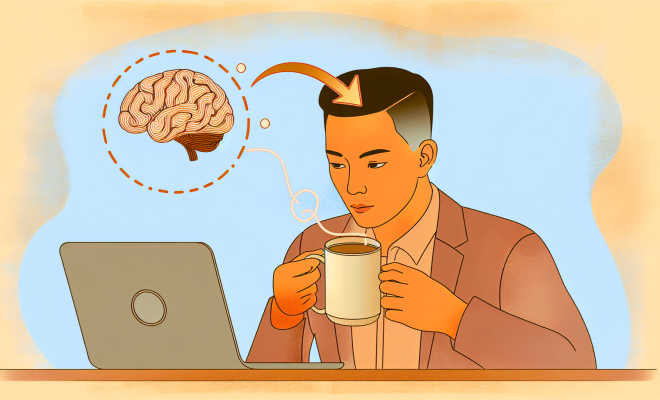
Coffee has long been a beloved beverage around the globe, celebrated for its invigorating properties and rich flavor. However, recent research suggests that the benefits of coffee may extend beyond just a morning pick-me-up. A study published in the Journal of Affective Disorders indicates that consuming two to three cups of coffee daily could significantly lower the risk of mental health disorders, particularly among men.
The Study: An Insightful Examination
The study analyzed data from over 460,000 participants in the UK Biobank, all aged between 40 and 69. Over a period of 13.4 years, researchers monitored these individuals to assess the relationship between coffee consumption and mental health outcomes. The findings revealed a notable connection between moderate coffee intake and a reduced risk of various mental health disorders.
Key Findings
- Moderate Consumption Benefits: Participants who consumed two to three cups of coffee per day exhibited a lower risk of developing mental health issues.
- Gender Differences: The protective effects of coffee were particularly pronounced in men, suggesting potential biological differences in how caffeine affects mental health.
- High Consumption Risks: Interestingly, those who consumed five or more cups daily showed a higher risk of mental health disorders, indicating that moderation is key.
The Science Behind Coffee’s Protective Effects
What makes coffee a potential ally in mental health? Researchers point to several bioactive compounds found in coffee, including caffeine, chlorogenic acid, polyphenols, and diterpenes. These compounds are believed to contribute to coffee’s neuroprotective and anti-inflammatory properties.
Caffeine: The Energizer
Caffeine is perhaps the most well-known component of coffee. Its stimulating effects on the central nervous system can enhance mood and cognitive function. Research suggests that caffeine may help protect against neurodegenerative diseases like dementia by promoting the release of neurotransmitters that support brain health.
Chlorogenic Acid: The Unsung Hero
Chlorogenic acid, another significant compound in coffee, is renowned for its anti-inflammatory effects. This compound may play a role in reducing inflammation in the brain, which is a known contributor to various mental health disorders. By mitigating inflammation, chlorogenic acid can contribute to improved cognitive function and mental well-being.
Implications for Mental Health
The findings from this extensive study carry important implications for public health and individual mental health management. As mental health issues continue to rise globally, identifying modifiable lifestyle factors that can reduce risk is crucial.
Practical Recommendations
- Moderate Your Intake: Aim for two to three cups of coffee daily to potentially reap the mental health benefits without overdoing it.
- Consider Your Overall Diet: Coffee should be part of a balanced diet rich in fruits, vegetables, and whole grains, which also support mental health.
- Monitor Your Response: Pay attention to how your body reacts to caffeine. Individual tolerance can vary significantly, and some people may experience anxiety or sleep disturbances with higher consumption.
The Balance of Benefits and Risks
While the study underscores the potential mental health benefits of moderate coffee consumption, it also serves as a reminder of the importance of balance. The correlation between five or more cups of coffee and an increased risk of mental health disorders highlights that more is not always better. It is essential to approach coffee consumption mindfully.
Conclusion
As we continue to unravel the complexities of mental health, studies like this one shed light on how everyday choices, such as our morning coffee ritual, can impact our well-being. While moderate coffee consumption appears to offer protective benefits against mental health disorders, it is crucial to remember that it should complement a healthy lifestyle.
Incorporating coffee into a broader strategy for mental health—alongside regular exercise, a balanced diet, and social connections—can help individuals foster resilience against mental health challenges. As always, for those experiencing mental health issues, seeking guidance from healthcare professionals is paramount.