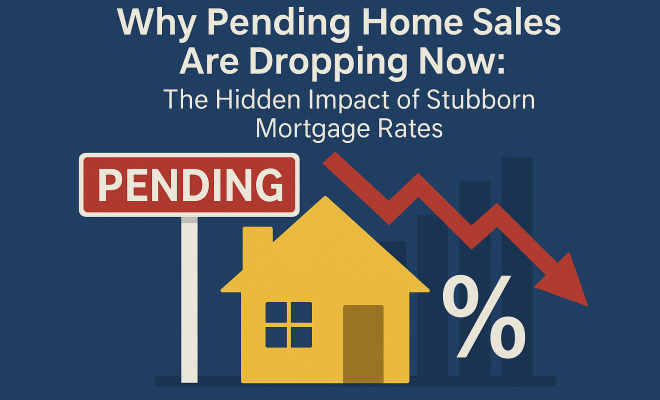
Why Pending Home Sales Are Dropping: Mortgage Rates’ Hidden Impact
“`html
Recent trends in the U.S. housing market reveal some surprising shifts, particularly in pending home sales. A notable 2.2% decline in sales week-over-week has raised eyebrows among real estate professionals and potential homebuyers alike. As mortgage rates hover stubbornly above 6.5%—a situation that has persisted for nine consecutive weeks—the market appears to be cooling when many had expected it to heat up during the summer months.
The Current State of Pending Home Sales
As of mid-July, pending home sales have taken a hit, with the average 30-year fixed mortgage rate hitting 6.55%. This is a significant factor influencing the decision-making of buyers across the nation. When prospective homeowners consider entering the market, high mortgage rates serve as a formidable barrier, prompting many to pause their homebuying plans. It’s not just data; it’s emotional. Many buyers feel a sense of urgency, fearing they are being priced out of the market.
Understanding the Mortgage Rate Environment
Mortgage rates are often influenced by various factors including economic indicators, inflation, and Federal Reserve policies. The current rate environment is particularly challenging for first-time buyers, who may lack the financial cushion that seasoned homeowners have. The persistent rates above 6.5% have created a sense of stagnation, leading many to question the overall stability of the housing market.
According to Fannie Mae’s latest housing forecast, there may be a light at the end of the tunnel. However, the immediate reality shows a contraction in sales, which is generating significant discussion on social media platforms. Many buyers express their frustrations with the current situation, leading to an increase in online engagement.
Impact on First-Time Homebuyers
First-time homebuyers have been hit especially hard by the current mortgage rate environment. As the average rates climb, many find themselves unable to afford homes that were once within their reach. This emotional toll can be quite severe; it’s not simply about numbers on a spreadsheet, but about dreams and aspirations being dashed.
With rising rental costs and stagnant wages in many areas, potential buyers feel trapped. The fear of being priced out is palpable, leading to anxiety and uncertainty. This demographic is particularly vocal on platforms like Twitter and Instagram, amplifying their struggles and highlighting the broader economic implications of high borrowing costs.
The Social Media Response
The emotional charge surrounding pending home sales and high mortgage rates has sparked a wave of engagement on social media. Many homeowners and prospective buyers share their experiences, thoughts, and frustrations, creating a community of shared sentiment.
This online chatter often revolves around the sacrifices people are making to save for down payments, the disappointment of losing out on homes due to bidding wars, and the general feeling of being left behind in an increasingly competitive market.
Real estate professionals are also chiming in, providing insights and advice that often help demystify the complexities of the current housing market. The blend of personal stories and expert advice creates a rich dialogue that captivates audiences.
What the Future Holds: Fannie Mae’s Predictions
Fannie Mae’s forecast presents a mixed bag for the housing market. While they acknowledge the current stagnation in pending home sales, they also suggest that conditions may shift in the near future. Their analysis points to various economic indicators that could lead to a decrease in mortgage rates.
Such an eventuality would likely invigorate the market, potentially leading to a surge in pending home sales as buyers come off the sidelines. However, the question remains: how soon can we realistically expect these changes to materialize? If you’re a prospective buyer, this uncertainty is crucial to consider as you navigate your options. (See: Federal Housing Finance Agency data.)
The Broader Economic Context
The situation facing pending home sales is not occurring in a vacuum. Broader economic factors—such as inflation, employment rates, and consumer confidence—play an essential role in shaping the housing market. If inflation continues to rise, it could push interest rates even higher, further complicating the landscape for homebuyers.
Moreover, the Federal Reserve’s strategies to combat inflation will likely influence mortgage rates in the coming months. Understanding these dynamics can give potential buyers a clearer picture of what to expect, allowing them to make informed decisions.
The Emotional Toll of Homebuying
For many, the dream of homeownership carries significant emotional weight. It’s about more than just acquiring a property; it’s tied to personal goals, family aspirations, and financial stability. When mortgage rates rise and pending home sales decline, that dream can feel increasingly elusive.
The emotional distress caused by rising rates and a cooling market highlights the psychological aspects of real estate. Many potential buyers grapple with feelings of fear, frustration, and uncertainty, often compounded by societal pressures and expectations. This emotional landscape is as critical as the financial one; understanding it can help you navigate the complexities of homebuying.
Strategies for Prospective Buyers
With the current state of pending home sales and mortgage rates, prospective buyers must be strategic in their approach. Here are some tips to consider as you navigate this challenging market:
- Assess Your Budget: Before diving into the market, take a good hard look at your finances. Know what you can afford without stretching yourself too thin.
- Consider Different Areas: If you’re struggling to find affordable options in popular neighborhoods, broaden your search to include less sought-after areas. You may discover hidden gems.
- Stay Informed: Keep an eye on market trends, mortgage rates, and economic forecasts. Awareness can help you make informed decisions.
- Be Prepared to Act: The market is constantly changing. If you find a home that meets your criteria, don’t hesitate too long to make an offer.
- Consult Professionals: Real estate agents and mortgage advisors can provide valuable insights to help you navigate these challenging times.
The Importance of Patience
In times of uncertainty, patience is key. While the current market may seem daunting, the landscape is always shifting. Waiting for the right moment to buy may pay off in the long run. As Fannie Mae suggests, changes may be on the horizon, so staying patient and prepared can be advantageous.
Ultimately, homeownership is a long-term investment. Keeping a level head during turbulent times can help you avoid rash decisions that might lead to buyer’s remorse.
Comparing Pending Home Sales in Different Regions
While the overall trends in pending home sales paint a concerning picture, it’s essential to recognize that this situation can vary significantly by region. For example, markets in urban areas may experience a different impact compared to suburban or rural locations. In many cities, demand remains high despite rising mortgage rates, while smaller towns might see slower sales due to fewer job opportunities and amenities.
According to recent data from the National Association of Realtors, some regions have shown resilience. The South, for instance, has often outperformed other areas due to its relatively affordable housing and favorable job markets. This contrasts sharply with the West Coast, where high prices and increasing rates have dampened buyer enthusiasm.
Potential homebuyers should consider these regional differences when planning their purchases. Local economic conditions can dramatically affect pending home sales and should influence where you choose to focus your home search.
Expert Insights on the Housing Market
Experts from various sectors of the housing market provide valuable perspectives that can guide potential homebuyers. For instance, Dr. Lawrence Yun, Chief Economist for the National Association of Realtors, emphasizes the importance of understanding local market conditions. He states, “Housing supply is a critical factor. In areas where supply is limited, prices may remain stable or even rise despite higher mortgage rates.”
Additionally, real estate agents often highlight the need for buyers to be flexible with their expectations. “Finding a home that checks every box may not be feasible right now,” says Jessica Turner, a realtor based in Los Angeles. “Buyers may need to prioritize their must-haves versus nice-to-haves.”
Listening to expert opinions can help you refine your strategy and make more informed decisions in this unpredictable market. (See: CDC housing statistics.)
The Role of Government Policies
Government policies can significantly affect pending home sales, from tax incentives to adjustments in lending regulations. For instance, first-time homebuyer programs have been introduced in various states to alleviate some financial burdens. These programs often provide down payment assistance or favorable loan terms, making it easier for new buyers to enter the market.
On a broader scale, any shifts in federal regulations regarding mortgage loans or housing aid can influence buyer confidence and market activity. Keeping an eye on legislative changes can help you anticipate potential shifts in the housing landscape and position yourself to take advantage of any new opportunities.
Frequently Asked Questions (FAQ)
1. What are pending home sales?
Pending home sales refer to the number of homes that are under contract but have not yet closed. This figure provides insight into the future state of the housing market, as it indicates buyer activity and demand.
2. Why are pending home sales declining?
Pendings have seen a decline primarily due to rising mortgage rates, which have made homebuying less affordable for many. Economic factors, such as inflation and fluctuating consumer confidence, also play a role.
3. How do mortgage rates affect pending home sales?
Higher mortgage rates typically lead to a decrease in pending home sales, as they increase the overall cost of homeownership, making it harder for buyers to afford homes.
4. Are there any areas where pending home sales are increasing?
Yes, some regions, particularly those with more affordable housing markets or growing job opportunities, may still see rising pending home sales. The South and Midwest have shown stronger resilience compared to coastal markets.
5. What should I do if I want to buy a home now?
If you’re looking to buy, assess your financial situation, work with a real estate agent, and consider being flexible with your criteria. Staying informed about market trends can also help you make better decisions.
6. How long do homes typically stay in pending status?
The duration that a home stays in pending status can vary. On average, homes may remain pending for 30 to 60 days, but this can be influenced by local market conditions and the specifics of the transaction.
7. Can I negotiate a better price in this market?
While the market can be competitive, buyers may have more leverage now compared to the height of the real estate boom. It’s worth discussing your options with your agent to see if negotiation is viable.
8. What is the best time to buy a house?
The best time to buy varies by market and personal circumstances. Generally, buyers may find better deals in the off-peak seasons, such as late fall and winter, but each market can differ significantly.
What Buyers Can Do to Stay Competitive
In a changing market, staying competitive is crucial for potential buyers. Here are several strategies to enhance your chances of success: (See: New York Times on mortgage rates.)
- Pre-approval for a mortgage: Having a mortgage pre-approval can show sellers you are serious and financially capable, making your offer more appealing.
- Strengthen your offer: Consider offering more than the asking price or waiving contingencies if you’re in a position to do so. This can make your offer stand out.
- Work with an experienced real estate agent: An agent who knows the local market can provide invaluable insights and help you craft a winning offer.
- Be flexible with your timeline: If you can be flexible about closing dates or other terms, it might make your offer more attractive to sellers.
- Consider fixer-uppers: Homes that need a little TLC may be less competitive but offer great value in the long run. You can customize the home to your liking while potentially saving money.
Understanding Local Market Dynamics
Each local market can behave differently based on various factors like job growth, demographic shifts, and local economy. Researching your target area’s real estate trends can be vital. For example, areas with new businesses frequently opening may experience increased demand, while regions with a declining population may see lower demand and stagnation in pending home sales.
Additionally, seasonal trends can also impact local markets. For instance, warmer months often see an uptick in buyers, while colder months may lead to a slowdown. Keeping an eye on these seasonal shifts will help you time your purchase effectively.
The Importance of Building Relationships with Sellers
In a competitive market, having a personal touch can sometimes sway sellers. Building a relationship can mean more than just submitting an offer; it can be about connecting personally. Write a letter to the seller explaining why you love their home and how you see your future there. This emotional connection can sometimes tip the scales in your favor when multiple offers are on the table.
Future Projections for Pending Home Sales
Looking ahead, many experts are cautiously optimistic about the pending home sales market. Predictions for the coming years suggest that as inflation stabilizes and the Federal Reserve adjusts interest rates, mortgage rates may begin to decrease. This could lead to a revitalization of pending home sales, as buyers who have been waiting on the sidelines start entering the market again.
Additionally, as more new homes are constructed to meet the growing demand, inventory levels may increase, providing buyers with more options. Keeping an eye on new home development projects in your desired areas might offer insights into where future opportunities will arise.
The Role of Investor Activity
Investor activity in the housing market also plays a role in pending home sales. When investors purchase homes, they often do so in cash, which can make their offers more attractive in competitive situations. However, this can also lead to reduced inventory for typical homebuyers, pushing prices higher. Understanding the level of investor activity in your desired market can give you better insight into the dynamics of pending home sales.
Conclusion: A Market in Flux
The recent drop in pending home sales highlights a significant moment in the U.S. housing market. With mortgage rates remaining stubbornly high, many potential buyers are reevaluating their options. The emotional impact of these changes cannot be overstated, with social media becoming a platform for sharing frustrations and seeking advice.
While current predictions suggest a potential shift in the market, the immediate future remains uncertain. Buyers need to be aware of their financial situation, stay informed about market trends, and maintain a patient mindset. In the world of real estate, it’s vital to balance emotional responses with strategic planning, especially when navigating such a volatile environment.
“`
Trending Now
Frequently Asked Questions
Why are pending home sales dropping?
Pending home sales are dropping due to a notable 2.2% decline week-over-week, largely influenced by stubborn mortgage rates above 6.5%. This high rate environment is causing potential buyers to pause their homebuying plans, leading to a cooling market when many expected an increase in activity.
How do mortgage rates affect home sales?
Mortgage rates significantly impact home sales by influencing buyer affordability and decision-making. High rates above 6.5% create a barrier for many potential homeowners, especially first-time buyers, leading to decreased demand and subsequently lower pending home sales.
What is the current state of mortgage rates?
As of mid-July, the average 30-year fixed mortgage rate is at 6.55%, which has remained stubbornly high for nine consecutive weeks. This persistent rate is affecting the housing market, leading to a decline in pending home sales as buyers reassess their purchasing power.
How are first-time homebuyers impacted by mortgage rates?
First-time homebuyers are particularly affected by high mortgage rates, as they often lack the financial cushion that seasoned homeowners possess. The climbing rates make it increasingly difficult for them to afford homes, leading to a sense of stagnation in the housing market.
What factors influence mortgage rates?
Mortgage rates are influenced by various factors including economic indicators, inflation, and Federal Reserve policies. These elements contribute to the overall rate environment, which currently poses challenges for homebuyers due to persistently high rates.
Have you experienced this yourself? We'd love to hear your story in the comments.