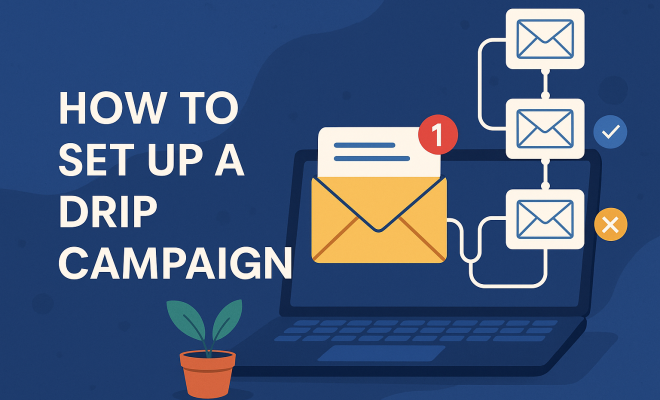
How to set up drip campaign
“`html
In the digital marketing landscape, staying connected with your audience is more crucial than ever. One method that has gained immense popularity is the drip campaign setup. This strategic approach allows businesses to nurture leads and engage customers over time, delivering relevant content at the right moment. In this article, we’ll explore what drip campaigns are, how to set them up effectively, and the best practices to maximize their impact.
1. Understanding Drip Campaigns
At its core, a drip campaign is a series of automated emails sent to a target audience over a specified time frame. Unlike traditional email blasts, which send the same message to an entire list at once, drip campaigns are tailored to individual user behavior and preferences. This method ensures that recipients receive relevant content based on their interactions with your brand.
The name “drip” comes from the idea of gradually “dripping” information to your audience rather than overwhelming them with a flood of messages. This makes drip campaigns ideal for lead nurturing, onboarding new customers, or re-engaging inactive subscribers. Understanding the nuances of this approach is essential for effective drip campaign setup.
2. Establishing Goals for Your Drip Campaign
Before jumping into the technical aspects of drip campaign setup, it’s vital to establish your campaign’s goals. What do you want to achieve? Common objectives include increasing brand awareness, generating leads, boosting sales, or enhancing customer retention. Clearly defined goals will guide the entire setup process, influencing everything from content creation to timing.
For example, if your goal is to nurture leads, you might focus on educational content that gradually leads them toward a purchase decision. On the other hand, if you’re aiming to onboard new customers, you’ll want to provide resources that help them get the most out of your product or service. Tailoring your drip campaign to fit these objectives will increase its effectiveness.
3. Segmenting Your Audience
One of the most critical aspects of a successful drip campaign setup is audience segmentation. Not all customers are the same, and grouping them based on their behaviors, preferences, or demographics allows you to deliver more personalized content. For instance, you might segment your audience into categories such as new subscribers, previous customers, and those who have abandoned their shopping carts.
Using tools like customer relationship management (CRM) software can help you gather the necessary data for segmentation. By analyzing user behavior, you can create targeted campaigns that resonate with each group. Segmented campaigns tend to have higher open and click-through rates, which translates to better engagement and conversion rates.
4. Choosing the Right Email Marketing Platform
Once you’ve defined your goals and segmented your audience, the next step in your drip campaign setup is selecting the right email marketing platform. There are numerous tools available, each offering a variety of features to help you create, manage, and analyze your campaigns. Popular options include Mailchimp, HubSpot, ActiveCampaign, and ConvertKit.
When choosing a platform, consider factors such as automation capabilities, user interface, customer support, and integration with other tools you use. Most importantly, ensure that the platform you choose can handle the specific needs of your drip campaign, like tracking user behavior and engagement metrics.
5. Crafting Compelling Content
Content is king, and in a drip campaign, it’s the driving force behind engagement. Each email in your series should provide value to the recipient, whether through educational content, special offers, or insights related to their interests. The goal is to maintain a conversational tone that encourages recipients to take the desired action, whether it’s clicking a link, making a purchase, or engaging with your brand on social media.
It’s also essential to create a cohesive narrative across your series. Each email should build upon the previous one, guiding recipients through a journey that feels organic and intuitive. Utilize storytelling techniques to make your content relatable and engaging. Remember, the more personalized and relevant your content is, the more likely recipients will engage with it. (See: CDC guide on communication strategies.)
6. Setting Up Your Drip Campaign Workflow
With your goals, segmentation, platform, and content in place, you can now focus on the technical details of your drip campaign setup. Most email marketing platforms allow you to create workflows that automate the sending of emails based on triggers. These triggers could be actions like signing up for a newsletter, clicking on a specific link, or making a purchase.
Map out the flow of your campaign, detailing which emails will be sent and when. Consider the timing and frequency of your messages—too frequent, and you risk overwhelming your audience; too sparse, and you might lose their interest. A common approach is to start with a welcome email immediately after signup, followed by a series of emails spaced a few days apart, leading recipients through a well-thought-out journey.
7. Testing and Optimizing Your Campaign
No drip campaign is perfect right from the start. Once your campaign is live, it’s crucial to monitor its performance and make necessary adjustments. Track key metrics, including open rates, click-through rates, and conversions. These data points will help you identify what’s working and what needs improvement.
A/B testing is an excellent way to optimize your campaigns further. By sending two variations of the same email to a small segment of your audience, you can determine which version performs better. Test different subject lines, content formats, or calls to action to see what resonates with your audience. Continuous optimization ensures that your drip campaign remains effective over time.
8. Leveraging Analytics for Future Campaigns
Data analytics play a pivotal role in shaping future drip campaigns. By evaluating the results of your current campaigns, you can gain valuable insights into your audience’s preferences and behaviors. This information can inform your future content strategy, helping you create even more engaging and relevant campaigns.
Utilize your email marketing platform’s analytics tools to assess performance metrics. Look for trends in engagement, such as the types of content that receive the highest click-through rates. Understanding these patterns will allow you to tailor your messaging more effectively, ultimately driving better results in future campaigns.
9. Staying Compliant with Regulations
As you set up your drip campaign, it’s essential to stay compliant with email marketing regulations, such as the CAN-SPAM Act and GDPR. These laws are designed to protect consumers and ensure that they have control over their personal information. Familiarize yourself with the requirements, such as obtaining explicit consent from subscribers and providing an easy way for them to opt-out.
Compliance not only protects your business from legal repercussions but also builds trust with your audience. When subscribers feel secure in their relationship with your brand, they’re more likely to engage with your campaigns and convert into loyal customers.
10. The Future of Drip Campaigns
As technology evolves, so does the concept of drip campaigns. Emerging technologies like artificial intelligence (AI) and machine learning are revolutionizing how we automate and personalize marketing efforts. These advancements allow marketers to analyze vast amounts of data in real-time, delivering hyper-targeted content that resonates with users on a personal level.
Looking ahead, businesses that embrace these technologies will likely see enhanced engagement and conversion rates. However, the core principle of drip campaigns—delivering relevant content at the right time—will always remain a fundamental part of successful marketing strategies.
11. Common Mistakes in Drip Campaign Setup
Even the most seasoned marketers can make mistakes during drip campaign setup. Recognizing these pitfalls can save you time and resources. One common error is failing to define clear goals, leading to unfocused content that doesn’t resonate with your audience. Another mistake is neglecting audience segmentation, which can result in generic messaging that fails to engage.
Another area where marketers often falter is content relevance. Sending emails that lack value or don’t speak to the recipient’s needs can lead to high unsubscribe rates. It’s essential to continually refine your content based on feedback and engagement metrics. Lastly, not testing your emails before launching is a significant misstep. Always review and test your emails to ensure they display correctly and contain no errors. (See: New York Times article on marketing strategies.)
12. Integration with Other Marketing Strategies
Drip campaigns can be even more powerful when integrated with other marketing strategies. For example, combining social media marketing with your drip campaigns can create a more cohesive brand experience. You can encourage email subscribers to follow your social media channels, providing another touchpoint for engagement.
Additionally, consider using retargeting ads alongside your drip campaigns. If a user clicks a link in your email but doesn’t complete a purchase, retarget them with ads on social media or other websites. This strategy reinforces your messaging and keeps your brand top of mind.
Another effective integration is using landing pages that align with your drip campaign messages. The content of your landing pages should reflect the emails being sent to create a seamless user experience. This consistency can improve conversion rates significantly.
13. Examples of Successful Drip Campaigns
To provide practical insights, let’s look at some examples of successful drip campaigns. One notable example comes from the e-commerce brand, Birchbox. They use a drip campaign strategy to welcome new subscribers, guiding them through their product offerings with personalized content based on the user’s preferences and past purchases. This method not only increases engagement but also drives sales effectively.
Another success story is that of Airbnb, which utilizes drip campaigns to engage hosts and guests. For hosts, they send a series of educational emails that cover how to optimize listings, manage bookings, and provide excellent customer service. This approach not only supports hosts but ensures a better experience for guests as well.
Also notable is how Slack utilizes drip campaigns for onboarding. New users receive a sequence of emails that introduce them to features they might not be aware of, enhancing their experience and adoption rate. Each email is crafted to highlight specific functionalities, encouraging users to engage and explore the platform further.
14. FAQs about Drip Campaign Setup
What is the ideal length for a drip campaign?
There’s no one-size-fits-all answer, as the length depends on your goals and audience. However, a typical drip campaign might last anywhere from a few weeks to several months, with emails spaced out based on user interaction and behavior.
How often should I send emails in a drip campaign?
Frequency is key. Generally, sending emails every few days or weekly works well. You want to maintain engagement without overwhelming your audience, so monitor your metrics and adjust accordingly.
Can I automate my drip campaign?
Yes! Most email marketing platforms allow full automation of drip campaigns. You can set up triggers and workflows that automatically send follow-up emails based on user actions.
What types of content work best in drip campaigns?
Content should be valuable and relevant. Educational content, special offers, personalized recommendations, and customer testimonials are effective types of content that can drive engagement. (See: Harvard University marketing research.)
How do I measure the success of my drip campaign?
Key metrics to track include open rates, click-through rates, conversion rates, and unsubscribe rates. Analyzing these metrics will help you understand what’s working and what needs improvement.
Can I use images and videos in my drip campaigns?
Absolutely! Images and videos can enhance engagement and convey your message more effectively. Ensure that they are optimized for email to avoid slow loading times and ensure a seamless user experience.
What should I do if someone unsubscribes from my drip campaign?
First, respect their decision. However, consider sending a brief follow-up survey to understand why they unsubscribed. This feedback can be invaluable in refining your future campaigns and improving retention strategies.
Is it necessary to have a welcome email in my drip campaign?
A welcome email is highly recommended. It sets the tone for your relationship with subscribers and can significantly increase engagement rates. This initial contact often leads to higher open rates for subsequent emails.
15. Future Trends in Drip Campaigns
As we move forward, several trends are emerging in the world of drip campaigns. Personalization is expected to become even more sophisticated. With advancements in AI, marketers can create hyper-personalized content that adapts to user behavior in real-time, leading to higher engagement rates.
Another trend is the increasing integration of multi-channel marketing. As consumers interact with brands across various platforms, drip campaigns that utilize email, SMS, and social media will become more common. This omnichannel approach ensures that your message is consistent and reaches your audience wherever they are.
Finally, the focus on sustainability and ethical marketing practices is likely to influence drip campaigns. Brands that adopt transparent practices and value-driven messaging can foster deeper connections with their audience, promoting loyalty and long-term engagement.
In summary, setting up a successful drip campaign requires thoughtful planning, creativity, and ongoing optimization. By understanding your audience, defining clear goals, and leveraging technology, you can engage your customers effectively and drive meaningful results. So, take the plunge and start your drip campaign setup today—your audience will thank you!
“`
Trending Now
Frequently Asked Questions
What is a drip campaign?
A drip campaign is a series of automated emails sent to a target audience over a specified time frame. Unlike traditional email blasts, these campaigns deliver tailored content based on user behavior and preferences, allowing businesses to nurture leads and engage customers gradually.
How do I set up a drip campaign?
To set up a drip campaign, first establish clear goals such as increasing brand awareness or generating leads. Next, create tailored content aligned with these goals, segment your audience, and choose an email marketing platform to automate the delivery of your messages over time.
What are the benefits of a drip campaign?
Drip campaigns offer several benefits, including improved engagement through personalized content, increased lead nurturing efficiency, higher conversion rates, and enhanced customer retention. By delivering relevant information gradually, businesses can better connect with their audience.
What should I include in a drip campaign?
A successful drip campaign should include content that aligns with your campaign goals, such as educational resources, promotional offers, or onboarding materials. Tailoring the content to the audience's needs and behaviors ensures maximum relevance and effectiveness.
How long should a drip campaign last?
The duration of a drip campaign can vary based on your goals and audience. Generally, campaigns can last from a few weeks to several months, with emails scheduled to be sent at intervals that keep your audience engaged without overwhelming them.
Agree or disagree? Drop a comment and tell us what you think.