How Graduating Kids Ignite Empty Nest Syndrome: A Parent’s Heartfelt Reflection
“`html
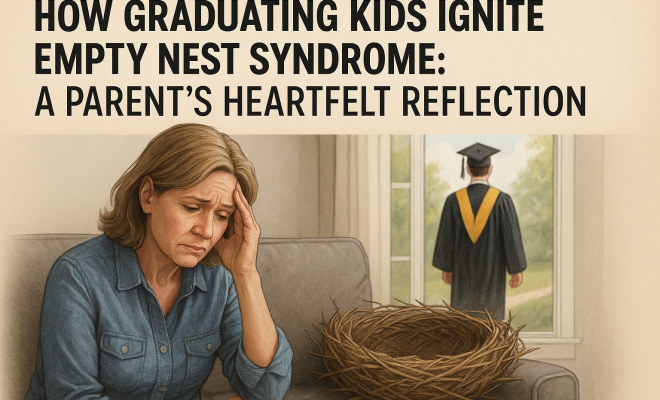
As the sun sets on another school year, many parents find themselves standing on the brink of a monumental change: the graduation of their youngest child. This moment is not just a celebration of academic achievement; it’s an emotional rite of passage that marks the end of one phase of parenting and the beginning of another. For some, this transition is bittersweet and can lead to a profound sense of loss — a phenomenon often referred to as empty nest syndrome.
The Bittersweet Nature of Graduation
Graduation ceremonies are ripe with emotions, from unrestrained joy to reflective melancholy. As a parent, witnessing your youngest child don that cap and gown can feel surreal. It’s a moment that encapsulates years of hard work, love, and sometimes sleepless nights. But beneath the surface-level excitement often lies the undeniable pangs of impending separation and the realities of empty nest syndrome.
When your last child walks across that stage, a flood of memories rushes in. You might recall the first day of kindergarten, the countless school projects, and the family dinners filled with laughter and stories. Each moment is a thread in the fabric of your family life, and now you’re about to sever that thread as your child ventures out into the world.
Understanding Empty Nest Syndrome
Empty nest syndrome is a term that describes the feelings of sadness, loneliness, and grief that parents may experience when their children leave home. While it isn’t a clinical diagnosis, many parents resonate with these feelings when they’re faced with the reality that their role as a daily caregiver is coming to an end.
It’s a universal experience, affecting parents across various cultures and backgrounds, but the emotions tied to it can feel very personal. After years of nurturing and guiding a child through their formative years, the silence that follows their departure can be deafening.
The Transition to a New Identity
As children grow and prepare for independence, parents often face a crisis of identity. For years, you’ve been a mother or father first and foremost; your life revolved around school schedules, extracurricular activities, and family obligations. But what happens when those obligations fade? Who are you when the chaos of family life quiets down?
This identity shift can be one of the most challenging aspects of empty nest syndrome. You may find yourself asking profound questions: “What do I want to do now?” or “What hobbies have I put on hold?” Embracing this new chapter may feel daunting, but it can also be an opportunity for personal growth and rediscovery.
Finding Connections and Support
During this transitional period, it’s vital to seek support from others who understand your journey. Whether through friends, family, or community groups, connecting with others who are experiencing similar feelings can provide a comforting sense of validation. Talking about your emotions may help you process them more effectively.
Consider joining a support group specifically for parents dealing with empty nest syndrome. Sharing your experiences can be therapeutic and might help you discover new perspectives. You’ll find that you’re not alone in your feelings, and many have successfully navigated this transition.
Embracing the Change
While it’s easy to dwell on the loss of daily interactions with your child, it’s essential to focus on the opportunities that lie ahead. This is a chance to embrace new experiences, hobbies, and friendships. Rediscover what makes you happy outside of parenting. (See: research on empty nest syndrome.)
For many, this newfound freedom comes as a breath of fresh air. You might find the time to pursue interests you never had the chance to explore, like painting, traveling, or even starting a new career. The end of one chapter often signals the exciting beginning of another.
Staying Connected with Graduates
As your child transitions to adulthood, maintaining a strong relationship can help ease the feelings associated with empty nest syndrome. Use technology to your advantage. Regular video calls, texts, and social media interactions can help you stay in touch and involved in their new life. Celebrate their milestones, offer advice when they seek it, and encourage them as they navigate their own path.
It’s essential to create new rituals, even if your child isn’t physically present. Perhaps you set aside time for a weekly call or plan visits during holidays. Finding ways to stay connected can make the distance feel less daunting.
Acknowledge the Grief
It’s crucial to acknowledge that feelings associated with empty nest syndrome are not just about sadness; they can also include a sense of loss, anger, or frustration. Giving yourself permission to grieve this significant change is a healthy part of the process. Emotions are complex, and it’s normal to feel a mix of happiness for your child and sadness for yourself.
Allowing yourself to experience these feelings without judgment can be a freeing experience. Journaling can be a helpful tool to process emotions, recount memories, or even articulate your fears about this new phase.
Creating a New Family Dynamic
As your child graduates and moves on, you may find that family dynamics shift. This can be an opportunity to redefine relationships, not just with your child but also with your partner or other family members. Perhaps it’s time to focus on your relationship with your spouse or even move towards bonding with extended family.
Consider planning family gatherings that accommodate everyone’s busy schedules. This can create a new sense of connection, ensuring that your family remains a vital part of each other’s lives, even as life changes. Additionally, fostering a supportive environment for your child as they navigate their newfound independence can strengthen your bond.
The Emotional Spectrum of Empty Nest Syndrome
Understanding empty nest syndrome involves recognizing the emotional spectrum that comes with this life transition. While sadness might be the most recognized emotion, there’s a wide range of feelings that parents can experience. Some may feel relief, pride, and excitement for their children’s journey, while others may experience anxiety about their children’s well-being and future.
Feeling a mix of emotions is normal. In fact, research indicates that while many parents initially struggle with feelings of emptiness, many also report that they eventually adjust and find fulfillment in their new roles. A study by the American Psychological Association found that nearly 60% of parents report a positive adjustment period after the initial emotional upheaval.
Statistics About Empty Nest Syndrome
While empty nest syndrome is widely discussed, specific statistics about its prevalence and impact can be illuminating. According to various studies: (See: mental health and family transitions.)
- Approximately 40% of parents express feelings of sadness or loneliness after their children leave home.
- Research shows that nearly 70% of parents in the U.S. report experiencing some form of sadness when their youngest child moves out.
- Studies indicate that women are more likely to experience empty nest feelings than men, with around 75% of mothers reporting these emotions compared to 25% of fathers.
- A survey conducted by the Pew Research Center highlighted that 58% of parents say they feel closer to their children after they have left home, which indicates that while the transition can be challenging, it can also lead to stronger relationships.
Expert Perspectives on Navigating Empty Nest Syndrome
Experts in psychology and family dynamics offer insights into managing empty nest syndrome. Dr. Julie Hanks, a licensed clinical social worker, emphasizes the importance of reframing the experience. “Instead of focusing on the void left by your children, consider this an opportunity to explore your own passions,” she suggests. “It’s a chance to invest in yourself and your relationship with your partner.”
Dr. Hanks also recommends establishing new routines that prioritize self-care and personal interests. “Engaging in activities that bring you joy can help fill the emotional gap and provide a sense of purpose,” she adds.
Comparing Experiences: Different Families, Different Challenges
Every family’s experience with empty nest syndrome can vary significantly based on numerous factors, including the family structure, cultural background, and the child’s transition to adulthood. For instance, single parents may face different challenges than couples, as they may feel an increased sense of loneliness without a partner to share their feelings with.
Additionally, cultural factors can influence how families cope. In cultures that emphasize collectivism and extended family connections, parents might have a more supportive network to lean on during this transition, whereas in more individualistic societies, feelings of isolation may be more pronounced.
Exploring Creative Outlets
Another beneficial way to cope with empty nest syndrome is to explore creative outlets. Many parents find that engaging in arts and crafts, writing, or even gardening can provide a therapeutic escape. These activities not only offer a distraction from feelings of loneliness but also allow you to express your emotions in a constructive way.
For example, if you’ve always had a passion for writing, consider starting a blog or journaling your experiences during this transition. Sharing your thoughts and feelings can not only be cathartic but may also resonate with other parents going through similar experiences. Many find solace in the community formed through shared stories and creativity.
Physical Activity as a Coping Mechanism
Physical activity can also play a crucial role in managing the emotional challenges associated with empty nest syndrome. Regular exercise is known to boost mood and reduce feelings of anxiety and depression. Whether it’s joining a local gym, taking up yoga, or even just going for daily walks, staying active can significantly improve your emotional well-being.
Some parents have found success in participating in group fitness classes, which also fosters a sense of community and connection. Being around others who are in the same boat can make the transition feel less isolating and provide a support network that helps you navigate this new chapter in your life.
A Comprehensive FAQ on Empty Nest Syndrome
What are the symptoms of empty nest syndrome?
Common symptoms include feelings of sadness, loneliness, lack of purpose, anxiety, and even anger. Some parents may also experience physical symptoms like changes in sleep patterns or appetite.
How long does empty nest syndrome last?
The duration of empty nest syndrome varies from person to person. Some may feel the emotional impact for just a few weeks, while others may struggle for months or even longer. It’s important to be patient with yourself as you navigate this transition.
Can empty nest syndrome affect relationships?
Yes, it can. The transition may lead to tension in relationships, particularly if partners are experiencing different emotions about the change. Open communication is key to navigating this period together.
Are there any positive aspects to empty nest syndrome?
Absolutely! Many parents find that after the initial sadness, they experience newfound freedom, improved relationships with their partners, and the opportunity to pursue personal interests and hobbies that they may have set aside during their child-rearing years.
What strategies can help ease the transition?
Consider establishing new routines, engaging in social activities, reconnecting with friends, and even pursuing new hobbies or interests. Regular communication with your child can also help ease feelings of separation.
How can I support my child as they transition into adulthood?
Supporting your child during their transition involves being there when they need advice while allowing them the space to grow. Encourage their independence by discussing their goals and aspirations, and make an effort to understand their new lifestyle. Regular communication can reinforce your relationship and make both parties feel more connected despite the distance.
Conclusion: A New Beginning
Graduation signifies more than just an academic milestone; it marks the end of a significant phase of parenthood and the beginning of new adventures. Embracing this change can lead to a greater understanding of yourself and the opportunity to cultivate new interests and relationships.
While empty nest syndrome can feel overwhelming at times, remember that it’s a natural part of the parenting journey. By seeking support, staying connected, and allowing yourself to grieve, you can transform this transitional period into a time of growth and renewal. As your child takes their first steps into adulthood, you can also take a leap into a fulfilling new chapter of your life.
“`
Trending Now
Frequently Asked Questions
What is empty nest syndrome?
Empty nest syndrome refers to the feelings of sadness, loneliness, and grief that parents may experience when their children leave home. It is not a clinical diagnosis but a common emotional response to the transition of parenting as children grow up and become independent.
How can parents cope with empty nest syndrome?
Parents can cope with empty nest syndrome by embracing new hobbies, reconnecting with friends, and focusing on personal growth. Engaging in activities that bring joy and fulfillment can help ease the feelings of loss and loneliness associated with their children's departure.
What emotions do parents feel during graduation?
During graduation, parents often experience a mix of joy and reflective melancholy. Witnessing their youngest child graduate can evoke memories of past milestones, leading to bittersweet feelings as they confront the impending transition to an empty nest.
Is empty nest syndrome a common experience?
Yes, empty nest syndrome is a common experience among parents across various cultures and backgrounds. Many parents resonate with the feelings of sadness and loss when their children leave home, marking the end of their daily caregiving role.
How does graduation affect a parent's identity?
Graduation can significantly impact a parent's identity as they transition from being a daily caregiver to a more supportive role. This shift can lead to feelings of uncertainty and a need to redefine their sense of purpose and self outside of parenting.
Agree or disagree? Drop a comment and tell us what you think.