The Astonishing Reason Why Battery Storage Is Revolutionizing US Energy — And Your Bills
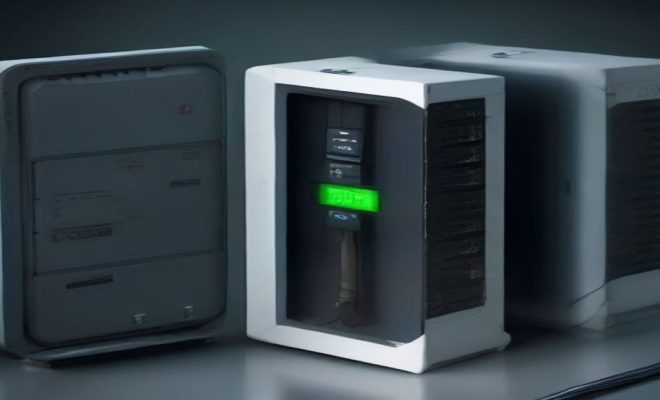
It’s no secret that the United States is in the midst of a massive energy transformation. For decades, the rhythm of our grid was dictated by massive, centralized power plants burning fossil fuels. But something profound is happening, and it’s happening faster than many realize. We’re talking about a quiet revolution, one powered by sunlight and a rapidly advancing technology that’s changing everything: battery storage renewable energy. This isn’t just about environmental idealism; it’s about hard economic realities, energy independence, and a fundamental shift in how we power our homes and businesses.
Think about it: the first quarter of 2026 saw solar and energy storage technologies absolutely shatter records in the U.S. They accounted for a staggering 91% of all new grid capacity added during that period. Let that sink in for a moment. Nearly all new power coming online in America is now clean, intermittent power, backed up by the incredible flexibility of modern battery systems. And for the first time in history, in May 2026, solar power actually generated more electricity than coal. This isn’t just a blip; it’s a turning point, with solar now supplying nearly 13% of America’s total electricity needs. This surge isn’t accidental; it’s a direct response to rising electricity demand, the urgent need for reliable, low-cost power, and a craving for energy resources that can be deployed quickly and efficiently. The implications for consumers, the economy, and our planet are immense.
1. The Unprecedented Rise of Solar and Storage: A New Energy Dawn
Let’s get specific about those numbers because they tell an incredible story. When you hear that solar and energy storage accounted for 91% of all new grid capacity added in Q1 2026, it’s not just a statistic; it’s a declaration. It means the vast majority of new power generation infrastructure being built in the U.S. today is centered around these two complementary technologies. This isn’t a future projection; it’s our present reality. The days of solely relying on massive, coal-fired or natural gas plants to meet growing demand are quickly fading into the rearview mirror.
This rapid deployment highlights a fundamental shift in investment and policy. Developers, utilities, and even homeowners are recognizing the immense value of clean, domestically produced energy. The economics are now overwhelmingly in favor of solar, especially when paired with battery storage renewable energy solutions. The costs have plummeted over the last decade, making solar power the cheapest form of new electricity generation in many parts of the country. And with battery storage, the traditional Achilles’ heel of renewables – intermittency – is being effectively addressed, turning sunshine into reliable, dispatchable power whenever it’s needed.
2. Solar Surpasses Coal: A Historic Milestone Achieved
May 2026 marked an absolutely historic moment for the U.S. energy landscape: solar power generated more electricity than coal. Think about the symbolism of that. For generations, coal was synonymous with American power, fueling industrial growth and lighting our cities. To see a cleaner, renewable source surpass it, even if for a single month, is a powerful indicator of how far we’ve come and how quickly the transition is accelerating. It’s a testament to the scale and efficiency that solar technology has reached.
This isn’t just about bragging rights; it has profound implications for public health, environmental quality, and even international relations. Less coal means fewer greenhouse gas emissions, cleaner air, and a significant step forward in combating climate change. It also means reducing our reliance on a fuel source with volatile market prices and significant environmental externalities. This milestone demonstrates that the shift to renewables isn’t just aspirational; it’s a tangible, measurable reality that’s reshaping our energy mix for the better. Solar, now supplying nearly 13% of America’s electricity, is a major player, and it’s still growing.
3. California’s Battery Fleet: A Glimpse into the Future
If you want to see what a future powered by battery storage renewable energy looks like, cast your eyes to California. The Golden State has long been a trailblazer in renewable energy, and its commitment to large-scale battery deployment is truly remarkable. On July 9th, California’s battery fleet discharged a record 12.99 gigawatts. To put that in perspective, that’s enough power to meet a significant chunk of a large state’s demand. More impressively, this massive discharge covered 36% of California’s energy demand during peak evening hours.
Why is this so important? Peak evening hours are traditionally the most challenging for grids reliant on solar. As the sun sets, solar generation drops off precisely when people come home, turn on lights, cook dinner, and crank up the AC. This is the infamous ‘duck curve’ problem. California’s experience proves that utility-scale battery storage is the solution. It soaks up excess solar power during the day when generation is abundant and then releases it precisely when the grid needs it most, smoothing out demand spikes and ensuring reliability. This isn’t just theoretical; it’s happening, at scale, and it’s keeping the lights on in one of the world’s largest economies.
4. Driving Forces Behind the Surge: Demand, Reliability, and Speed
The acceleration of battery storage renewable energy isn’t happening in a vacuum. It’s being propelled by several fundamental market forces. First, electricity demand is rising. As populations grow, industries expand, and we electrify more aspects of our lives – from transportation to heating – the need for power only increases. This isn’t a static target; it’s a constantly moving one, and our energy infrastructure needs to keep pace.
Second, reliability is paramount. No one wants blackouts, and grid operators are under immense pressure to ensure a stable and consistent power supply. Traditional fossil fuel plants offer dispatchable power, meaning they can be turned on or ramped up when needed. Batteries provide a similar, if not superior, level of dispatchability for shorter durations, reacting almost instantaneously to grid needs. They act as shock absorbers for the grid, preventing disruptions and ensuring stability. Finally, the speed of deployment is a huge factor. Building a new fossil fuel power plant can take years, even a decade, navigating complex permitting and construction processes. Solar farms and battery storage facilities can be designed, permitted, and built in a fraction of that time, making them incredibly attractive for meeting urgent energy needs. (See: energy storage and solar power trends.)
5. Economic Benefits for Consumers: Lowering Utility Costs
Let’s talk about something that hits everyone’s wallet: utility costs. The expansion of battery storage renewable energy directly impacts what you pay for electricity, and generally, it’s good news. As more low-cost renewable energy, backed by storage, comes online, it displaces more expensive, often fossil-fuel-generated power. This can lead to downward pressure on wholesale electricity prices, which eventually translates into lower bills for consumers.
Furthermore, batteries help utilities avoid costly infrastructure upgrades. Instead of building new peaker plants (expensive, often gas-fired facilities that only run during periods of high demand), utilities can deploy battery storage to meet those peak loads more efficiently and at a lower operational cost. For homeowners, installing a solar-plus-battery system can provide even more direct savings. You can store excess solar power generated during the day and use it at night, avoiding high peak-time electricity rates. This ability to self-consume and reduce reliance on grid purchases offers a powerful hedge against rising utility prices, giving consumers greater control over their energy expenses. For more context, see using IFTTT with smart home technology. We covered solar power innovations in more detail.
6. Energy Independence and Grid Resilience: A National Imperative
The conversation around energy often circles back to independence and security. Relying on a diverse mix of domestic energy sources strengthens a nation’s position and reduces vulnerability to global market fluctuations or geopolitical instability. Battery storage renewable energy plays a crucial role here. Sunlight, wind, and the materials for batteries are largely domestic resources, reducing our reliance on imported fuels.
Beyond independence, grid resilience is a massive benefit. A decentralized energy system, where power can be generated and stored closer to where it’s consumed, is inherently more robust. When a major storm hits, or a critical transmission line goes down, a grid with distributed solar and battery storage systems is better equipped to prevent widespread outages. Microgrids, powered by local renewables and batteries, can ‘island’ themselves from the main grid during emergencies, providing continuous power to essential services like hospitals or emergency shelters. This enhanced resilience is not just a convenience; it’s a national security advantage.
7. Investment Opportunities and the Green Economy: Fueling Growth
The massive build-out of battery storage renewable energy infrastructure isn’t just an engineering feat; it’s an economic engine. This sector is creating hundreds of thousands of jobs, from manufacturing and installation to research and development. It’s attracting significant investment, both from established energy companies and a new wave of green tech startups. For investors, the opportunities are enormous, whether in publicly traded companies leading the charge, specialized green energy funds, or even private equity ventures focused on large-scale project development.
The commercial intent behind searches like ‘best home battery storage,’ ‘solar panel installation cost,’ and ‘invest in renewable energy’ clearly demonstrates the public’s engagement and the market’s vibrancy. This isn’t a niche market anymore; it’s mainstream. The demand for innovative solutions, skilled labor, and efficient deployment strategies is driving continuous growth and technological advancement. It’s a virtuous cycle: investment fuels innovation, which lowers costs, which in turn attracts more investment and accelerates adoption.
8. Overcoming Challenges: The Road Ahead for Battery Storage
While the trajectory for battery storage renewable energy is undeniably positive, it’s important to acknowledge that challenges remain. Supply chain resilience, particularly for critical minerals like lithium, cobalt, and nickel, is a key concern. Geopolitical factors and the environmental impact of mining need careful management to ensure the sustainability of the entire lifecycle. Recycling infrastructure for retired batteries also needs to scale up significantly in the coming years.
Additionally, grid modernization efforts are essential. Our existing grid infrastructure, much of it built for a bygone era of centralized fossil fuels, needs significant upgrades to effectively integrate and manage a highly distributed, bidirectional flow of renewable energy. This includes advanced metering, smart grid technologies, and sophisticated control systems. Policy frameworks also need to keep pace, offering consistent incentives, streamlined permitting, and clear regulatory pathways to continue accelerating deployment and innovation.
9. The Future Is Bright: A Sustainable and Resilient Energy System
Looking ahead, the future of battery storage renewable energy is incredibly promising. We’re seeing continuous advancements in battery chemistry, leading to higher energy density, faster charging times, and even longer lifespans. Solid-state batteries, for example, hold the potential to revolutionize the industry by offering enhanced safety and performance. Beyond lithium-ion, research into alternatives like flow batteries, sodium-ion batteries, and even gravity-based storage solutions is expanding the toolkit for grid-scale applications.
This isn’t just about replacing old power sources; it’s about building a fundamentally better, more resilient, and more equitable energy system. One where power is cleaner, cheaper, and more accessible. The records broken in Q1 2026 and the historic moment of solar surpassing coal are not just fleeting headlines; they are clear indicators of a profound and lasting transformation. We’re witnessing the dawn of an energy era where the sun provides the fuel, and advanced battery storage ensures the power is there when we need it most, shaping a more sustainable future for all of us.
10. The Regulatory Landscape: Paving the Way for Progress
You can’t talk about such a massive energy transition without touching on the regulatory environment. Policy plays a huge role in either accelerating or hindering the adoption of battery storage renewable energy. Federal incentives, like the Investment Tax Credit (ITC) for solar and standalone storage, have been game-changers, making these technologies financially viable for a wider range of projects. These tax credits significantly reduce the upfront cost, making the return on investment much more attractive for developers and homeowners alike. (See: solar energy technology advancements.)
On a state level, many jurisdictions are setting ambitious renewable energy targets and implementing policies that specifically support battery storage. Things like Renewable Portfolio Standards (RPS) often include provisions for energy storage, pushing utilities to integrate more of it into their planning. Net metering policies, though they vary widely, also influence the economic viability of residential solar-plus-storage systems, allowing homeowners to earn credits for excess electricity sent back to the grid. The ongoing evolution of these policies, as regulators learn more about the benefits and complexities of a distributed grid, will be critical for maintaining momentum. Transparent, predictable regulatory frameworks reduce uncertainty for investors and developers, which is essential for continued growth.
11. Expert Perspectives: What Industry Leaders Are Saying
It’s always insightful to hear from the people at the forefront of this transformation. Many industry leaders emphasize that battery storage isn’t just an add-on; it’s fundamental to a renewable future. For instance, the CEO of a major utility recently highlighted that “storage is the glue that holds a modern, renewable grid together.” They’re seeing firsthand how batteries provide essential grid services, from frequency regulation to voltage support, which traditionally came from fossil fuel plants. For more context, see Zapier tips for enhancing productivity.
Energy analysts often point out that the cost declines for battery technology have outpaced even the most optimistic predictions from a decade ago. One prominent analyst noted, “We’re in a virtuous cycle where increased deployment leads to greater economies of scale, driving down costs even further, which then fuels more deployment.” They also stress the importance of software and artificial intelligence in optimizing battery performance, predicting demand, and dispatching power efficiently. It’s not just about the hardware; it’s about the intelligent systems that manage it all, turning raw capacity into smart, responsive energy assets.
12. Global Context: The U.S. in the Worldwide Energy Race
While the U.S. is making impressive strides, it’s helpful to view this progress within a global context. Countries like China, Australia, and parts of Europe are also heavily investing in battery storage renewable energy. China, for example, is a massive player in battery manufacturing and has aggressive targets for renewable energy deployment, often integrating large-scale storage projects. Australia, with its abundant solar resources, has seen record-breaking battery installations, including some of the largest in the world, specifically designed to stabilize their grid against extreme weather events.
This global race fosters innovation and competition, which ultimately benefits everyone through technological advancements and cost reductions. International collaboration on research and development, as well as sharing best practices in grid integration and policy, can accelerate the transition worldwide. The U.S. can learn from the experiences of other nations and also contribute its own unique innovations to the collective effort of decarbonizing the global energy system. Understanding these international dynamics helps us appreciate both the opportunities and the competitive pressures in this rapidly evolving sector.
13. The Role of Electric Vehicles (EVs) in Grid Storage
Here’s an exciting area where battery storage renewable energy could see another huge leap: electric vehicles. Think about it – millions of cars, each with a substantial battery pack, sitting idle for most of the day. This represents an enormous untapped storage capacity. Vehicle-to-Grid (V2G) technology, while still in its early stages of widespread adoption, allows EVs to not only charge from the grid but also to discharge electricity back into it when needed, or even power a home directly (Vehicle-to-Home or V2H). Related reading: latest in renewable tech.
Imagine a future where your EV charges during the day when solar power is abundant and cheap, then, during peak evening hours, it can supply a portion of its stored energy back to your home or even the wider grid, earning you credits. This distributed, mobile storage could significantly enhance grid resilience and efficiency, turning a potential grid burden (mass EV charging) into a powerful grid asset. Challenges remain, including battery degradation concerns, standardization, and establishing fair compensation mechanisms, but the potential for EVs to become a dynamic part of our energy storage infrastructure is immense and warrants close attention.
Frequently Asked Questions About Battery Storage Renewable Energy
Q1: What exactly is battery storage renewable energy?
A: It’s simply the combination of renewable energy sources, like solar or wind, with battery systems that can store the electricity generated. Since renewables produce power intermittently (when the sun shines or wind blows), batteries capture that energy for later use, making the renewable supply dispatchable and reliable, even when the source isn’t actively generating.
Q2: Why is battery storage so important for renewables?
A: Batteries solve the “intermittency problem” of renewables. Without storage, excess solar power generated during the day might go unused, and when the sun sets, other power sources (often fossil fuels) have to ramp up quickly. Batteries store that excess and release it when needed, balancing the grid, reducing waste, and maximizing the value of renewable generation.
Q3: What types of batteries are typically used for grid-scale storage?
A: The most common type is lithium-ion, similar to what’s in your phone or EV, but scaled up significantly. However, other technologies are gaining traction, such as flow batteries (which use liquid electrolytes), sodium-ion batteries, and even mechanical storage like pumped-hydro or gravity-based systems. The choice depends on factors like duration needed, cost, and specific application. For more context, see creating custom IFTTT automation. (See: impact of battery storage on energy systems.)
Q4: How long can battery storage systems typically provide power?
A: It varies widely. Residential systems might store enough power for a few hours or a day, depending on household consumption and battery size. Utility-scale systems can be designed for short-duration services (minutes to an hour for grid stability) or longer durations (4-8 hours, or even more for some flow batteries) to shift peak demand.
Q5: Is battery storage safe for homes and the grid?
A: Yes, modern battery storage systems, especially those designed for residential and grid applications, come with multiple layers of safety features and robust management systems. They undergo rigorous testing and adhere to strict safety standards. While any electrical system carries some inherent risk, incidents are rare, and the technology is continuously improving in safety and reliability.
Q6: What’s the lifespan of a typical battery storage system?
A: For high-quality residential and commercial systems, you can expect a lifespan of 10-15 years, with many manufacturers offering warranties in that range. Utility-scale batteries are often designed for similar or even longer operational lives, with performance gradually degrading over time, similar to a smartphone battery, but at a much slower rate.
Q7: How do battery storage systems benefit the environment?
A: By enabling more renewable energy to be integrated into the grid, batteries reduce reliance on fossil fuel power plants. This directly translates to lower greenhouse gas emissions, improved air quality, and a reduced carbon footprint. They also help minimize energy waste by storing surplus renewable energy that would otherwise be curtailed.
Q8: Can battery storage help during power outages?
A: Absolutely. If you have a solar-plus-battery system at home, it can be configured to act as a backup power source during grid outages. When the grid goes down, your system can automatically disconnect and continue to power essential loads in your home using stored energy and any ongoing solar generation. This provides significant peace of mind and energy security.
Q9: What are the biggest challenges facing battery storage adoption?
A: Key challenges include the cost of batteries (though rapidly decreasing), supply chain reliability for critical minerals, the need for robust recycling infrastructure, and the complexity of integrating highly distributed energy resources into an aging grid. Regulatory frameworks and public awareness also play a role in overcoming these hurdles.
Q10: How do I get a battery storage system for my home?
A: The most common way is to integrate it with a new or existing rooftop solar panel installation. You’d typically contact a reputable solar installer who can assess your energy needs, design a suitable system, and handle the installation and permitting process. Many installers offer financing options to make it more accessible.
Trending Now
Frequently Asked Questions
How is battery storage changing the energy landscape in the US?
Battery storage is revolutionizing the US energy landscape by enabling the efficient use of renewable energy sources like solar. This technology allows for the capture and storage of energy generated during peak sunlight hours, which can then be used during periods of high demand, thus reducing reliance on fossil fuels and enhancing grid stability.
What percentage of new energy capacity is solar and battery storage?
In the first quarter of 2026, solar and energy storage technologies accounted for an astonishing 91% of all new grid capacity added in the United States. This highlights a significant shift towards clean energy sources in the nation's power generation infrastructure.
How does battery storage impact electricity bills for consumers?
Battery storage can lower electricity bills for consumers by enabling the use of stored energy during peak pricing periods. By using stored solar energy instead of purchasing electricity from the grid when prices are high, consumers can save money and increase their energy independence.
What are the benefits of solar power in the US?
Solar power offers numerous benefits, including reducing greenhouse gas emissions, decreasing electricity costs, and increasing energy independence. As of May 2026, solar has surpassed coal in electricity generation, supplying nearly 13% of the country's total electricity needs, marking a significant shift towards cleaner energy.
Why is battery storage considered essential for renewable energy?
Battery storage is essential for renewable energy because it addresses the intermittent nature of sources like solar and wind. By storing excess energy generated during peak production times, battery systems ensure a reliable power supply, enabling a smoother transition to a renewable energy-dominated grid.
Agree or disagree? Drop a comment and tell us what you think.