How to set up mining software
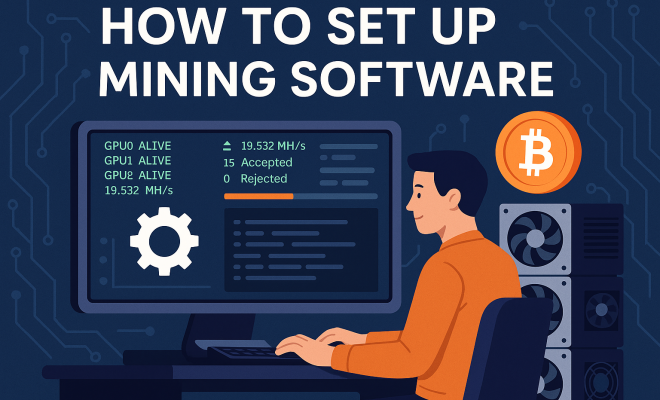
“`html
In the world of cryptocurrency and blockchain, mining software setup is a crucial component for anyone looking to earn digital currencies. Whether you’re a seasoned miner or a complete novice, understanding how to effectively set up your mining software can significantly influence your profitability and overall experience. This guide will take you through the essential steps, considerations, and tips to make your mining software setup as efficient as possible.
1. Understanding Mining Software
Mining software is the interface that connects miners to the blockchain network to validate transactions and create new coins. When you mine cryptocurrency, you’re essentially solving complex mathematical problems, and mining software facilitates this process by communicating with your hardware and the blockchain.
There are various types of mining software tailored to different cryptocurrencies, each with its own set of features. Understanding the specific software required for the cryptocurrency you aim to mine is essential. For example, Bitcoin typically requires different software than Ethereum or Monero. Familiarity with the capabilities and requirements of each type of mining software can help you choose the right one for your needs.
2. Choosing the Right Mining Software
With numerous mining software options available, choosing the right one is essential for successful mining operations. Popular mining programs include CGMiner, BFGMiner, and EasyMiner, among others. Each software has unique features, so it’s crucial to consider your specific needs.
Before making a selection, assess factors such as ease of use, compatibility with your hardware, supported cryptocurrencies, and community support. Also, look for software that allows for customization, enabling you to optimize your mining performance. An informed choice will not only enhance your mining efficiency but also your overall experience.
3. System Requirements for Mining Software
Every mining software comes with its own system requirements, which can vary based on the cryptocurrency and the software itself. Generally, most mining software requires a robust computer system with a good CPU and, often, a dedicated GPU for enhanced performance.
Ensure your hardware meets or exceeds these requirements to avoid performance bottlenecks. A reliable internet connection is also vital to maintain consistent communication with the blockchain. Additionally, you’ll want to consider the operating system compatibility, as some software may only run on Windows, while others are optimized for Linux or Mac.
4. Setting Up Your Mining Software
Once you’ve chosen your mining software and ensured your system meets the requirements, it’s time to set it up. Start by downloading the software from the official website to avoid malware risks. Follow the installation instructions carefully, as each software application may have specific steps.
During the setup process, you’ll typically need to configure your mining pool settings, including entering the pool URL and your wallet address. This information is crucial for directing your mined coins to your wallet. Take care to input this information accurately, as mistakes can lead to lost earnings.
5. Mining Pools vs. Solo Mining
When it comes to mining software setup, one important decision is whether to mine solo or join a mining pool. Solo mining means you mine on your own, which can be rewarding but also entails high risks and lower chances of consistent payouts due to the competitive nature of mining.
On the other hand, mining pools combine the power of multiple miners, increasing the chances of successfully mining blocks. This collaborative effort results in more frequent, albeit smaller, payouts. Many miners prefer joining a pool for stability in earnings, especially if they’re just starting out.
6. Configuring Your Software for Optimal Performance
Once your mining software is installed and linked to your chosen mining pool, it’s time to optimize your configuration. Adjust settings such as the intensity of mining, which controls how much of your system’s resources are allocated to mining. Finding the right balance is key, as overutilizing your hardware can lead to overheating or system crashes. (See: Understanding Bitcoin mining processes.)
Consider utilizing benchmarking tools to determine the optimal settings for your specific hardware. You can also experiment with different settings to see what yields the best performance while keeping your system stable. Regularly monitoring performance metrics can help you make informed adjustments as needed.
7. Security Measures for Your Mining Setup
The world of cryptocurrency is rife with threats, so securing your mining setup is paramount. Start by ensuring your software is up-to-date, as developers frequently release patches to fix vulnerabilities. Additionally, consider using a reputable antivirus program to protect against malware.
It’s also wise to employ strong passwords and enable two-factor authentication (2FA) on your mining pool accounts. Data breaches can occur, and protecting your accounts with an additional layer of security can prevent unauthorized access. Always back up your wallet and recovery phrases to ensure that you don’t lose access to your funds.
8. Monitoring and Maintenance
After your mining software setup is complete, ongoing monitoring and maintenance are crucial for sustained performance. Use software tools to track your mining statistics, including hash rate, temperature, and power consumption. These metrics can help you identify any issues before they become significant problems.
Regular maintenance of your hardware is also essential. Dust buildup can lead to overheating and reduced efficiency, so ensure you clean your mining rig periodically. Upgrading hardware components as needed can help keep your system competitive in the ever-evolving mining landscape.
9. Staying Informed: Trends and Updates in Mining Software
The mining landscape is constantly changing, with new technologies and software updates emerging regularly. Staying informed about the latest developments can give you a competitive edge. Follow reputable cryptocurrency news sources, join forums, and engage with other miners to share insights and learn from each other’s experiences.
Pay attention to changes in algorithms, new mining software releases, and updates from cryptocurrency projects. Trends like the shift towards proof-of-stake (PoS) mechanisms are also relevant, as they can impact the viability of traditional mining methods. Keeping abreast of these trends will help you adapt your strategy and maintain profitability in the long run.
10. Common Mistakes in Mining Software Setup
Even experienced miners can make mistakes that lead to reduced profitability or even losses. Here are some common pitfalls to avoid:
- Neglecting Hardware Compatibility: Always ensure your mining software is compatible with your hardware specifications. Running software on inadequate hardware can lead to inefficiencies and downtime.
- Ignoring Updates: Failures to update your mining software can leave you vulnerable to bugs and security risks. Regularly check for updates to ensure optimal performance and security.
- Insufficient Power Supply: Mining can consume a significant amount of electricity. Make sure your power supply unit (PSU) is robust enough to handle your mining rig. An underpowered PSU can lead to system crashes and potential hardware damage.
- Poor Network Configuration: A stable internet connection is crucial for mining. Ensure that your network settings are configured correctly and that your connection is reliable to avoid interruptions.
11. Advanced Configuration Options
For those who want to take their mining setup to the next level, there are advanced configuration options to consider. These allow for enhanced performance and efficacy:
Overclocking: This process involves increasing the clock speed of your GPU or CPU beyond the manufacturer’s specifications. While it can lead to higher hash rates, it also generates more heat and may require better cooling solutions.
Custom Mining Pool Configuration: Some mining pools allow for custom configurations that can optimize your earnings strategy. For example, you might choose to mine less popular altcoins that have lower difficulty levels, leading to more frequent payouts.
Utilizing Multiple Mining Software: Some miners use multiple software applications to leverage the strengths of each. This mixed approach can maximize profitability by enabling the miner to switch between coins based on real-time market conditions.
12. Statistics and Profitability Analysis
Understanding the profitability of your mining operation is crucial for making informed decisions. Several factors impact profitability, including the cost of electricity, hardware efficiency, and the current market price of the coin being mined.
According to recent statistics, the average electricity cost for mining can vary significantly by location, ranging from $0.03 to $0.20 per kWh. Miners in areas with lower electricity costs can have a competitive advantage. Additionally, the price of cryptocurrencies can fluctuate wildly; for instance, in 2021, Bitcoin experienced highs of over $60,000 before correcting to around $30,000 later that year. (See: Research on cryptocurrency mining software.)
Analyzing your mining profitability might include using profitability calculators available online, which take into account hash rate, power consumption, pool fees, and electricity costs. Keeping track of these metrics can help you decide whether to continue mining a specific coin or switch to a more profitable option.
13. Expert Perspectives on Mining Software
Industry experts often emphasize the importance of adapting to market changes and technological advancements. For instance, Dan Held, a well-known figure in the crypto space, suggests that successful miners should consider diversifying their mining activities across multiple cryptocurrencies to mitigate risk.
Moreover, experts recommend being vigilant about regulatory changes in the cryptocurrency space, as these can impact mining operations. Countries like China have made significant shifts in their stance towards cryptocurrency mining, affecting global hash rates and competition.
14. Frequently Asked Questions (FAQ)
What is the best mining software for beginners?
For beginners, EasyMiner is a popular choice due to its user-friendly interface. It simplifies the mining process and provides a graphical representation of your mining activities, making it easier for newcomers to understand the basics.
Can I mine cryptocurrency on my laptop?
While it’s technically possible to mine on a laptop, it’s generally not recommended due to thermal limitations and efficiency issues. Laptops lack the cooling solutions needed for sustained mining operations and can suffer from overheating.
How can I increase my mining profits?
To maximize your mining profits, consider optimizing your setup’s power consumption, joining mining pools, and staying updated on market trends and coin prices. Investing in energy-efficient hardware can also significantly impact your bottom line.
Is mining still profitable in 2023?
Mining can still be profitable in 2023, but it heavily depends on factors like electricity costs, hardware efficiency, and cryptocurrency market prices. Conducting thorough research and maintaining flexibility in your strategy will help you adapt to changing conditions.
What are the risks of mining?
Risks of mining include hardware failure, fluctuations in cryptocurrency prices, increased competition, and regulatory issues. Proper planning and diversification of your mining portfolio can help mitigate some of these risks.
Do I need a powerful computer to mine?
A powerful computer with a good CPU and dedicated GPU is generally necessary for efficient mining. The specific requirements can vary based on the cryptocurrency you intend to mine. Always check the software requirements before investing in hardware.
What are mining pools, and how do they work?
Mining pools are groups of miners who combine their computational resources to increase the likelihood of solving blocks. The rewards are distributed among all members based on their contributions to the pool’s total hash rate. This way, miners experience more consistent payouts compared to solo mining.
15. The Future of Mining Software
As the cryptocurrency landscape evolves, so too will mining software. Innovations such as artificial intelligence and machine learning might be integrated to enhance mining efficiency, predict market movements, and optimize performance metrics in real-time. Additionally, as regulations tighten globally, mining software may begin to include more compliance features to help miners adhere to new laws.
Furthermore, the rise of renewable energy sources is likely to influence mining strategies. Miners are increasingly turning to solar and wind power to reduce costs and improve sustainability. This shift can possibly lead to the development of new mining software that not only helps track performance but also integrates energy sourcing to optimize costs. (See: Impact of mining on the environment.)
16. Environmental Impact of Mining
Mining cryptocurrency has often been criticized for its environmental impact, primarily due to the high energy consumption associated with proof-of-work mining. The Bitcoin network, for example, has been reported to consume more electricity than some countries. This has led to increased scrutiny and calls for greener practices within the industry.
In response, many miners are actively seeking solutions to mitigate their environmental footprint. This includes transitioning to renewable energy sources for mining operations, utilizing energy-efficient hardware, and engaging in carbon offset programs. For instance, some mining farms are now located in regions where excess renewable energy is available, reducing reliance on fossil fuels. By adopting these practices, the industry aims to balance profitability with sustainability.
17. The Role of ASICs in Mining
Application-Specific Integrated Circuits (ASICs) have revolutionized the mining landscape. These devices are designed specifically for mining cryptocurrencies, offering unparalleled efficiency and hash power compared to general-purpose hardware like CPUs and GPUs. While they can be costly, ASICs can dramatically improve your mining output, making them a popular choice among serious miners.
However, the introduction of ASICs has led to increased competition and centralization within mining pools. Because ASICs are so powerful, miners using them can dominate the mining process, which can discourage smaller miners using traditional hardware from participating. This has sparked discussions about the need for more diverse mining solutions that allow for equitable participation across different mining technologies.
18. Impact of Network Difficulty on Mining
Mining difficulty is a critical metric that determines how hard it is to find a new block in the blockchain. This difficulty level is adjusted periodically based on the total computational power of the network. When more miners join, the difficulty increases to maintain a consistent block generation time.
For miners, this means that your potential profitability can be affected by changes in network difficulty. If you’re not keeping up with upgrades or improvements in your mining setup, you may find it increasingly challenging to compete. Monitoring network difficulty trends can help you make informed decisions about when to mine or if it’s time to upgrade your hardware to remain profitable.
19. Community and Support Resources
The mining community is vast and often very supportive. Online forums, social media groups, and dedicated cryptocurrency platforms are excellent places for miners to connect, share experiences, and seek advice. Platforms like Reddit and Discord host vibrant communities where you can ask questions, troubleshoot issues, and stay up-to-date with the latest mining trends and technologies.
Aside from peer support, there are also numerous resources available for learning the ins and outs of mining. YouTube channels, blogs, and webinars often provide tutorials, reviews, and insights from experienced miners. Engaging with these communities can enhance your understanding and enhance your mining operation’s success.
Understanding the dynamics of mining software setup is essential for anyone looking to engage in cryptocurrency mining. With the right tools, knowledge, and strategies, you can navigate this complex space more effectively and potentially realize significant rewards.
“`
Trending Now
Frequently Asked Questions
What is mining software in cryptocurrency?
Mining software is the interface that connects miners to a blockchain network, allowing them to validate transactions and create new coins. It facilitates the process of solving complex mathematical problems necessary for mining and communicates with both the hardware and the blockchain.
How do I choose the right mining software?
To choose the right mining software, consider factors such as ease of use, compatibility with your hardware, supported cryptocurrencies, and community support. Popular options include CGMiner, BFGMiner, and EasyMiner, each offering unique features tailored to different mining needs.
What are the system requirements for mining software?
System requirements for mining software vary depending on the specific program and the cryptocurrency being mined. Generally, you will need a compatible operating system, sufficient RAM, a powerful GPU or ASIC miner, and adequate storage space to effectively run the mining software.
Can I mine different cryptocurrencies with the same software?
Some mining software supports multiple cryptocurrencies, while others are designed for specific coins. It's essential to check the software's compatibility with the cryptocurrencies you intend to mine to ensure optimal performance and efficiency.
Is mining software easy to set up for beginners?
While some mining software can be complex, many options are designed with user-friendliness in mind. Beginners can find software like EasyMiner that offers straightforward setup processes and guides, making it easier to start mining without extensive technical knowledge.
What did we miss? Let us know in the comments and join the conversation.