Why Silent Walking Is the Self-Care Trend Everyone’s Talking About
“`html
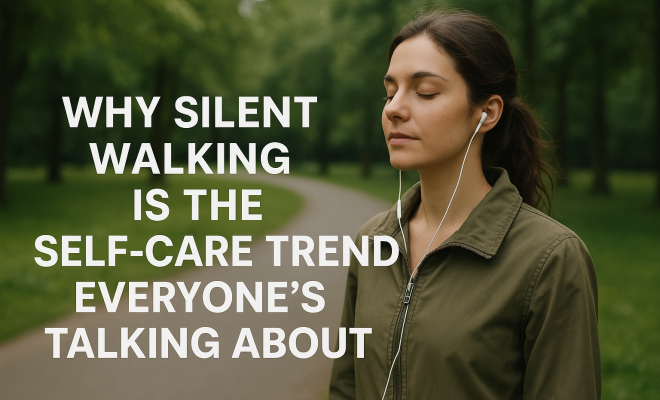
In an age brimming with digital noise and constant stimulation, a new self-care trend has emerged that invites people to embrace simplicity: silent walking. Imagine stepping outside and savoring the world around you without the interference of music, podcasts, or social media. This practice encourages individuals to engage solely with their surroundings and their thoughts. But what exactly is silent walking, and why is it gaining traction as a method for calming the mind and refreshing the spirit?
The Genesis of Silent Walking
The concept of silent walking is straightforward yet profound. It involves taking walks while intentionally avoiding distractions. No earbuds, no scrolling on your phone, just you and the world. This practice taps into the growing need for self-care methods that are not only effective but also accessible and inexpensive.
Originating as a counter-movement to our overstimulated lives, silent walking has seen a notable rise in popularity over the past couple of years. Mental health experts have long advocated for mindfulness practices as a way to manage stress and anxiety. Silent walking aligns perfectly with this ideology by providing an opportunity to engage in a mindful experience that prioritizes presence over distraction.
Why Now? The Context of Our Overstressed Lives
The modern world is rife with burnout and overstimulation. According to a survey by Gallup, approximately 76% of employees experience burnout on the job at least sometimes, and 28% report feeling burned out often. This epidemic of burnout has led many to seek out simple, effective means to reconnect with themselves. Silent walking presents an antidote to the chaos, offering a moment of respite in a demanding world.
As individuals grapple with the pressures of work, social obligations, and the incessant barrage of digital notifications, a movement towards minimalism in self-care has begun. Silent walking fits perfectly into this narrative by emphasizing the act of doing less as a pathway to mental clarity and wellbeing. It encourages individuals to step away from their screens and reconnect with the basic yet profound act of walking.
Exploring the Benefits of Silent Walking
Advocates of silent walking suggest that it provides a myriad of benefits for mental and physical health. Here are several key advantages:
- Mental Clarity: By reducing distractions and focusing on the environment, silent walking can enhance cognitive function and creativity. The brain has a unique way of processing thoughts when it isn’t bombarded with external stimuli.
- Stress Reduction: Engaging with nature has been shown to lower cortisol levels, the hormone associated with stress. Silent walking allows individuals to immerse themselves in their surroundings, promoting relaxation.
- Heightened Awareness: This practice encourages mindfulness, as walkers become attuned to the sights, sounds, and smells around them. This heightened awareness can lead to deeper insights and a greater appreciation of the world.
- Enhanced Mood: Studies indicate that spending time outdoors can significantly improve mood and overall well-being. Silent walking offers an immediate mood boost, fostering feelings of happiness and contentment.
- Physical Exercise: Walking, even without the additional motivation of music, provides essential physical activity. Regular walking can help maintain a healthy weight, strengthen bones, and improve cardiovascular health.
How to Start Your Silent Walking Journey
Ready to incorporate silent walking into your routine? Here’s a simple guide to help you get started:
- Find Your Space: Choose a location that offers a pleasant environment—this could be a local park, beach, or even your neighborhood. Look for places where you can feel safe and comfortable.
- Set Aside Time: Dedicate a specific time for your walks. Whether it’s 10 minutes during your lunch break or an hour in the morning, consistency is key.
- Leave Distractions Behind: Before you step outside, ensure that your phone is silenced and that you’re not bringing any entertainment devices with you. This is your time to unplug.
- Engage Your Senses: As you walk, pay attention to your surroundings. Notice the colors of the leaves, the texture of the ground beneath your feet, and the sounds of nature. Allow yourself to fully immerse in the experience.
- Reflect: After your walk, take a moment to reflect on how you feel. Consider jotting down your thoughts in a journal to track the impact of silent walking on your mental health.
The Social Media Influence
As silent walking gains popularity, social media platforms have played a significant role in its promotion. Users are sharing their experiences, tips, and the serene beauty they encounter during their walks. Hashtags like #SilentWalking and #MindfulWalking are trending, creating a sense of community among practitioners.
This social media influence contributes to the fear of missing out (FOMO) phenomenon. People feel compelled to join the trend, partly due to the shareability of the experience itself. It’s easy to document visually, creating an appealing narrative that invites others to try it. Photos of tranquil nature scenes paired with reflections on personal wellness resonate with a wide audience, further fueling the movement.
Expert Perspectives on Silent Walking
Mental health professionals have begun to take notice of silent walking and its potential benefits. Dr. Sarah Johnson, a clinical psychologist specializing in mindfulness practices, emphasizes that silent walking can be a powerful tool for managing anxiety. “When we disengage from technology and focus on the present moment, we give our minds a chance to reset,” she explains. (See: mindfulness practices and mental health.)
Similarly, Dr. Mark Thompson, a wellness expert, highlights the importance of integrating physical movement with mental health practices. “Combining walking with mindfulness creates a holistic approach to well-being. It’s not just about the physical exercise but also about nurturing the mind and spirit,” he states.
The Science Behind Mindfulness and Walking
Research supports the concept that mindfulness, such as that fostered through silent walking, can have profound impacts on mental health. A study published in the journal Psychological Science found that individuals who engaged in mindful walking experienced significant reductions in anxiety and depressive symptoms.
Moreover, a review of studies in the Journal of Happiness Studies suggests that exposure to natural environments leads to improved emotional well-being, a foundational pillar of silent walking. The combination of physical activity and mindfulness resonates deeply with the brain’s neural pathways, leading to lasting improvements in mood and mental clarity.
Challenges and Considerations
Despite the many benefits, silent walking isn’t without its challenges. For some, silence can feel uncomfortable or even overwhelming. If you’re used to constant stimulation, the absence of sound may amplify your thoughts or feelings, which can be daunting.
To combat this, start with shorter walks, gradually increasing the duration as you become more accustomed to the practice. Consider incorporating brief moments of silent reflection into your existing routines before fully committing to longer silent walking sessions.
Additionally, adverse weather conditions or unsafe environments can hinder the experience. Always prioritize your safety and comfort, choosing times and places that allow you to fully engage with the practice.
Silent Walking as a Long-Term Habit
For those who find peace and clarity in silent walking, it can easily become a long-term habit. Many enthusiasts report that it helps them ground themselves amidst the chaos of daily life. Creating a routine that incorporates silent walks can lead to sustained benefits over time.
Consider scheduling silent walks as a regular part of your week—perhaps as a weekly ritual to reflect and recharge. This consistent practice can help you manage stress, improve focus, and cultivate a deeper connection with both yourself and your surroundings.
Embracing Nature through Silent Walking
One of the most compelling aspects of silent walking is its synergy with nature. Research shows that spending time outdoors can significantly enhance your mental health. The beauty of nature provides a backdrop that can amplify the benefits of the practice. Instead of merely moving through space, you’re enveloped in a rich tapestry of sights, sounds, and smells that stimulate the senses in a non-overwhelming way.
For instance, a study published in Environmental Health Perspectives found that individuals who spent time in natural settings reported lower levels of anxiety and greater overall satisfaction with life. The natural environment has a calming effect that can enhance the meditative aspect of silent walking.
Engaging in silent walking in different natural settings—like forests, mountains, or even urban green spaces—can provide varied experiences. Each environment offers unique sights and sounds that stimulate different emotions. A walk through a forest with the rustling of leaves might evoke a sense of peace, while a coastal walk with waves crashing can inspire a feeling of freedom. (See: importance of mental health.)
Silent Walking in Different Cultures
Silent walking isn’t just a modern phenomenon; it has roots in various cultures around the world. In Japan, for example, the practice of “Shinrin-yoku,” or forest bathing, has become a popular way to connect with nature. This practice encourages mindfulness in a natural setting, similar to silent walking, and has been shown to reduce stress and improve overall health.
In Buddhist traditions, walking meditation is a well-established practice where individuals focus on the act of walking and their breathing, cultivating mindfulness with each step. The goal is to be fully present in the moment, much like in silent walking.
Exploring silent walking through these cultural lenses can enrich your understanding of its benefits and importance. Each tradition brings its unique perspective, emphasizing the universal value of finding stillness in our fast-paced lives.
Statistics Supporting the Rise of Silent Walking
The trend of silent walking is gaining momentum across various demographics. According to a recent study by the American Psychological Association, around 60% of adults reported seeking outdoor activities as a primary means of coping with stress during the pandemic. Silent walking emerged as a simple yet effective method to engage with the outdoors while fostering mental well-being.
Furthermore, a survey from the Outdoor Foundation revealed that nearly 76% of Americans expressed interest in participating in outdoor activities, with hiking and walking being among the top choices. This statistic highlights the growing recognition of the connection between nature, physical activity, and mental health.
As more people embrace silent walking, community groups and local organizations are beginning to offer guided silent walks. This development not only promotes the practice but also fosters a sense of community among participants, further enhancing the overall experience.
Frequently Asked Questions About Silent Walking
What should I wear for silent walking?
Comfortable, weather-appropriate clothing and sturdy shoes are essential. If you’re walking on trails or uneven surfaces, consider hiking boots or shoes with good traction.
How long should I walk?
Start with 10-15 minutes and gradually increase to 30 minutes or more, depending on your comfort level. The goal is to find a duration that feels right for you without feeling rushed.
Can I do silent walking with a friend?
While silent walking is often an individual practice, you can walk with a friend as long as both of you agree to maintain silence. This can create a shared experience that enhances personal reflection.
What if I feel uncomfortable in silence?
It’s normal to feel uneasy at first. To ease into it, try practicing short periods of silence in your daily life, such as during a coffee break or a few minutes at home.
Is silent walking suitable for everyone?
Yes, silent walking can be adapted to different fitness levels and preferences. It’s a low-impact activity, making it accessible for most people, but always consult with a healthcare provider if you have specific health concerns.
Integrating Silent Walking into Daily Life
Incorporating silent walking into your everyday routine can be a game-changer. It doesn’t have to be long or complicated; even a few minutes can make a difference. Here are some tips on how to seamlessly weave silent walking into the fabric of your day:
- Morning Ritual: Consider starting your day with a short silent walk instead of reaching for your phone. This can set a positive tone for your day and enhance clarity.
- Lunch Break: Instead of scrolling through social media during your lunch break, opt for a quiet walk outside. This can be refreshing and help clear your mind, boosting your productivity for the rest of the day.
- Evening Wind Down: After a long day, take a silent walk in your neighborhood or a nearby park to unwind. Pay attention to the changing sounds and sights as day turns to night, which can be a calming experience.
Silent Walking for Families
Silent walking can also be a fantastic activity for families. It can help kids learn to appreciate nature while promoting mental well-being for everyone involved. Here are a few ideas on how families can engage in silent walking together:
- Nature Scavenger Hunt: Create a list of items to find during your silent walk. This gives children a purpose while still allowing them to engage in the practice of silence.
- Story Time on the Go: Share a story quietly as you walk, allowing everyone to visualize the narrative in their minds. This keeps the atmosphere serene while still fostering connection.
- Reflection Time: At the end of your family walk, sit down together in silence for a few moments. Ask everyone to share their favorite part of the walk or something new they noticed.
Silent Walking Retreats
As the popularity of silent walking grows, so do opportunities for retreats focused on this practice. Guided silent walking retreats offer a unique way to immerse yourself in nature and mindfulness. Participants typically spend several days walking in silence, often in serene, natural settings.
These retreats can provide an opportunity to disconnect from everyday distractions and reconnect with oneself. Participants often report feelings of rejuvenation and a deeper understanding of their thoughts and feelings after such an experience. Many retreat centers are now offering specialized programs that emphasize the benefits of silent walking, catering to individuals looking for an escape from the noise of modern life.
Conclusion: Embracing Simplicity in Self-Care
The rise of silent walking as a self-care trend reflects a profound shift towards simplicity in an increasingly complicated world. In a time when many feel overwhelmed by the demands of modern life, this practice serves as a gentle reminder that some of the most effective self-care habits don’t require elaborate setups or expensive memberships. Instead, they ask for only your time and attention.
As you consider incorporating silent walking into your routine, remember that the journey is just as significant as the destination. Take the time to embrace the stillness and discover the transformative power of walking in silence. It may just lead you to a clearer mind, a lighter spirit, and a newfound appreciation for the world around you.
“`
Trending Now
Frequently Asked Questions
What is silent walking?
Silent walking is a self-care practice that involves taking walks without any distractions, such as music, podcasts, or phone notifications. It encourages individuals to engage with their surroundings and thoughts, promoting mindfulness and presence in the moment.
Why is silent walking becoming popular?
Silent walking is gaining traction as it offers a simple and accessible way to combat burnout and overstimulation in our busy lives. It provides a mindful escape, allowing individuals to reconnect with themselves and their environment.
How does silent walking benefit mental health?
Silent walking benefits mental health by promoting mindfulness, reducing stress, and providing a break from digital distractions. This practice encourages individuals to focus on their thoughts and surroundings, which can help alleviate anxiety and improve overall well-being.
Can silent walking help with stress relief?
Yes, silent walking can be an effective method for stress relief. By stepping away from constant digital noise and engaging with nature or urban environments, individuals can find moments of calm and clarity, which are essential for managing stress.
What do you need to start silent walking?
To start silent walking, you simply need a comfortable pair of shoes and a willingness to disconnect from distractions. Find a peaceful location, step outside, and enjoy the experience of walking mindfully without any auditory interference.
What’s your take on this? Share your thoughts in the comments below — we read every one.