10 Essential Tips to Improve Webcam Quality Now
“`html
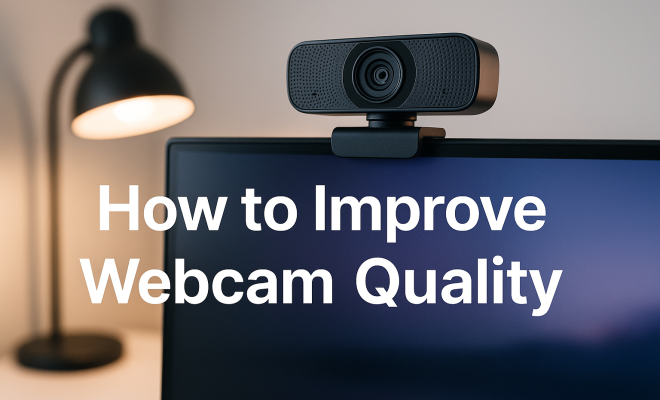
In today’s digital age, the importance of a clear and high-quality webcam feed has never been more significant. Whether you’re attending a video conference for work, catching up with family, or streaming your gaming sessions, the quality of your webcam can make or break your online experience. If you’ve been struggling with a fuzzy picture or poor lighting, don’t worry! Here are ten essential tips to improve webcam quality and elevate your video presence.
1. Upgrade Your Webcam
First and foremost, the simplest way to improve webcam quality is to invest in a better camera. Most built-in webcams on laptops are limited in resolution, often producing images at 720p or lower. In contrast, external webcams can offer 1080p or even 4K resolution, which can significantly enhance clarity. Popular choices from brands like Logitech and Razer provide models that are not only capable of delivering sharp images but also come equipped with features like autofocus and low-light correction.
Before making a purchase, consider your specific needs. If you primarily attend meetings, a decent 1080p webcam will suffice. However, for streaming or content creation, investing in a higher resolution might be worth it. Additionally, check user reviews and comparison videos to find the best fit for your requirements and budget.
2. Optimize Your Lighting
Good lighting is crucial for achieving high webcam quality. It can dramatically enhance your video feed, making your face clearer and your colors more vibrant. Natural light is one of the best options; position yourself facing a window during the day. This arrangement allows soft, diffused light to illuminate your face without harsh shadows.
If natural light isn’t available, consider investing in softbox lights or ring lights. These tools provide even lighting and reduce shadows, ensuring that your features are visible. Aim for a color temperature of around 5000K to 6000K for a natural look, and avoid overhead lights that can create unflattering shadows.
3. Adjust Your Camera Settings
If you’re using an external webcam, take the time to adjust its settings. Most webcams come with software that allows you to tweak various parameters such as brightness, contrast, saturation, and sharpness. Experiment with these settings until you find a configuration that looks best for your video feed.
Also, consider adjusting your webcam’s frame rate and resolution. Higher frame rates can create smoother videos, especially during fast movements, while higher resolutions yield clearer images. Keep in mind, however, that increasing these settings may require a more powerful computer to maintain performance without lag.
4. Choose the Right Background
Your background plays a significant role in the overall quality of your video feed. A cluttered or distracting background can detract from your presence on camera and reduce the focus on you. Ideally, opt for a simple, clean backdrop that doesn’t compete for attention. If you’re in a home office, make sure to tidy up and remove any distractions.
Alternatively, you can use a virtual background or blur your existing background with software like Zoom or OBS Studio. This feature can help maintain a professional appearance, especially if you’re in a less-than-ideal setting. Just remember that virtual backgrounds require a strong computer and good lighting to deliver optimal quality.
5. Maintain a Stable Internet Connection
Even with the best camera setup and lighting, a poor internet connection can severely hamper your webcam quality. To ensure a smooth video feed, it’s crucial to have a stable and robust internet connection. If possible, connect your computer directly to the router using an Ethernet cable, which usually provides faster and more reliable speeds than Wi-Fi.
Additionally, consider running a speed test to ensure your connection meets the minimum requirements for video calling. Most video conferencing platforms recommend download speeds of at least 1.5 Mbps for standard quality and up to 3 Mbps for HD quality. If your speed is lacking, consider upgrading your internet plan or reducing the number of devices connected during important calls.
6. Clean Your Lens
It might seem trivial, but cleaning your webcam lens can significantly improve image quality. Dust, fingerprints, and smudges can obscure your video feed, making you appear blurry or hazy. Use a microfiber cloth to gently wipe the lens before your call, ensuring you get a clear picture. (See: Wikipedia on webcams.)
For external webcams, ensure that the lens is positioned correctly and free from obstructions. If you’re using a built-in webcam, check that there are no stickers or covers blocking the lens. A simple cleaning process can enhance clarity and brightness, making a noticeable difference in your video quality.
7. Use High-Quality Audio
While discussing how to improve webcam quality, it’s essential to remember that video isn’t the only element that matters. High-quality audio can elevate the professionalism of your calls or streams, ensuring your audience can hear you clearly. Consider investing in a dedicated microphone, as built-in laptop microphones often pick up unnecessary background noise.
USB microphones are popular for their ease of use and plug-and-play functionality. Models like the Blue Yeti or Audio-Technica AT2020 offer excellent sound quality without breaking the bank. Additionally, test your audio settings prior to important calls to ensure you’re coming through clear without distortion or feedback.
8. Utilize Software Enhancements
Several software tools can help improve webcam quality by offering features like filters, enhancements, and adjustments. Programs like OBS Studio (Open Broadcaster Software) provide various options for adjusting your webcam feed, including color correction, brightness adjustments, and even virtual backgrounds.
Some video conferencing apps also come with built-in enhancements. For instance, Zoom offers touch-up features that can smooth out skin tones and enhance your appearance. Exploring these software options can give you additional control over your webcam feed, allowing you to look your best during video interactions.
9. Experiment with Composition
How you frame yourself on camera can greatly influence how others perceive you. Ideally, you should position yourself at eye level, which can be achieved by adjusting your chair or placing your webcam on a stack of books. This angle makes it easier for viewers to engage with you and creates a more inviting atmosphere.
Also, think about your positioning within the frame. Aim to have your head and shoulders visible, with some space above your head for a balanced look. Avoid sitting too close to the camera, as this can distort your proportions and create an unflattering appearance. By experimenting with composition, you can find the best setup that showcases you well on camera.
10. Practice Makes Perfect
Lastly, don’t underestimate the value of practice. The more you use your webcam, the more comfortable you’ll become with your setup. Take the time to rehearse speaking on camera or running through technical aspects of your setup before important meetings or streams. You might even record yourself to evaluate how you look and sound, allowing you to make necessary adjustments.
Improving webcam quality is not just about the hardware; it’s also about your delivery. Confidence can significantly enhance how you come across to your audience. So, practice your speaking skills, experiment with your environment, and refine your setup until you find what works best for you.
In a world increasingly reliant on virtual interactions, mastering how to improve webcam quality can help you stand out and make a lasting impression. By investing in the right equipment, optimizing your environment, and honing your skills, you can ensure that every video call or stream is a success.
11. Understanding Resolution and Frame Rate
When you’re trying to improve webcam quality, it’s essential to understand how resolution and frame rate affect your video feed. Resolution refers to the number of pixels that make up the image on your screen. Common resolutions for webcams are 720p (HD), 1080p (Full HD), and 4K. Higher resolutions provide clearer and more detailed images. If you’re in a well-lit environment and have a powerful computer, opting for 1080p or even 4K can enhance your clarity significantly.
Frame rate, measured in frames per second (fps), indicates how smoothly the video plays. Standard frame rates are 30 fps for most webcam interactions, but 60 fps is ideal for fast-paced content like gaming or live streaming. Higher frame rates can make a significant difference in motion quality, reducing blurriness during quick movements. If you’re working with a higher resolution at a faster frame rate, ensure your hardware can handle the load without performance issues.
12. Color Calibration
Color accuracy is another critical factor to consider when aiming to improve webcam quality. Sometimes, webcams can misrepresent colors due to inadequate calibration. Adjusting your webcam’s color settings can enhance your appearance dramatically. Use software that allows you to modify hue, saturation, and gamma to find the right balance for your skin tone and overall look. (See: CDC on ergonomics and video conferencing.)
If you’re serious about color accuracy, consider using a color calibration tool. These devices can help you achieve optimal color reproduction, ensuring that your camera represents you as accurately as possible. This can be particularly beneficial for content creators who want their video feeds to match their branding and style.
13. Monitor Your Bandwidth Usage
Bandwidth usage can drastically affect webcam quality during video calls. Streaming video feeds, especially in high-definition, can consume a large portion of your available bandwidth, leading to drops in quality or lag. Make sure to minimize other internet activities during your calls. Close streaming services, large downloads, and other applications that may be consuming bandwidth.
It may be useful to run a network analysis to identify devices that are hogging bandwidth. There are various tools, like NetSpot or Wireshark, that can help you monitor network traffic. Reducing competition for bandwidth can help you maintain a steady video feed throughout your call.
14. Engage with Your Audience
Improving webcam quality isn’t only about the technical aspects; engaging with your audience is equally important. Make eye contact with your camera, smile, and show enthusiasm in your voice. This level of engagement makes a significant difference in how your audience perceives your message. Studies have shown that viewers are more likely to stay engaged when they feel a personal connection with the presenter.
During live streams or calls, make an effort to address questions and comments from your audience. This interaction fosters a stronger connection and can lead to a more enjoyable experience for everyone involved. You can even try using physical gestures to emphasize points—just be mindful of your framing to ensure you remain within the shot.
15. Common Webcam Issues and Troubleshooting
Sometimes, despite your best efforts, you may still encounter issues with webcam quality. Here are some common problems and their solutions:
- Blurry Image: Check the lens for dirt or smudges. If it’s clean, try adjusting the focus settings in your webcam software.
- Lagging Video: This could be due to a slow internet connection or high CPU usage. Close any unnecessary applications running on your computer and ensure your internet connection is stable.
- Color Issues: If you notice that your colors seem off, use the color calibration settings in your webcam software to adjust saturation and hue.
- Audio Problems: If your audio seems distorted or too quiet, check your microphone settings. Ensure it’s positioned correctly and not obstructed. Using a dedicated microphone can also solve many audio issues.
16. Frequently Asked Questions (FAQ)
What is the best resolution for a webcam?
Generally, 1080p is regarded as the best resolution for most webcam uses. It provides a good balance of quality and performance. If you’re creating content or streaming, 4K might be advantageous, but ensure your computer can handle it.
How do I know if my webcam is working properly?
You can test your webcam by using built-in software like the Camera app on Windows or QuickTime on Mac. If you see yourself clearly and the image is stable, your webcam is functioning correctly.
Can I improve webcam quality without buying new hardware?
Yes! Many improvements can be made through lighting adjustments, background selection, and software enhancements. Following the tips in this article can help you make significant strides in webcam quality without the need for new equipment.
Is it worth investing in a high-end webcam?
If you frequently engage in video calls, streaming, or content creation, investing in a high-end webcam can be beneficial. The improved clarity, features, and overall video quality can enhance your professionalism and viewer engagement.
How can I reduce background noise during video calls?
Using a dedicated microphone can significantly help in capturing clear audio while minimizing background noise. Additionally, you can use noise-cancelling software tools that filter out ambient sounds.
17. The Role of Internet Speed in Webcam Quality
Internet speed is vital for maintaining high-quality video streams. If you often find your video freezing or pixelating, the issue may not lie with your camera but rather with your bandwidth capabilities. As video resolutions increase, so do the demands on your internet connection. For example, streaming at 1080p requires approximately 3-5 Mbps of upload speed. In contrast, 4K streaming can demand up to 25 Mbps. Knowing your speed can help you adjust settings for optimal performance. (See: NY Times tips for video conferencing.)
Consider using a speed test tool, like Speedtest by Ookla, to get a clearer picture of your upload and download speeds. If your connection isn’t meeting the demands of your streaming needs, it might be time to discuss upgrading your plan with your ISP.
18. Comparing Popular Webcam Brands
When shopping for a webcam, it can help to compare leading brands to see which best meets your needs. Here’s a quick look at some popular options:
- Logitech: Known for its reliability and quality, Logitech offers a wide range of webcams, including the C920 and C922, both of which are excellent for streaming and conferencing.
- Razer: Razer’s Kiyo series is designed with gamers in mind, featuring built-in ring lights for optimal lighting without extra equipment.
- Microsoft: The LifeCam series combines decent quality with affordability, making it a good entry-level option.
These brands also provide software that can enhance webcam functionality, giving users more control over their video quality.
19. Advanced Tips for Professional Content Creation
If you’re creating content for platforms like YouTube or Twitch, consider a few advanced techniques to elevate your video quality further. Using multiple cameras can provide different angles, creating a more dynamic presentation. Layering your webcam feed with overlays, graphics, or additional video sources can significantly enhance the viewer experience.
Additionally, think about the rule of thirds for composition. Positioning your subject off-center can lead to a more visually interesting frame. Using transition effects and scene changes during your video can also keep your audience’s attention and provide a professional touch.
20. Investing in a Capture Card
If you’re serious about streaming or high-quality video recording, a capture card could be a worthy investment. Capture cards allow you to connect your camcorder or DSLR camera to your computer, providing superior video quality compared to traditional webcams. Not only do they support higher resolutions, but they also tend to perform better in low-light conditions, making them ideal for various environments.
Brands like Elgato and AVerMedia offer several options that cater to different budget ranges and performance needs. This investment can elevate your content quality and truly set you apart from the crowd.
Improving webcam quality is not just about the hardware; it’s also about your delivery, environment, and interaction with your audience. By taking the time to implement these tips and tricks, you can create a more professional and engaging online presence. The virtual world is here to stay, and being prepared with a high-quality webcam setup can make all the difference in your digital interactions.
“`
Trending Now
Frequently Asked Questions
How can I improve the quality of my webcam?
To improve your webcam quality, consider upgrading to an external webcam that offers higher resolutions, such as 1080p or 4K. Additionally, optimizing your lighting by using natural light or investing in softbox or ring lights can significantly enhance your video clarity.
What lighting is best for webcam use?
The best lighting for webcam use is natural light, ideally positioned in front of you for soft illumination. If natural light is unavailable, use softbox or ring lights to provide even lighting that reduces shadows and enhances your features.
Is it worth buying an external webcam?
Yes, investing in an external webcam is worth it if you need better image quality. Most built-in webcams are limited to 720p, while external models can offer 1080p or 4K resolution, providing clearer and sharper video for meetings or streaming.
What should I look for when buying a webcam?
When buying a webcam, consider the resolution, autofocus features, and low-light correction capabilities. Determine your specific needs, whether for meetings or content creation, and check user reviews to find a model that fits your budget and requirements.
How does lighting affect webcam quality?
Lighting plays a crucial role in webcam quality. Proper lighting can enhance clarity, vibrancy, and reduce shadows on your face, leading to a more professional-looking video feed. Aim for soft, diffused lighting to achieve the best results.
Have you experienced this yourself? We’d love to hear your story in the comments.