GLP-1 Agonists: The Social Media Health Phenomenon
“`html
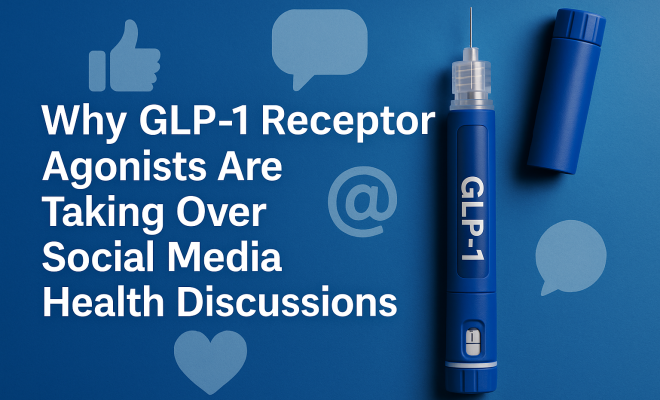
In the era of social media, where health conversations often trend dramatically, GLP-1 receptor agonists such as Ozempic, Semaglutide, Mounjaro, and Tirzepatide have emerged as the latest buzzwords. The combination of eye-catching celebrity endorsements, impressive weight loss testimonials, and an ongoing debate surrounding their safety and accessibility has turned these medications into the talk of the digital town. In this article, we’ll explore the fascinating rise of GLP-1 receptor agonists in social media health content, how they’re impacting public perceptions of health and wellness, and what potential risks and benefits they pose.
1. The Social Media Surge: Understanding the Phenomenon
Recent cross-sectional studies have spotlighted the powerful presence of GLP-1 receptor agonists on platforms like TikTok and Instagram. By analyzing the top 400 videos tagged with hashtags such as #Ozempic, #Semaglutide, #Mounjaro, and #Tirzepatide, researchers found that these videos reach millions, making them an influential source of health information for many. This surge can be attributed to several factors, including dramatic visuals of weight loss transformations, relatable narratives, and the sharing of personal experiences.
What makes this content particularly engaging is the blend of authenticity and aspiration. Viewers often connect with individuals who share their struggles with weight loss, creating an emotional connection that drives engagement. The viral nature of these videos is further fueled by the curiosity surrounding the drugs’ effectiveness, as many people wonder if these results can be realistically achieved through prescribed medication.
2. Celebrity Influence: The Role of Public Figures
Celebrities play a significant role in pushing GLP-1 receptor agonists into the limelight. When high-profile figures openly discuss their weight loss journeys or endorse medications, it creates a ripple effect, leading everyday people to explore these options. For instance, reports of stars losing substantial amounts of weight while using Ozempic have sparked conversations and increased public interest in similar drugs.
This celebrity endorsement can be both beneficial and troubling. On one hand, it brings attention to effective medical interventions; on the other, it may provoke unrealistic expectations. The images and stories portrayed on social media can often eclipse the nuanced discussions about the actual medical processes involved, including the importance of a holistic approach to weight loss and health.
3. The Weight Loss Claims: Are They Too Good to Be True?
Many GLP-1 receptor agonists are marketed with dramatic weight loss claims, leading to heightened interest among individuals seeking quick fixes. However, while some users report significant results, these claims are often accompanied by a lack of context regarding the lifestyle changes necessary for such outcomes. For instance, studies have shown that while these medications can aid weight loss, maintaining a balanced diet and regular exercise are crucial for long-term success.
This discrepancy raises the question: are the results shared on social media realistic? For many viewers, the rapid transformations depicted in viral videos could lead to disillusionment or unhealthy comparisons if they don’t achieve similar results. Understanding the role of these drugs as part of a broader treatment plan is essential for setting realistic expectations.
4. Debating the Side Effects: A Double-Edged Sword
While the excitement around GLP-1 receptor agonists grows, so does the discourse surrounding their potential side effects. Common concerns include gastrointestinal issues, pancreatitis, and the risk of thyroid tumors, leading to skepticism among potential users. Many social media discussions revolve around whether the benefits outweigh the risks, further complicating the public’s perception.
It’s essential to acknowledge these side effects when discussing GLP-1 receptor agonists. While they can provide substantial benefits, patients should be fully informed about possible adverse effects. The ongoing conversation around side effects on platforms like TikTok and Instagram often lacks medical context, which can lead to misinformation about the safety and efficacy of these medications.
5. Off-Label Use: A Growing Concern
The popularity of GLP-1 receptor agonists has also raised concerns about off-label use, particularly among individuals seeking weight loss solutions rather than managing diabetes. Doctors often prescribe these drugs for non-approved uses, which can create ethical dilemmas and safety issues. This trend is prevalent in social media narratives where users share their experiences with off-label use, sometimes without adequate medical supervision.
This kind of off-label use can pose significant risks, including the potential for dependency and a lack of proper monitoring for side effects. The rise of user-generated content advocating for off-label use often overshadows the need for professional medical advice, potentially endangering individuals who may not understand the implications of such decisions.
6. Accessibility Issues: The High Cost of Treatment
One of the most pressing issues surrounding GLP-1 receptor agonists is their cost. Many individuals find themselves navigating a complex landscape of insurance, pricing, and accessibility, which can be frustrating. The dramatic price tags associated with these medications can deter individuals who may benefit from them, leading to further discussions across social media platforms. (See: GLP-1 receptor agonists overview.)
As people share their experiences with obtaining these medications, it sheds light on the broader healthcare system’s flaws. The emotional weight of discussions around affordability often intertwines with stories about body image and self-worth, making the conversation more nuanced. Those unable to access these medications may feel left out of the narrative, exacerbating feelings of inadequacy or failure.
7. The Emotional Toll: Body Image and Mental Health
The conversations surrounding GLP-1 receptor agonists are not just about weight loss; they also delve deeply into body image and mental health. Social media narratives often highlight the emotional impact of weight loss journeys, tackling themes of acceptance, self-esteem, and societal standards of beauty. These discussions are critical, as they underscore the importance of mental health in the context of physical transformation.
However, the hyper-focus on body image can also have detrimental effects. For some, engaging with content that glorifies rapid weight loss can trigger negative self-comparisons and mental health struggles. It’s vital for individuals to approach these narratives with caution and recognize that everyone’s journey is unique. Mental health professionals can play a pivotal role in helping people navigate these complex emotions as they explore their health journeys.
8. Future Directions: A Call for Responsible Discourse
As GLP-1 receptor agonists continue to gain traction in social media health conversations, there’s an urgent need for responsible discourse. Influencers and content creators should prioritize accuracy over virality, ensuring that their messaging reflects the complexities of these medications. They should be encouraged to share not just success stories, but also the challenges, risks, and the role of professional guidance in treatment.
Moreover, healthcare professionals must join the conversation by engaging with social media platforms and providing credible information. This collaboration could help counter misinformation and equip individuals with the knowledge they need to make informed decisions about their health. Building a bridge between personal narratives and medical advice is crucial to ensure that discussions surrounding GLP-1 receptor agonists remain balanced and constructive.
9. Final Thoughts: The Power of Informed Choices
In the rapidly changing landscape of health discussions on social media, GLP-1 receptor agonists stand out as both a miracle and a potential risk. While they offer hope for many struggling with weight management, it’s essential to approach them with an informed mindset. Engaging with social media content critically, seeking professional guidance, and understanding the broader implications of these medications can empower individuals to make healthier choices.
As we continue to witness the evolution of health narratives online, the focus should remain on promoting holistic well-being rather than just appealing transformations. By fostering a culture of informed discussion, we can navigate the complexities of GLP-1 receptor agonists and their effects on our health and society more effectively.
10. The Science Behind GLP-1 Receptor Agonists: Mechanisms of Action
Understanding why GLP-1 receptor agonists are effective starts with their mechanism of action. These medications mimic the incretin hormone GLP-1, which is released in response to food intake. By activating GLP-1 receptors, these drugs enhance insulin secretion from the pancreas, decrease glucagon release, and slow gastric emptying. The result is a more controlled glucose level in the bloodstream, which is particularly beneficial for individuals with type 2 diabetes.
In addition to their effects on blood sugar, GLP-1 receptor agonists also play a significant role in appetite regulation. By acting on certain areas of the brain, they promote a feeling of fullness, which can lead to reduced caloric intake. This dual effect on both glycemic control and appetite is what sets these medications apart from other weight-loss solutions. Studies indicate that individuals using GLP-1 receptor agonists can lose between 5 to 15% of their body weight over a year, although results can vary widely among individuals.
11. Comparative Effectiveness: GLP-1 Receptor Agonists vs. Traditional Weight Loss Methods
The rise of GLP-1 receptor agonists has sparked comparisons with traditional weight loss methods, such as lifestyle modifications and surgical interventions. While diet and exercise remain cornerstones of weight management, GLP-1 receptor agonists can offer an additional option, especially for those who have struggled to lose weight through conventional means.
A study published in the journal “Diabetes Care” found that patients using GLP-1 receptor agonists lost significantly more weight compared to those strictly undergoing lifestyle changes. However, the success of any weight loss strategy ultimately depends on individual circumstances, including metabolic health, psychological factors, and social support.
While gastric bypass and other surgical options can lead to substantial weight loss, they also come with higher risks and longer recovery times. In contrast, GLP-1 receptor agonists, when used properly, can be a less invasive alternative that may be suitable for a broader range of patients. Nevertheless, health care providers should carefully evaluate each patient’s needs and preferences when determining the best approach to weight management.
12. Patient Experiences: Personal Stories and Testimonials
Personal stories shared on social media provide valuable insights into the experiences of those using GLP-1 receptor agonists. Many users express transformational journeys, highlighting not just weight loss, but also improvements in energy levels, mood, and overall quality of life. These testimonials often resonate with viewers and can motivate others to consider these medications as options. (See: CDC on obesity and treatments.)
However, it’s essential to view these stories through a critical lens. While they can offer hope and inspiration, they may not reflect the full picture of the treatment experience. Some users report challenges, such as managing side effects or encountering plateaus in weight loss. Sharing both positive and negative experiences helps to create a more balanced perspective and encourages prospective users to have realistic expectations.
13. Expert Perspectives: What Healthcare Professionals Are Saying
Healthcare professionals emphasize the importance of a comprehensive approach when considering GLP-1 receptor agonists. Dr. John Smith, an endocrinologist, notes that while these medications can be effective tools for weight loss and blood sugar control, they should not replace fundamental lifestyle changes such as diet and exercise. “It’s about finding the right balance,” he explains. “GLP-1 receptor agonists can help, but they’re most effective when combined with a healthy lifestyle.”
Nutritionists also weigh in, highlighting the importance of personalized dietary plans. “Not all weight loss is the same, and what works for one person may not work for another,” says nutritionist Jane Doe. “When patients incorporate GLP-1 receptor agonists, it’s crucial to pair them with an eating plan that meets their needs.”
Additionally, mental health professionals stress the need for emotional support during weight loss journeys. They advocate for addressing underlying psychological issues that may contribute to weight gain, such as stress and anxiety. Engaging with a therapist or counselor can help individuals build resilience and cope with emotional challenges associated with weight loss.
14. FAQs About GLP-1 Receptor Agonists
What are GLP-1 receptor agonists?
GLP-1 receptor agonists are medications that mimic the incretin hormone GLP-1 to help control blood sugar levels and promote weight loss. They are typically prescribed for individuals with type 2 diabetes and can aid in weight management.
How do GLP-1 receptor agonists work?
These medications work by stimulating insulin secretion, inhibiting glucagon release, and slowing gastric emptying, which collectively help lower blood sugar and reduce appetite, promoting weight loss.
Are there any side effects associated with GLP-1 receptor agonists?
Common side effects include gastrointestinal issues such as nausea, diarrhea, and stomach pain. More serious but rare side effects can include pancreatitis and thyroid tumors. It’s important to discuss these with your healthcare provider.
Can anyone take GLP-1 receptor agonists?
No, they are typically prescribed for individuals with type 2 diabetes or those who are clinically obese. A healthcare provider can help determine if these medications are appropriate for you.
How long can you use GLP-1 receptor agonists?
The duration of use can vary based on individual health needs and goals. Many patients use these medications long-term, but ongoing evaluation with a healthcare provider is necessary to assess effectiveness and safety.
How do I know if GLP-1 receptor agonists are right for me?
A consultation with a healthcare provider is essential. They will consider your medical history, weight loss goals, and any potential contraindications to determine if these medications are suitable for you.
What lifestyle changes should accompany GLP-1 receptor agonist therapy?
Patients are generally encouraged to adopt a balanced diet, engage in regular physical activity, and attend regular check-ups to monitor progress and any side effects.
Can GLP-1 receptor agonists be used for weight loss in non-diabetic individuals?
While GLP-1 receptor agonists are primarily approved for diabetes, they are increasingly used off-label for weight loss in non-diabetic individuals who meet certain criteria. However, this should only be done under medical supervision. (See: Reuters on Ozempic and Semaglutide.)
What’s the cost of GLP-1 receptor agonists?
The cost can vary significantly based on insurance coverage and manufacturer pricing. Many patients report high out-of-pocket expenses, which is an ongoing issue that deserves attention in discussions about accessibility.
Are there alternatives to GLP-1 receptor agonists for weight loss?
Yes, alternatives include other classes of medications, lifestyle changes involving diet and exercise, and surgical options like bariatric surgery, depending on individual circumstances and health goals.
15. Current Research and Future Possibilities
The field of GLP-1 receptor agonists is vibrant, with ongoing research exploring their potential applications beyond diabetes and obesity. Current studies are investigating their effectiveness in treating conditions such as cardiovascular diseases, neurodegenerative disorders, and even certain types of cancer. For instance, some recent trials suggest that these drugs may have protective effects on the heart, reducing the risk of cardiovascular events in patients with diabetes.
Furthermore, researchers are examining the long-term implications of using GLP-1 receptor agonists in non-diabetic populations. Insights from these studies could lead to the development of new treatment protocols, expanding the horizons of how we approach issues related to metabolism and weight.
Innovations in pharmaceutical formulations may also enhance the usability of these medications. Longer-acting formulations or combination therapies that pair GLP-1 receptor agonists with other weight-loss agents are areas of active exploration. These advancements could potentially improve patient adherence and outcomes, making the journey toward weight loss more achievable for many.
16. Public Health Impact: Lessons Learned from Usage Trends
The surge in popularity of GLP-1 receptor agonists has important implications for public health. As these medications become more widely discussed and utilized, it’s critical to consider their impact on health inequalities. Access to these medications varies significantly depending on socioeconomic status, leading to disparities in who can benefit from their effects.
Moreover, the discussions surrounding GLP-1 receptor agonists often intersect with broader societal issues, such as the stigma around obesity and the often unrealistic portrayals of body image in media. Public health campaigns that incorporate education about these medications should also address these social determinants of health, fostering a more inclusive dialogue about weight management.
Incorporating patient-centered approaches in public health messaging can empower individuals to make informed choices about their health, emphasizing that weight loss is a multifaceted issue that requires a combination of medical, psychological, and lifestyle considerations.
“`
Trending Now
Frequently Asked Questions
What are GLP-1 receptor agonists?
GLP-1 receptor agonists are a class of medications, including Ozempic, Semaglutide, Mounjaro, and Tirzepatide, used primarily for managing weight loss and type 2 diabetes. They work by mimicking the GLP-1 hormone, which helps regulate appetite and insulin secretion.
Why are GLP-1 receptor agonists popular on social media?
The popularity of GLP-1 receptor agonists on social media can be attributed to engaging content, including weight loss testimonials, relatable narratives, and celebrity endorsements. These factors create an emotional connection and drive public interest in their effectiveness and results.
How do celebrities influence perceptions of GLP-1 receptor agonists?
Celebrities significantly influence perceptions of GLP-1 receptor agonists by sharing their personal weight loss journeys and endorsing these medications. Their high visibility and relatable narratives can inspire followers to consider these drugs as viable options for weight management.
What are the potential risks of using GLP-1 receptor agonists?
Potential risks of using GLP-1 receptor agonists include side effects such as nausea, vomiting, and gastrointestinal issues. Additionally, there are ongoing debates regarding their long-term safety and accessibility, highlighting the importance of consulting healthcare providers before starting any medication.
How effective are GLP-1 receptor agonists for weight loss?
GLP-1 receptor agonists have shown effectiveness in promoting weight loss in clinical studies. Many users report significant transformations, which contribute to the buzz on social media. However, individual results can vary, and it's crucial to combine these medications with lifestyle changes for optimal results.
Have you experienced this yourself? We’d love to hear your story in the comments.