Mastering Fried Rice: A Comprehensive Guide
“`html
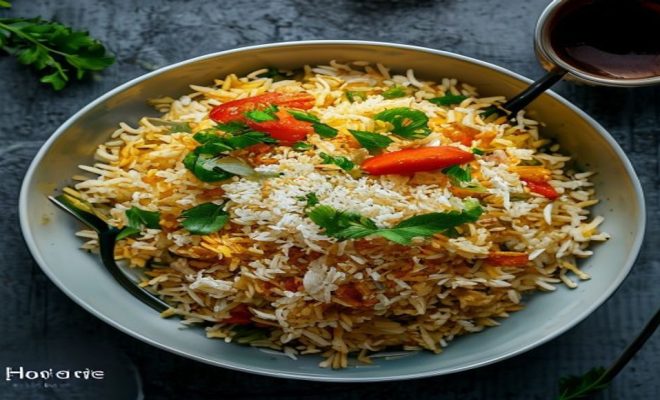
Fried rice is a beloved dish that has transcended cultures and continents, making its way into homes and restaurants around the world. It’s not just a delicious meal; it’s a canvas for creativity, allowing cooks to utilize leftover ingredients and showcase their culinary flair. This comprehensive guide will delve into everything you need to know about crafting the perfect fried rice recipe, from its origins to versatile variations, practical tips, and even potential pitfalls to avoid.
1. The Origins of Fried Rice
Fried rice has a rich history that traces back thousands of years to China, where it was first documented during the Sui Dynasty (589–618 AD). Initially created as a way to use up leftover rice, the dish has evolved into a staple that can be found in many Asian cuisines, including Thai, Japanese, and Korean variations. Each culture adds its unique ingredients and cooking techniques, showcasing the adaptability of this dish.
In Chinese cuisine, the dish is often prepared with a mix of vegetables, proteins, and soy sauce, emphasizing a balance of flavors and textures. Meanwhile, Thai fried rice (Khao Pad) typically incorporates lime, chili, and fresh herbs, resulting in a fragrant and zesty meal. Understanding the roots of fried rice can enhance your appreciation for its diverse interpretations and guide you as you experiment with your version of the fried rice recipe.
2. Essential Ingredients for a Fried Rice Recipe
The foundation of a great fried rice recipe lies in its ingredients. While different variations exist, here are some staple components you’ll need:
- Rice: Day-old, cold rice is ideal for frying. Freshly cooked rice tends to be too soft and sticky, which can lead to clumping. Jasmine rice is a popular choice due to its fragrant aroma and fluffy texture.
- Vegetables: Common options include peas, carrots, bell peppers, onions, and scallions. Feel free to mix based on what you have on hand, as fried rice can be a great way to use up vegetables.
- Proteins: Cooked chicken, shrimp, pork, tofu, or eggs are often added for substance. The choice of protein can personalize your fried rice to your preferences.
- Seasonings: Soy sauce, oyster sauce, sesame oil, and white pepper are essential for flavoring. You can adjust the amounts to suit your taste.
These ingredients can be easily modified to accommodate dietary preferences or restrictions, making fried rice a versatile dish that can adapt to various palates.
3. Steps to Preparing the Perfect Fried Rice
Making fried rice might seem simple, but there are specific steps you can follow to ensure it turns out perfectly every time. Here’s a step-by-step guide:
- Prepare the rice: Ideally, use rice that has been cooked and cooled for at least a few hours, or even overnight. This allows the grains to firm up and prevents them from becoming mushy during cooking.
- Chop the vegetables and proteins: Prepping ingredients beforehand is crucial. Dice vegetables uniformly to ensure even cooking, and cut proteins into bite-sized pieces.
- Heat the pan: Use a wok or large skillet over medium-high heat. Add oil (vegetable or sesame), swirling to coat the bottom. Ensuring the pan is hot will create a searing effect that enhances flavor.
- Add aromatics: Start with onions and garlic as they release a wonderful fragrance. Sauté until they soften, then add your proteins. Cook until just done.
- Add vegetables: Follow with your vegetables, cooking until they’re tender but still bright in color.
- Stir in the rice: Add the cold rice, breaking up any clumps. Stir-fry swiftly to combine with other ingredients.
- Season: Pour in soy sauce and any additional seasonings, stirring well to incorporate. Taste and adjust as needed.
- Finish with eggs (if using): If you’re adding eggs, push the rice to one side of the pan, crack the eggs into the other side, and scramble them. Once cooked, mix them into the rice.
- Garnish: Finally, sprinkle chopped scallions or fresh herbs for an aromatic finish.
By following these steps, you’ll not only create a delicious fried rice recipe but also develop a sense of timing and technique that will enhance your overall cooking skills.
4. Common Mistakes to Avoid
Even the simplest dishes can be derailed by small missteps. Here are some common mistakes to watch out for when making fried rice: (See: Wikipedia page on fried rice.)
- Using fresh rice: As mentioned, using freshly cooked rice leads to a sticky result. Always aim for cold, day-old rice that has had time to dry out.
- Overcrowding the pan: If you add too many ingredients at once, the temperature in the pan will drop, resulting in steaming rather than frying. Cook in batches if necessary.
- Neglecting to season: It’s easy to forget about seasoning until the end. Start seasoning early in the process and adjust as you go to develop layers of flavor.
- Cooking at a low temperature: A high heat is essential for that signature fried rice texture. Low heat leads to soggy results.
By being aware of these pitfalls, you can refine your technique and achieve a satisfying outcome with every fried rice recipe you attempt.
5. Regional Variations of Fried Rice
One of the most exciting aspects of fried rice is its adaptability. Across the globe, different cultures have their own spins on this dish:
- Chinese Fried Rice: Often includes soy sauce, green peas, and scrambled eggs, with variations like Yangzhou fried rice adding shrimp and barbecued pork.
- Japanese Fried Rice (Chahan): Typically uses a lighter soy sauce with a sweeter flavor profile and may incorporate nori (seaweed) for added umami.
- Thai Fried Rice (Khao Pad): Known for its fragrant seasonings, including fish sauce and lime juice, often topped with fresh cilantro and lime wedges.
- Indonesian Nasi Goreng: This version uses sweet soy sauce (kecap manis) and often includes chili, making it spicier. It’s typically served with a fried egg on top.
Exploring these regional varieties not only expands your culinary skills but also deepens your appreciation for how a single dish can reflect cultural identities and flavors.
6. Healthy Alternatives for Fried Rice
If you’re looking to enjoy fried rice while keeping an eye on your health, there are plenty of alternatives and modifications you can make:
- Cauliflower Rice: A popular low-carb substitute, cauliflower rice can be sautéed just like traditional rice and absorbs flavors beautifully.
- More Vegetables: Amp up the nutritional content by packing in more vegetables. Options like broccoli, zucchini, and spinach contribute vitamins without significantly adding calories.
- Lean Proteins: Consider using lean proteins like chicken breast or plant-based alternatives like tempeh to reduce fat content while still getting your protein.
- Limit Sauces: Use lower-sodium soy sauce or opt for low-calorie flavor enhancers like ginger or garlic instead of heavy sauces.
These changes allow you to enjoy the deliciousness of fried rice while being mindful of dietary goals.
7. Recommended Tools and Equipment
Having the right kitchen tools can make all the difference in your fried rice recipe. Here’s a list of essential equipment:
- Wok or Large Skillet: A wok is ideal for stir-frying due to its high sides and ability to distribute heat evenly, but a large skillet can work just as well.
- Spatula or Wooden Spoon: A sturdy utensil will help you mix and toss the ingredients thoroughly without damaging them.
- Sharp Knife: For chopping vegetables and proteins efficiently, a sharp knife is essential.
- Cutting Board: A stable surface for prep work to ensure safety and ease while cutting.
Investing in quality tools can enhance your cooking experience, making it easier and more enjoyable to create dishes like fried rice.
8. Storing and Reheating Leftover Fried Rice
Fried rice can be a great meal prep option, but proper storage is key to maintaining its quality. Here’s how to store and reheat your leftovers:
- Storage: Allow fried rice to cool before transferring it to an airtight container. Store in the refrigerator for up to three days, or freeze for longer storage.
- Reheating: To reheat, use a skillet over medium heat. Add a splash of water or oil to prevent sticking. Stir frequently until heated through. For microwave reheating, cover the dish to retain moisture and heat in short intervals.
Following these tips will help you enjoy your fried rice for days to come, minimizing food waste and maximizing flavor.
9. Making It Your Own: Customization and Experimentation
Once you’ve mastered a basic fried rice recipe, don’t hesitate to get creative! Here are some ideas to help you customize: (See: CDC guidelines on food safety.)
- Unconventional Proteins: Try incorporating things like bacon, smoked salmon, or even grilled steak for a unique spin.
- Global Flavors: Experiment with different sauces and spices from around the world. Adding curry powder for an Indian twist or kimchi for a Korean kick can elevate your dish.
- Herbs and Spices: Fresh herbs like cilantro, mint, or basil can add brightness, while spices like chili flakes or smoked paprika can bring heat and depth.
Your fried rice can reflect your individual taste, allowing you to create a dish that feels uniquely yours. So don’t hold back—get creative!
10. Expert Tips for Perfecting Your Fried Rice Recipe
If you want to take your fried rice to the next level, consider these expert tips:
- Use High-Quality Oils: The type of oil you use can dramatically affect the flavor. Opt for oils with high smoke points, like peanut oil, which can add an extra layer of taste.
- Experiment with Marinades: Marinating your proteins before cooking can enhance flavor. Try a simple mixture of soy sauce, garlic, and ginger for an Asian-inspired twist.
- Don’t Skimp on the Heat: The high heat is key to achieving that signature fried rice texture. If you find yourself cooking on an electric stove, try using a cast-iron skillet that retains heat well.
- Let It Rest: After cooking, allowing your fried rice to sit for a few minutes off the heat can help the flavors meld together.
11. Frequently Asked Questions about Fried Rice Recipes
Can I use any type of rice for fried rice?
While day-old jasmine rice is often recommended, you can use other rice varieties such as basmati or even brown rice. Just ensure they are cold and cooked properly to avoid stickiness.
What can I do if I don’t have leftover rice?
If you don’t have leftover rice, you can cook fresh rice and spread it out on a baking sheet to cool quickly. This can help reduce moisture content so it’s less sticky.
Is fried rice a healthy option?
It can be! By choosing nutritious ingredients like lots of vegetables, lean proteins, and low-sodium sauces, you can create a healthier version of fried rice. Using cauliflower rice is also a great low-carb option.
What are some popular toppings for fried rice?
Common toppings include sliced green onions, sesame seeds, or even a drizzle of sriracha for a spicy kick. Some people like to add a fried egg on top for added richness.
Can I make fried rice vegetarian or vegan?
Absolutely! Simply omit the proteins or substitute with tofu or tempeh. Use vegetable broth instead of chicken broth for extra flavor, and ensure all sauces are vegetarian-friendly. (See: New York Times fried rice recipe article.)
How do I keep fried rice from getting soggy?
The key is to use cold, day-old rice and to avoid overcrowding the pan. Cooking at high heat allows moisture to evaporate quickly, preventing sogginess.
12. Different Cooking Methods for Fried Rice
While a traditional fried rice recipe often calls for a wok or large skillet, there are various other methods you can explore:
- Instant Pot Fried Rice: This method allows you to cook rice and then sauté it all in one pot. Use the sauté function to cook your vegetables and proteins, then mix in your cooked rice along with the seasonings.
- Oven-Baked Fried Rice: For a hands-off approach, consider baking your fried rice in a casserole dish. Mix all ingredients in an ovenproof dish and bake until heated through, stirring occasionally.
- Grilled Fried Rice: For an added smoky flavor, try grilling your cooked ingredients in a cast-iron skillet on the grill. The high heat adds a unique depth of flavor.
- Microwave Fried Rice: For a super quick option, combine your rice, vegetables, and seasonings in a microwave-safe bowl. Cover and heat in short intervals, stirring in between until everything is hot.
These methods offer alternatives for different situations—whether you’re short on time or want to experiment with flavors from your outdoor grill.
13. Pairing Fried Rice with Other Dishes
Fried rice can shine as a standalone meal, but it also pairs beautifully with a variety of dishes. Here are some suggestions for creating a complete meal:
- Spring Rolls: Crispy spring rolls filled with vegetables or shrimp can complement the flavors of fried rice and add a delightful crunch.
- Stir-Fried Vegetables: A side of stir-fried greens, such as bok choy or broccoli, can boost the nutritional profile and add color to your plate.
- Protein Dishes: Fried rice goes well with grilled or roasted meats. Chicken satay, teriyaki salmon, or sweet and sour pork can elevate your meal.
- Salads: A light cucumber salad or a spicy Thai salad can provide a refreshing contrast to the richness of fried rice.
Creating a balanced meal not only enhances your dining experience but also allows you to enjoy a variety of flavors and textures.
14. Conclusion
In summary, the fried rice recipe is not just a dish but a culinary adventure that invites personal expression. Whether you’re following a traditional method or experimenting with new flavors, the joy of fried rice lies in its versatility and simplicity. So gather your ingredients, fire up your stove, and enjoy the satisfaction of crafting your own perfect fried rice dish.
“`
Trending Now
Frequently Asked Questions
What are the key ingredients for fried rice?
The essential ingredients for fried rice include day-old, cold rice, which prevents clumping, and a variety of vegetables such as peas, carrots, bell peppers, onions, and scallions. You can customize the recipe based on what you have available, making fried rice a versatile dish.
How do you make fried rice without it getting mushy?
To avoid mushy fried rice, use day-old, cold rice instead of freshly cooked rice. The older rice grains are firmer and less sticky, which allows for better frying and separation during cooking.
What is the origin of fried rice?
Fried rice has its origins in China, dating back to the Sui Dynasty (589–618 AD). It was initially created as a way to use leftover rice and has since evolved into a popular dish across various Asian cuisines, each adding their unique twist.
Can you use any type of rice for fried rice?
While you can technically use any type of rice for fried rice, jasmine rice is a popular choice due to its fragrant aroma and fluffy texture. It's best to use day-old rice for optimal results, as it fries better than freshly cooked rice.
What variations of fried rice are there?
Fried rice has many variations, with notable examples including Chinese fried rice, Thai Khao Pad, and Japanese fried rice. Each variation incorporates different ingredients and flavors, such as lime and chili in Thai fried rice, showcasing the dish's adaptability.
What's your take on this? Share your thoughts in the comments below — we read every one.