Lunchbox Nutrition: Boosting Focus & Behavior in Class
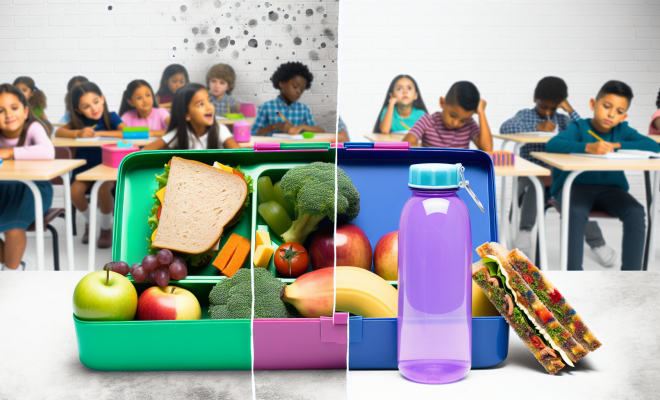
In the ever-evolving landscape of education, one critical aspect often overlooked by parents and educators alike is the profound impact of nutrition on children’s behavior and performance in the classroom. Recent discussions have illuminated a pressing concern: the contents of children’s lunchboxes can significantly shape their actions and ability to concentrate during school hours. As we delve into this topic, we will explore the connections between diet, classroom behavior, and practical strategies for parents to enhance their children’s learning experiences.
The Classroom Post-Lunch Conundrum
Teachers across various educational settings have long noted that the period following lunch can be one of the most unpredictable times of the school day. This observation is not merely anecdotal; it is rooted in the understanding that what students consume impacts their energy levels, focus, and overall demeanor. With many educators reporting disruptions, inattentiveness, and hyperactivity in the wake of lunch breaks, it raises an important question: how does nutrition play into this scenario?
Understanding the Link Between Nutrition and Behavior
The connection between what children eat and how they behave is backed by a growing body of research suggesting that dietary choices can influence cognitive function and emotional regulation. Key nutrients, including proteins, healthy fats, and complex carbohydrates, are known to provide sustained energy and enhance concentration. Conversely, diets high in sugars and processed foods can lead to spikes in energy followed by crashes, resulting in mood swings and difficulty focusing.
Observations from the Front Lines: Teacher Insights
Teachers, who spend considerable time with students, have unique insights into the impact of dietary choices on behavior. Anecdotal evidence from various educators consistently points to a pattern: students who consume balanced meals exhibit greater focus, better academic performance, and improved conduct in class. In contrast, those whose lunches consist of sugary snacks and processed foods often struggle with attention and self-control.
Real-Life Examples: The Lunchbox Reality Check
- Case Study 1: A group of fifth-grade teachers observed that students who arrived at school with lunches rich in fruits, vegetables, and whole grains were more engaged during lessons, while those with sugary sodas and candy tended to be restless and distracted.
- Case Study 2: A middle school teacher noted that students consuming high-protein lunches, such as chicken wraps or bean salads, were able to participate more actively in group discussions compared to their peers who opted for sugary snacks.
- Case Study 3: An elementary school educator reported that children who regularly consumed processed snacks exhibited more mood swings and conflicts during group activities.
The Science Behind Nutrition and Learning
Scientific research supports the observations made by teachers, indicating that nutrition plays a crucial role in a child’s cognitive development and behavior. Various studies have highlighted the following:
- Glucose Levels: The brain relies on glucose as its primary energy source. A steady supply, obtained from complex carbohydrates found in whole grains, fruits, and vegetables, can help maintain concentration and mental clarity.
- Fatty Acids: Omega-3 fatty acids, found in fish, nuts, and seeds, are essential for brain health, improving memory and cognitive function.
- Micronutrients: Essential vitamins and minerals, such as iron and zinc, are critical for cognitive development. Deficiencies in these nutrients can lead to decreased attention span and increased irritability.
Practical Tips for Nutritious Lunchboxes
With the understanding that nutrition heavily influences classroom behavior, parents are encouraged to take a proactive approach in preparing their children’s lunches. Here are some practical tips to consider:
- Balance is Key: Aim for a balanced meal that includes proteins, healthy fats, and complex carbohydrates. Examples include grilled chicken with brown rice and steamed vegetables, or a whole-grain sandwich with lean turkey and avocado.
- Incorporate Color: Encourage children to choose a variety of colorful fruits and vegetables. Not only do they provide essential nutrients, but they also make lunches visually appealing.
- Limit Sugar: Be mindful of sugary snacks and beverages. Opt for natural sweeteners and whole fruits instead of candies and sodas.
- Engage Children: Involve children in the lunch preparation process. Allowing them to choose their healthy options can encourage better food choices.
- Plan Ahead: Prepare lunches in advance to avoid last-minute unhealthy choices. Meal prepping can simplify the process and ensure balanced meals.
Conclusion: A Call to Action for Parents and Educators
As we continue to navigate the complexities of child development and education, it is vital for parents and educators to recognize the significant role nutrition plays in shaping children’s behavior in the classroom. By prioritizing healthy eating habits, we can foster an environment that promotes learning, engagement, and positive behavior.
Ultimately, the lunchbox reality check serves as a reminder that what children consume directly influences their academic success and emotional well-being. By making informed dietary choices and instilling healthy habits, we can empower the next generation to thrive both in and out of the classroom.